Semaglutide (Ozempic, Wegovy): What Your Doctor Won't Tell You

- Semaglutide (Ozempic/Wegovy) produces 15-17% weight loss — the most effective anti-obesity medication available
- ~40% of weight lost is muscle, making resistance training and high protein intake non-negotiable
- The SELECT trial proved cardiovascular protection (20% reduction in heart attacks/strokes)
- Two-thirds of weight is regained within a year of stopping — lifestyle foundations must be built concurrently
- Nutrient depletion (B12, iron, vitamin D, magnesium) requires proactive monitoring and supplementation
"Should I try Ozempic?" It's the question I hear more than any other right now — from patients, friends, even strangers at dinner parties. And I get it. GLP-1 receptor agonists like semaglutide have delivered some of the most impressive weight loss results we've ever seen in clinical trials. But after working with hundreds of patients navigating these medications, I can tell you this: the medication is only half the story. What you do alongside it determines everything.
This isn't an anti-medication article. Semaglutide is a genuinely important tool. But it's being prescribed at a pace that has outrun the nuanced clinical guidance patients deserve. Let me fill that gap.
What Is Semaglutide and How Does It Work?
Semaglutide is a glucagon-like peptide-1 (GLP-1) receptor agonist — a synthetic version of a hormone your gut naturally produces after eating. It was originally developed for type 2 diabetes (marketed as Ozempic) and later approved at a higher dose for chronic weight management (marketed as Wegovy).
GLP-1 works through several interconnected mechanisms:
- Slows gastric emptying — food stays in your stomach longer, creating prolonged satiety
- Enhances insulin secretion — but only when blood sugar is elevated, reducing hypoglycemia risk
- Suppresses glucagon — preventing your liver from dumping excess glucose
- Acts on hypothalamic appetite centers — reducing hunger signals and food reward pathways in the brain
- Reduces hepatic fat accumulation — improving liver health and metabolic function
Semaglutide doesn't just suppress appetite — it fundamentally changes your brain's relationship with food by dampening reward-driven eating and reducing the "food noise" that many patients describe as constant background hunger.
The Clinical Evidence: What the Trials Actually Show
The landmark STEP trials (Semaglutide Treatment Effect in People with Obesity) established semaglutide 2.4 mg weekly as the most effective anti-obesity medication to date.
STEP 1 (2021): 1,961 adults without diabetes lost an average of 14.9% of body weight over 68 weeks, compared to 2.4% with placebo. Over a third of participants lost more than 20% of their body weight — results previously only achievable with bariatric surgery (1).
STEP 2 (2021): In adults with type 2 diabetes, semaglutide 2.4 mg produced 9.6% weight loss versus 3.4% with placebo (2).
STEP 3 (2021): When combined with intensive behavioral therapy (meal replacements + exercise counseling), participants lost 16.0% of body weight — demonstrating that lifestyle support amplifies medication effects (3).
SELECT (2023): This cardiovascular outcomes trial showed that semaglutide reduced major adverse cardiovascular events (heart attack, stroke, cardiovascular death) by 20% in overweight/obese adults without diabetes — the first obesity medication to demonstrate cardiovascular protection (4).
| Trial | Population | Avg. Weight Loss | Duration |
|---|---|---|---|
| STEP 1 | Obese, no diabetes | 14.9% | 68 weeks |
| STEP 2 | Obese + type 2 diabetes | 9.6% | 68 weeks |
| STEP 3 | Obese + behavioral therapy | 16.0% | 68 weeks |
| SELECT | Obese, cardiovascular risk | 9.4% + 20% CV reduction | 40 months |
Who Is a Good Candidate?
From a functional medicine perspective, semaglutide is most appropriate when:
- BMI ≥ 30 (or ≥ 27 with at least one weight-related comorbidity like type 2 diabetes, hypertension, or dyslipidemia)
- Insulin resistance is a primary metabolic driver, confirmed by elevated fasting insulin, HOMA-IR, or HbA1c
- Lifestyle interventions alone have been genuinely attempted and insufficient — not just "I tried eating less for two weeks"
- The patient understands this is a tool, not a cure, and commits to concurrent nutrition, exercise, and metabolic optimization
Semaglutide is NOT appropriate as a cosmetic weight loss tool for people at a healthy weight. It should not be used during pregnancy, by individuals with a personal or family history of medullary thyroid carcinoma, or by those with MEN2 syndrome. Always discuss your full medical history with your prescriber.
The Side Effects Your Prescriber May Underemphasize
The most common side effects are gastrointestinal: nausea (44%), diarrhea (30%), vomiting (24%), and constipation (24%). These are dose-dependent and typically improve with gradual titration. But there are several less-discussed concerns:
1. Muscle Loss
The STEP trials showed that approximately 40% of total weight lost was lean mass (muscle), not fat (5). This is a serious concern, especially for patients over 40 who are already losing muscle due to age-related sarcopenia. Without adequate protein intake (1.2-1.6 g/kg/day) and resistance training, patients risk becoming "skinny fat" — lighter on the scale but metabolically worse.
2. Nutrient Malabsorption
Slowed gastric emptying can reduce absorption of key nutrients including iron, B12, folate, and fat-soluble vitamins (A, D, E, K). I routinely monitor these in patients on GLP-1 medications and supplement proactively.
3. Gallbladder Disease
Rapid weight loss increases gallstone risk. The STEP trials reported cholelithiasis in 1.6% of semaglutide patients versus 0.7% with placebo. Adequate fat intake and bile acid support can mitigate this risk.
4. Gastroparesis Risk
In rare cases, the gastric slowing effect can become pathological — especially in patients with pre-existing motility disorders or diabetic neuropathy. Persistent nausea, early satiety, or vomiting beyond the titration phase warrants evaluation.
5. Rebound Weight Gain
The STEP 4 withdrawal trial showed that patients who discontinued semaglutide regained two-thirds of lost weight within one year (6). This underscores the critical importance of building sustainable habits while on the medication.
The biggest risk of semaglutide isn't the medication itself — it's using it as a standalone solution without building the metabolic foundation (nutrition, exercise, sleep, stress management) that makes results stick when the medication eventually stops or plateaus.
The Functional Medicine Approach to GLP-1 Medications
In my practice, semaglutide is never prescribed in isolation. Here's the protocol I use to maximize results and minimize risk:
Protein Prioritization
I target 1.2-1.6 grams of protein per kilogram of ideal body weight daily. This is non-negotiable. With reduced appetite, many patients eat far too little protein, accelerating muscle loss. Each meal should contain 30-40g of protein. Our meal plans are designed with this protein target built in.
Resistance Training
At minimum, 2-3 sessions per week of progressive resistance training. This is the single most important intervention for preserving lean mass during GLP-1 therapy. Our fitness programs include beginner-friendly strength protocols designed for this exact scenario.
Targeted Supplementation
Based on individual lab testing, I commonly recommend:
- B12 and methylated B-complex — to compensate for reduced absorption
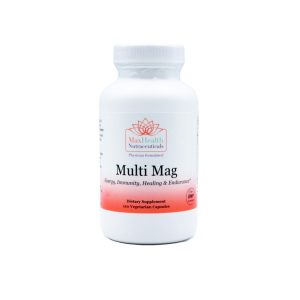
- Magnesium — critical for muscle function and metabolic health
- Probiotics — to support gut function during altered motility
- Vitamin D3 + K2 — often depleted and essential for metabolic and bone health
- Omega-3 fatty acids — for inflammation management and cardiovascular protection
Metabolic Lab Monitoring
Every 3 months, I check: fasting insulin, HbA1c, complete metabolic panel, lipid particle analysis, vitamin D, B12, ferritin, magnesium RBC, thyroid panel, and body composition via DEXA scan when available.
Sleep and Stress Optimization
Sleep deprivation and chronic stress drive the insulin resistance and cortisol elevation that make weight loss resistant. Without addressing these foundations, even semaglutide's effects will be blunted.
Semaglutide vs. Tirzepatide: How Do They Compare?
Tirzepatide (Mounjaro/Zepbound) is a dual GIP/GLP-1 receptor agonist that has shown even greater weight loss in clinical trials — up to 22.5% at the highest dose in the SURMOUNT-1 trial (7). The key differences:
| Feature | Semaglutide | Tirzepatide |
|---|---|---|
| Mechanism | GLP-1 agonist | Dual GIP + GLP-1 agonist |
| Max Weight Loss | ~15-17% | ~20-22.5% |
| CV Outcome Data | Yes (SELECT trial) | Pending |
| GI Side Effects | More nausea | Slightly less nausea |
| Insurance Coverage | Broader (longer track record) | Expanding |
When to Consider Stopping
There's no official guidance on optimal duration of GLP-1 therapy, but I discuss potential discontinuation when:
- The patient has reached a healthy, sustainable weight
- Body composition shows preserved lean mass
- Metabolic markers (insulin, HbA1c, lipids) have normalized
- Lifestyle habits (nutrition, exercise, sleep) are firmly established
- The patient demonstrates metabolic flexibility through lab testing
Discontinuation should always be gradual and supervised, with close monitoring for weight regain.
Is Semaglutide Right for You?
If you're considering semaglutide, the most important step is getting a comprehensive metabolic workup first. Understanding your insulin resistance, thyroid function, cortisol patterns, and nutrient status allows you to use the medication strategically rather than blindly.
Our GLP-1 Lifestyle Optimization program is specifically designed for patients on (or considering) these medications. And if you want to start with a broader assessment, take our Wellness Quiz or book a Discovery Offer to discuss your options.
---
References
- Wilding, J.P.H., et al. (2021). Once-weekly semaglutide in adults with overweight or obesity. New England Journal of Medicine, 384(11), 989-1002.
- Davies, M., et al. (2021). Semaglutide 2.4 mg once a week in adults with overweight or obesity, and type 2 diabetes (STEP 2). The Lancet, 397(10278), 971-984.
- Wadden, T.A., et al. (2021). Effect of subcutaneous semaglutide vs placebo as an adjunct to intensive behavioral therapy (STEP 3). JAMA, 325(14), 1403-1413.
- Lincoff, A.M., et al. (2023). Semaglutide and cardiovascular outcomes in obesity without diabetes. New England Journal of Medicine, 389(24), 2221-2232.
- Wilding, J.P.H., et al. (2021). Body composition changes in STEP 1. New England Journal of Medicine, 384(11), supplementary appendix.
- Rubino, D., et al. (2021). Effect of continued weekly subcutaneous semaglutide vs placebo on weight loss maintenance (STEP 4). JAMA, 325(14), 1414-1425.
- Jastreboff, A.M., et al. (2022). Tirzepatide once weekly for the treatment of obesity. New England Journal of Medicine, 387(4), 327-340.
Supplements for Weight Management
Clinical-grade picks for this topic

Thera360 PLUS Portable Sauna
$1,428.00

SMART Resistance Training Bundle
$54.99

SMART Yoga Mat (Green)
$56.99
Affiliate disclosure: The product links below are affiliate links — we may earn a commission at no extra cost to you. Recommendations are based on clinical use, not commissions. Learn more.
Frequently Asked Questions
Common questions about semaglutide (ozempic, wegovy): what your doctor won't tell you
Recommended Supplements
Professional-grade supplements from my MaxHealth Nutraceuticals line — the same formulas I use in clinical practice.
Thera360 PLUS Portable Sauna
SMART Resistance Training Bundle
SMART Yoga Mat (Green)

Berberine Herbal Complex 90s
Multi Mag

Probiotic 40 Billion CFU – 60s (shelf stable)

Omega Ultra TG

B Coenzyme Methyl Complex

Vitamin D3 5000 IU + K2 CAPSULES 100s

Vegan Protein Vanilla 510 Grams

Whey Protein Vanilla 12 oz
Body Composition & Weight Management Bundle
Disclosure: This post contains affiliate links. If you purchase through these links, we may earn a small commission at no extra cost to you. Learn more.
About the Author
Dr. Nicolle is a double board-certified physician in Family Medicine and Preventive Medicine, with certifications in Functional Medicine and Lifestyle Medicine. She helps busy professionals over 40 optimize their health through root-cause approaches to cardiovascular, hormonal, and metabolic health.
Learn more about Dr. Nicolle →Explore Related Topics
Dive deeper into these connected health areas
Gut Health
Your gut is far more than a digestive organ — it's home to 70% of your immune system, produces key n…
Explore 🌸Women's Health
Women's health encompasses a complex interplay of hormonal cycles, reproductive biology, and unique …
Explore 💪Men's Health
Men's health involves a unique interplay of hormonal balance, cardiovascular resilience, metabolic e…
Explore 🧠Mental Health
Mental health is deeply interconnected with hormonal balance, gut health, blood sugar regulation, an…
Explore 📖Skin & Hair Health
Your skin and hair are windows into your internal health. Chronic acne, eczema, psoriasis, and hair …
ExploreReady to Address Your Health Concerns?
Book a Discovery Offer consultation to discuss how our functional medicine approach can help you achieve your health goals.
Book Your Discovery Offer