Postpartum Weight Loss: Why Dieting Fails & What Works

- Conventional calorie restriction fails postpartum because the body is in recovery mode — it interprets restriction as famine
- Postpartum thyroiditis, cortisol dysregulation, and nutrient depletion are correctable causes of weight loss resistance
- The first 3 months should focus on healing and nutrient repletion, not weight loss
- Protein-forward eating (100-120g/day), blood sugar stabilization, and progressive strength training are the cornerstones
- 'Bouncing back' is a myth — the goal is a nourished, strong body, not a pre-pregnancy number on the scale
Six weeks postpartum. The OB gives you the green light to exercise. You step on the scale and the number is 25 pounds higher than you expected. You download a calorie-counting app, start a crash diet, and wonder why you're more exhausted, more anxious, and somehow gaining weight.
Here's the hard truth: conventional dieting fails postpartum women. Not because you lack discipline — because the postpartum body is operating under a completely different set of metabolic rules than the one you had before pregnancy. Calorie restriction, intense exercise, and the "bounce back" culture that dominates social media aren't just ineffective; they're actively harmful to a body that is recovering from the most physiologically demanding event of your life.
Why the Postpartum Body Resists Weight Loss
The Hormonal Reset
Your body spent 40 weeks building a human. That required massive hormonal shifts that don't reverse overnight:
- Estrogen and progesterone crash within 48 hours of delivery, disrupting metabolism, mood, and fat storage patterns
- Thyroid function is vulnerable — postpartum thyroiditis (affecting 5-10% of women) slows metabolism during the hypothyroid phase, making weight loss physiologically impossible until treated
- Cortisol remains elevated from the stress of sleep deprivation, recovery, and the demands of caring for a newborn — and elevated cortisol preferentially stores visceral fat
- Insulin sensitivity shifts during pregnancy and may not fully normalize, particularly in women who had gestational diabetes or pre-existing insulin resistance
- Prolactin (the breastfeeding hormone) promotes fat retention as an evolutionary safeguard for milk production
The postpartum body is not a "normal" body with extra weight. It is a recovering body with altered hormonal signaling. Treating it with pre-pregnancy weight loss strategies is like running marathon training on a healing fracture.
The Nutrient Debt
Pregnancy depleted your stores. The baby took what it needed, leaving many women deficient in:
- Iron: Low ferritin = fatigue = less activity = slower metabolism
- Omega-3 fatty acids: Depleted DHA impairs thyroid signaling and increases inflammation
- Magnesium: Affects insulin sensitivity, sleep, and stress response
- B vitamins: Critical for energy metabolism and methylation
When you restrict calories on top of these deficiencies, you signal "famine" to an already stressed system. The body responds by lowering metabolic rate, increasing hunger hormones (ghrelin), and holding onto fat even more tenaciously.
The Sleep Factor
New parents average 4-6 hours of fragmented sleep per night. The metabolic consequences are severe:
- Just two nights of poor sleep increase ghrelin (hunger hormone) by 28% and decrease leptin (satiety hormone) by 18% (1)
- Sleep deprivation increases insulin resistance by up to 40%
- Cortisol remains elevated, promoting belly fat storage
- Decision-making and impulse control are impaired, leading to higher calorie intake
The Functional Medicine Approach to Postpartum Weight Loss
Step 1: Heal First, Lose Later (Months 0-3)
The first three months postpartum should focus exclusively on recovery, not weight loss. This means:
- Prioritize nutrient density over calorie restriction: Eat enough to support healing and breastfeeding (if applicable). The average breastfeeding mother needs 300-500 additional calories daily
- Correct deficiencies: Get labs drawn at 6 weeks postpartum (iron, thyroid panel, vitamin D, B12, omega-3 index)
- Sleep whenever possible: This is not lazy; it's metabolically strategic
- Gentle movement only: Walking, stretching, pelvic floor rehabilitation — not HIIT or marathon training
Aggressive calorie restriction while breastfeeding can reduce milk supply, concentrate environmental toxins in breast milk, and deplete maternal nutrient stores further. If you're breastfeeding, do not go below 1,800 calories daily without medical supervision.
Step 2: Stabilize Blood Sugar (Months 3-6)
Once the acute recovery period passes, focus on metabolic stabilization:
Protein-Forward Eating
- Aim for 25-30g protein per meal (100-120g daily minimum)
- Protein stabilizes blood sugar, preserves lean muscle mass, and increases satiety more than any other macronutrient
- Best sources: Eggs, wild fish, poultry, grass-fed beef, legumes, Greek yogurt
Strategic Carbohydrate Timing
- Include complex carbohydrates (sweet potatoes, quinoa, oats, root vegetables) but pair them with protein and fat to prevent blood sugar spikes
- Front-load carbohydrates earlier in the day when insulin sensitivity is highest
- Avoid refined carbohydrates and added sugars, which drive insulin resistance and inflammation
Healthy Fats
- Include omega-3-rich foods (salmon, sardines, walnuts, flaxseed) at least 3x per week
- Cook with olive oil, avocado oil, or ghee
- Avoid processed seed oils (soybean, corn, canola) which promote inflammation
| Component | Portion | Examples |
|---|---|---|
| Protein | Palm-sized (25-30g) | Salmon, chicken, eggs, tofu |
| Vegetables | Half the plate | Leafy greens, broccoli, peppers |
| Complex Carbs | Cupped-hand portion | Sweet potato, quinoa, brown rice |
| Healthy Fats | Thumb-sized | Avocado, olive oil, nuts |
Step 3: Move Strategically (Months 3-12)
Exercise postpartum should be progressive and purposeful, not punishing:
Months 3-6: Foundation
- Walk 20-30 minutes daily (with baby in a stroller or carrier)
- Pelvic floor and core rehabilitation (diastasis recti screening first)
- Gentle yoga or Pilates
- Resistance training 2x/week with light weights
Months 6-12: Build
- Increase resistance training to 3x/week — muscle is your metabolic engine
- Add moderate-intensity cardio (swimming, cycling, jogging if cleared)
- Still avoid extreme exercise that elevates cortisol significantly
Explore our fitness programs for structured postpartum-friendly workout plans.
Step 4: Address the Thyroid (If Applicable)
If weight loss stalls despite doing "everything right," suspect thyroid dysfunction. A complete thyroid panel (not just TSH) should include:
- TSH, Free T3, Free T4
- TPO and thyroglobulin antibodies (to screen for Hashimoto's)
- Reverse T3
Many postpartum women have subclinical hypothyroidism that slows metabolism without causing dramatic symptoms. Optimizing thyroid function — sometimes with medication, sometimes with nutrient support (selenium, zinc, iodine) — can be the unlock.
Step 5: Manage Stress and Cortisol
Chronic stress keeps you in fat-storage mode. Practical postpartum strategies:
- Morning sunlight: 10 minutes within the first hour of waking to reset cortisol rhythm
- Breathwork: 5 minutes of box breathing before the first feeding of the day
- Adaptogenic herbs: Ashwagandha (if not breastfeeding) or rhodiola can support HPA axis recovery
- Set boundaries: Saying "no" to visitors, obligations, and perfectionism is a metabolic intervention
Realistic Weight Loss Timeline
Most women can expect:
- Months 0-3: Focus on recovery; some natural weight loss from fluid shifts and uterine involution
- Months 3-6: 1-2 pounds per week with nutrient-dense eating and gentle exercise
- Months 6-12: Continued gradual loss; metabolism normalizes as hormones stabilize
- 12-18 months: Most women reach a new baseline — which may be different from pre-pregnancy, and that's okay
"Bouncing back" is a myth created by celebrity culture and airbrushing. The goal isn't to return to a pre-pregnancy body — it's to build a healthy, strong, well-nourished body that can sustain both you and your growing family.
When Weight Loss Resistance Signals Something Deeper
If you've been doing the right things for 6+ months and the scale won't budge, investigate:
- Postpartum thyroiditis or Hashimoto's
- Persistent insulin resistance
- Unresolved cortisol dysregulation
- Gut dysbiosis affecting metabolic signaling
- Environmental toxin exposure disrupting endocrine function
Our Postpartum Restoration Program includes comprehensive testing and a personalized plan to identify and address these metabolic roadblocks.
---
References
- Spiegel, K., Tasali, E., Penev, P., & Van Cauter, E. (2004). Brief communication: Sleep curtailment in healthy young men is associated with decreased leptin levels, elevated ghrelin levels, and increased hunger and appetite. Annals of Internal Medicine, 141(11), 846-850.
- Stuebe, A.M., & Rich-Edwards, J.W. (2009). The reset hypothesis: Lactation and maternal metabolism. American Journal of Perinatology, 26(1), 81-88.
- Neville, C.E., McKinley, M.C., Holmes, V.A., et al. (2014). The relationship between breastfeeding and postpartum weight change — a systematic review and critical evaluation. International Journal of Obesity, 38(4), 577-590.
- Stagnaro-Green, A. (2012). Approach to the patient with postpartum thyroiditis. Journal of Clinical Endocrinology & Metabolism, 97(2), 334-342.
- Lovelady, C.A., Garner, K.E., Moreno, K.L., & Williams, J.P. (2000). The effect of weight loss in overweight, lactating women on the growth of their infants. New England Journal of Medicine, 342(7), 449-453.
- Lain, K.Y., & Catalano, P.M. (2007). Metabolic changes in pregnancy. Clinical Obstetrics and Gynecology, 50(4), 938-948.
- Most, J., Dervis, S., Haman, F., et al. (2019). Energy intake requirements in pregnancy. Nutrients, 11(8), 1812.
- van der Pligt, P., Willcox, J., Hesketh, K.D., et al. (2013). Systematic review of lifestyle interventions to limit postpartum weight retention: Implications for future opportunities to prevent maternal overweight and obesity following childbearing. Obesity Reviews, 14(10), 792-805.
Supplements for Weight Management
Clinical-grade picks for this topic
Affiliate disclosure: The product links below are affiliate links — we may earn a commission at no extra cost to you. Recommendations are based on clinical use, not commissions. Learn more.
Frequently Asked Questions
Common questions about postpartum weight loss: why dieting fails & what works
Recommended Supplements
Professional-grade supplements from my MaxHealth Nutraceuticals line — the same formulas I use in clinical practice.

Austin Air HealthMate Plus®

SMART Yoga Mat (Green)
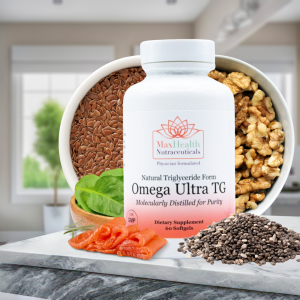
Omega Ultra TG
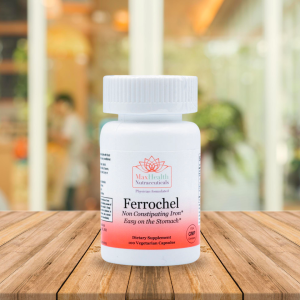
Ferrochel Plus (25mg) 100s

Vitamin D3 5000 IU + K2 CAPSULES 100s

B Coenzyme Methyl Complex
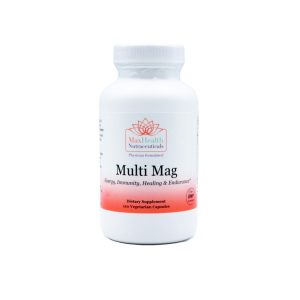
Multi Mag
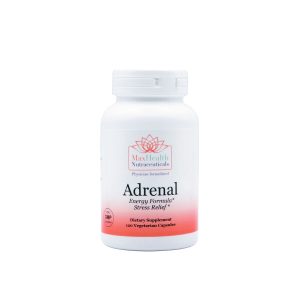
Adrenal (Energy & Stress) 120 Capsules
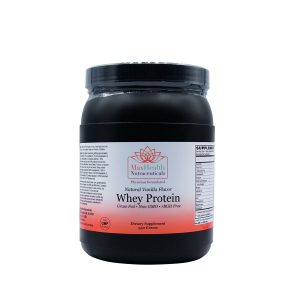
Whey Protein Vanilla 12 oz
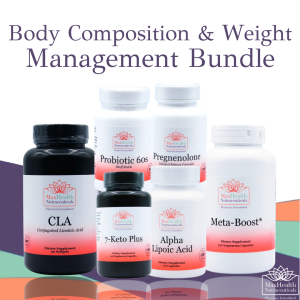
Body Composition & Weight Management Bundle
Disclosure: This post contains affiliate links. If you purchase through these links, we may earn a small commission at no extra cost to you. Learn more.
About the Author
Dr. Nicolle is a double board-certified physician in Family Medicine and Preventive Medicine, with certifications in Functional Medicine and Lifestyle Medicine. She helps busy professionals over 40 optimize their health through root-cause approaches to cardiovascular, hormonal, and metabolic health.
Learn more about Dr. Nicolle →Explore Related Topics
Dive deeper into these connected health areas
Gut Health
Your gut is far more than a digestive organ — it's home to 70% of your immune system, produces key n…
Explore ❤️Metabolic Health
Metabolic health sits at the intersection of blood sugar regulation, cardiovascular function, body c…
Explore 💪Men's Health
Men's health involves a unique interplay of hormonal balance, cardiovascular resilience, metabolic e…
Explore 🧠Mental Health
Mental health is deeply interconnected with hormonal balance, gut health, blood sugar regulation, an…
Explore 📖Skin & Hair Health
Your skin and hair are windows into your internal health. Chronic acne, eczema, psoriasis, and hair …
ExploreReady to Address Your Health Concerns?
Book a Discovery Offer consultation to discuss how our functional medicine approach can help you achieve your health goals.
Book Your Discovery Offer