Burnout Recovery: Restore Your Nervous System & Energy

- Burnout is a measurable physiological breakdown of the HPA axis stress response system — not just 'being tired.'
- It progresses through three stages: alarm (high cortisol), resistance (dysregulated cortisol), and exhaustion (blunted cortisol).
- The downstream effects cascade across immune, gut, hormonal, cognitive, and metabolic systems.
- Recovery requires removing the primary stressor, repairing the HPA axis with adaptogens and nutrients, and rebuilding resilience gradually.
- High-intensity exercise during burnout recovery worsens HPA axis dysfunction — gentle movement only until cortisol normalizes.
I treated a physician last year — the irony wasn't lost on either of us. She came in saying, "I know exactly what's wrong with me. I just can't fix it myself." She was sleeping nine hours and waking up exhausted. She'd cry in her car before walking into the hospital. She couldn't remember the last time she laughed spontaneously. She'd been the top performer in her department for a decade, and now she was counting the hours until she could lie down. Her cortisol curve was completely flat — her body had stopped producing an appropriate stress response altogether.
She wasn't depressed, though it looked like it. She was burnt out. And there's a critical difference.
The World Health Organization officially classified burnout as an "occupational phenomenon" in 2019, defining it as chronic workplace stress that has not been successfully managed (1). But from a functional medicine perspective, burnout is a systemic breakdown of the body's stress response system — the HPA (hypothalamic-pituitary-adrenal) axis — with downstream effects on hormones, immune function, gut health, and brain chemistry.
The Three Dimensions of Burnout
Burnout isn't simply "being tired." Research identifies three core dimensions (2):
1. Emotional exhaustion: Feeling drained, depleted, and unable to recover
2. Depersonalization/cynicism: Detachment from work, relationships, and activities you once enjoyed
3. Reduced personal accomplishment: Feeling ineffective, questioning your competence, losing motivation
Burnout and depression share overlapping symptoms but are distinct conditions. Burnout is context-specific (usually work-related) and driven by HPA axis dysregulation, while depression is pervasive and involves broader neurotransmitter dysfunction. However, prolonged burnout significantly increases the risk of developing clinical depression.
The Physiology of Burnout: What Happens Inside
Stage 1: Alarm (High Cortisol)
In early-stage burnout, your cortisol is chronically elevated. You feel "wired but tired" — anxious, unable to relax, sleeping poorly, gaining weight around the midsection.
Stage 2: Resistance (Cortisol Dysregulation)
Your HPA axis begins to lose its rhythm. Cortisol may be high at night (causing insomnia) and low in the morning (causing difficulty waking). You rely heavily on caffeine and sugar to function.
Stage 3: Exhaustion (Low Cortisol / Adrenal Fatigue)
The HPA axis becomes blunted. Cortisol output drops. You experience profound fatigue, brain fog, low motivation, frequent illness, and emotional flatness. This is where many people finally seek help — often after months or years in stages 1 and 2.
| Stage | Cortisol Pattern | Key Symptoms | Priority Intervention |
|---|---|---|---|
| Alarm | Elevated throughout the day | Anxiety, insomnia, weight gain, racing thoughts | Cortisol-lowering: phosphatidylserine, ashwagandha |
| Resistance | Dysregulated rhythm | Afternoon crashes, caffeine dependence, mood swings | Rhythm restoration: light exposure, meal timing |
| Exhaustion | Blunted / low throughout | Profound fatigue, brain fog, emotional numbness, frequent illness | HPA axis repair: adaptogens, B vitamins, rest |
The Downstream Effects
Burnout doesn't stay in the adrenals. It cascades across every system:
- Immune suppression: Chronic cortisol dysregulation impairs immune surveillance, increasing susceptibility to infections and autoimmune flares
- Gut dysfunction: Stress directly increases intestinal permeability (leaky gut), alters the microbiome, and worsens gut inflammation
- Hormonal disruption: Cortisol steals pregnenolone from sex hormone production ("pregnenolone steal"), causing low testosterone, estrogen imbalance, and menstrual irregularities
- Cognitive decline: Chronic stress shrinks the hippocampus and prefrontal cortex, impairing memory, decision-making, and emotional regulation
- Metabolic disruption: Elevated cortisol drives insulin resistance, belly fat accumulation, and carbohydrate cravings
The Recovery Protocol
I won't sugarcoat this: burnout recovery is slow, and that's the hardest part for the high-achievers who are most prone to it. These are people who are used to attacking problems aggressively. But you can't push your way out of burnout — that's what got you here. I tell my patients: "The speed of your recovery is proportional to how well you can tolerate doing less." It's uncomfortable. It works.
Phase 1: Protect and Rest (Weeks 1–4)
- Remove or reduce the primary stressor — this is non-negotiable
- Prioritize sleep: 8–9 hours, consistent schedule, no screens 90 minutes before bed
- Eliminate caffeine (or reduce to 1 cup before noon)
- Anti-inflammatory nutrition: Remove processed foods, sugar, alcohol
- Begin adaptogens: Ashwagandha (300–600 mg/day), rhodiola (200–400 mg/day)
- Magnesium glycinate (400–600 mg before bed) for sleep and nervous system support
Phase 2: Repair and Rebuild (Weeks 4–12)
- Test cortisol rhythm: 4-point salivary cortisol or DUTCH test to guide treatment
- Support B vitamin status: B-complex with active forms (methylfolate, P5P, methylcobalamin)
- Heal the gut: Probiotics, L-glutamine, bone broth for intestinal repair
- Gentle movement only: Walking, yoga, stretching — no high-intensity exercise until cortisol normalizes
- Nervous system regulation: Breathwork, vagal toning exercises, meditation
Phase 3: Rebuild Resilience (Months 3–6+)
- Gradually reintroduce exercise: Start with resistance training, then add moderate cardio
- Address hormonal downstream effects: Test and support sex hormones if needed
- Establish sustainable boundaries: Structural changes to prevent recurrence
- Optimize sleep quality with ongoing support
Burnout recovery isn't about "pushing through" — it's about systematically repairing a broken stress response system. The physiological damage is real, measurable, and reversible with the right approach.
References
- World Health Organization. Burn-out an "occupational phenomenon": International Classification of Diseases. Published May 28, 2019.
- Maslach C, Leiter MP. Understanding the burnout experience: recent research and its implications. World Psychiatry. 2016;15(2):103-111.
- Oosterholt BG, Maes JH, Van der Linden D, et al. Burnout and cortisol: evidence for a lower cortisol awakening response in both clinical and non-clinical burnout. Journal of Psychosomatic Research. 2015;78(5):445-451.
- Danhof-Pont MB, van Veen T, Zitman FG. Biomarkers in burnout: a systematic review. Journal of Psychosomatic Research. 2011;70(6):505-524.
- Juster RP, Sindi S, Marin MF, et al. A clinical allostatic load index is associated with burnout symptoms. Psychoneuroendocrinology. 2011;36(6):797-805.
- Lennartsson AK, Sjörs A, Jonsdottir IH. Burnout and hippocampal volume. Biological Psychology. 2015;109:68-72.
Supplements for Mental Wellness
Clinical-grade picks for this topic
Affiliate disclosure: The product links below are affiliate links — we may earn a commission at no extra cost to you. Recommendations are based on clinical use, not commissions. Learn more.
Frequently Asked Questions
Common questions about burnout recovery: restore your nervous system & energy
Recommended Supplements
Professional-grade supplements from my MaxHealth Nutraceuticals line — the same formulas I use in clinical practice.

Red Light Face Mask

Inner Balance™ Coherence Plus

Thera360 PLUS Portable Sauna

SMART Resistance Training Bundle

SMART Yoga Mat (Green)
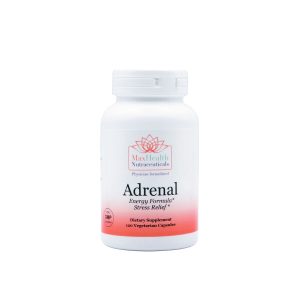
Adrenal (Energy & Stress) 120 Capsules

B Coenzyme Methyl Complex
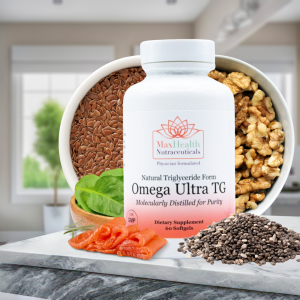
Omega Ultra TG
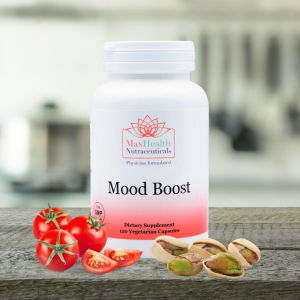
Mood Boost 120s
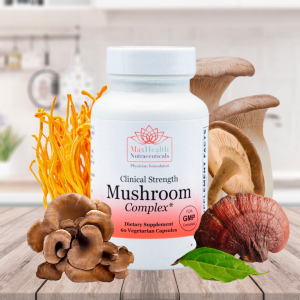
Mushroom Complex 60s
Stress Balance
Stress Release Bundle

Memory Support Bundle
Disclosure: This post contains affiliate links. If you purchase through these links, we may earn a small commission at no extra cost to you. Learn more.
About the Author
Dr. Nicolle is a double board-certified physician in Family Medicine and Preventive Medicine, with certifications in Functional Medicine and Lifestyle Medicine. She helps busy professionals over 40 optimize their health through root-cause approaches to cardiovascular, hormonal, and metabolic health.
Learn more about Dr. Nicolle →Explore Related Topics
Dive deeper into these connected health areas
Hormone Health
Hormones are the chemical messengers that regulate virtually every process in your body — from metab…
Explore 🦠Gut Health
Your gut is far more than a digestive organ — it's home to 70% of your immune system, produces key n…
Explore ❤️Metabolic Health
Metabolic health sits at the intersection of blood sugar regulation, cardiovascular function, body c…
Explore 🌸Women's Health
Women's health encompasses a complex interplay of hormonal cycles, reproductive biology, and unique …
Explore 💪Men's Health
Men's health involves a unique interplay of hormonal balance, cardiovascular resilience, metabolic e…
Explore 📖Skin & Hair Health
Your skin and hair are windows into your internal health. Chronic acne, eczema, psoriasis, and hair …
ExploreReady to Address Your Health Concerns?
Book a Discovery Offer consultation to discuss how our functional medicine approach can help you achieve your health goals.
Book Your Discovery Offer