Seasonal Affective Disorder: Light, Mood & Brain Chemistry

- SAD is a neuroendocrine condition driven by reduced light exposure — not a character flaw or 'just winter blues.'
- Winter light deprivation decreases serotonin, increases melatonin, depletes vitamin D, and disrupts circadian rhythms simultaneously.
- Women are 4x more likely to develop SAD due to estrogen's role in serotonin receptor sensitivity.
- 10,000 lux light therapy within 30 minutes of waking is the evidence-based first-line treatment.
- Targeting all four pathways (serotonin, melatonin, vitamin D, circadian clock) simultaneously is more effective than any single intervention.
I used to think I was immune to seasonal mood changes. Then I moved my practice to a new building with fewer windows, and by February of that first year, I caught myself staring at the wall at 3 PM, completely unable to concentrate. My energy was fine in the morning and gone by afternoon. I was craving pasta like it was the only food on earth. It took me — a physician who treats this — an embarrassingly long time to recognize what was happening. That experience made me a much better clinician for my SAD patients, because I stopped underestimating how subtle and insidious it can be.
SAD affects approximately 5% of the U.S. population, with another 10–20% experiencing milder "winter blues" (1). It's not a character flaw or "just getting through winter" — it's a neuroendocrine condition driven by measurable changes in light exposure, circadian rhythm disruption, and neurotransmitter dysfunction. And functional medicine reveals that certain people are biologically more vulnerable.
The Neuroscience of Light and Mood
Serotonin: The Sunshine Neurotransmitter
Sunlight drives serotonin production through a direct pathway: UV light hitting the retina signals the brain to increase serotonin synthesis. During winter months:
- Serotonin levels drop measurably
- Serotonin transporter (SERT) activity increases (clearing serotonin faster)
- Carbohydrate cravings emerge as the body tries to boost serotonin through tryptophan intake (2)
Melatonin: The Darkness Hormone
Reduced light exposure causes the pineal gland to produce melatonin earlier and for longer periods:
- Excessive melatonin causes daytime sleepiness and lethargy
- Sleep architecture shifts toward longer, less restorative sleep
- Circadian phase delay makes mornings especially difficult
Vitamin D: More Than a Vitamin
Vitamin D functions as a neurosteroid hormone in the brain. Winter's reduced UVB exposure causes vitamin D levels to plummet, and low vitamin D is independently associated with depression risk. Vitamin D receptors are dense in brain regions involved in mood regulation (3).
| Pathway | Winter Change | Resulting Symptoms |
|---|---|---|
| Serotonin | ⬇ Production, ⬆ clearance | Low mood, carb cravings, irritability |
| Melatonin | ⬆ Duration, earlier onset | Excessive sleepiness, lethargy, fatigue |
| Vitamin D | ⬇ Dramatically (30–70%) | Depression, immune suppression, fatigue |
| Circadian Clock | Phase delay / misalignment | Difficulty waking, poor sleep quality |
Who Is Most Vulnerable?
Genetic Factors
- SERT gene variants: Affect serotonin transporter efficiency
- Melanopsin gene (OPN4): Variations affect retinal light sensitivity
- CLOCK gene polymorphisms: Influence circadian rhythm robustness
- MTHFR variants: Impair methylation and neurotransmitter synthesis
Hormonal Factors
Women are 4x more likely to develop SAD than men. Estrogen modulates serotonin receptor sensitivity, and hormonal fluctuations during perimenopause can dramatically worsen seasonal mood changes.
Pre-Existing Conditions
- Gut dysbiosis (gut produces 95% of serotonin)
- Thyroid dysfunction (particularly hypothyroidism)
- Insulin resistance (impairs glucose delivery to the brain)
- Chronic inflammation (disrupts neurotransmitter synthesis)
The Comprehensive Treatment Protocol
1. Light Therapy (First-Line)
- 10,000 lux light therapy box within 30 minutes of waking
- Duration: 20–30 minutes daily
- Position: 16–24 inches from face, light entering at a downward angle
- Start in early autumn *before* symptoms develop for prevention
- Combine with dawn simulation alarm clocks
2. Nutritional Optimization
- Vitamin D3 (5,000–10,000 IU daily with K2, dose based on blood levels; target 60–80 ng/mL)
- Omega-3 fatty acids (2,000–3,000 mg EPA/DHA — EPA particularly important for mood)
- B vitamins (methylated B-complex for neurotransmitter synthesis)
- Magnesium (glycinate or threonate, 400–600 mg)
- 5-HTP or tryptophan (serotonin precursors, use with caution if on SSRIs)
- Vitamin B12 (methylcobalamin, especially important for energy)
3. Movement and Nature Exposure
- Outdoor exercise during daylight hours (even cloudy days provide 10,000+ lux)
- Morning walks within 1 hour of sunrise
- Regular exercise (30+ minutes most days) increases serotonin and BDNF
4. Circadian Rhythm Optimization
- Consistent wake time (even weekends) within 30 minutes
- Morning bright light exposure immediately upon waking
- Dim lights and avoid screens 2 hours before bed
- Sleep hygiene optimization
5. Gut-Brain Axis Support
Since the gut produces 95% of serotonin, gut health is directly relevant:
- Probiotic strains that support serotonin: *L. rhamnosus*, *B. longum*
- Anti-inflammatory nutrition to reduce gut inflammation
- Address any SIBO or dysbiosis contributing to reduced neurotransmitter production
SAD is not "just winter blues" — it's a measurable neuroendocrine condition driven by light deprivation, serotonin disruption, melatonin excess, and vitamin D deficiency. The combination of light therapy, targeted nutrition, movement, and circadian rhythm optimization is more effective than any single intervention alone.
References
- Kurlansik SL, Ibay AD. Seasonal affective disorder. American Family Physician. 2012;86(11):1037-1041.
- Praschak-Rieder N, Willeit M, Wilson AA, et al. Seasonal variation in human brain serotonin transporter binding. Archives of General Psychiatry. 2008;65(9):1072-1078.
- Penckofer S, Kouba J, Byrn M, et al. Vitamin D and depression: where is all the sunshine? Issues in Mental Health Nursing. 2010;31(6):385-393.
- Lam RW, Levitt AJ, Levitan RD, et al. Efficacy of bright light treatment, fluoxetine, and the combination in patients with nonseasonal major depressive disorder. JAMA Psychiatry. 2016;73(1):56-63.
- Melrose S. Seasonal affective disorder: an overview of assessment and treatment approaches. Depression Research and Treatment. 2015;2015:178564.
Supplements for Mental Wellness
Clinical-grade picks for this topic

Red Light Face Mask
$415.00

Thera360 PLUS Portable Sauna
$1,428.00
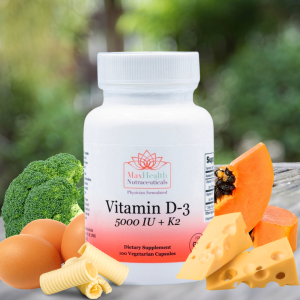
Vitamin D3 5000 IU + K2 CAPSULES 100s
$34.00
Affiliate disclosure: The product links below are affiliate links — we may earn a commission at no extra cost to you. Recommendations are based on clinical use, not commissions. Learn more.
Frequently Asked Questions
Common questions about seasonal affective disorder: light, mood & brain chemistry
Recommended Supplements
Professional-grade supplements from my MaxHealth Nutraceuticals line — the same formulas I use in clinical practice.
Red Light Face Mask
Thera360 PLUS Portable Sauna
Vitamin D3 5000 IU + K2 CAPSULES 100s
Mood Boost 120s
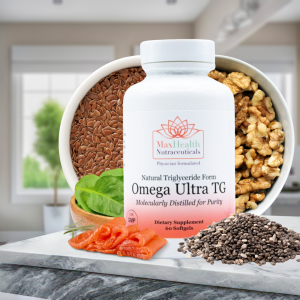
Omega Ultra TG
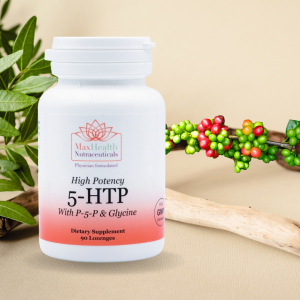
5-HTP 90s (with P5P & Glycine)
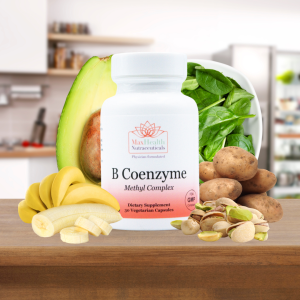
B Coenzyme Methyl Complex
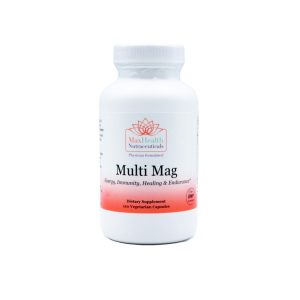
Multi Mag
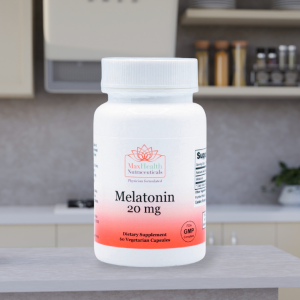
Melatonin 20mg 60s (Capsules)
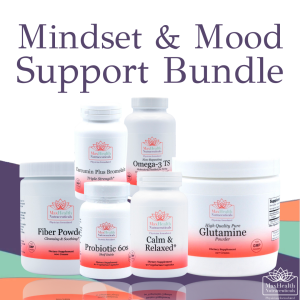
Mindset & Mood Support Bundle
Disclosure: This post contains affiliate links. If you purchase through these links, we may earn a small commission at no extra cost to you. Learn more.
About the Author
Dr. Nicolle is a double board-certified physician in Family Medicine and Preventive Medicine, with certifications in Functional Medicine and Lifestyle Medicine. She helps busy professionals over 40 optimize their health through root-cause approaches to cardiovascular, hormonal, and metabolic health.
Learn more about Dr. Nicolle →Explore Related Topics
Dive deeper into these connected health areas
Hormone Health
Hormones are the chemical messengers that regulate virtually every process in your body — from metab…
Explore 🦠Gut Health
Your gut is far more than a digestive organ — it's home to 70% of your immune system, produces key n…
Explore ❤️Metabolic Health
Metabolic health sits at the intersection of blood sugar regulation, cardiovascular function, body c…
Explore 🌸Women's Health
Women's health encompasses a complex interplay of hormonal cycles, reproductive biology, and unique …
Explore 💪Men's Health
Men's health involves a unique interplay of hormonal balance, cardiovascular resilience, metabolic e…
Explore 📖Skin & Hair Health
Your skin and hair are windows into your internal health. Chronic acne, eczema, psoriasis, and hair …
ExploreReady to Address Your Health Concerns?
Book a Discovery Offer consultation to discuss how our functional medicine approach can help you achieve your health goals.
Book Your Discovery Offer