Scalp Health & the Microbiome: The Missing Link in Hair Growth

- Your scalp is a living ecosystem — when the microbiome is disrupted by harsh products, stress, antibiotics, or poor diet, inflammation destroys hair follicles from the outside in
- Malassezia yeast overgrowth is the primary driver of dandruff and seborrheic dermatitis, both of which contribute to hair loss through perifollicular microinflammation
- The gut-scalp axis means that intestinal health directly impacts scalp health — leaky gut, SIBO, and dysbiosis can drive scalp inflammation and nutrient malabsorption
- Rosemary oil performed equally to 2% minoxidil in a clinical trial for hair regrowth, with fewer side effects
- A 4-phase protocol (Reset → Repair → Restore → Maintain) addresses both internal and external factors for lasting results
Everyone talks about hair — the products, the supplements, the genetics. But almost nobody talks about the soil the hair grows in. Your scalp is a living ecosystem with its own microbiome, pH balance, sebum regulation, and blood supply. When that ecosystem is disrupted, even the most perfectly optimized nutrient protocol won't produce the hair growth you're looking for.
Think of it this way: you can have the best seeds in the world, but if the soil is contaminated, compacted, or depleted, nothing will grow. The scalp works the same way. And in my clinical practice, I've found that addressing scalp health is the missing piece for patients who've "tried everything" for hair loss with disappointing results.
This guide explores the scalp microbiome, the root causes of scalp dysfunction, and the evidence-based strategies that restore the environment your hair needs to thrive.
The Scalp Microbiome: Your Hair's Hidden Ecosystem
Your scalp is home to a complex community of bacteria, fungi, and mites — collectively known as the scalp microbiome. Just like the gut microbiome, this ecosystem plays a crucial role in health. When it's balanced, your scalp is calm, well-hydrated, and optimally nourished. When it's disrupted, the result is inflammation, excessive shedding, and impaired hair growth.
Key Players in the Scalp Microbiome
- Cutibacterium acnes (C. acnes): Thrives in oily areas; generally protective but can trigger inflammation when overgrown
- Staphylococcus epidermidis: A beneficial commensal bacterium that produces antimicrobial peptides protecting against pathogenic overgrowth
- Malassezia yeasts: A family of lipophilic fungi naturally present on the scalp. Overgrowth of Malassezia is the primary driver of dandruff, seborrheic dermatitis, and follicular inflammation (1)
- Demodex mites: Microscopic mites that inhabit hair follicles. Overpopulation is linked to rosacea and certain types of folliculitis
The scalp has a higher density of sebaceous glands than almost any other part of the body. This creates a lipid-rich environment that uniquely shapes which microorganisms can thrive there — making scalp health a fundamentally different challenge than skin health elsewhere.
What Disrupts the Scalp Microbiome?
The same forces that disrupt gut health can damage the scalp ecosystem:
- Harsh sulfate shampoos strip protective sebum and alter pH, creating conditions favorable to Malassezia overgrowth
- Antibiotic use — oral antibiotics don't just affect your gut; they alter microbial communities across the entire body, including the scalp (2)
- Chronic stress — elevated cortisol increases sebum production, shifts microbial populations, and impairs local immune function
- High-sugar diets — systemic insulin resistance increases androgen activity and sebum production, feeding Malassezia and promoting inflammation
- Environmental toxins — endocrine disruptors, heavy metals, and pollutants accumulate on the scalp and within hair follicles
- Hard water — mineral deposits (calcium, magnesium) create a film on the scalp that disrupts pH and blocks follicles
The Inflammation-Hair Loss Connection
Scalp inflammation is arguably the most underrecognized driver of hair loss. While dermatologists typically focus on pattern hair loss (androgenetic alopecia), microscopic inflammation at the follicular level — called perifollicular microinflammation — is present in the vast majority of hair loss conditions, including types that aren't traditionally considered "inflammatory" (3).
How Scalp Inflammation Destroys Hair
1. Inflammatory cytokines (IL-1, TNF-alpha) attack the hair follicle during the growth (anagen) phase, pushing it prematurely into the resting (telogen) phase
2. Fibrosis — chronic inflammation leads to collagen deposition around the follicle, physically restricting hair growth
3. Impaired blood flow — inflammation constricts the microvasculature that delivers oxygen and nutrients to hair follicles
4. Stem cell damage — the bulge region of the hair follicle contains stem cells essential for regrowth. Chronic inflammation can permanently damage these cells, leading to irreversible loss
Persistent scalp itching, flaking, redness, or tenderness are NOT normal — they are signs of inflammation that, if left untreated, can lead to permanent follicular damage and irreversible hair loss. Don't ignore these signals.
Signs of an Unhealthy Scalp
| Healthy Scalp | Unhealthy Scalp | Possible Cause |
|---|---|---|
| No flaking or buildup | Visible flakes, yellow or white scales | Malassezia overgrowth, seborrheic dermatitis |
| Comfortable, no itching | Persistent itching or burning | Contact dermatitis, fungal infection, inflammation |
| Consistent skin tone | Red patches, blotchiness | Inflammation, psoriasis, allergic reaction |
| Light, balanced oil production | Excessively oily or bone-dry | Hormonal imbalance, overwashing, Malassezia |
| Hair grows at normal rate | Slow growth, miniaturized hairs | Follicular inflammation, nutrient deficiency, DHT |
| Minimal daily shedding (50-100 hairs) | Excessive shedding (>150 hairs daily) | Telogen effluvium, autoimmune, hormonal |
The Gut-Scalp Axis: Why Internal Health Matters
The connection between gut health and scalp health is emerging as one of the most important frontiers in dermatology. This bidirectional communication pathway — the gut-scalp axis — mirrors the well-established gut-skin axis and operates through several mechanisms:
Systemic Inflammation
Intestinal permeability (leaky gut) allows bacterial endotoxins (lipopolysaccharides) to enter the bloodstream, triggering system-wide chronic inflammation that reaches the scalp. Patients with inflammatory bowel conditions have significantly higher rates of alopecia — not coincidentally (4).
Nutrient Malabsorption
Gut dysfunction directly impairs the absorption of every nutrient critical for hair growth: iron, zinc, B12, folate, and omega-3 fatty acids. You can supplement perfectly and still be deficient if your gut isn't absorbing efficiently. SIBO is a particularly common culprit.
Immune Dysregulation
70% of the immune system resides in the gut. When the gut microbiome is imbalanced, immune signaling goes haywire — and the scalp is a frequent target. Alopecia areata, the autoimmune form of hair loss, has strong associations with gut dysbiosis (5).
Hormonal Processing
The gut microbiome plays a role in estrogen metabolism (via the estrobolome) and can influence androgen levels that affect hair follicles. Estrogen dominance caused by impaired gut metabolism can disrupt hair growth cycles.
If you have any digestive symptoms — bloating, irregular bowels, food sensitivities, reflux — addressing gut health should be step one in your hair restoration protocol. The scalp is downstream of the gut.
Evidence-Based Strategies for Scalp Health
1. Reset the Scalp Microbiome
Reduce Malassezia overgrowth:
- Use a gentle, sulfate-free shampoo as your daily cleanser
- Alternate with a 1-2% ketoconazole shampoo 2-3 times per week for 4-6 weeks (the evidence for ketoconazole in hair loss is surprisingly robust — it reduces scalp DHT and inflammation simultaneously) (6)
- Consider tea tree oil (5% concentration) as a natural antimicrobial alternative
Support beneficial scalp bacteria:
- Avoid over-washing — daily shampooing with harsh products destroys the protective microbiome
- Scalp probiotics (topical formulations with Lactobacillus) are emerging but the evidence is early
- Address systemic gut dysbiosis (the most effective way to improve the scalp microbiome is to fix the gut microbiome)
2. Reduce Scalp Inflammation
Topical strategies:
- Rosemary essential oil (diluted in carrier oil) — a 2015 randomized trial found rosemary oil equally effective as 2% minoxidil for androgenetic alopecia after 6 months, with less scalp itching (7)
- Scalp massage — 4 minutes daily has been shown to increase hair thickness by improving blood flow and mechanically stimulating dermal papilla cells (8)
- Omega-3 fatty acids — both oral supplementation and topical application reduce scalp inflammation
Internal strategies:
- Anti-inflammatory diet — reduce refined sugars, seed oils, and processed foods that drive systemic inflammation
- Address insulin resistance — hyperinsulinemia directly increases scalp sebum production and androgen activity
- Manage stress — chronic stress is one of the most potent triggers of scalp inflammation and hair shedding
3. Optimize Blood Flow to the Scalp
Hair follicles are metabolically active and require robust blood supply:
- Scalp massage: 4 minutes daily, using fingertips (not nails) in circular motions
- Exercise: Regular cardiovascular activity improves microcirculation throughout the body, including the scalp. The exercise-hormone connection also helps normalize androgens
- Ginkgo biloba: May improve peripheral circulation, though evidence specific to scalp blood flow is limited
- Avoid tight hairstyles: Traction alopecia from chronically tight ponytails, braids, or extensions causes mechanical damage to follicles
4. Support the Scalp Barrier
The scalp's acid mantle (optimal pH 4.5-5.5) is your first line of defense:
- Choose pH-balanced hair products (most commercial shampoos are pH 6-7, which is too alkaline)
- Apple cider vinegar rinses (1 tablespoon per cup of water) can help restore scalp pH
- Avoid excessive heat styling — heat above 180°C/356°F damages the cuticle and scalp barrier
- Consider a shower filter if you have hard water — mineral deposits disrupt scalp pH
5. Address the Root Causes from Within
No topical strategy will overcome internal dysfunction. The most effective scalp health protocol combines external care with:
- Comprehensive lab testing to identify nutrient deficiencies, thyroid dysfunction, and hormonal imbalances
- Evidence-based supplementation targeted to your specific deficiencies
- Gut healing to restore nutrient absorption and reduce systemic inflammation
- Hormonal optimization to address androgen excess or other imbalances
The Complete Scalp Health Protocol
| Phase | Duration | Focus | Key Actions |
|---|---|---|---|
| Phase 1: Reset | Weeks 1-4 | Remove disruptions | Switch to sulfate-free products, anti-fungal shampoo 2-3x/week, eliminate irritants |
| Phase 2: Repair | Weeks 4-12 | Reduce inflammation | Rosemary oil, scalp massage, anti-inflammatory nutrition, begin targeted supplements |
| Phase 3: Restore | Months 3-6 | Rebuild microbiome & follicle health | Gut healing protocol, full supplement protocol, scalp probiotic support |
| Phase 4: Maintain | Ongoing | Sustain results | Maintenance supplementation, quarterly labs, gentle scalp care routine |
When to Seek Professional Help
Scalp health issues that warrant professional evaluation:
- Rapid, patchy hair loss — may indicate alopecia areata or other autoimmune conditions
- Scalp pain or burning — can signal inflammation or nerve involvement
- Visible scarring or smooth bald patches — cicatricial (scarring) alopecias require urgent treatment to prevent permanent loss
- Persistent dandruff or seborrheic dermatitis that doesn't respond to over-the-counter treatments
- Any changes in moles or lesions on the scalp
Our Hair & Scalp Restoration Program addresses both the internal and external factors driving hair loss — from comprehensive lab testing and personalized supplementation to scalp microbiome optimization and ongoing monitoring.
---
References
- Xu, Z., et al. (2016). Dandruff is associated with the conjoined interactions between host and microorganisms. Scientific Reports, 6, 24877.
- Weyrich, L.S., et al. (2015). The impact of antibiotics on the human microbiome. Nature Reviews Microbiology, 13, 654-665.
- Mahé, Y.F., et al. (2000). Androgenetic alopecia and microinflammation. International Journal of Dermatology, 39(8), 576-584.
- Rebello, D., et al. (2021). Hair loss in patients with inflammatory bowel disease. Inflammatory Bowel Diseases, 27(5), 757-770.
- Borde, A., & Bhongade, M. (2019). Alopecia areata and the gut: A systematic review. Journal of the American Academy of Dermatology, 81(4), AB107.
- Hugo Perez, B.S. (2004). Ketocazole as an adjunct to finasteride in the treatment of androgenetic alopecia in men. Medical Hypotheses, 62(1), 112-115.
- Panahi, Y., et al. (2015). Rosemary oil vs minoxidil 2% for the treatment of androgenetic alopecia: a randomized comparative trial. SkinMed, 13(1), 15-21.
- Koyama, T., et al. (2016). Standardized scalp massage results in increased hair thickness by inducing stretching forces to dermal papilla cells. ePlasty, 16, e8.
Recommended Supplements
Clinical-grade picks for this topic
Affiliate disclosure: The product links below are affiliate links — we may earn a commission at no extra cost to you. Recommendations are based on clinical use, not commissions. Learn more.
Frequently Asked Questions
Common questions about scalp health & the microbiome: the missing link in hair growth
Recommended Supplements
Professional-grade supplements from my MaxHealth Nutraceuticals line — the same formulas I use in clinical practice.

Theradome PRO LH80 Laser Helmet

Red Light Face Mask

SMART Yoga Mat (Green)

Austin Air HealthMate Plus®
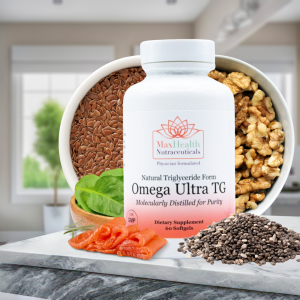
Omega Ultra TG
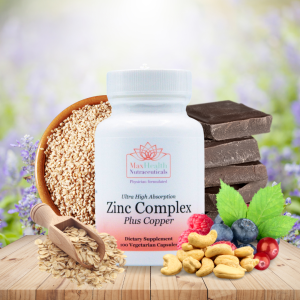
Zinc Complex Plus Copper
Probiotic 40 Billion CFU – 60s (shelf stable)
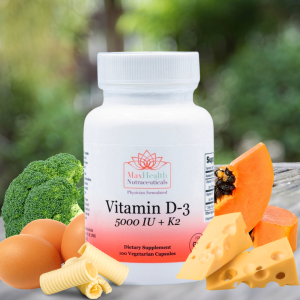
Vitamin D3 5000 IU + K2 CAPSULES 100s
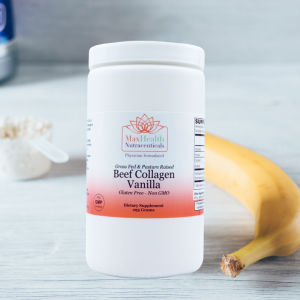
Beef Collagen Vanilla
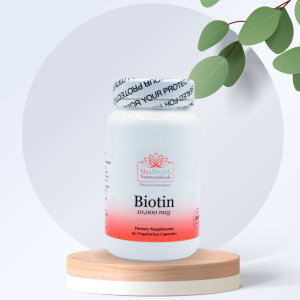
Biotin 10,000 90s
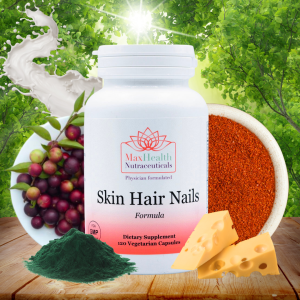
Skin Hair Nails Formula 120s
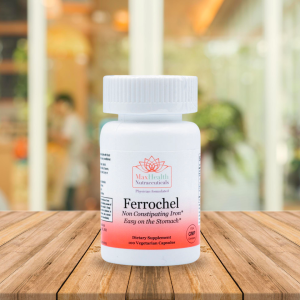
Ferrochel Plus (25mg) 100s
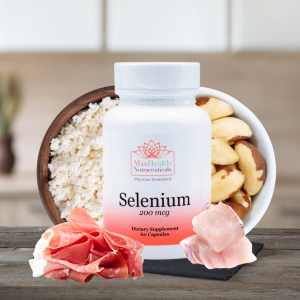
Selenium 200mcg 60s
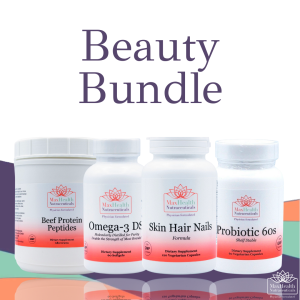
Beauty Bundle
Disclosure: This post contains affiliate links. If you purchase through these links, we may earn a small commission at no extra cost to you. Learn more.
About the Author
Dr. Nicolle is a double board-certified physician in Family Medicine and Preventive Medicine, with certifications in Functional Medicine and Lifestyle Medicine. She helps busy professionals over 40 optimize their health through root-cause approaches to cardiovascular, hormonal, and metabolic health.
Learn more about Dr. Nicolle →Explore Related Topics
Dive deeper into these connected health areas
Hormone Health
Hormones are the chemical messengers that regulate virtually every process in your body — from metab…
Explore ❤️Metabolic Health
Metabolic health sits at the intersection of blood sugar regulation, cardiovascular function, body c…
Explore 💪Men's Health
Men's health involves a unique interplay of hormonal balance, cardiovascular resilience, metabolic e…
Explore 🧠Mental Health
Mental health is deeply interconnected with hormonal balance, gut health, blood sugar regulation, an…
ExploreReady to Address Your Health Concerns?
Book a Discovery Offer consultation to discuss how our functional medicine approach can help you achieve your health goals.
Book Your Discovery Offer