Exercise and Hormones: How Workouts Shape Hormonal Health

- Every workout is a hormonal event — the type, intensity, and duration of exercise directly shapes testosterone, cortisol, insulin, estrogen, thyroid, and growth hormone levels
- Overtraining and chronic high-intensity exercise can suppress testosterone, elevate cortisol, impair thyroid function, and worsen hormonal imbalances
- The right exercise prescription depends on your current hormonal state — high cortisol, low testosterone, insulin resistance, and thyroid dysfunction all require different training approaches
- Recovery (sleep, nutrition, rest days) is where hormonal adaptation actually happens — without it, exercise becomes a net negative
Your workout isn't just building muscle or burning calories — it's sending powerful signals to your entire endocrine system. Every rep, every run, every recovery day is a hormonal event. And the type, intensity, duration, and timing of your exercise directly shapes whether those hormonal signals help you heal or push you deeper into imbalance.
This is something I see constantly in my practice: patients who are exercising *hard* but feeling worse. Their cortisol is through the roof, their thyroid is sluggish, their testosterone is dropping, and they can't understand why all their effort isn't translating into results.
The answer is almost always that their exercise is mismatched to their hormonal state.
If you're dealing with active hormonal imbalances — especially adrenal dysfunction, hypothyroidism, or estrogen dominance — more intense exercise is not always better. In fact, it can make things significantly worse. Always align your training with your current hormonal status.
The Hormonal Response to Exercise
Every form of exercise triggers a hormonal cascade. Understanding these responses is key to designing a program that supports rather than sabotages your health.
Cortisol: The Double-Edged Sword
Exercise is a stressor — and that's not inherently bad. Acute cortisol elevation during a workout is normal and necessary for energy mobilization, inflammation control, and adaptation. The problem is when exercise becomes a *chronic* stressor layered on top of an already overtaxed system.
- Moderate exercise (30–45 minutes): Healthy cortisol spike followed by recovery
- Prolonged intense exercise (60+ minutes at high intensity): Extended cortisol elevation that can suppress immune function, impair thyroid conversion, and promote visceral fat storage
- Overtraining: Chronic cortisol elevation leading to HPA axis dysfunction, poor recovery, insomnia, and hormonal suppression
The cortisol response to exercise is cumulative with life stress. A HIIT workout that's perfectly healthy for someone with low life stress may be the tipping point for someone managing a demanding job, poor sleep, and family obligations. Context matters more than the workout itself.
Testosterone
Resistance training is one of the most powerful natural testosterone boosters for both men and women. But the effect depends on the specifics:
- Compound lifts (squats, deadlifts, presses) using moderate-to-heavy loads with adequate rest between sets produce the strongest testosterone response
- High-volume training with short rest periods may initially boost testosterone but can suppress it chronically through elevated cortisol
- Endurance training (long-distance running, cycling) at high volumes is consistently associated with lower testosterone levels in both sexes
- Recovery is when testosterone actually rises — overtraining without adequate rest suppresses it
| Exercise Type | Testosterone Effect | Best For |
|---|---|---|
| Heavy compound lifts | Strong acute increase | Men and women seeking hormone optimization |
| HIIT (under 30 min) | Moderate increase | Metabolic health, time-efficient training |
| Moderate cardio (30–45 min) | Neutral to slight increase | Cardiovascular health, stress management |
| Long endurance (60+ min) | Can decrease chronically | Endurance athletes (with hormone monitoring) |
| Overtraining | Suppressed | Nobody — this is a warning sign |
Estrogen and Progesterone
For women, exercise has a nuanced relationship with reproductive hormones:
- Moderate exercise supports healthy estrogen metabolism and helps the liver clear excess estrogen — directly relevant for women with estrogen dominance
- Intense exercise can disrupt the menstrual cycle, suppress progesterone, and even cause hypothalamic amenorrhea (loss of periods) through excessive caloric deficit and cortisol elevation
- Strength training supports bone density, which is critical during perimenopause and menopause when declining estrogen increases osteoporosis risk
- Seed cycling combined with cycle-synced exercise can optimize hormonal balance throughout the menstrual cycle
Insulin and Blood Sugar
Exercise is one of the most powerful tools for improving insulin sensitivity:
- Resistance training increases GLUT4 transporters on muscle cells, allowing muscles to absorb glucose without insulin for up to 48 hours post-workout
- Walking after meals (even 10–15 minutes) significantly blunts post-meal blood sugar spikes
- HIIT improves insulin sensitivity more efficiently than steady-state cardio in time-matched studies
- Consistency matters more than intensity: Regular moderate exercise outperforms sporadic intense workouts for long-term blood sugar regulation
You don't need to crush yourself in the gym to improve insulin sensitivity. A 15-minute walk after each meal can reduce post-meal glucose spikes by 30–50% — and it's sustainable for life.
Thyroid Function
The thyroid-exercise relationship is one of the most misunderstood:
- Moderate exercise supports healthy thyroid function by improving cellular sensitivity to thyroid hormones and supporting T4-to-T3 conversion
- Excessive exercise can suppress thyroid function by elevating reverse T3 (rT3) — the body's "brake pedal" — as a protective mechanism against perceived overexertion
- Patients with Hashimoto's or hypothyroidism often need to reduce exercise intensity during flares and prioritize recovery-based movement
Growth Hormone
Growth hormone (GH) is essential for muscle repair, fat metabolism, and cellular regeneration:
- High-intensity exercise with short rest periods produces the strongest GH response
- Sleep is actually the primary driver of GH release — poor sleep undermines any exercise-induced benefit
- Fasting before morning workouts may enhance GH release, though this needs to be balanced against individual cortisol and blood sugar responses
Exercise Prescriptions by Hormonal State
Not every workout is right for every hormonal profile. Here's how to match your training to your current state:
If Your Cortisol Is High
- Prioritize: Walking, yoga, Pilates, light resistance training, swimming
- Limit: HIIT, long runs, intense boot camps, CrossFit-style WODs
- Focus on: Parasympathetic-activating movement that lowers cortisol rather than amplifying it
If Your Testosterone Is Low
- Prioritize: Heavy compound lifts (3–5 rep ranges), adequate rest between sets (2–3 minutes), progressive overload
- Limit: Chronic cardio (60+ minutes), high-volume training with short rest
- Focus on: Recovery, sleep, and ensuring caloric sufficiency
If You Have Insulin Resistance
- Prioritize: Resistance training 3–4x/week, post-meal walks, HIIT 1–2x/week
- Limit: Sedentary behavior (sitting for prolonged periods)
- Focus on: Building muscle mass (the largest insulin-sensitive organ in your body) and movement throughout the day
If You're in Perimenopause or Menopause
- Prioritize: Strength training for bone density and metabolism, moderate cardio for cardiovascular health
- Limit: Extreme caloric restriction combined with intense exercise
- Focus on: Hormone-supportive nutrition, adequate protein (1.0–1.2g/kg), and recovery
If Your Thyroid Is Sluggish
- Prioritize: Moderate resistance training, walking, gentle movement
- Limit: Long-duration intense cardio, daily HIIT
- Focus on: Supporting thyroid conversion through adequate nutrition, selenium, zinc, and iodine
The Recovery Equation
Recovery is where hormonal adaptation actually happens. Without adequate recovery, exercise becomes a net negative for hormonal health.
Non-Negotiable Recovery Factors
- Sleep: 7–9 hours. This is when growth hormone peaks, cortisol resets, and muscle repair occurs
- Nutrition: Adequate protein (0.8–1.2g per pound of lean body mass), anti-inflammatory foods, and sufficient calories
- Stress management: If life stress is high, training volume should come down — not up
- Rest days: At minimum 2 per week for most people. Active recovery (walking, stretching, light yoga) counts
The Bottom Line
Exercise is medicine — but like any medicine, the dose matters. The right workout program matched to your hormonal state can accelerate healing, optimize body composition, and restore energy. The wrong one can deepen imbalances and leave you wondering why nothing is working.
If you're exercising consistently but not seeing results — or if you're feeling *worse* — the issue isn't your willpower. It's likely a mismatch between your training and your hormonal reality. Start with testing, match your movement to your biology, and respect the recovery equation.
References
- Hackney AC, Lane AR. Exercise and the regulation of endocrine hormones. Progress in Molecular Biology and Translational Science. 2015;135:293-311. https://doi.org/10.1016/bs.pmbts.2015.07.001
- Kraemer WJ, Ratamess NA. Hormonal responses and adaptations to resistance exercise and training. Sports Medicine. 2005;35(4):339-361. https://doi.org/10.2165/00007256-200535040-00004
- Cadegiani FA, Kater CE. Hormonal aspects of overtraining syndrome: a systematic review. BMC Sports Science, Medicine and Rehabilitation. 2017;9:14. https://doi.org/10.1186/s13102-017-0079-8
- Colberg SR, et al. Physical activity/exercise and diabetes: a position statement of the American Diabetes Association. Diabetes Care. 2016;39(11):2065-2079. https://doi.org/10.2337/dc16-1728
- Hackney AC. Hypogonadism in exercising males: dysfunction or adaptive-Loss mechanism? Frontiers in Endocrinology. 2020;11:11. https://doi.org/10.3389/fendo.2020.00011
- Sato K, et al. Resistance training restores muscle sex steroid hormone steroidogenesis in older men. FASEB Journal. 2014;28(4):1891-1897. https://doi.org/10.1096/fj.13-245480
Supplements for Hormone Optimization
Clinical-grade picks for this topic

Inner Balance™ Coherence Plus
$249.00

Thera360 PLUS Portable Sauna
$1,428.00

SMART Resistance Training Bundle
$54.99
Affiliate disclosure: The product links below are affiliate links — we may earn a commission at no extra cost to you. Recommendations are based on clinical use, not commissions. Learn more.
Frequently Asked Questions
Common questions about exercise and hormones: how workouts shape hormonal health
Recommended Supplements
Professional-grade supplements from my MaxHealth Nutraceuticals line — the same formulas I use in clinical practice.
Inner Balance™ Coherence Plus
Thera360 PLUS Portable Sauna
SMART Resistance Training Bundle

SMART Yoga Mat (Green)
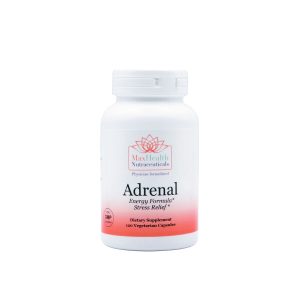
Adrenal (Energy & Stress) 120 Capsules
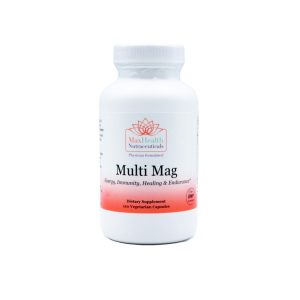
Multi Mag
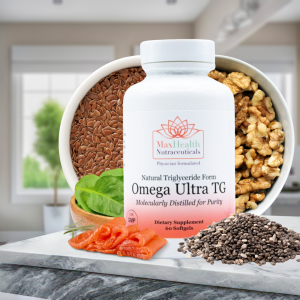
Omega Ultra TG
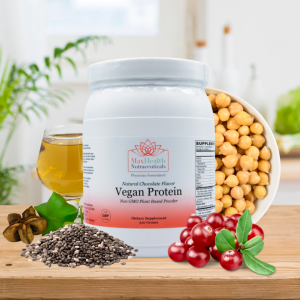
Vegan Protein Chocolate 510 Grams
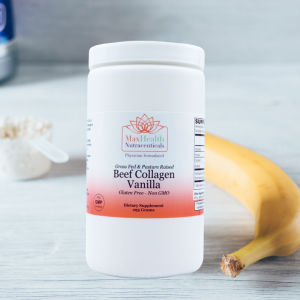
Beef Collagen Vanilla
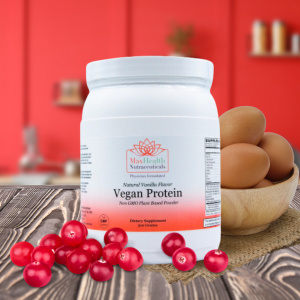
Vegan Protein Vanilla 510 Grams
Whey Protein Vanilla 12 oz
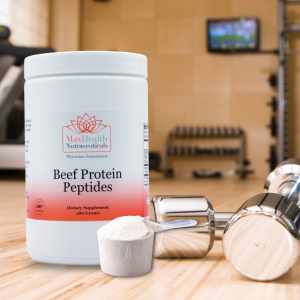
Beef Protein Peptides 280 Grams
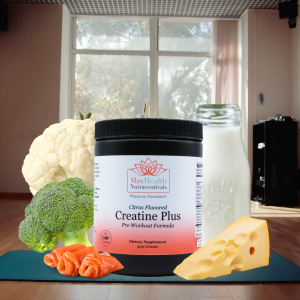
Creatine Plus (Pre Workout Formula)
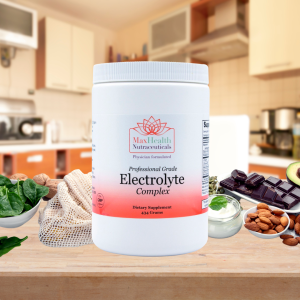
Electrolyte Complex 60s 394gms
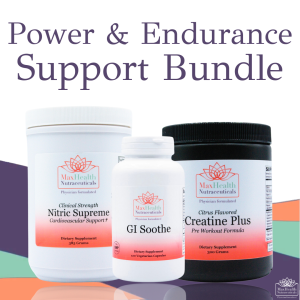
Power and Endurance Bundle
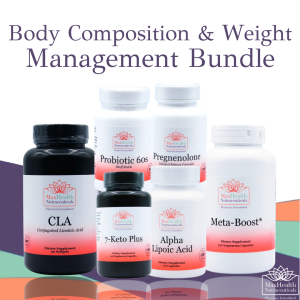
Body Composition & Weight Management Bundle
Disclosure: This post contains affiliate links. If you purchase through these links, we may earn a small commission at no extra cost to you. Learn more.
About the Author
Dr. Nicolle is a double board-certified physician in Family Medicine and Preventive Medicine, with certifications in Functional Medicine and Lifestyle Medicine. She helps busy professionals over 40 optimize their health through root-cause approaches to cardiovascular, hormonal, and metabolic health.
Learn more about Dr. Nicolle →Explore Related Topics
Dive deeper into these connected health areas
Gut Health
Your gut is far more than a digestive organ — it's home to 70% of your immune system, produces key n…
Explore ❤️Metabolic Health
Metabolic health sits at the intersection of blood sugar regulation, cardiovascular function, body c…
Explore 🧠Mental Health
Mental health is deeply interconnected with hormonal balance, gut health, blood sugar regulation, an…
Explore 📖Skin & Hair Health
Your skin and hair are windows into your internal health. Chronic acne, eczema, psoriasis, and hair …
ExploreReady to Address Your Health Concerns?
Book a Discovery Offer consultation to discuss how our functional medicine approach can help you achieve your health goals.
Book Your Discovery Offer