On a GLP-1? How to Maximize Results & Protect Health

- Up to 40% of weight lost on GLP-1 medications is lean mass, not fat — resistance training and high protein intake are medically necessary, not optional
- Target 1.0-1.2g protein per pound of ideal body weight daily, prioritizing protein-first eating at every meal
- Comprehensive lab monitoring (metabolic panel, DEXA, thyroid, nutrients, hormones) should occur at baseline, 3 months, 6 months, then biannually
- An exit strategy — including gradual taper, metabolic preparation, and behavioral habit formation — should begin the day you start the medication
- Patients who discontinue GLP-1s without adequate preparation regain approximately two-thirds of lost weight within one year
You took the step. You started semaglutide or tirzepatide, the weight is coming off, and maybe for the first time in years, you feel like you're actually winning. The food noise has quieted. Your clothes fit differently. Your labs are improving.
But here's what concerns me as a physician: most patients on GLP-1 medications aren't getting the support they need to succeed *long-term*. The prescription is the easy part. What happens alongside that weekly injection — your nutrition, your muscle mass, your micronutrient status, your exit strategy — that's what determines whether you keep the weight off or end up right back where you started.
If you haven't read our comprehensive overview of GLP-1 medications, start there for the basics on how these drugs work, who they're right for, and what to expect. This guide picks up where that one leaves off: you're already on the medication, and now you need to optimize everything around it.
The Hidden Risks Nobody's Talking About
Let me be direct: GLP-1 medications work. The clinical data is impressive. But the way most patients are managed — a prescription and a "see you in three months" — sets them up for problems that don't show up until months or years later.
Muscle Mass Loss
This is the issue that keeps me up at night. Studies show that up to 40% of weight lost on GLP-1 medications is lean mass, not fat. The STEP 1 trial found that semaglutide patients lost an average of 15% body weight, but body composition analysis revealed significant lean tissue loss alongside fat loss (1).
Why this matters:
- Muscle is your primary metabolic engine — less muscle means a lower resting metabolic rate
- Muscle loss accelerates age-related sarcopenia, increasing fall risk and functional decline
- When you stop the medication, you're more likely to regain weight as fat (not muscle), leaving you metabolically worse off
If you're losing weight on a GLP-1 without a resistance training program, you are almost certainly losing significant muscle mass. This is not optional — it's medically necessary.
Nutrient Deficiencies
When you're eating 40-60% less food, you're getting 40-60% fewer nutrients. The most common deficiencies I see in my GLP-1 patients:
- Protein: Most patients aren't hitting adequate protein targets, accelerating muscle loss
- B vitamins: Particularly B12, since GLP-1 medications slow gastric emptying and may impair absorption
- Iron: Reduced food intake plus potential GI side effects
- Zinc and magnesium: Critical for hormone function, immune health, and hundreds of enzymatic reactions
- Vitamin D: Already deficient in most Americans, compounded by reduced dietary intake
- Calcium: Important for bone density, which can decline during rapid weight loss
Gallbladder Issues
Rapid weight loss is a well-established risk factor for gallstone formation. Clinical trials show a 1.5-2x increased incidence of gallbladder-related events in patients on GLP-1 medications (2). This isn't a reason to avoid the medication, but it is a reason to monitor and take preventive steps.
Metabolic Adaptation
Your body is smart. As you lose weight, your metabolic rate adjusts downward — a phenomenon called metabolic adaptation or "adaptive thermogenesis." Without active strategies to counteract this, you're setting yourself up for a plateau and eventual regain.
The Functional Medicine GLP-1 Protocol
Here's what I do with every patient in my practice who's on a GLP-1 medication. This isn't generic advice — it's a systematic protocol designed to maximize fat loss, preserve muscle, prevent deficiencies, and set you up for long-term success.
Step 1: Protein-First Nutrition Strategy
This is the single most important intervention. When your appetite is suppressed and you're eating less, every bite needs to count. Protein is non-negotiable.
Target: 1.0-1.2 grams of protein per pound of ideal body weight per day
For a patient targeting 150 pounds, that's 150-180 grams of protein daily. Yes, that's a lot when your appetite is suppressed. Here's how to make it work:
- Protein first at every meal: Before vegetables, before grains, before anything else
- Front-load protein at breakfast: 30-40g minimum (eggs, Greek yogurt, protein smoothie)
- Strategic supplementation: A high-quality whey or plant-based protein powder can bridge the gap
- Small, frequent meals: 4-5 smaller meals may be more manageable than 3 larger ones when appetite is minimal
- Prioritize complete proteins: Animal proteins, soy, quinoa, or strategic plant protein combinations
The protein target is not aspirational — it's medicinal. Inadequate protein on a GLP-1 medication virtually guarantees muscle loss, metabolic slowdown, and weight regain after discontinuation.
Step 2: Strategic Resistance Training
You need to be lifting weights. Not optional. Not "when you feel like it." This is as important as the medication itself.
Minimum effective dose: 3 sessions per week of progressive resistance training
- Focus on compound movements: squats, deadlifts, presses, rows, lunges
- Progressive overload: gradually increasing weight, reps, or volume over time
- Adequate rest between sets (2-3 minutes for heavy compound lifts)
- Don't skip lower body — your legs contain your largest muscle groups
If you're new to resistance training, our fitness programs provide structured, physician-designed workout plans. The key is progressive overload: your muscles need a stimulus to justify their metabolic expense, or your body will sacrifice them during weight loss.
Step 3: Comprehensive Lab Monitoring
I order labs at baseline, 3 months, 6 months, and then every 6 months for patients on GLP-1 medications. This isn't standard practice — most prescribers check A1c and maybe a lipid panel. That's not enough.
Essential monitoring panel:
| Test Category | Specific Tests | Why It Matters |
|---|---|---|
| Metabolic Panel | Fasting insulin, glucose, A1c, HOMA-IR | Track insulin sensitivity improvement |
| Body Composition | DEXA scan or InBody analysis | Distinguish fat loss from muscle loss |
| Thyroid | TSH, Free T3, Free T4, Reverse T3 | Weight loss can suppress thyroid function |
| Nutrients | B12, ferritin, Vitamin D, magnesium RBC, zinc | Reduced intake → deficiency risk |
| Hormones | Testosterone (total + free), DHEA-S, cortisol | Rapid weight loss can disrupt hormones |
| Liver & Gallbladder | AST, ALT, GGT, lipase, abdominal ultrasound | Monitor for gallbladder and pancreatic issues |
| Inflammatory Markers | hs-CRP, fasting insulin | Track systemic inflammation improvement |
A DEXA scan before starting GLP-1 therapy and every 6 months thereafter is the gold standard for tracking body composition. Without it, you're guessing about whether you're losing fat or muscle.
Step 4: Targeted Supplementation
Based on lab results and the known nutritional gaps created by reduced food intake, here's what I typically recommend:
- High-quality protein powder: Whey isolate or pea/rice blend (20-40g daily as needed to hit protein targets)
- Magnesium glycinate (400mg nightly): Supports sleep, muscle function, and insulin sensitivity
- Vitamin D3 + K2: Maintain levels at 50-70 ng/mL, especially important during weight loss for bone protection
- B-complex (methylated forms): B12 absorption may be impaired; B6 supports protein metabolism
- Omega-3 fatty acids (2-4g EPA/DHA daily): Anti-inflammatory, supports cardiovascular improvements
- Electrolytes: Sodium, potassium, and magnesium, particularly if you're eating significantly less
- Fiber supplement (psyllium or acacia): Many patients on GLP-1s reduce fiber intake substantially
Step 5: Gut Health Maintenance
GLP-1 medications alter your gastrointestinal physiology. Delayed gastric emptying, while therapeutically useful, can create downstream effects:
- Constipation: The most common GI complaint. Adequate fiber (25-35g daily), hydration (half your body weight in ounces), and magnesium help
- Altered gut motility: Slowed transit can affect your microbiome composition
- Nausea management: Smaller, more frequent meals; avoiding high-fat foods; ginger tea; peppermint
If you're experiencing persistent GI issues, don't just "push through." These symptoms often indicate dose titration is needed or that additional gut support is warranted.
The Exit Strategy: Planning to Come Off GLP-1 Medications
Here's the conversation most prescribers aren't having: what happens when you stop?
The data is sobering. The STEP 1 extension trial showed that patients who discontinued semaglutide regained approximately two-thirds of the weight they had lost within one year (3). This isn't because the medication "stopped working" — it's because the underlying metabolic and behavioral changes weren't established during treatment.
An exit strategy should begin the day you start the medication:
1. Build metabolic infrastructure first: Muscle mass, consistent exercise habits, and optimized nutrition should be well-established before any taper begins
2. Gradual taper: Rather than abrupt discontinuation, I work with patients on a slow dose reduction over 3-6 months
3. Insulin sensitivity optimization: Ensure fasting insulin and HOMA-IR have normalized. If insulin resistance persists, the medication may still be needed
4. Behavioral habit formation: The appetite suppression from GLP-1s provides a window to establish new eating patterns. Use it deliberately
5. Continued monitoring: Monthly check-ins for the first 6 months after discontinuation, then quarterly
Coming off a GLP-1 medication without adequate metabolic preparation is the primary reason for weight regain. Never discontinue without a structured taper and monitoring plan under medical supervision.
When GLP-1 Medications Aren't Enough Alone
Some patients plateau on GLP-1 medications, or the weight loss slows before reaching their goal. Before increasing the dose, I investigate:
- Thyroid function: Has thyroid output decreased in response to caloric restriction?
- Cortisol dysregulation: Chronic stress and poor sleep can stall weight loss despite medication
- Persistent insulin resistance: Sometimes additional interventions (berberine, inositol, or metformin) are needed alongside the GLP-1
- Gut dysfunction: SIBO, dysbiosis, or chronic inflammation can impede metabolic progress
- Hormonal factors: Low testosterone in men or estrogen dominance in women can create resistance to fat loss
This is where a functional medicine approach becomes essential. The medication addresses one pathway; a comprehensive metabolic workup addresses all of them.
The Bottom Line
GLP-1 medications are powerful tools — but they're not magic. The patients who achieve lasting results are the ones who use the medication as a catalyst for comprehensive metabolic transformation, not a standalone solution.
If you're currently on a GLP-1 medication and want a more structured approach to optimizing your results, our Weight Management Program provides the monitoring, nutrition guidance, and exercise programming outlined in this article. You can also book a Discovery Offer to discuss your specific situation and lab results.
The medication opened a door. What you build on the other side determines everything.
---
References
- Wilding, J.P.H., Batterham, R.L., Calanna, S., et al. (2021). Once-weekly semaglutide in adults with overweight or obesity. New England Journal of Medicine, 384(11), 989-1002.
- Smits, M.M., & Van Raalte, D.H. (2021). Safety of semaglutide. Frontiers in Endocrinology, 12, 645563.
- Wilding, J.P.H., Batterham, R.L., Davies, M., et al. (2022). Weight regain and cardiometabolic effects after withdrawal of semaglutide: The STEP 1 trial extension. Diabetes, Obesity and Metabolism, 24(8), 1553-1564.
- Heymsfield, S.B., Coleman, L.A., Miller, R., et al. (2021). Effect of bimagrumab vs placebo on body fat mass among adults with type 2 diabetes and obesity: A phase 2 randomized clinical trial. JAMA Network Open, 4(1), e2033457.
- Mechanick, J.I., Apovian, C., Brethauer, S., et al. (2019). Clinical practice guidelines for the perioperative nutrition, metabolic, and nonsurgical support of patients undergoing bariatric procedures. Endocrine Practice, 25(12), 1346-1359.
- Sargeant, J.A., Bawden, S., Sheridan, B., et al. (2023). Effects of semaglutide on body composition in adults with overweight or obesity. Diabetes, Obesity and Metabolism, 25(10), 2882-2890.
Supplements for Weight Management
Clinical-grade picks for this topic

Thera360 PLUS Portable Sauna
$1,428.00

SMART Resistance Training Bundle
$54.99

SMART Yoga Mat (Green)
$56.99
Affiliate disclosure: The product links below are affiliate links — we may earn a commission at no extra cost to you. Recommendations are based on clinical use, not commissions. Learn more.
Frequently Asked Questions
Common questions about on a glp-1? how to maximize results & protect health
Recommended Supplements
Professional-grade supplements from my MaxHealth Nutraceuticals line — the same formulas I use in clinical practice.
Thera360 PLUS Portable Sauna
SMART Resistance Training Bundle
SMART Yoga Mat (Green)

Berberine Herbal Complex 90s
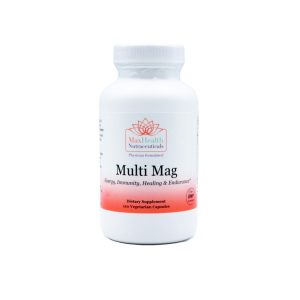
Multi Mag

Probiotic 40 Billion CFU – 60s (shelf stable)

Omega Ultra TG

B Coenzyme Methyl Complex

GI Soothe (Powder) 168 Grams

Vegan Protein Vanilla 510 Grams

Whey Protein Vanilla 12 oz
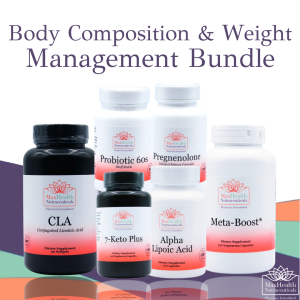
Body Composition & Weight Management Bundle
Disclosure: This post contains affiliate links. If you purchase through these links, we may earn a small commission at no extra cost to you. Learn more.
About the Author
Dr. Nicolle is a double board-certified physician in Family Medicine and Preventive Medicine, with certifications in Functional Medicine and Lifestyle Medicine. She helps busy professionals over 40 optimize their health through root-cause approaches to cardiovascular, hormonal, and metabolic health.
Learn more about Dr. Nicolle →Explore Related Topics
Dive deeper into these connected health areas
Hormone Health
Hormones are the chemical messengers that regulate virtually every process in your body — from metab…
Explore 🦠Gut Health
Your gut is far more than a digestive organ — it's home to 70% of your immune system, produces key n…
Explore 🌸Women's Health
Women's health encompasses a complex interplay of hormonal cycles, reproductive biology, and unique …
Explore 🧠Mental Health
Mental health is deeply interconnected with hormonal balance, gut health, blood sugar regulation, an…
Explore 📖Skin & Hair Health
Your skin and hair are windows into your internal health. Chronic acne, eczema, psoriasis, and hair …
ExploreReady to Address Your Health Concerns?
Book a Discovery Offer consultation to discuss how our functional medicine approach can help you achieve your health goals.
Book Your Discovery Offer