Functional Medicine for Beginners: How It Works

- Functional medicine identifies and treats root causes of disease rather than just managing symptoms — it asks 'why' instead of 'what'
- Initial visits are 60–90 minutes (vs. 15 minutes in conventional care) and include comprehensive history-taking and advanced lab testing beyond standard panels
- It's especially effective for chronic conditions, unexplained symptoms, and patients who've been told 'everything is normal' despite feeling unwell
- Functional medicine isn't anti-medication — it's practiced by board-certified MDs who use every available tool while prioritizing root-cause resolution
If you've ever left a doctor's appointment feeling unheard, undertested, or handed a prescription without a real explanation — you're not alone. Millions of people sense that something is off with their health but are told their labs are "normal" and there's nothing wrong.
This is where functional medicine changes the conversation entirely.
Functional medicine doesn't just ask *what* is wrong — it asks *why*. It's a systems-based, science-driven approach that treats the root causes of disease rather than suppressing symptoms. And for people who've felt dismissed by conventional medicine, it often feels like being heard for the first time.
Functional medicine and conventional medicine aren't enemies. They're complementary. Functional medicine excels at chronic, complex conditions where conventional medicine often falls short — while conventional medicine is essential for acute care, emergencies, and surgical interventions.
What Is Functional Medicine?
Functional medicine is a personalized, patient-centered approach to healthcare that focuses on identifying and addressing the root causes of disease. Rather than treating symptoms in isolation, it looks at how all of your body's systems are interconnected — hormones, gut health, immune function, detoxification, nutrition, and more.
Think of it this way: if you have a persistent headache, conventional medicine might prescribe a pain reliever. Functional medicine asks: Is this headache from blood sugar dysregulation, hormonal imbalance, a gut issue, chronic stress, or a nutrient deficiency?
The answer changes everything about how you treat it.
The Five Core Principles
- Root-cause resolution: We don't just manage symptoms — we find and fix what's driving them
- Systems biology: Your body is an interconnected web, not a collection of isolated organs
- Biochemical individuality: What works for one patient may not work for another
- Patient-centered partnership: You're an active participant in your health, not a passive recipient of care
- Proactive and preventive: We intervene before disease progresses, not after
How Is It Different from Conventional Medicine?
The differences aren't about one being "better" — they're about scope, methodology, and philosophy.
| Aspect | Conventional Medicine | Functional Medicine |
|---|---|---|
| Primary Focus | Symptom management | Root-cause resolution |
| Visit Length | 7–15 minutes | 60–90 minutes (initial) |
| Lab Testing | Standard panels | Advanced functional panels |
| Treatment | Medications first | Lifestyle, nutrition, targeted supplements + medications when needed |
| Approach | Disease-centered | Patient-centered |
| Timeline | Quick fixes | Sustainable transformation |
Functional medicine doesn't reject conventional medicine. It extends it. The goal is to use every available tool — including medications when appropriate — while prioritizing interventions that address the underlying cause.
Who Is Functional Medicine For?
Functional medicine is especially effective for people dealing with:
- Chronic conditions that haven't responded to conventional treatment — thyroid issues, autoimmune disease, digestive problems, hormonal imbalances
- Unexplained symptoms like fatigue, brain fog, weight gain, anxiety, or insomnia where "everything looks normal" on standard labs
- Multiple diagnoses being treated by multiple specialists with no coordination
- Prevention-focused individuals who want to optimize their health before problems develop
- People who feel unheard and want a physician who listens, investigates, and partners with them
What Happens at Your First Visit?
Your first functional medicine appointment will feel different from any doctor's visit you've had before. Here's what to expect:
Before the Visit
You'll typically complete a comprehensive health timeline and intake questionnaire covering your entire medical history, family history, lifestyle, diet, stress levels, sleep patterns, environmental exposures, and current symptoms. This is usually 10–20 pages — and every detail matters.
During the Visit (60–90 Minutes)
Your physician will spend time understanding your complete story — not just your current symptoms, but when they started, what makes them better or worse, and how they connect to other aspects of your health. This is the detective work that conventional 15-minute appointments simply can't accommodate.
After the Visit
Based on your history, your physician will order advanced functional labs that go far beyond standard bloodwork. These might include:
- Comprehensive thyroid panels (not just TSH)
- Advanced cardiovascular markers (beyond basic cholesterol)
- Hormone panels with metabolite analysis
- Gut health testing (stool analysis, SIBO breath testing)
- Nutrient status panels (RBC magnesium, vitamin D, B vitamins)
- Inflammatory and autoimmune markers
- Blood sugar and insulin testing (beyond fasting glucose)
The Functional Medicine Process
Healing in functional medicine follows a systematic approach:
Step 1: Discover
Through detailed history and advanced testing, we identify the root causes driving your symptoms — whether that's gut dysfunction, hormonal imbalance, nutrient deficiency, chronic inflammation, toxic burden, or a combination.
Step 2: Design
We create a personalized treatment plan that addresses your specific root causes. This typically includes targeted nutrition changes, lifestyle modifications, strategic supplementation, and sometimes medications.
Step 3: Implement
We work together to implement changes in a sustainable, manageable way. Functional medicine isn't about overhauling everything overnight — it's about strategic, layered interventions that build on each other.
Step 4: Monitor and Adjust
We retest, reassess symptoms, and refine your plan over time. Healing isn't linear, and your treatment plan should evolve as you do.
Common Myths About Functional Medicine
"It's anti-medication"
False. Functional medicine physicians (like myself) are trained medical doctors. We prescribe medications when they're the right tool. The difference is that we also look for opportunities to address the cause, not just the symptom.
"It's not evidence-based"
Also false. Functional medicine is grounded in peer-reviewed research, systems biology, and advanced diagnostics. The testing we order is often *more* comprehensive than standard care.
"It's only for wealthy people"
While functional medicine can require investment, many patients find that it actually saves money long-term by resolving chronic conditions that previously required ongoing specialist visits, medications, and ER trips.
Be cautious of practitioners who call themselves "functional medicine" but lack proper medical training. A true functional medicine physician should hold an MD or DO degree, be board-certified in a medical specialty, and have additional training in functional medicine through programs like the Institute for Functional Medicine (IFM).
"You have to choose between functional and conventional medicine"
You don't. The best outcomes often come from integrating both approaches. I work alongside my patients' other physicians to ensure coordinated, comprehensive care.
Is Functional Medicine Right for You?
If any of these resonate, functional medicine may be the missing piece:
- You've been told "everything is normal" but you know something isn't right
- You're managing multiple symptoms with multiple medications and not getting better
- You want a doctor who treats *you*, not just your diagnosis
- You're willing to invest time and effort in understanding and improving your health
- You want to prevent disease rather than wait until it's a crisis
Functional medicine isn't a magic pill — it requires your active participation. But for patients who are ready to understand their bodies and commit to real change, the results can be transformative.
References
- Beidelschies M, et al. Association of the functional medicine model of care with patient-reported health-related quality-of-life outcomes. JAMA Network Open. 2019;2(10):e1914017. https://doi.org/10.1001/jamanetworkopen.2019.14017
- Bland JS. Defining function in the functional medicine model. Integrative Medicine. 2017;16(1):22-25.
- Minich DM, Bland JS. Personalized lifestyle medicine: relevance for nutrition and lifestyle recommendations. The Scientific World Journal. 2013;2013:129841. https://doi.org/10.1155/2013/129841
- Institute for Functional Medicine. Functional Medicine Determination of Care Model. Published 2023. https://www.ifm.org
- Drisko JA, et al. Treating the patient, not the disease: Whole-person care in functional medicine. Global Advances in Health and Medicine. 2018;7:1-3. https://doi.org/10.1177/2164956118774775
Supplements for Functional Wellness
Clinical-grade picks for this topic
Affiliate disclosure: The product links below are affiliate links — we may earn a commission at no extra cost to you. Recommendations are based on clinical use, not commissions. Learn more.
Frequently Asked Questions
Common questions about functional medicine for beginners: how it works
Recommended Supplements
Professional-grade supplements from my MaxHealth Nutraceuticals line — the same formulas I use in clinical practice.

Austin Air HealthMate Plus®

Inner Balance™ Coherence Plus
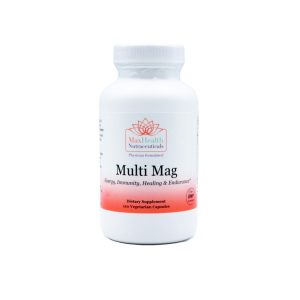
Multi Mag

Vitamin D3 5000 IU + K2 CAPSULES 100s

Omega Ultra TG

B Coenzyme Methyl Complex

Probiotic 40 Billion CFU – 60s (shelf stable)

Liver (Detox & Protect) 60s

Antioxidant Free Radical Protection Formula

MaxHealth Essentials Bundle

MaxHealth Total Wellness Bundle
Disclosure: This post contains affiliate links. If you purchase through these links, we may earn a small commission at no extra cost to you. Learn more.
About the Author
Dr. Nicolle is a double board-certified physician in Family Medicine and Preventive Medicine, with certifications in Functional Medicine and Lifestyle Medicine. She helps busy professionals over 40 optimize their health through root-cause approaches to cardiovascular, hormonal, and metabolic health.
Learn more about Dr. Nicolle →Explore Related Topics
Dive deeper into these connected health areas
Hormone Health
Hormones are the chemical messengers that regulate virtually every process in your body — from metab…
Explore 🦠Gut Health
Your gut is far more than a digestive organ — it's home to 70% of your immune system, produces key n…
Explore 🌸Women's Health
Women's health encompasses a complex interplay of hormonal cycles, reproductive biology, and unique …
Explore 💪Men's Health
Men's health involves a unique interplay of hormonal balance, cardiovascular resilience, metabolic e…
Explore 🧠Mental Health
Mental health is deeply interconnected with hormonal balance, gut health, blood sugar regulation, an…
Explore 📖Skin & Hair Health
Your skin and hair are windows into your internal health. Chronic acne, eczema, psoriasis, and hair …
ExploreReady to Address Your Health Concerns?
Book a Discovery Offer consultation to discuss how our functional medicine approach can help you achieve your health goals.
Book Your Discovery Offer