Vagus Nerve Stimulation: Natural Techniques for Stress & Inflammation

- The vagus nerve controls the cholinergic anti-inflammatory pathway, directly suppressing TNF-alpha, IL-1β, and IL-6 production
- Cold exposure, slow breathing at 6 breaths/min, HRV biofeedback, and gargling are the most evidence-based natural vagal activators
- Poor vagal tone is the common thread linking IBS, anxiety, chronic inflammation, insomnia, and impaired recovery
- A structured daily vagal activation protocol produces measurable HRV improvement and inflammation reduction within 4–6 weeks
A 41-year-old attorney came to me with IBS, chronic anxiety, insomnia, and an elevated hs-CRP that no one could explain. She'd been to a gastroenterologist (normal colonoscopy), a psychiatrist (Lexapro helped the anxiety but worsened her gut), and a cardiologist (normal echo). Her HRV was 22ms — alarmingly low for her age.
The common thread? Her vagus nerve was underperforming. Poor vagal tone creates a cascade: impaired digestion, heightened anxiety, chronic inflammation, and disrupted sleep. It's the autonomic nervous system equivalent of a blown fuse.
We built a vagal activation protocol: cold face immersion, HRV biofeedback, slow breathing, and gargling exercises. Within 6 weeks, her IBS symptoms reduced by 80%, her anxiety was manageable without medication adjustment, and her HRV climbed to 38ms. Her hs-CRP dropped from 3.4 to 1.0. Same body, same stressors — better vagal tone.
What Is the Vagus Nerve?
The vagus nerve is the longest cranial nerve in your body, running from the brainstem through the neck, chest, and abdomen. It's the primary communication highway of the parasympathetic nervous system — the "rest, digest, and heal" branch.
The vagus nerve controls:
- Heart rate — Slowing heart rate through vagal brake
- Digestion — Stomach acid production, gut motility, enzyme secretion
- Inflammation — The cholinergic anti-inflammatory pathway
- Mood — Direct connection to limbic system emotional centers
- Immune function — Modulates immune cell activity in spleen and gut
- Breathing — Respiratory rhythm coordination
When vagal tone is strong, your body efficiently shifts between stress (sympathetic) and recovery (parasympathetic). When it's weak, you get stuck in sympathetic overdrive — the physiological pattern underlying most stress-related illness.
The Cholinergic Anti-Inflammatory Pathway
This is the mechanism that makes vagus nerve stimulation clinically important beyond stress management. The vagus nerve releases acetylcholine, which binds to alpha-7 nicotinic receptors on macrophages and other immune cells, directly suppressing TNF-alpha, IL-1β, and IL-6 production (1).
This is so clinically significant that pharmaceutical companies have developed implantable vagus nerve stimulators for treatment-resistant autoimmune conditions and inflammatory bowel disease. But you can activate the same pathway naturally.
Natural Vagus Nerve Stimulation Techniques
1. Cold Exposure
Cold immersion is the most potent natural vagal activator. Even cold water on the face (the "dive reflex") triggers powerful parasympathetic activation through trigeminal-vagal pathways.
Protocol: Start with 30-second cold face immersion in ice water. Progress to cold shower finishes and cold plunge sessions.
2. Slow Breathing
Breathing at 5.5–6 breaths per minute maximizes respiratory sinus arrhythmia — the natural fluctuation in heart rate that occurs with breathing — which directly trains vagal tone.
Protocol: 10 minutes of coherence breathing (5.5 sec inhale, 5.5 sec exhale), twice daily.
3. HRV Biofeedback
HRV training devices provide real-time feedback on vagal activation, allowing you to see and improve your coherence in real time.
Protocol: 10-minute biofeedback sessions, twice daily, at your resonance frequency.
4. Gargling
Vigorous gargling activates the glossopharyngeal nerve and stimulates the vagal motor fibers that innervate the pharynx. It sounds simple because it is — but the vagal activation is measurable.
Protocol: Gargle water vigorously for 30–60 seconds, 2–3 times daily. You should feel the muscles in the back of your throat contracting strongly.
5. Singing and Humming
Vocal cord vibration activates vagal fibers through the recurrent laryngeal nerve. "Om" chanting in particular produces vibrations at frequencies that resonate with vagal activation.
Protocol: 5 minutes of humming or chanting during morning routine.
6. Gut-Vagus Connection
90% of vagal nerve fibers are afferent — carrying information from the gut to the brain. Improving gut health directly improves vagal signaling. Probiotics, particularly *Lactobacillus rhamnosus*, have been shown to reduce anxiety-like behavior through vagal pathways in preclinical studies (2).
The Vagus Nerve Activation Protocol
Daily Practice
| Time | Technique | Duration |
|---|---|---|
| Morning | Cold face immersion or cold shower | 1–3 min |
| Morning | HRV biofeedback or coherence breathing | 10 min |
| Midday | Gargling or humming | 2–3 min |
| Pre-dinner | Slow breathing (supports digestion) | 5 min |
| Pre-sleep | HRV biofeedback or 4-7-8 breathing | 10 min |
Weekly Integration
- Cold plunge or cold shower: 3–5x/week
- Infrared sauna followed by cold: 2–3x/week (contrast therapy)
- Yoga practice: 2–3x/week (inversions and twists stimulate vagal tone)
Supplements That Support Vagal Function
- Omega-3 fatty acids — Improve vagal tone and HRV
- Magnesium — Required for parasympathetic nervous system function
- Probiotics — Support the gut-vagus communication pathway
- B vitamins — Cofactors for acetylcholine production
- Adaptogens (ashwagandha) — Help normalize the autonomic stress response
Who Benefits Most?
- Chronic stress and burnout
- Anxiety and depression
- IBS and functional digestive disorders
- Autoimmune conditions
- Chronic inflammation of unknown cause
- Trauma and nervous system dysregulation
- Insomnia
The Bottom Line
Your vagus nerve is the master switch between stress and recovery. Training it through cold exposure, slow breathing, HRV biofeedback, and other natural techniques directly improves your body's ability to regulate inflammation, digest food, manage emotions, and recover from stress. It's free, it has no side effects, and the clinical evidence is robust.
References
- Tracey KJ. The inflammatory reflex. Nature. 2002;420(6917):853-859.
- Bravo JA, et al. Ingestion of Lactobacillus strain regulates emotional behavior and central GABA receptor expression in a mouse via the vagus nerve. Proc Natl Acad Sci. 2011;108(38):16050-16055.
- Howland RH. Vagus Nerve Stimulation. Curr Behav Neurosci Rep. 2014;1(2):64-73.
Supplements for Mental Wellness
Clinical-grade picks for this topic

Inner Balance™ Coherence Plus
$249.00

TheraFrost Cold Plunge
$4,988.00

Thera360 PLUS Portable Sauna
$1,428.00
Affiliate disclosure: The product links below are affiliate links — we may earn a commission at no extra cost to you. Recommendations are based on clinical use, not commissions. Learn more.
Frequently Asked Questions
Common questions about vagus nerve stimulation: natural techniques for stress & inflammation
Recommended Supplements
Professional-grade supplements from my MaxHealth Nutraceuticals line — the same formulas I use in clinical practice.
Inner Balance™ Coherence Plus
TheraFrost Cold Plunge
Thera360 PLUS Portable Sauna

RESPeRATE Deluxe Duo

SMART Yoga Mat (Green)
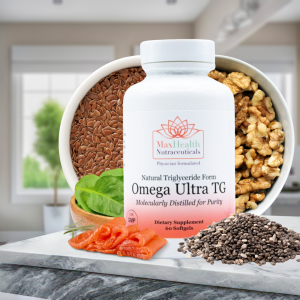
Omega Ultra TG
Multi Mag
Mood Boost 120s
Probiotic 40 Billion CFU – 60s (shelf stable)
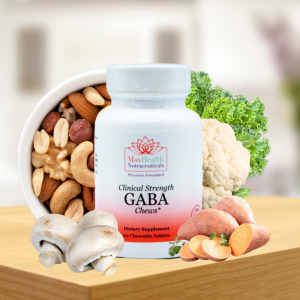
GABA Chews
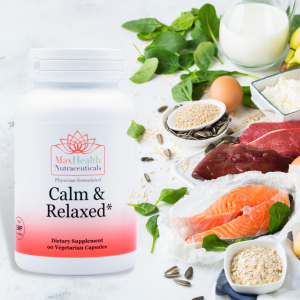
Calm & Relaxed 90s
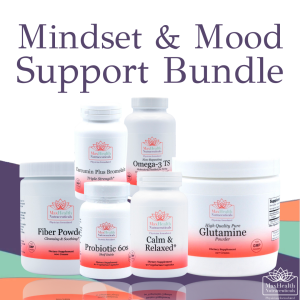
Mindset & Mood Support Bundle
Disclosure: This post contains affiliate links. If you purchase through these links, we may earn a small commission at no extra cost to you. Learn more.
About the Author
Dr. Nicolle is a double board-certified physician in Family Medicine and Preventive Medicine, with certifications in Functional Medicine and Lifestyle Medicine. She helps busy professionals over 40 optimize their health through root-cause approaches to cardiovascular, hormonal, and metabolic health.
Learn more about Dr. Nicolle →Explore Related Topics
Dive deeper into these connected health areas
Hormone Health
Hormones are the chemical messengers that regulate virtually every process in your body — from metab…
Explore 🦠Gut Health
Your gut is far more than a digestive organ — it's home to 70% of your immune system, produces key n…
Explore ❤️Metabolic Health
Metabolic health sits at the intersection of blood sugar regulation, cardiovascular function, body c…
Explore 🌸Women's Health
Women's health encompasses a complex interplay of hormonal cycles, reproductive biology, and unique …
Explore 💪Men's Health
Men's health involves a unique interplay of hormonal balance, cardiovascular resilience, metabolic e…
Explore 📖Skin & Hair Health
Your skin and hair are windows into your internal health. Chronic acne, eczema, psoriasis, and hair …
ExploreReady to Address Your Health Concerns?
Book a Discovery Offer consultation to discuss how our functional medicine approach can help you achieve your health goals.
Book Your Discovery Offer