Home Fitness After 40: Building a Functional Training Program

- Resistance training after 40 is non-negotiable for muscle mass, metabolic health, bone density, and longevity
- A complete home gym (resistance bands + yoga mat) costs under $120 and fits in a drawer
- Progressive overload with bands uses tempo manipulation, single-limb variations, and band progression — no heavy weights needed
- Combine 3–4 training sessions per week with cold exposure, adequate protein (1.2–1.6g/kg), and quality sleep for optimal results
A 46-year-old software engineer told me he hadn't exercised consistently in five years. "I used to lift heavy," he said. "But my shoulders can't take it anymore, my back is stiff, and I don't have time to drive to a gym." He'd gained 30 pounds, his fasting insulin was 18 (pre-diabetic range), and his testosterone was in the lower quartile. He assumed his options were limited.
Within 12 weeks of a structured home resistance training program — using bands, bodyweight progressions, and a yoga mat — he'd lost 14 pounds, his fasting insulin dropped to 8, his morning energy tripled, and his shoulder pain had resolved. Total equipment cost: under $120. Total daily time: 35 minutes.
After 40, the equation changes. You need resistance training more than ever — for metabolic health, hormone optimization, bone density, and longevity — but the approach needs to prioritize joint health, recovery, and sustainability over raw intensity.
Why Resistance Training Is Non-Negotiable After 40
The data is unambiguous:
- Sarcopenia (age-related muscle loss) begins at 30 and accelerates after 40, averaging 3–8% per decade
- Insulin sensitivity depends heavily on muscle mass — less muscle = worse blood sugar control
- Testosterone production is directly stimulated by resistance training
- Bone density loss accelerates without mechanical loading
- Cognitive function improves with regular resistance exercise through BDNF production
- All-cause mortality is reduced by 15–23% in those who perform regular resistance training (1)
You don't need a gym for any of this. You need progressive resistance, consistency, and intelligent programming.
Essential Home Equipment
| Equipment | Cost | Purpose |
|---|---|---|
| Resistance bands (5-band set) | ~$55 | Full-body resistance, joint-friendly, progressive overload |
| Yoga mat | ~$57 | Floor work, stretching, mobility |
| Doorway anchor | ~$10 | Expands band exercise variety |
| Timer app | Free | Interval training, rest periods |
Total investment: approximately $120 for a complete home gym that fits in a drawer.
Optional Additions (Phase 2+)
- Adjustable dumbbells — For those wanting traditional weight training at home
- Pull-up bar — Upper body compound movements
- Foam roller — Myofascial release and recovery
The 4-Week Starter Program
Week 1–2: Foundation Phase
3 sessions per week, 25–30 minutes each
| Day | Focus | Key Exercises |
|---|---|---|
| Day 1 | Upper Body | Band rows, band chest press, band shoulder press, push-ups (modified if needed) |
| Day 2 | Lower Body | Band squats, band deadlifts, lunges, glute bridges |
| Day 3 | Full Body + Core | Band pull-aparts, goblet squats, planks, bird dogs, yoga flow |
Week 3–4: Progression Phase
4 sessions per week, 30–35 minutes each
| Day | Focus | Key Exercises |
|---|---|---|
| Day 1 | Push | Band chest press, pike push-ups, band lateral raises, tricep pushdowns |
| Day 2 | Pull | Band rows, band face pulls, band bicep curls, dead hangs |
| Day 3 | Legs | Band squats (heavier band), single-leg deadlifts, step-ups, wall sits |
| Day 4 | Mobility + Core | Yoga sun salutations, hip openers, thoracic spine work, anti-rotation holds |
Progressive Overload Principles
Without a gym, progressive overload comes from:
1. Increasing band resistance — Move to heavier bands as strength improves
2. Tempo manipulation — Slow eccentrics (3–4 second lowering) increase time under tension
3. Single-limb variations — Single-leg squats, single-arm rows for intensity
4. Range of motion — Deeper squats, fuller presses as mobility improves
5. Volume — Add sets before adding resistance
Recovery Integration
After 40, recovery is as important as training:
- Cold exposure on rest days or 4+ hours post-training
- Infrared sauna for heat shock proteins and muscle relaxation
- Sleep — 7–9 hours is non-negotiable for muscle repair and hormone production
- Protein — 1.2–1.6g per kg body weight daily, with 30–40g per meal
- Magnesium — Supports muscle recovery, sleep, and nervous system function
Lab Markers to Track
Monitor these every 3–6 months to verify your training program is delivering results:
- Fasting insulin / HOMA-IR — Track metabolic improvement
- Testosterone (free and total) — Resistance training should support maintenance or improvement
- HbA1c — Long-term blood sugar control
- DEXA scan — Body composition (muscle mass vs. fat mass) — annually
- hs-CRP — Verify training isn't causing excess inflammation
- Vitamin D — Essential for muscle function and bone density (target 50–70 ng/mL)
The Bottom Line
You don't need a gym membership, heavy weights, or two hours a day to maintain strength, metabolic health, and physical function after 40. A well-designed home program with resistance bands and bodyweight progressions — performed consistently 3–4 times per week — delivers measurable improvements in body composition, insulin sensitivity, hormone levels, and functional capacity. Start simple, progress deliberately, and prioritize recovery.
References
- Stamatakis E, et al. Does Strength-Promoting Exercise Confer Unique Health Benefits? A Pooled Analysis of Data on 11 Population Cohorts. Am J Epidemiol. 2018;187(5):1102-1112.
- Peterson MD, et al. Resistance exercise for muscular strength in older adults: a meta-analysis. Ageing Res Rev. 2010;9(3):226-237.
- Westcott WL. Resistance training is medicine: effects of strength training on health. Curr Sports Med Rep. 2012;11(4):209-216.
Supplements for Stress & Recovery
Clinical-grade picks for this topic
Affiliate disclosure: The product links below are affiliate links — we may earn a commission at no extra cost to you. Recommendations are based on clinical use, not commissions. Learn more.
Frequently Asked Questions
Common questions about home fitness after 40: building a functional training program
Recommended Supplements
Professional-grade supplements from my MaxHealth Nutraceuticals line — the same formulas I use in clinical practice.

SMART Resistance Training Bundle

SMART Yoga Mat (Green)

TheraFrost Cold Plunge

Thera360 PLUS Portable Sauna
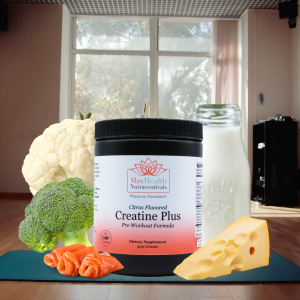
Creatine Plus (Pre Workout Formula)
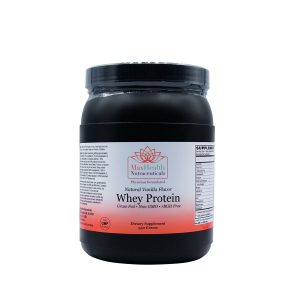
Whey Protein Vanilla 12 oz
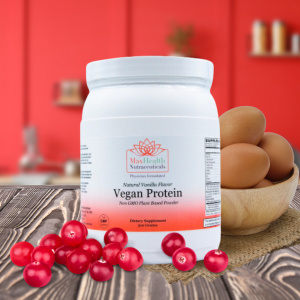
Vegan Protein Vanilla 510 Grams
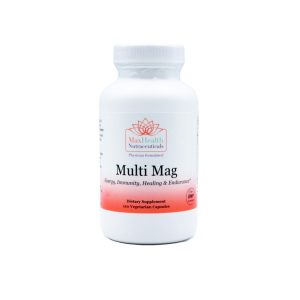
Multi Mag
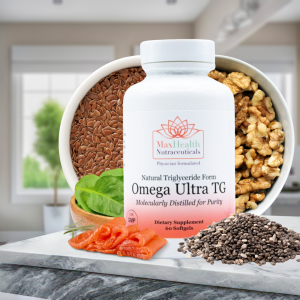
Omega Ultra TG

Vitamin D3 5000 IU + K2 CAPSULES 100s
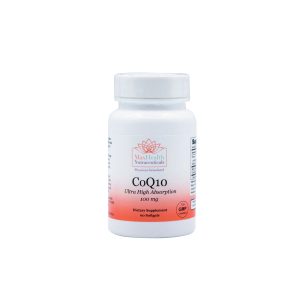
CoQ10
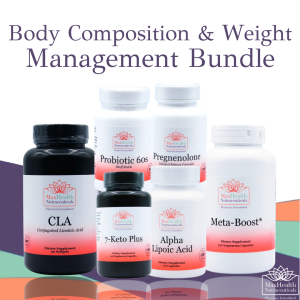
Body Composition & Weight Management Bundle
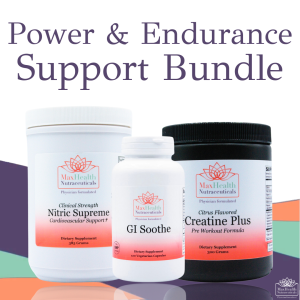
Power and Endurance Bundle
Disclosure: This post contains affiliate links. If you purchase through these links, we may earn a small commission at no extra cost to you. Learn more.
About the Author
Dr. Nicolle is a double board-certified physician in Family Medicine and Preventive Medicine, with certifications in Functional Medicine and Lifestyle Medicine. She helps busy professionals over 40 optimize their health through root-cause approaches to cardiovascular, hormonal, and metabolic health.
Learn more about Dr. Nicolle →Explore Related Topics
Dive deeper into these connected health areas
Hormone Health
Hormones are the chemical messengers that regulate virtually every process in your body — from metab…
Explore 🦠Gut Health
Your gut is far more than a digestive organ — it's home to 70% of your immune system, produces key n…
Explore 🌸Women's Health
Women's health encompasses a complex interplay of hormonal cycles, reproductive biology, and unique …
Explore 🧠Mental Health
Mental health is deeply interconnected with hormonal balance, gut health, blood sugar regulation, an…
Explore 📖Skin & Hair Health
Your skin and hair are windows into your internal health. Chronic acne, eczema, psoriasis, and hair …
ExploreReady to Address Your Health Concerns?
Book a Discovery Offer consultation to discuss how our functional medicine approach can help you achieve your health goals.
Book Your Discovery Offer