Infrared Sauna Therapy: Detox, Recovery & Chronic Disease Management

- Far-infrared saunas penetrate 1.5–2 inches into tissue, mobilizing fat-soluble toxins and producing sweat with higher heavy metal concentrations
- Clinical evidence supports infrared sauna for fibromyalgia pain reduction, cardiovascular improvement, and enhanced detoxification
- 30–45 minutes at 130–145°F, 3–4 times per week, is the standard therapeutic protocol
- Always use electrolytes before/after sessions and consider binding agents (charcoal, chlorella) during detox protocols
A 49-year-old nurse came to see me after a decade-long battle with fibromyalgia. She'd tried physical therapy, gabapentin, duloxetine, and trigger point injections. Her pain scores averaged 7/10. Her labs showed elevated heavy metals (lead and mercury), poor glutathione status, and chronic inflammation with an hs-CRP of 4.1. We started her on a comprehensive protocol: gut healing, targeted detox support, and — crucially — infrared sauna therapy three times a week.
At 12 weeks, her pain scores had dropped to 3/10. Her hs-CRP was 1.4. Her heavy metal levels had decreased measurably. "The sauna was the thing I looked forward to most," she told me. "It was the first time in years that I felt my body actually releasing something."
Far-infrared sauna therapy isn't a spa luxury. It's a clinically validated tool for detoxification, pain management, and cardiovascular support — with mechanisms distinct from traditional saunas.
How Infrared Sauna Differs from Traditional Sauna
Traditional saunas heat the air to 150–195°F, which then heats your body from the outside in. Infrared saunas use far-infrared wavelengths (5.6–1000μm) to penetrate 1.5–2 inches into tissue, heating you from the inside out at much lower ambient temperatures (110–150°F).
This matters clinically because:
- Deeper tissue penetration — Far-infrared reaches subcutaneous fat, muscle, and joints
- Lower ambient temperature — Patients who can't tolerate traditional sauna heat can use infrared comfortably
- Different sweat composition — Infrared sauna sweat contains higher concentrations of heavy metals, BPA, phthalates, and other environmental toxins compared to exercise-induced sweat (1)
- Longer, more comfortable sessions — 30–45 minute sessions are well-tolerated
Clinical Applications
Detoxification
This is where infrared sauna has the strongest clinical utility. Far-infrared promotes excretion of:
- Heavy metals (lead, mercury, cadmium, arsenic)
- Persistent organic pollutants (PCBs, pesticides)
- BPA and phthalates
- Mycotoxins (relevant for mold illness patients)
The mechanism: infrared heat mobilizes fat-soluble toxins stored in adipose tissue, increases blood flow to detoxification organs, and promotes excretion through sweat. Combined with binders (activated charcoal, chlorella) and liver support (NAC, glutathione), this creates a comprehensive detoxification pathway.
Chronic Pain & Fibromyalgia
A systematic review in *Clinical Rheumatology* found that infrared sauna therapy significantly reduced pain scores in fibromyalgia patients (2). The mechanisms include:
- Increased endorphin release
- Reduced muscle tension through deep tissue heating
- Decreased inflammatory cytokines (IL-6, TNF-alpha)
- Improved blood flow to painful tissues
- Enhanced mitochondrial function in muscle cells
Cardiovascular Benefits
Japanese "Waon therapy" — a specific infrared sauna protocol — has been studied extensively for cardiovascular disease. Benefits include:
- Improved endothelial function (3)
- Reduced blood pressure (average 7mmHg systolic reduction)
- Improved ejection fraction in heart failure patients
- Reduced arterial stiffness
- Decreased oxidative stress markers
Recovery & Athletic Performance
Infrared sauna triggers heat shock protein (HSP) production — cellular chaperone proteins that protect against oxidative stress, repair damaged proteins, and enhance exercise recovery. Regular infrared sauna use has been shown to increase plasma volume and improve endurance performance.
The Infrared Sauna Protocol
Beginner (Weeks 1–2)
| Session | Temperature | Duration | Frequency |
|---|---|---|---|
| Initial | 110–120°F | 15–20 min | 2x/week |
Therapeutic (Weeks 3–8)
| Session | Temperature | Duration | Frequency |
|---|---|---|---|
| Standard | 125–140°F | 30–40 min | 3–4x/week |
| Detox-focused | 130–145°F | 35–45 min | 3x/week (with binders) |
Maintenance (Ongoing)
- 30–45 minutes, 3–4x/week at 130–145°F
- Always hydrate with electrolytes before, during, and after
- Combine with cold exposure for contrast therapy (sauna → cold plunge)
Essential Support Nutrients
- Electrolytes — Mandatory before and after every session (sodium, potassium, magnesium)
- NAC — Supports glutathione production for detoxification
- Glutathione (topical or liposomal) — Directly enhances toxin conjugation and excretion
- Activated charcoal or chlorella — Binders to prevent toxin reabsorption (take 30 min before session)
- Multi Mag — Replaces magnesium lost through sweat
Who Should Avoid or Use Caution
- Pregnancy — Insufficient safety data
- Active fever or acute infection — Additional heat stress is contraindicated
- Multiple sclerosis — Heat can temporarily worsen symptoms
- Severe hypotension — Sauna causes additional blood pressure drops
- Acute cardiovascular events (within 3 months)
- Implanted devices — Consult manufacturer guidelines
The Bottom Line
Infrared sauna therapy is a powerful tool for detoxification, pain management, cardiovascular support, and recovery. Unlike traditional saunas, the far-infrared wavelengths penetrate deeper, produce more detox-relevant sweat, and are tolerable at lower temperatures. For patients with environmental toxin burden, chronic pain, or cardiovascular risk, 3–4 sessions per week provides meaningful, measurable clinical improvement.
References
- Sears ME, Kerr KJ, Bray RI. Arsenic, cadmium, lead, and mercury in sweat: a systematic review. J Environ Public Health. 2012;2012:184745.
- Matsushita K, et al. Efficacy of Waon therapy for fibromyalgia. Intern Med. 2008;47(16):1473-1476.
- Imamura M, et al. Repeated thermal therapy improves impaired vascular endothelial function in patients with coronary risk factors. J Am Coll Cardiol. 2001;38(4):1083-1088.
Supplements for Stress & Recovery
Clinical-grade picks for this topic

Thera360 PLUS Portable Sauna
$1,428.00

TheraFrost Cold Plunge
$4,988.00

Austin Air HealthMate Plus®
$895.00
Affiliate disclosure: The product links below are affiliate links — we may earn a commission at no extra cost to you. Recommendations are based on clinical use, not commissions. Learn more.
Frequently Asked Questions
Common questions about infrared sauna therapy: detox, recovery & chronic disease management
Recommended Supplements
Professional-grade supplements from my MaxHealth Nutraceuticals line — the same formulas I use in clinical practice.
Thera360 PLUS Portable Sauna
TheraFrost Cold Plunge
Austin Air HealthMate Plus®
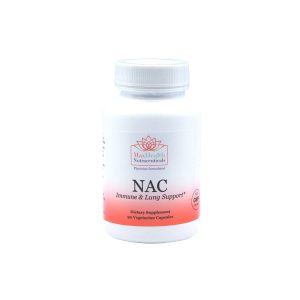
NAC 90s

Glutathione Cream 50mg 3oz
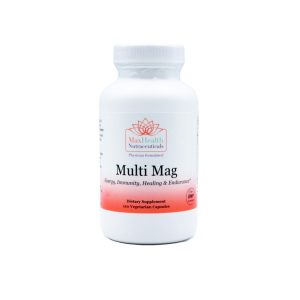
Multi Mag
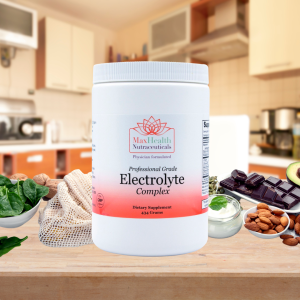
Electrolyte Complex 60s 394gms
Omega Ultra TG
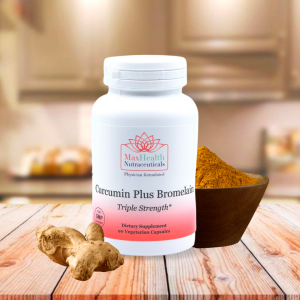
Curcumin Plus Bromelain 90s
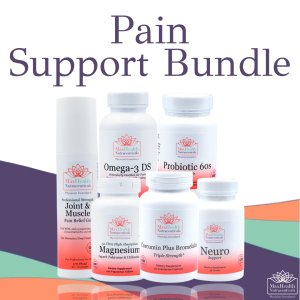
Pain Support Bundle
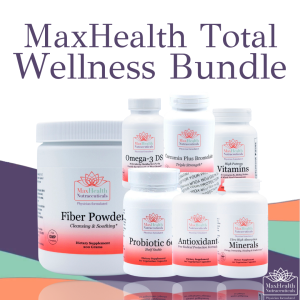
MaxHealth Total Wellness Bundle
Disclosure: This post contains affiliate links. If you purchase through these links, we may earn a small commission at no extra cost to you. Learn more.
About the Author
Dr. Nicolle is a double board-certified physician in Family Medicine and Preventive Medicine, with certifications in Functional Medicine and Lifestyle Medicine. She helps busy professionals over 40 optimize their health through root-cause approaches to cardiovascular, hormonal, and metabolic health.
Learn more about Dr. Nicolle →Explore Related Topics
Dive deeper into these connected health areas
Hormone Health
Hormones are the chemical messengers that regulate virtually every process in your body — from metab…
Explore 🦠Gut Health
Your gut is far more than a digestive organ — it's home to 70% of your immune system, produces key n…
Explore 🌸Women's Health
Women's health encompasses a complex interplay of hormonal cycles, reproductive biology, and unique …
Explore 💪Men's Health
Men's health involves a unique interplay of hormonal balance, cardiovascular resilience, metabolic e…
Explore 🧠Mental Health
Mental health is deeply interconnected with hormonal balance, gut health, blood sugar regulation, an…
Explore 📖Skin & Hair Health
Your skin and hair are windows into your internal health. Chronic acne, eczema, psoriasis, and hair …
ExploreReady to Address Your Health Concerns?
Book a Discovery Offer consultation to discuss how our functional medicine approach can help you achieve your health goals.
Book Your Discovery Offer