Summer Fitness Over 40: A Heat-Adapted Training Program

- Heat training after 40 carries real cardiovascular and renal risks that don't exist at 25 — slower sweat onset, blunted aldosterone, lower plasma volume, and common BP medications all narrow the safety margin
- Done well, an 8-week structured heat-acclimation block expands plasma volume 5-15%, improves VO2 max and insulin sensitivity, and produces longevity adaptations that compound across the year
- The biggest single failure point is plain-water hydration — sodium-forward electrolytes, pre-load fluids, and 125-150% post-session weight-loss replacement are non-negotiable over 40
- Use HRV-guided modulation, hard intensity caps during the first 2 weeks, and clear stop-rules around heat index, AQI, sleep, and morning HR — and move strength work indoors so outdoor sessions are dedicated cardio
The first patient I ever had to send to the ER from a workout was a 53-year-old executive who'd done what he'd always done — an 8 a.m. Saturday tennis match in July, three sets, two bottles of water, no electrolytes — and ended up in acute kidney injury by Sunday morning. His creatinine had doubled. His blood pressure was 88/52. He'd never had a problem before. What had changed wasn't the weather or the tennis. What had changed was him: he was on a low-dose ACE inhibitor for borderline hypertension, his aldosterone response had blunted with age, and his sweat sodium losses outran his replacement strategy by a factor of three. He recovered. But the lesson stuck — for him, and for me.
Training in heat after 40 is not the same problem it was at 25. The physiology shifts in ways that most people, and many clinicians, don't appreciate: thermoregulation slows, plasma volume sits lower at baseline, the renin-aldosterone axis blunts, common medications interfere with heat dissipation, and the cardiovascular cost of any given workload climbs. None of that means you should train indoors all summer. Done well, heat-adapted training is one of the most powerful longevity interventions available — improving plasma volume, VO2 max, insulin sensitivity, and cardiovascular resilience faster than equivalent training in cool conditions. Done badly, it lands people in my inbox at midnight.
This is the program I write for busy professionals over 40 who want the benefits of summer training without the avoidable risks.
What Changes in Heat Physiology After 40
The relevant physiologic shifts that quietly tilt the risk-benefit ratio in midlife:
- Slower onset of sweating and lower sweat rate. The sweat response is mediated through sympathetic cholinergic fibers that lose sensitivity with age. The lag means core temperature rises faster before evaporative cooling kicks in.
- Reduced thirst sensation. Adults over 40 reliably under-drink during exertion, and the gap widens with each decade. By the time you "feel" thirsty in a hot workout, you are already meaningfully volume-down.
- Lower baseline plasma volume. Plasma volume declines ~10-15% between age 25 and 55 in sedentary adults, narrowing the cushion before performance and cardiovascular safety degrade.
- Blunted aldosterone and renin response. The renal sodium-sparing response to heat stress is slower and weaker after 40, so sweat sodium losses translate into hyponatremia more easily.
- Higher resting cardiac load. A workout that produced a heart rate of 140 at 25 may produce 160-170 at 55 for the same external work — and heat adds another 10-20 beats on top.
- Medication interference. ACE inhibitors, ARBs, diuretics, beta-blockers, SGLT2 inhibitors, GLP-1 agonists, statins, and even common antihistamines all alter heat tolerance, fluid handling, or both.
The most useful single rule of summer training over 40: if you are taking any blood pressure medication, any diuretic, an SGLT2 inhibitor, or a GLP-1 agonist, you should assume your effective heat tolerance is one full risk category lower than your fitness suggests. Train accordingly.
The Longevity Upside of Heat-Adapted Training
Heat acclimation — the structured, progressive exposure to training in warm conditions — produces measurable cardiovascular and metabolic adaptations within 10-14 days that are difficult to achieve any other way:
- Plasma volume expansion of 5-15% within two weeks of consistent heat exposure
- Improved VO2 max through enhanced stroke volume and cardiac output
- Lower resting and exercise heart rate at any given workload
- Improved insulin sensitivity (relevant to anyone navigating insulin resistance)
- Heat shock protein expression that supports cellular repair, mitochondrial biogenesis, and protein folding
- Crossover benefit to performance in cool conditions — heat-acclimated athletes consistently outperform their non-acclimated baseline even when they race in mild weather
The mechanisms overlap meaningfully with the cardiovascular benefits of sauna and contrast therapy. Summer training, programmed correctly, is effectively passive heat therapy stacked on top of active training — and the combination is more potent than either alone.
The 8-Week Heat Adaptation Program
The program I most commonly write for adults over 40 transitioning into summer training. It assumes a baseline of 3-4 days/week of mixed cardio and resistance training already in place. If you're starting from sedentary, complete our home fitness over 40 foundation program first.
| Week | Heat Exposure | Intensity Cap | Hydration Strategy |
|---|---|---|---|
| 1-2 | 20-30 min outdoor sessions, before 8 a.m. or after 7 p.m. | Zone 2 only (conversational pace) | 16-20 oz water + electrolytes before; 16 oz/hour during |
| 3-4 | 30-45 min outdoor sessions, slightly warmer windows | Add 1 Zone 3 interval session/week | 20-24 oz/hour during; weigh pre/post to refine |
| 5-6 | Full midday tolerated for short sessions (20-30 min) | 2 quality sessions/week (intervals or threshold) | Replace 150% of weight loss in 4 hours post |
| 7-8 | Full summer training schedule | Normal periodization, with HRV-guided modulation | Sodium intake titrated to sweat-loss testing |
The non-negotiables across all 8 weeks: pre-session hydration with electrolytes (not plain water), a hard intensity cap during the first two weeks regardless of how easy it feels, weighing in pre- and post-session for at least the first month to calibrate fluid replacement, and an HRV check every morning. If HRV is more than 1 standard deviation below your 60-day baseline, the day's session shifts down a category.
Hydration and Electrolytes: The Single Most Common Failure Point
Plain water during heat training over 40 is, in many cases, worse than no water at all — it dilutes serum sodium without replacing the substantial sodium losses in sweat, and meaningful exertional hyponatremia is increasingly common in midlife endurance athletes. The fix is not exotic.
- Pre-session: 16-20 oz of fluid with 500-1,000 mg sodium in the 60-90 minutes before training
- During: 16-24 oz per hour with 500-700 mg sodium per liter, sipped continuously rather than chugged
- Post-session: Replace 125-150% of body weight lost in the 4 hours after training, again with sodium
- Daily background: Higher sodium intake (4-6 g/day) during a heat-training block is appropriate for most adults without uncontrolled hypertension — confirm with your physician if you take BP medication
An electrolyte powder with a meaningful sodium dose (Electrolyte Complex or similar) is more useful than commercial sports drinks, which tend to deliver too much sugar and not enough sodium.
Heat-Specific Warning Signs to Train Yourself to Recognize
The earliest reliable signs that heat tolerance is failing in a training session, in roughly the order they appear:
- Stopping sweating despite continued exertion — often misread as "I've adapted" but actually a critical warning
- Goosebumps or chills in the heat
- A new headache or feeling "off" mid-session
- Nausea or any loss of appetite during or immediately after
- Confusion, slurred speech, or impaired coordination — call for help; this is heat stroke until proven otherwise
- Resting heart rate the next morning more than 10 bpm above baseline
- HRV more than 1.5 SD below baseline the morning after
The first four warrant ending the session immediately, getting cool, and rehydrating with electrolytes. The fifth is a medical emergency.
A Smart Equipment and Supplement Stack
The minimal kit I program for a heat-training block:
- SMART Resistance Training Bundle — Strength training is the foundation of midlife training and the bundle lets you keep your resistance work indoors (cool, controlled) while reserving outdoor sessions for cardio. Strength two days/week, cardio outside on the other days.
- SMART Yoga Mat (Green) — For early-morning mobility and the Zone 2 indoor work that fills the gap on dangerous-heat days.
- Inner Balance™ Coherence Plus — Daily HRV monitoring is the single best tool for catching heat-related under-recovery before it becomes overtraining or a cardiac event.
- Austin Air HealthMate Plus® — On wildfire- or pollution-impacted summer days, indoor air quality matters more than getting your outside run in. The HealthMate makes indoor training tolerable.
- Thera360 PLUS Portable Sauna — Counterintuitively useful: structured sauna sessions on rest days accelerate heat acclimation and produce the plasma volume benefits even when training intensity is reduced.
- TheraFrost Cold Plunge — Post-session cooling for hard heat sessions; also a built-in safety tool if a session goes poorly.
The supportive supplement stack:
- Electrolyte Complex — sodium-forward, sugar-conservative hydration
- Multi Mag — magnesium losses are accelerated in heat training; nightly dosing supports sleep recovery and muscle relaxation
- Adrenal (Energy & Stress) 120 Capsules — adaptogenic support for the HPA axis during higher cumulative stress load
- Omega Ultra TG — supports vascular endothelial function under repeated heat-related cardiovascular load
- B Coenzyme Methyl Complex — for the metabolic demand of an increased training block
- Beef Collagen Vanilla or Whey Protein Vanilla 12 oz — adequate protein intake (1.2-1.6 g/kg/day) is critical for adaptation and is the most commonly under-dosed nutrient in summer training
- Pain Support Bundle — for joint and recovery support without resorting to NSAIDs, which compound renal risk in hot training conditions
When to Skip the Workout — and What to Do Instead
Conditions that should move the day's session indoors or off the calendar:
- Heat index above 95°F if you are unacclimated, or above 100-105°F even with full acclimation
- Air quality index above 150 (or above 100 if you have any respiratory history)
- Morning HRV more than 1 SD below baseline
- Resting morning heart rate more than 10 bpm above 60-day average
- Any new chest discomfort, lightheadedness, or palpitations on prior session
- Acute illness, alcohol the night before, or sleep under 6 hours
The high-value indoor substitutes: a structured resistance session with the SMART bundle, a controlled Zone 2 ride on an indoor bike or treadmill, mobility and parasympathetic work with the breathing protocols, or a structured sauna session if heat acclimation is the goal but outdoor conditions are unsafe.
A Realistic Closing
Summer training over 40 is one of those situations where doing it right and doing it wrong produce dramatically different outcomes from the same starting intent. Done well, an 8-week heat-adapted block delivers cardiovascular and metabolic adaptations that compound for the rest of the year, builds genuine resilience, and reinforces every other longevity intervention you're doing. Done badly, it produces avoidable cardiovascular events, renal injury, and overtraining that takes months to recover from.
If you'd like a personalized summer training and recovery protocol matched to your current fitness, labs, and any medications you're on, take our Wellness Quiz to map your starting point, or book a Discovery Offer to review your case with me directly.
---
References
- Périard, J.D., Travers, G.J., Racinais, S., & Sawka, M.N. (2016). Cardiovascular adaptations supporting human exercise-heat acclimation. Autonomic Neuroscience, 196, 52-62. https://doi.org/10.1016/j.autneu.2016.02.002
- Kenny, G.P., Yardley, J., Brown, C., Sigal, R.J., & Jay, O. (2010). Heat stress in older individuals and patients with common chronic diseases. CMAJ, 182(10), 1053-1060. https://doi.org/10.1503/cmaj.081050
- Sawka, M.N., et al. (2007). American College of Sports Medicine position stand: Exercise and fluid replacement. Medicine & Science in Sports & Exercise, 39(2), 377-390. https://doi.org/10.1249/mss.0b013e31802ca597
- Hew-Butler, T., et al. (2015). Statement of the Third International Exercise-Associated Hyponatremia Consensus Development Conference. Clinical Journal of Sport Medicine, 25(4), 303-320. https://doi.org/10.1097/JSM.0000000000000221
- Scoon, G.S., Hopkins, W.G., Mayhew, S., & Cotter, J.D. (2007). Effect of post-exercise sauna bathing on the endurance performance of competitive male runners. Journal of Science and Medicine in Sport, 10(4), 259-262. https://doi.org/10.1016/j.jsams.2006.06.009
Supplements for Stress & Recovery
Clinical-grade picks for this topic

SMART Resistance Training Bundle
$54.99

SMART Yoga Mat (Green)
$56.99

Inner Balance™ Coherence Plus
$249.00
Affiliate disclosure: The product links below are affiliate links — we may earn a commission at no extra cost to you. Recommendations are based on clinical use, not commissions. Learn more.
Frequently Asked Questions
Common questions about summer fitness over 40: a heat-adapted training program
Recommended Supplements
Professional-grade supplements from my MaxHealth Nutraceuticals line — the same formulas I use in clinical practice.
SMART Resistance Training Bundle
SMART Yoga Mat (Green)
Inner Balance™ Coherence Plus

Austin Air HealthMate Plus®

Thera360 PLUS Portable Sauna

TheraFrost Cold Plunge
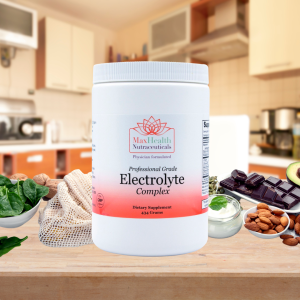
Electrolyte Complex 60s 394gms
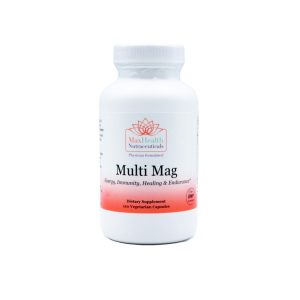
Multi Mag
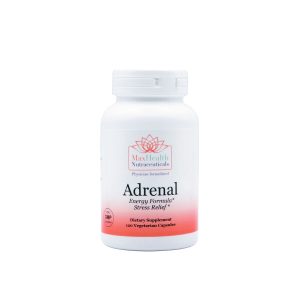
Adrenal (Energy & Stress) 120 Capsules
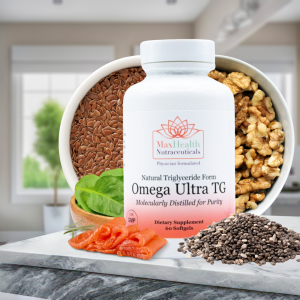
Omega Ultra TG
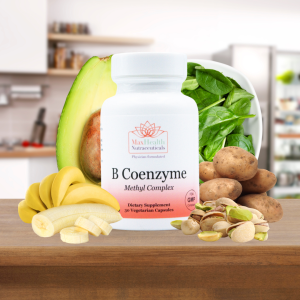
B Coenzyme Methyl Complex
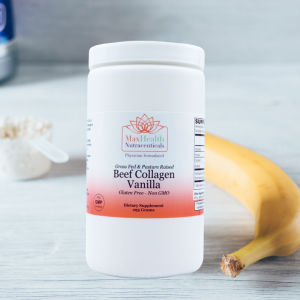
Beef Collagen Vanilla
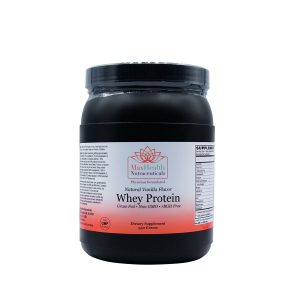
Whey Protein Vanilla 12 oz

Pain Support Bundle
Disclosure: This post contains affiliate links. If you purchase through these links, we may earn a small commission at no extra cost to you. Learn more.
About the Author
Dr. Nicolle is a double board-certified physician in Family Medicine and Preventive Medicine, with certifications in Functional Medicine and Lifestyle Medicine. She helps busy professionals over 40 optimize their health through root-cause approaches to cardiovascular, hormonal, and metabolic health.
Learn more about Dr. Nicolle →Explore Related Topics
Dive deeper into these connected health areas
Hormone Health
Hormones are the chemical messengers that regulate virtually every process in your body — from metab…
Explore 🦠Gut Health
Your gut is far more than a digestive organ — it's home to 70% of your immune system, produces key n…
Explore ❤️Metabolic Health
Metabolic health sits at the intersection of blood sugar regulation, cardiovascular function, body c…
Explore 🌸Women's Health
Women's health encompasses a complex interplay of hormonal cycles, reproductive biology, and unique …
Explore 💪Men's Health
Men's health involves a unique interplay of hormonal balance, cardiovascular resilience, metabolic e…
Explore 🧠Mental Health
Mental health is deeply interconnected with hormonal balance, gut health, blood sugar regulation, an…
Explore 📖Skin & Hair Health
Your skin and hair are windows into your internal health. Chronic acne, eczema, psoriasis, and hair …
ExploreReady to Address Your Health Concerns?
Book a Discovery Offer consultation to discuss how our functional medicine approach can help you achieve your health goals.
Book Your Discovery Offer