GLP-1 Medications for Weight Loss: Before You Start

- GLP-1 medications produce 15-22% body weight loss but two-thirds is regained after stopping
- 25-40% of weight lost can be muscle — resistance training and protein are essential
- Tirzepatide (dual-receptor) outperforms semaglutide (single-receptor) in head-to-head trials
- Root-cause treatment of insulin resistance and inflammation is key for lasting results
Let me be direct about something: I prescribe GLP-1 medications. Semaglutide, tirzepatide. I've seen them change lives for patients who genuinely needed them. I've also seen them prescribed carelessly, without metabolic workups, without lifestyle support, and without exit strategies. Both realities are true, and you deserve to hear both before you decide.
These medications (Ozempic, Wegovy, Mounjaro, Zepbound) represent a genuine breakthrough in medical weight loss. But the way they're marketed ("just take the shot and watch the weight melt off") leaves out critical information that determines whether you'll succeed long-term or end up right back where you started.
What Are GLP-1 Medications and How Do They Work?
GLP-1 (glucagon-like peptide-1) is a hormone your body naturally produces in the gut after eating. It plays a central role in appetite regulation, blood sugar control, and metabolic signaling. GLP-1 receptor agonists are medications that mimic and amplify this natural hormone's effects.
Here's what they do at the physiological level:
- Appetite suppression: GLP-1 medications act on hunger centers in the hypothalamus, reducing the constant "food noise" many patients describe. That relentless mental preoccupation with eating finally quiets down
- Delayed gastric emptying: Food moves more slowly through the stomach, creating prolonged satiety after smaller meals
- Improved insulin sensitivity: These medications enhance your body's insulin response, directly addressing the insulin resistance that drives metabolic dysfunction
- Reduced glucagon secretion: Glucagon raises blood sugar; suppressing it helps stabilize glucose levels throughout the day
- Cardiovascular benefits: The SELECT trial (2023) demonstrated a 20% reduction in major cardiovascular events with semaglutide — benefits that extend beyond weight loss alone
- Potential anti-inflammatory effects: Emerging research suggests GLP-1 medications may reduce systemic inflammation, which connects to conditions from gut dysfunction to joint pain
Semaglutide vs. Tirzepatide: What's the Difference?
Semaglutide (Ozempic/Wegovy) targets the GLP-1 receptor alone. Tirzepatide (Mounjaro/Zepbound) is a dual agonist that activates both GLP-1 and GIP (glucose-dependent insulinotropic polypeptide) receptors. Clinical trials suggest tirzepatide produces somewhat greater weight loss (up to 22.5% of body weight in the SURMOUNT-1 trial) compared to semaglutide (approximately 15-17% in the STEP trials). However, individual responses vary significantly, and the "best" medication depends on your unique metabolic profile.
| Feature | Semaglutide (Ozempic/Wegovy) | Tirzepatide (Mounjaro/Zepbound) |
|---|---|---|
| Mechanism | GLP-1 receptor agonist | Dual GLP-1 + GIP agonist |
| Avg. Weight Loss | ~15-17% body weight | ~20-22.5% body weight |
| Key Trial | STEP 1 (NEJM 2021) | SURMOUNT-1 (NEJM 2022) |
| Administration | Weekly subcutaneous injection | Weekly subcutaneous injection |
| A1c Reduction | ~1.5-1.8% | ~2.0-2.4% |
| Cardiovascular Data | SELECT trial: 20% MACE reduction | SURPASS-CVOT: ongoing |
Who Benefits Most from GLP-1 Medications?
These medications aren't appropriate for everyone, and they aren't meant to replace the foundational work of nutrition, movement, and lifestyle optimization. They work best for individuals who:
- Have a BMI ≥ 30, or BMI ≥ 27 with metabolic complications such as type 2 diabetes, hypertension, dyslipidemia, or obstructive sleep apnea
- Have genuine insulin resistance or metabolic dysfunction — not just cosmetic weight concerns
- Have tried sustained lifestyle interventions without adequate results despite genuine effort and compliance
- Are committed to nutrition, exercise, and behavioral change alongside medication — without this, sustainable results are unlikely
- Are willing to engage in medical monitoring including regular labs, body composition analysis, and protocol adjustments
- Understand that medication is a tool, not a cure — the goal is metabolic repair, not lifelong pharmaceutical dependence
Who Should Be Cautious
GLP-1 medications may not be appropriate for individuals with:
- Personal or family history of medullary thyroid carcinoma or MEN2 syndrome
- History of pancreatitis
- Severe gastroparesis or GI motility disorders
- Pregnancy or planning to become pregnant
- Active eating disorders (these medications can mask or worsen disordered patterns)
The Risks Nobody Is Talking About
The enthusiasm around GLP-1 medications is warranted — but so is caution. Here are the risks that deserve honest discussion:
Muscle Loss (Sarcopenia)
This is perhaps the most significant concern. Studies show that up to 40% of weight lost on GLP-1 medications can be lean muscle mass rather than fat, a phenomenon sometimes called "Ozempic body." Muscle loss accelerates metabolic decline, increases injury risk, weakens bones, and makes weight regain more likely.
Our approach: We mandate adequate protein intake (minimum 1.0-1.2g per kg of body weight daily), structured resistance training, and regular body composition monitoring via DEXA or bioimpedance. Explore our fitness programs designed to preserve muscle during weight loss.
Gastrointestinal Side Effects
Nausea, vomiting, diarrhea, and constipation are common, especially during dose escalation. While these often improve over time, they can significantly impact quality of life and nutritional intake.
Our approach: Slow, individualized dose titration. We never rush to maximum doses. Nutritional counseling to maintain adequate intake despite reduced appetite. Anti-inflammatory meal plans that are easy to digest.
Nutrient Deficiencies
Reduced food intake means reduced nutrient intake. Without monitoring, patients can develop deficiencies in B12, iron, vitamin D, magnesium, and other critical micronutrients.
Our approach: Baseline and ongoing lab monitoring. Targeted supplementation. Nutrient-dense meal planning that maximizes nutrition per calorie.
Gallbladder Issues
Rapid weight loss from any method increases gallstone risk. GLP-1 medications are no exception, with clinical trials showing increased rates of cholecystitis and cholelithiasis.
Psychological Considerations
Some patients experience a complicated relationship with their medication: anxiety about stopping, identity shifts around food, or using the medication to avoid addressing underlying emotional eating patterns. Medical supervision should include attention to these psychological dimensions.
Why Medical Supervision Matters More Than You Think
GLP-1 medications are not wellness supplements. They are powerful pharmaceuticals that alter fundamental metabolic pathways. The current trend of obtaining these medications through telehealth mills with minimal evaluation and no follow-up is medically irresponsible and sets patients up for complications and rebound.
Proper medical oversight includes:
- Comprehensive baseline evaluation: Metabolic panel, thyroid function, hormone levels, inflammatory markers, body composition, not just a BMI calculation
- Gradual, individualized dose titration: Starting low, increasing slowly, and finding *your* optimal dose, not a protocol-driven maximum
- Regular body composition monitoring: Tracking fat loss vs. muscle loss, not just scale weight
- Nutrition guidance: Structured meal planning to preserve lean mass and prevent deficiencies
- Exercise prescription: Mandatory resistance training to counteract muscle loss
- Hormone optimization: Weight loss and metabolic changes affect hormones, and these need monitoring and management
- Medication adjustment: As metabolic health improves, other medications (blood pressure, diabetes, cholesterol) may need to be reduced or eliminated
- Exit strategy planning: Developing the lifestyle infrastructure to maintain results if and when medication is discontinued
Our Functional Medicine Approach to GLP-1 Therapy
We view GLP-1 medications as one component of a comprehensive metabolic restoration program, never as a standalone solution. Here's what makes our approach different:
We Address Root Causes Alongside Medication
Why is your metabolism dysfunctional in the first place? Insulin resistance, chronic inflammation, cortisol dysregulation, sleep disruption, thyroid dysfunction, gut imbalances. These are the drivers that need to be identified and corrected. Medication without root-cause treatment is a band-aid approach.
We Protect Muscle Mass
Without resistance training and adequate protein, up to 40% of weight lost on GLP-1s can be lean muscle. Muscle is your metabolic engine; losing it makes long-term maintenance nearly impossible.
Every protocol includes protein optimization, resistance training guidance, and body composition tracking. We measure success by fat loss and muscle preservation — not by pounds on a scale.
We Plan for Sustainability
The question isn't just "can you lose weight?" It's "can you maintain it?" We build the nutritional, movement, stress management, and hormonal foundations that support long-term metabolic health, whether you continue medication or not.
We Monitor Comprehensively
Regular labs, body composition scans, symptom tracking, and metabolic markers. We adjust protocols based on data, not assumptions.
The Rebound Problem: What Happens When You Stop?
Research shows that most patients regain a significant portion of weight within 1-2 years of discontinuing GLP-1 medications, largely due to metabolic adaptation that lifestyle foundations weren't established to counteract. The STEP-1 trial extension showed approximately two-thirds of weight lost was regained within one year of stopping semaglutide.
This is why our Metabolic Mastery + GLP-1 Support Program is designed as a comprehensive metabolic rehabilitation program, not just a prescription service. The medication creates a metabolic window of opportunity (reduced appetite, improved insulin sensitivity, lower inflammation), and we use that window to build sustainable habits, optimize body composition, and address root causes.
Is a GLP-1 Medication Right for You?
If you're considering GLP-1 therapy, ask yourself:
- Have I genuinely tried sustained lifestyle changes with proper guidance (not just calorie restriction)?
- Am I willing to commit to resistance training and adequate protein intake?
- Do I have metabolic dysfunction beyond simple excess weight?
- Am I prepared for ongoing medical monitoring?
- Do I understand this is a tool for metabolic repair, not a shortcut?
If you answered yes, GLP-1 therapy within a comprehensive program may be an excellent option.
If you checked most of those boxes, GLP-1 therapy within a comprehensive program may be worth exploring seriously.
Our Metabolic Mastery + GLP-1 Support Program pairs ethical prescribing with the nutrition, movement, and metabolic support that prevents rebound. Schedule a Discovery Offer to talk through whether this approach fits your situation, or take our Wellness Quiz to see where your metabolic health stands right now.
References
- Wilding JPH, Batterham RL, Calanna S, et al. Once-Weekly Semaglutide in Adults with Overweight or Obesity. New England Journal of Medicine. 2021;384(11):989-1002. https://doi.org/10.1056/NEJMoa2032183
- Jastreboff AM, Aronne LJ, Ahmad NN, et al. Tirzepatide Once Weekly for the Treatment of Obesity. New England Journal of Medicine. 2022;387(3):205-216. https://doi.org/10.1056/NEJMoa2206038
- Lincoff AM, Brown-Frandsen K, Colhoun HM, et al. Semaglutide and Cardiovascular Outcomes in Obesity without Diabetes. New England Journal of Medicine. 2023;389(24):2221-2232. https://doi.org/10.1056/NEJMoa2307563
- Wilding JPH, Batterham RL, Davies M, et al. Weight regain and cardiometabolic effects after withdrawal of semaglutide: The STEP 1 trial extension. Diabetes, Obesity and Metabolism. 2022;24(8):1553-1564. https://doi.org/10.1111/dom.14725
- Heymsfield SB, Coleman LA, Miller R, et al. Effect of Bimagrumab vs Placebo on Body Fat Mass Among Adults With Type 2 Diabetes and Obesity: A Phase 2 Randomized Clinical Trial. JAMA Network Open. 2021;4(1):e2033457. https://doi.org/10.1001/jamanetworkopen.2020.33457
- Rubino D, Abrahamsson N, Davies M, et al. Effect of Continued Weekly Subcutaneous Semaglutide vs Placebo on Weight Loss Maintenance in Adults With Overweight or Obesity: The STEP 4 Randomized Clinical Trial. JAMA. 2021;325(14):1414-1425. https://doi.org/10.1001/jama.2021.3224
- Drucker DJ. The Cardiovascular Biology of Glucagon-like Peptide-1. Cell Metabolism. 2016;24(1):15-30. https://doi.org/10.1016/j.cmet.2016.06.001
- Mechanick JI, Apovian C, Brethauer S, et al. Clinical Practice Guidelines for the Perioperative Nutrition, Metabolic, and Nonsurgical Support of Patients Undergoing Bariatric Procedures. Obesity. 2020;28(S1):O1-O58. https://doi.org/10.1002/oby.22719
- Kosiborod MN, Abildstrøm SZ, Borlaug BA, et al. Semaglutide in Patients with Heart Failure with Preserved Ejection Fraction and Obesity. New England Journal of Medicine. 2023;389(12):1069-1084. https://doi.org/10.1056/NEJMoa2306963
- Garvey WT, Mechanick JI, Brett EM, et al. American Association of Clinical Endocrinologists and American College of Endocrinology Comprehensive Clinical Practice Guidelines for Medical Care of Patients with Obesity. Endocrine Practice. 2016;22(Suppl 3):1-203. https://doi.org/10.4158/EP161365.GL
Supplements for Weight Management
Clinical-grade picks for this topic

Thera360 PLUS Portable Sauna
$1,428.00

SMART Resistance Training Bundle
$54.99

SMART Yoga Mat (Green)
$56.99
Affiliate disclosure: The product links below are affiliate links — we may earn a commission at no extra cost to you. Recommendations are based on clinical use, not commissions. Learn more.
Frequently Asked Questions
Common questions about glp-1 medications for weight loss: before you start
Recommended Supplements
Professional-grade supplements from my MaxHealth Nutraceuticals line — the same formulas I use in clinical practice.
Thera360 PLUS Portable Sauna
SMART Resistance Training Bundle
SMART Yoga Mat (Green)

Berberine Herbal Complex 90s

Probiotic 40 Billion CFU – 60s (shelf stable)
Multi Mag

Omega Ultra TG

GI Soothe (Powder) 168 Grams

Vegan Protein Vanilla 510 Grams

Whey Protein Vanilla 12 oz
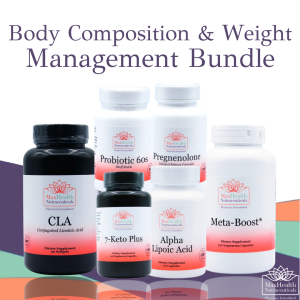
Body Composition & Weight Management Bundle
Disclosure: This post contains affiliate links. If you purchase through these links, we may earn a small commission at no extra cost to you. Learn more.
About the Author
Dr. Nicolle is a double board-certified physician in Family Medicine and Preventive Medicine, with certifications in Functional Medicine and Lifestyle Medicine. She helps busy professionals over 40 optimize their health through root-cause approaches to cardiovascular, hormonal, and metabolic health.
Learn more about Dr. Nicolle →Explore Related Topics
Dive deeper into these connected health areas
Hormone Health
Hormones are the chemical messengers that regulate virtually every process in your body — from metab…
Explore 🦠Gut Health
Your gut is far more than a digestive organ — it's home to 70% of your immune system, produces key n…
Explore 🌸Women's Health
Women's health encompasses a complex interplay of hormonal cycles, reproductive biology, and unique …
Explore 🧠Mental Health
Mental health is deeply interconnected with hormonal balance, gut health, blood sugar regulation, an…
Explore 📖Skin & Hair Health
Your skin and hair are windows into your internal health. Chronic acne, eczema, psoriasis, and hair …
ExploreReady to Address Your Health Concerns?
Book a Discovery Offer consultation to discuss how our functional medicine approach can help you achieve your health goals.
Book Your Discovery Offer