Emotional Eating & Food Addiction: Breaking the Cycle

- Emotional eating involves the same dopamine reward circuits as substance addiction — 'just stop' isn't a viable strategy.
- Ultra-processed foods cause dopamine receptor downregulation, requiring increasing amounts to achieve the same relief.
- Cortisol directly drives appetite for calorie-dense comfort foods — chronic stress maintains the craving cycle.
- The gut microbiome of people who crave sugar is measurably different — changing the microbiome can reduce cravings within 2–4 weeks.
- Stabilizing the biology first (blood sugar, sleep, gut health, nutrients) makes behavioral and emotional interventions dramatically more effective.
She knew exactly what she "should" be eating. She could recite macros, explain the glycemic index, and name every superfood on a magazine cover. She also ate an entire bag of peanut butter cups at 10 PM last Tuesday while watching TV, barely remembering the taste of any of them. When she told me about it in our visit, she couldn't make eye contact. "I don't know what's wrong with me," she said. "I just have no self-control."
I hear some version of this conversation every single week. And every time, I say the same thing: "This isn't a self-control problem. Let me show you what's actually happening in your brain."
Because once you understand the neurobiology — the dopamine hijacking, the cortisol-driven cravings, the blood sugar crashes that shut down your prefrontal cortex — the shame starts to lift. And that's when the real work can begin.
Emotional eating and food addiction involve the same dopamine reward circuits, stress response pathways, and hormonal signals that drive substance addiction. And just like addiction, the solution isn't "just stop" — it's understanding and rewiring the underlying mechanisms.
The Neuroscience: Why Willpower Fails
The Dopamine Reward Circuit
Ultra-processed foods — engineered to combine sugar, fat, and salt in ratios not found in nature — hijack the same mesolimbic dopamine pathway activated by drugs of abuse (1):
- First exposure: Large dopamine release → pleasure and relief
- Repeated exposure: Dopamine receptor downregulation → you need more to get the same effect
- Withdrawal: Low baseline dopamine → cravings, irritability, anhedonia (inability to feel pleasure from normal activities)
Stress and Cortisol
Cortisol — your primary stress hormone — directly drives eating behavior:
- Cortisol increases appetite, specifically for calorie-dense "comfort foods"
- These foods temporarily suppress the HPA axis stress response (negative reinforcement)
- Chronic stress keeps cortisol elevated, maintaining the craving cycle
- Burnout and exhaustion amplify emotional eating patterns
Blood Sugar Instability
Blood sugar crashes trigger emergency eating responses:
- Hypoglycemia activates the amygdala (fear center) and suppresses prefrontal cortex (rational decision-making)
- The brain prioritizes calorie acquisition over food quality
- Reactive hypoglycemia (crash after sugar spike) creates a cycle of cravings → binge → crash → cravings
Gut-Brain Axis
Your gut microbiome directly influences food cravings:
- Certain bacteria produce metabolites that drive sugar and carbohydrate cravings
- Gut inflammation disrupts serotonin production (95% is made in the gut)
- Low serotonin → increased carbohydrate seeking (tryptophan pathway)
- Candida overgrowth can intensify sugar cravings through direct metabolic signaling
The gut microbiome of people who crave sugar is measurably different from those who don't. Changing the microbiome through probiotics, prebiotics, and dietary modification can reduce cravings within 2–4 weeks — often faster than any psychological intervention alone.
Identifying Your Pattern
Emotional Eating vs. Physical Hunger
| Characteristic | Physical Hunger | Emotional Hunger |
|---|---|---|
| Onset | Gradual | Sudden |
| Location | Stomach (growling, emptiness) | Mouth and mind (specific cravings) |
| Satisfaction | Multiple foods satisfy | Only specific "comfort" foods satisfy |
| Stopping | Stops when full | Often continues past fullness |
| Afterward | Neutral or satisfied | Guilt, shame, or numbness |
| Trigger | Time since last meal | Stress, boredom, loneliness, sadness |
The Recovery Protocol
Phase 1: Stabilize the Biology (Weeks 1–4)
Before addressing the emotional and behavioral components, stabilize the physiological drivers:
- Stabilize blood sugar: Protein-rich breakfast within 1 hour of waking, balanced meals every 3–4 hours
- Optimize sleep: 7–9 hours, consistent schedule (sleep deprivation increases ghrelin and decreases leptin)
- Address nutrient deficiencies: Magnesium, B vitamins, omega-3s, vitamin D, chromium
- Support serotonin: 5-HTP or tryptophan (under guidance), B6 (P5P)
- Begin gut restoration: Probiotic support, remove ultra-processed foods
Phase 2: Rewire the Reward System (Weeks 4–12)
- 30-day ultra-processed food elimination: Remove all engineered hyper-palatable foods to allow dopamine receptor recovery
- Introduce natural reward activities: Exercise, social connection, creative expression, nature exposure
- Mindful eating practices: Eat without screens, chew slowly, notice satiety signals
- Stress response alternatives: When the urge to emotionally eat arises, use a 5-minute delay with breathwork, walking, or journaling
Phase 3: Address Emotional Roots (Ongoing)
- Identify primary emotional triggers (stress, loneliness, boredom, unprocessed grief or trauma)
- Develop alternative coping strategies for each trigger
- Consider therapy: CBT, DBT, or somatic approaches for deeper emotional work
- Practice self-compassion — shame reinforces the cycle; compassion breaks it
Phase 4: Maintain and Prevent Relapse
- Continue blood sugar stability practices
- Maintain gut health and microbiome diversity
- Monitor hormonal balance (hormonal shifts can retrigger patterns)
- Build a "relapse prevention plan" for high-risk situations (holidays, grief, work transitions)
Emotional eating isn't a willpower failure — it's a neurobiological pattern driven by dopamine dysregulation, cortisol, blood sugar instability, and gut health. Addressing the biology first makes the behavioral and emotional work dramatically more effective.
References
- Volkow ND, Wang GJ, Tomasi D, et al. Obesity and addiction: neurobiological overlaps. Obesity Reviews. 2013;14(1):2-18.
- Adam TC, Epel ES. Stress, eating and the reward system. Physiology & Behavior. 2007;91(4):449-458.
- Gearhardt AN, Corbin WR, Brownell KD. Preliminary validation of the Yale Food Addiction Scale. Appetite. 2009;52(2):430-436.
- Alcock J, Maley CC, Aktipis CA. Is eating behavior manipulated by the gastrointestinal microbiota? BioEssays. 2014;36(10):940-949.
- Epel ES, Tomiyama AJ, Mason AE, et al. The reward-based eating drive scale: a self-report index of reward-based eating. PLoS ONE. 2014;9(6):e101350.
- Macht M. How emotions affect eating: a five-way model. Appetite. 2008;50(1):1-11.
Supplements for Weight Management
Clinical-grade picks for this topic

TheraFrost Cold Plunge
$4,988.00

Thera360 PLUS Portable Sauna
$1,428.00

Inner Balance™ Coherence Plus
$249.00
Affiliate disclosure: The product links below are affiliate links — we may earn a commission at no extra cost to you. Recommendations are based on clinical use, not commissions. Learn more.
Frequently Asked Questions
Common questions about emotional eating & food addiction: breaking the cycle
Recommended Supplements
Professional-grade supplements from my MaxHealth Nutraceuticals line — the same formulas I use in clinical practice.
TheraFrost Cold Plunge
Thera360 PLUS Portable Sauna
Inner Balance™ Coherence Plus

SMART Yoga Mat (Green)
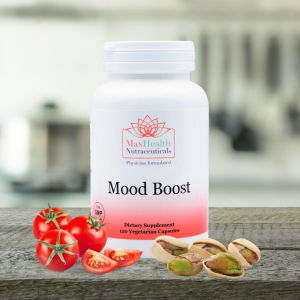
Mood Boost 120s
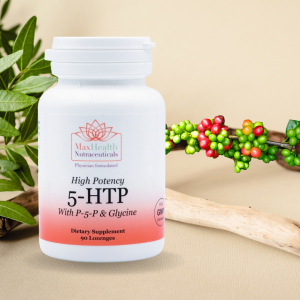
5-HTP 90s (with P5P & Glycine)
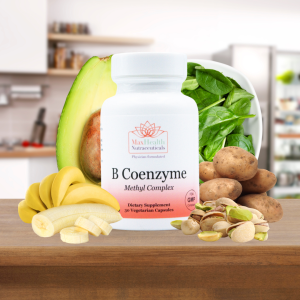
B Coenzyme Methyl Complex
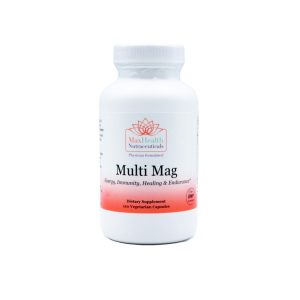
Multi Mag
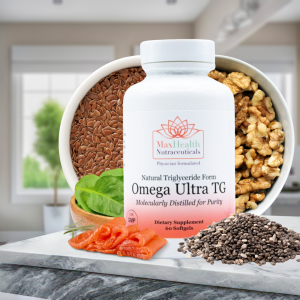
Omega Ultra TG
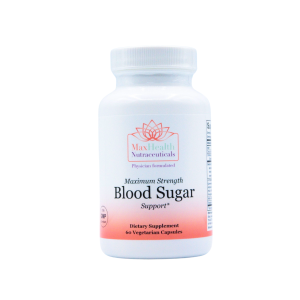
Blood Sugar Support 90s
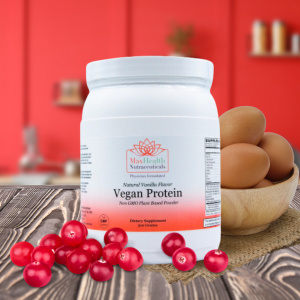
Vegan Protein Vanilla 510 Grams
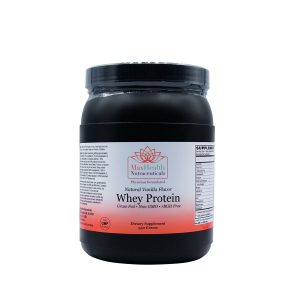
Whey Protein Vanilla 12 oz
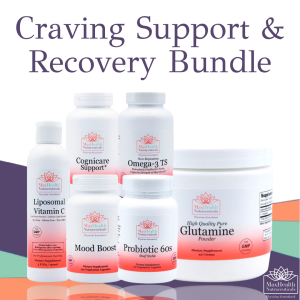
Craving Support and Recovery Bundle
Disclosure: This post contains affiliate links. If you purchase through these links, we may earn a small commission at no extra cost to you. Learn more.
About the Author
Dr. Nicolle is a double board-certified physician in Family Medicine and Preventive Medicine, with certifications in Functional Medicine and Lifestyle Medicine. She helps busy professionals over 40 optimize their health through root-cause approaches to cardiovascular, hormonal, and metabolic health.
Learn more about Dr. Nicolle →Explore Related Topics
Dive deeper into these connected health areas
Hormone Health
Hormones are the chemical messengers that regulate virtually every process in your body — from metab…
Explore 🦠Gut Health
Your gut is far more than a digestive organ — it's home to 70% of your immune system, produces key n…
Explore 🌸Women's Health
Women's health encompasses a complex interplay of hormonal cycles, reproductive biology, and unique …
Explore 💪Men's Health
Men's health involves a unique interplay of hormonal balance, cardiovascular resilience, metabolic e…
Explore 📖Skin & Hair Health
Your skin and hair are windows into your internal health. Chronic acne, eczema, psoriasis, and hair …
ExploreReady to Address Your Health Concerns?
Book a Discovery Offer consultation to discuss how our functional medicine approach can help you achieve your health goals.
Book Your Discovery Offer