Hypothyroidism Symptoms: The Complete Guide to Recognizing and Reversing the Hidden Signs

- Hypothyroidism causes far more than fatigue and weight gain — hidden signs include carpal tunnel, hoarseness, infertility, and morning temperatures below 97.8 F.
- TSH screening alone misses conversion disorders, peripheral hypothyroidism, and early Hashimoto's — a full panel (TSH, Free T4, Free T3, Reverse T3, antibodies, ferritin) is essential.
- Many drivers are reversible: iodine status, selenium and iron deficiency, chronic stress, gut dysfunction, and environmental toxins.
- Treatment must go beyond levothyroxine to address autoimmunity, nutrient repletion, cortisol balance, and gut health for lasting recovery.
The 38-year-old attorney sitting across from me had been told her thyroid was "fine" for three years. Her TSH was 3.8 — inside most lab reference ranges. She was sleeping ten hours a night and still fighting to keep her eyes open during depositions. Her hair was thinning at the temples. Her eyebrows were losing their outer third. She had gained 22 pounds on the same diet that had kept her lean through her twenties. Her LDL cholesterol had risen 35 points despite no dietary change. Her PCP had suggested she was stressed, maybe depressed, and offered an SSRI she never filled.
By the time she reached my functional medicine telehealth practice, she had done enough reading to suspect her thyroid. What she had not found was a coherent explanation for why her symptoms were so varied, why her labs were dismissed, and what to do about it beyond taking levothyroxine and hoping. This guide is that explanation.
What Hypothyroidism Actually Is
Hypothyroidism means insufficient thyroid hormone reaching your tissues. That can happen at multiple levels:
- Primary hypothyroidism: The thyroid gland itself underproduces hormone. Hashimoto's autoimmune thyroiditis is the most common cause in the developed world. Iodine deficiency remains the leading cause globally.
- Secondary hypothyroidism: The pituitary gland fails to secrete enough TSH, usually due to pituitary tumors, Sheehan's syndrome, or traumatic brain injury.
- Tertiary hypothyroidism: The hypothalamus fails to secrete TRH. Rare, usually associated with hypothalamic tumors or infiltrative disease.
- Peripheral hypothyroidism: The thyroid produces adequate T4, but conversion to active T3 is impaired, or cellular uptake is blocked. This is the pattern I see most often in functional medicine practice — and the one standard screening almost entirely misses.
The thyroid produces two hormones: T4 (thyroxine), the storage form, and smaller amounts of T3 (triiodothyronine), the active form that actually enters cells and regulates metabolism. Most hypothyroidism involves inadequate T4 production. But a significant subset involves normal T4 with poor conversion to T3 — and these patients often have a normal TSH, a normal Free T4, and devastating symptoms.
The Classic Symptoms Everyone Knows
These are the textbook signs that most physicians, and many patients, recognize:
- Fatigue and lethargy: Often profound and disproportionate to activity level. The fatigue of hypothyroidism is different from normal tiredness — it is a heaviness, a sense that the body is operating on low battery regardless of sleep duration.
- Weight gain and fluid retention: Typically 5-20 pounds that accumulate despite stable eating habits, often accompanied by puffiness in the face and extremities.
- Cold intolerance: Feeling cold when others are comfortable, especially in the hands and feet. This reflects reduced thermogenesis — the thyroid regulates body temperature directly.
- Constipation: Slowed gut motility is one of the most consistent gastrointestinal findings.
- Dry skin and brittle hair: Reduced sweat and sebum production, plus slowed turnover of skin cells, produces a characteristic rough, cool skin texture and hair that breaks easily.
- Hair loss: Diffuse thinning, especially at the crown and temples. The outer third of the eyebrows is a classic but not universal sign.
- Depression and cognitive slowing: Memory complaints, word-finding difficulty, and low mood are common. Many patients are misdiagnosed with depression before the thyroid is identified.
- Muscle cramps and weakness: Especially in the proximal muscles (thighs, upper arms). Creatine kinase may be mildly elevated.
- Bradycardia: Resting heart rate below 60 beats per minute in someone who is not an endurance athlete.
- Menstrual irregularities: Heavier or more frequent periods, or in more severe cases, amenorrhea.
- Elevated cholesterol: LDL cholesterol rises in proportion to the degree of hypothyroidism. This is one of the most underappreciated cardiovascular risk factors in midlife women.
If you have several of these, hypothyroidism should be on the differential. But the symptoms most patients actually present with are often subtler.
The Hidden Symptoms Conventional Medicine Often Misses
These are the clues that frequently get attributed to aging, stress, or "just life":
- Morning fatigue that improves slightly, then crashes again: The hallmark of a poor cortisol awakening response coupled with low thyroid — you don't wake up, and you don't recover.
- Needing a nap after meals: Postprandial fatigue this severe suggests both sluggish metabolism and reactive hypoglycemia driven by poor thyroid-mediated glucose handling.
- Carpal tunnel syndrome or tendonitis: Myxedema (fluid accumulation in tissues) compresses nerves and sheaths. I have seen patients scheduled for wrist surgery whose carpal tunnel resolved with thyroid optimization.
- Loss of the outer third of the eyebrows: Called Queen Anne's sign, it is specific though not sensitive. When present, it is highly suggestive.
- Hoarseness: Thickening of the vocal cords from myxedema can produce voice changes.
- Slowed speech and thinking: Not depression — a genuine metabolic slowing of neural processing.
- Low basal body temperature: Oral temperature below 97.8 F (36.5 C) upon waking. Not diagnostic on its own, but suggestive when clustered with other findings.
- Infertility and recurrent miscarriage: Thyroid hormone is essential for implantation and early pregnancy. Subclinical hypothyroidism is a known, reversible cause of infertility.
- Galactorrhea: Milk production outside of pregnancy, driven by elevated prolactin from TRH overstimulation.
- Hypertension: Diastolic hypertension in particular can result from increased vascular stiffness in hypothyroidism.
- Shortness of breath on exertion: Reduced cardiac output and weakened respiratory muscles.
- Sleep apnea: Hypothyroidism increases the risk of both obstructive and central sleep apnea — and treating the thyroid often improves it.
- Ferritin and iron abnormalities: Hypothyroidism impairs iron absorption and utilization, and iron deficiency impairs thyroid function. A vicious cycle that must be broken from both sides.
- Vitamin B12 deficiency: Associated with autoimmune gastritis, which co-occurs with Hashimoto's through shared autoimmune mechanisms.
- Slowed reflexes: On physical exam, the relaxation phase of deep tendon reflexes is prolonged. An old but reliable sign.
Quick Reference: Conventional vs. Functional Optimal Ranges
I keep this chart taped inside the cover of every patient's folder. The "Conventional" column is what most labs flag; the "Functional Optimal" column is where I actually want my patients to live.
| Marker | Conventional "Normal" | Functional Optimal |
|---|---|---|
| TSH | 0.45 - 4.50 mIU/L | 1.0 - 2.0 mIU/L |
| Free T4 | 0.8 - 1.8 ng/dL | 1.1 - 1.6 ng/dL |
| Free T3 | 2.3 - 4.2 pg/mL | 3.2 - 4.2 pg/mL |
| Reverse T3 | 8 - 25 ng/dL | < 15 ng/dL |
| FT3 : RT3 ratio | not reported | > 0.20 |
| TPO Antibodies | < 9 - 35 IU/mL | < 9 IU/mL |
| Tg Antibodies | < 1 - 4 IU/mL | < 1 IU/mL |
| Ferritin | 12 - 150 ng/mL | 70 - 120 ng/mL |
| Vitamin D (25-OH) | > 30 ng/mL | 50 - 80 ng/mL |
The Problem with Standard Screening
Most physicians order TSH alone. TSH is a pituitary hormone, not a thyroid hormone. It tells you what the pituitary thinks about thyroid status — but the pituitary and peripheral tissues can disagree. TSH also lags: tissue hypothyroidism can exist for months before TSH rises.
The standard reference range for TSH is typically 0.45-4.5 mIU/L. This range was derived from population studies that included people with early thyroid disease. The American Academy of Clinical Endocrinologists has long recommended narrowing the range to 0.3-3.0, but most commercial labs have not adopted this.
More importantly, TSH tells you nothing about:
- Whether T4 is converting to active T3
- Whether Reverse T3 is blocking T3 receptors
- Whether antibodies are attacking the thyroid (Hashimoto's)
- Whether nutrients required for thyroid function are adequate
- Whether other hormones (cortisol, estrogen) are interfering with thyroid action
The Complete Thyroid Panel I Order on Every Patient
If hypothyroidism is suspected, these are non-negotiable:
- TSH: But interpreted functionally. I flag anything above 2.5 for further evaluation.
- Free T4: The unbound, circulating storage hormone. Low-normal Free T4 with mid-range TSH often precedes overt hypothyroidism by years.
- Free T3: The active hormone. This is where the action is. Normal Free T4 with low Free T3 is a conversion problem, not a production problem.
- Reverse T3: The inactive mirror-image of T3. Elevated in chronic illness, stress, calorie restriction, and inflammation — it blocks active T3 from entering cells.
- TPO antibodies: Thyroid peroxidase antibodies. Present in ~90-95% of Hashimoto's cases. Their presence changes management entirely.
- Thyroglobulin antibodies: Present in ~80-90% of Hashimoto's. I order both because some patients are positive for only one.
- Ferritin, iron panel: Iron is required for TPO, the enzyme that iodinates tyrosine in thyroid hormone synthesis. Ferritin below 30 ng/mL impairs thyroid function even when hemoglobin is normal.
- Vitamin D: Low vitamin D is associated with higher TPO antibodies and worse thyroid function.
- Selenium: Required for deiodinase enzymes that convert T4 to T3.
- Zinc and magnesium: Cofactors for thyroid hormone synthesis and receptor binding.
- Cortisol pattern: High cortisol suppresses TSH, reduces T4-to-T3 conversion, and increases Reverse T3.
Root Causes and Reversible Drivers
Hypothyroidism is not always permanent. Some causes are fully reversible:
- Iodine deficiency or excess: Both ends of the spectrum impair hormone synthesis. The U.S. has moved from iodine-sufficient to iodine-marginal as consumption of iodized salt, dairy, and seafood has declined.
- Selenium deficiency: Deiodinase enzymes cannot function without selenium. Common in regions with low-soil selenium and in patients avoiding nuts and seeds.
- Iron deficiency: As noted, ferritin below 30 ng/mL directly impairs thyroid hormone production.
- Chronic stress and HPA axis dysfunction: Cortisol is the enemy of thyroid conversion. See my guide on HPA axis dysfunction.
- Gut dysfunction and intestinal permeability: The gut-thyroid axis is bidirectional. Inflammation increases Reverse T3. Certain gut bacteria are required for thyroid hormone metabolism.
- Liver and kidney disease: Both organs participate in T4-to-T3 conversion.
- Estrogen dominance or oral contraceptives: Excess estrogen increases thyroid-binding globulin, reducing free hormone availability.
- Chronic inflammation and autoimmune disease: The inflammatory cytokine IL-6 directly suppresses thyroid function at multiple levels.
- Certain medications: Lithium, amiodarone, interferon, and some chemotherapies are well-documented causes.
- Environmental toxins: Perchlorate, BPA, certain flame retardants, and heavy metals interfere with iodine uptake and thyroid hormone synthesis.
Treatment: Beyond Synthroid Alone
Levothyroxine (T4 only) is the standard of care and works well for many patients. But it does not address conversion issues, does not reduce antibodies, and does not correct the nutrient deficiencies and metabolic dysfunctions that caused or worsened the condition.
In my practice, treatment is layered:
1. Replace what is missing: For primary hypothyroidism, this usually means T4 (levothyroxine) or, when conversion is poor, a combination of T4 and T3. See my detailed guide on T3 combination therapy.
2. Address the autoimmune driver: For Hashimoto's, this means selenium, vitamin D, gut healing, gluten consideration, and inflammation reduction — not just hormone replacement.
3. Correct nutrient deficiencies: Ferritin, iodine, selenium, zinc, and magnesium are repleted based on testing, not guesswork.
4. Fix the cortisol-thyroid axis: Chronic stress must be addressed or thyroid hormone will not work effectively at the cellular level.
5. Support gut health: Healing intestinal permeability and rebalancing the microbiome reduces the inflammatory load that drives autoimmune activity.
6. Reduce environmental burden: Filtered water, clean food storage, and a personal-care audit reduce ongoing toxic exposure.
When to Seek Help
If you have persistent fatigue, unexplained weight gain, hair loss, cold intolerance, brain fog, or menstrual changes — and especially if you have been told your TSH is "normal" while symptoms persist — a complete functional thyroid workup is warranted. The standard screen misses a substantial percentage of patients with clinically significant thyroid dysfunction.
My telehealth practice evaluates patients across eight states. The workup includes the full panel described above, interpretation through a functional lens, and a treatment plan that addresses both hormone replacement and root-cause repair. If you are struggling with symptoms your current physician has dismissed, join the waitlist for an appointment.
Products and Protocols
Symptom relief in hypothyroidism is not just about thyroid hormone — it requires repleting the nutrients the thyroid axis depends on:
- Selenium 200mcg 60s — 200 mcg/day for T4-to-T3 conversion and antibody reduction
- Iodine Complex 120s — low-dose iodine when deficiency is documented
- Thyroid Herbal Support 90s — full-spectrum daily support with selenium, zinc, and herbal cofactors
- Vitamin D3 5000 IU + K2 — repletion to 50-70 ng/mL improves symptoms and lowers autoimmune activity
- B Coenzyme Methyl Complex — methylated B12 and folate for the fatigue and brain fog that low B12 amplifies
- Multi Mag — magnesium for constipation, sleep, and energy
- Adrenal (Energy & Stress) 120 Capsules — for patients whose adrenal load is suppressing thyroid output
- Hashi Support — for patients with positive TPO/Tg antibodies
These products are part of my MaxHealth Nutraceuticals line, formulated with the exact dosing and forms I use clinically.
Evidence-Based Dosing Ranges and Safety Notes
- Selenium: 100-200 mcg/day; UL 400 mcg/day per the Institute of Medicine. Chronic intake above 800 mcg/day risks selenosis.
- Iodine: RDA 150 mcg/day (220 mcg pregnancy, 290 mcg lactation); UL 1,100 mcg/day. I do not recommend high-dose iodine in patients with positive antibodies — it can worsen autoimmune thyroiditis.
- Vitamin D3: 1,000-5,000 IU/day for repletion; UL 4,000 IU/day (IOM). Monitor 25(OH)D and serum calcium every 3 months on higher doses. Discuss K2 dosing with your prescriber if you take warfarin.
- Magnesium glycinate: 200-400 mg elemental at bedtime; supplemental UL 350 mg elemental. Reduce or avoid in advanced kidney disease.
- Methylated B12 and folate: generally well tolerated; slow COMT patients may feel anxious and should start at half-dose.
- Adaptogens (ashwagandha, rhodiola) in adrenal blends can raise T4 and modulate cortisol — use cautiously in pregnancy and during active autoimmune flares.
Medication timing. If you take levothyroxine, NDT, or liothyronine, separate it from iron, calcium, magnesium, fiber, and high-dose multivitamins by at least 4 hours. When to call your clinician: new palpitations, tremor, unintended weight loss, neck swelling, or worsening anxiety after starting any thyroid-active supplement warrant prompt evaluation. Educational only; supplementation should be guided by current labs and your full medication list.
Interactions and Contraindications Checklist
Bring this list to your prescriber before starting or stacking any thyroid-active supplement:
- Thyroid hormone timing (levothyroxine, liothyronine, NDT): take on an empty stomach and separate by ≥4 hours from iron, calcium, magnesium, zinc, fiber, soy protein, and high-dose multivitamins — all measurably reduce absorption.
- Selenium: do not stack across products; combined intake >400 mcg/day risks selenosis. Avoid in patients already eating multiple Brazil nuts daily.
- Iodine: contraindicated in Graves' disease, toxic multinodular goiter, and active Hashimoto's flares. Avoid doses >500 mcg/day without documented deficiency and physician monitoring. Use caution with amiodarone, lithium, and potassium-sparing diuretics/ACE inhibitors/ARBs.
- Vitamin D3 + K2: K2 can interact with warfarin — coordinate INR monitoring. High-dose D3 is contraindicated in sarcoidosis, hypercalcemia, primary hyperparathyroidism, and active kidney stones.
- Ashwagandha and other adaptogens: avoid in pregnancy, lactation, active hyperthyroidism, and on immunosuppressants (tacrolimus, cyclosporine, mycophenolate). May potentiate sedatives, antidiabetic medications, and thyroid hormone.
- NAC: avoid within 2 hours of nitroglycerin (additive hypotension) and in active peptic ulcer disease; can interact with carbamazepine.
- Methylated B-complex: can drive anxiety or insomnia in MTHFR-sensitive individuals — lower the dose or take in the morning.
- Magnesium: separate from levothyroxine and from tetracycline/fluoroquinolone antibiotics by ≥4 hours. Use cautiously in advanced kidney disease.
- Adrenal/glandular formulas: contraindicated with corticosteroids, MAOIs, and in uncontrolled hypertension.
- Pregnancy and lactation: only iodine at RDA, selenium ≤200 mcg/day, and prenatal-appropriate vitamin D should be used without specialist guidance. Avoid adaptogens and antibody-lowering immune blends.
Red flag stop signs: rapid or irregular heartbeat, chest pain, severe headache, vision changes, jaundice, or rash after starting a new supplement — discontinue and contact your clinician immediately.
---
Related Thyroid Articles
Continue your thyroid education with these companion guides from our functional medicine series:
- Hashimoto's Thyroiditis: The Autoimmune Root Cause
- Subclinical Hypothyroidism: Should You Treat It?
- Thyroid Antibodies (TPO & Tg): What They Mean and How to Lower Them
- Thyroid Nodules: When to Worry, When to Watch
- T3 and Combination Thyroid Medication: A Physician's Guide
- Iodine and Selenium for Thyroid Health: Science and Risks
- Postpartum Thyroiditis: The Condition Most Moms Miss
References
- Jonklaas J, et al. Guidelines for the treatment of hypothyroidism. Thyroid. 2014;24(12):1670-1751.
- Gaitonde DY, et al. Hypothyroidism: an update. South Med J. 2012;105(3):192-199.
- Biondi B, Cooper DS. The clinical significance of subclinical thyroid dysfunction. Endocrine Reviews. 2008;29(1):76-131.
- Garber JR, et al. Clinical practice guidelines for hypothyroidism in adults. Endocr Pract. 2012;18(6):989-1028.
- Toulis KA, et al. Selenium supplementation in Hashimoto's thyroiditis: a systematic review and meta-analysis. Thyroid. 2010;20(10):1163-1173.
- Wartofsky L. Myxedema coma. Endocrinol Metab Clin North Am. 2006;35(4):687-698.
Supplements for Hormone Optimization
Clinical-grade picks for this topic
Affiliate disclosure: The product links below are affiliate links — we may earn a commission at no extra cost to you. Recommendations are based on clinical use, not commissions. Learn more.
Frequently Asked Questions
Common questions about hypothyroidism symptoms: the complete guide to recognizing and reversing the hidden signs
Recommended Supplements
Professional-grade supplements from my MaxHealth Nutraceuticals line — the same formulas I use in clinical practice.
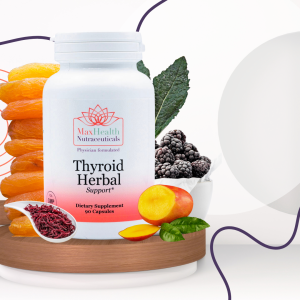
Thyroid Herbal Support 90s
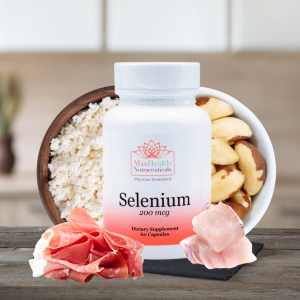
Selenium 200mcg 60s
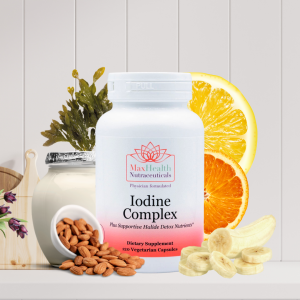
Iodine Complex 120s
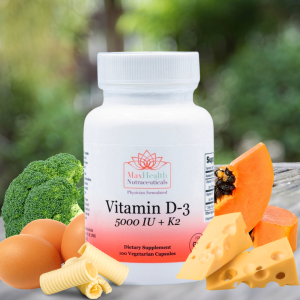
Vitamin D3 5000 IU + K2 CAPSULES 100s
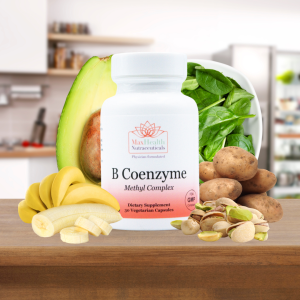
B Coenzyme Methyl Complex
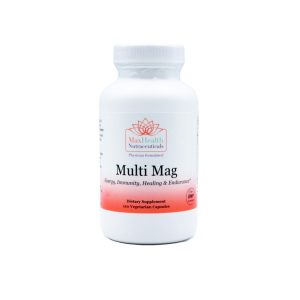
Multi Mag
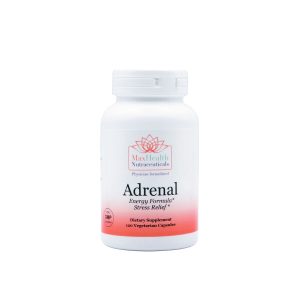
Adrenal (Energy & Stress) 120 Capsules
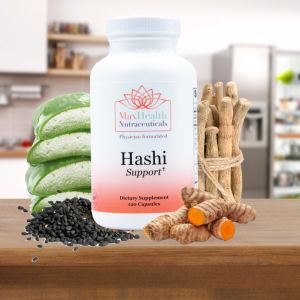
Hashi Support
Disclosure: This post contains affiliate links. If you purchase through these links, we may earn a small commission at no extra cost to you. Learn more.
About the Author
Dr. Nicolle is a double board-certified physician in Family Medicine and Preventive Medicine, with certifications in Functional Medicine and Lifestyle Medicine. She helps busy professionals over 40 optimize their health through root-cause approaches to cardiovascular, hormonal, and metabolic health.
Learn more about Dr. Nicolle →Explore Related Topics
Dive deeper into these connected health areas
Gut Health
Your gut is far more than a digestive organ — it's home to 70% of your immune system, produces key n…
Explore ❤️Metabolic Health
Metabolic health sits at the intersection of blood sugar regulation, cardiovascular function, body c…
Explore 🌸Women's Health
Women's health encompasses a complex interplay of hormonal cycles, reproductive biology, and unique …
Explore 💪Men's Health
Men's health involves a unique interplay of hormonal balance, cardiovascular resilience, metabolic e…
Explore 🧠Mental Health
Mental health is deeply interconnected with hormonal balance, gut health, blood sugar regulation, an…
Explore 📖Skin & Hair Health
Your skin and hair are windows into your internal health. Chronic acne, eczema, psoriasis, and hair …
ExploreReady to Address Your Health Concerns?
Book a Discovery Offer consultation to discuss how our functional medicine approach can help you achieve your health goals.
Book Your Discovery Offer