Thyroid Antibodies (TPO & Tg): What They Mean, When to Test, and How to Lower Them

- TPO and thyroglobulin antibodies are active markers of autoimmune thyroiditis, not incidental findings — even when TSH is normal.
- Elevated antibodies predict future hypothyroidism (about 5% per year in at-risk women) and correlate with current symptoms including fatigue, depression, and infertility.
- The most evidence-based interventions to lower antibodies: selenium 200mcg daily, vitamin D repletion to 50-70 ng/mL, gluten-free trial, gut healing, and avoiding high-dose iodine.
- Monitoring antibodies every 3-6 months allows tracking of disease activity and response to treatment.
The patient was 41, an executive at a tech company, and she brought me a spreadsheet. Twelve pages. Every thyroid lab she had drawn in the past four years, organized by date, with TSH, Free T4, Free T3, TPO antibodies, and thyroglobulin antibodies in columns. Her TPO had been 287, then 412, then 634, then 890. Her TSH had stayed between 2.1 and 3.4 the entire time. Three endocrinologists had told her the antibodies "don't matter" because her thyroid function was still normal. She was exhausted, losing hair, and watching the number climb with each annual physical.
She was right to be concerned. Thyroid antibodies are not incidental findings. They are markers of an active autoimmune process that, in her case, was progressively destroying thyroid tissue. The fact that her TSH had not yet crossed the diagnostic threshold for hypothyroidism did not mean the process was benign. It meant she had a window — and it was closing.
This guide is about that window. What thyroid antibodies mean, when they matter even when TSH is normal, and what can actually be done to reduce them.
What Thyroid Antibodies Actually Are
Antibodies are proteins produced by the immune system to identify and neutralize foreign substances. In autoimmune disease, the immune system mistakenly produces antibodies against the body's own tissues. In thyroid autoimmunity, the two primary targets are:
Thyroid Peroxidase (TPO) Antibodies
TPO is the enzyme in the thyroid gland that catalyzes the iodination of tyrosine residues on thyroglobulin — the essential first step in thyroid hormone synthesis. TPO antibodies attack this enzyme, directly impairing the thyroid's ability to produce hormone.
- Present in approximately 90-95% of Hashimoto's thyroiditis cases
- Also present in roughly 75% of Graves' disease cases
- Can be elevated in other autoimmune conditions, including pernicious anemia, type 1 diabetes, and celiac disease
- Often present in first-degree relatives of patients with autoimmune thyroid disease
Thyroglobulin (Tg) Antibodies
Thyroglobulin is the protein scaffold on which thyroid hormones are assembled within the thyroid follicle. Thyroglobulin antibodies attack this protein.
- Present in approximately 80-90% of Hashimoto's thyroiditis cases
- Less commonly elevated in Graves' disease
- Used primarily in thyroid cancer surveillance after total thyroidectomy (to monitor for recurrence)
- When elevated in the context of an intact thyroid, they strongly suggest autoimmune thyroiditis
Thyroid-Stimulating Immunoglobulins (TSI) / TSH Receptor Antibodies (TRAb)
These are the antibodies of Graves' disease — they stimulate the TSH receptor, causing hyperthyroidism. They are not the focus of this guide but should be checked if TPO and Tg are present with symptoms of hyperthyroidism rather than hypothyroidism.
Why Antibodies Matter Even When TSH Is Normal
This is the argument I have most often with conventional endocrinology: the notion that antibodies are irrelevant until TSH crosses a diagnostic threshold. The evidence does not support this.
Antibodies Predict Future Thyroid Dysfunction
Multiple longitudinal studies have shown that elevated TPO antibodies predict the future development of overt hypothyroidism. A landmark study in the *Journal of Clinical Endocrinology & Metabolism* found that among women with TSH in the upper normal range (2.0-4.0) and positive TPO antibodies, approximately 5% per year progressed to overt hypothyroidism (1). Over a decade, more than half of these patients became hypothyroid.
Antibodies Correlate with Symptoms Independent of TSH
Even when TSH is normal, elevated TPO antibodies are associated with:
- Increased fatigue
- Higher rates of depression and anxiety
- Impaired cognitive function
- Greater risk of infertility and miscarriage
- Higher LDL cholesterol
- Increased risk of postpartum thyroiditis
These are not "pre-disease" findings. They are active disease manifestations.
Antibody Levels Correlate with Disease Activity
While not perfectly linear, higher antibody levels generally indicate more active autoimmune inflammation. A TPO of 50 is different from a TPO of 900. The patient with a rapidly rising TPO is experiencing active immune-mediated destruction. Watching that number climb without intervention is clinical negligence.
Quick Reference: Antibody Interpretation Chart
Here is the framework I use when I sit down with a patient to read their antibody panel. Numbers below assume standard immunoassay reporting; ask your lab if their reference range differs.
| Antibody Pattern | What It Suggests | My Clinical Action |
|---|---|---|
| TPO < 9, Tg < 1 | No detectable autoimmunity | Reassure; recheck only if symptoms develop |
| TPO 9 - 100, Tg negative | Early or low-grade Hashimoto's | Lifestyle protocol, recheck in 3 - 6 months |
| TPO 100 - 500 | Active Hashimoto's | Full root-cause workup, selenium, vitamin D, gut work |
| TPO > 500 | Highly active autoimmunity | Aggressive protocol + monitor thyroid function closely |
| TPO negative, TSI / TRAb positive | Graves' disease pattern | Endocrinology co-management, do not assume Hashimoto's |
| Tg antibody positive in isolation | Less common; can mask thyroglobulin tumor markers | Confirm with repeat, evaluate nodules on ultrasound |
| Rising trend on serial testing | Active immune flare regardless of absolute number | Investigate triggers: gluten, infection, stress, gut |
How to Interpret Your Results
TPO Antibody Reference Ranges
Most labs consider TPO antibodies negative below 9-35 IU/mL, depending on the assay. From a functional medicine perspective:
- Negative (< 9 IU/mL): No evidence of autoimmune thyroid activity
- Borderline (9-50 IU/mL): Early or low-level immune activity; consider repeat testing in 3-6 months
- Elevated (50-200 IU/mL): Clear evidence of autoimmune thyroiditis; active intervention warranted
- High (> 200 IU/mL): Significant autoimmune activity; aggressive root-cause treatment needed
- Very high (> 500 IU/mL): Severe autoimmune inflammation; high risk of progression to overt hypothyroidism
Thyroglobulin Antibody Reference Ranges
Most labs consider Tg antibodies negative below 4 IU/mL.
- Negative (< 4 IU/mL): No evidence of anti-thyroglobulin autoimmunity
- Elevated (> 4 IU/mL): Consistent with autoimmune thyroiditis, especially when TPO is also positive
- High (> 100 IU/mL): Significant autoimmune activity
The Pattern Matters
- TPO positive, Tg negative: Typical early Hashimoto's. TPO usually appears first.
- TPO negative, Tg positive: Less common but well-documented. Some patients have Tg antibodies without TPO.
- Both positive: Classic Hashimoto's. The strongest evidence of autoimmune thyroiditis.
- Both negative: Autoimmune thyroiditis is unlikely, though not impossible (seronegative Hashimoto's exists but is rare).
What Raises Thyroid Antibodies
Understanding drivers is essential to lowering them:
Genetic Factors
- HLA-DR3, HLA-DR5, CTLA-4, PTPN22 polymorphisms increase risk
- Family history of Hashimoto's, Graves', pernicious anemia, celiac disease, or type 1 diabetes significantly raises risk
- Genetics load the gun; environment pulls the trigger
Environmental Triggers
- Iodine excess: High-dose iodine supplementation can trigger or worsen Hashimoto's in susceptible individuals. This is why I do not recommend high-dose iodine in anyone with positive antibodies.
- Selenium deficiency: Required for the deiodinase enzymes and for antioxidant protection of thyroid tissue. Low selenium worsens autoimmune activity.
- Vitamin D deficiency: Strongly associated with higher TPO antibodies and worse autoimmune thyroid outcomes.
- Chronic infections: Yersinia enterocolitica, Epstein-Barr virus, and hepatitis C have all been implicated.
- Gut dysbiosis and intestinal permeability: The gut-thyroid axis is well-established. Leaky gut allows antigenic molecules to enter the bloodstream and trigger immune responses.
- Gluten: Celiac disease and Hashimoto's share genetic links. Non-celiac gluten sensitivity may also contribute in susceptible individuals.
- Environmental toxins: Perchlorate (competes with iodine), BPA, phthalates, and certain flame retardants.
- Stress: Chronic HPA axis activation impairs immune regulation and increases inflammatory cytokines that drive autoimmunity.
- Pregnancy and postpartum: Immune shifts during and after pregnancy commonly trigger or worsen thyroid autoimmunity. See my guide on postpartum thyroiditis.
- Medications: Interferon-alpha, lithium, amiodarone, and immune checkpoint inhibitors.
Evidence-Based Strategies to Lower Antibodies
1. Selenium Supplementation
This is the most robustly studied intervention. Multiple randomized trials have shown that selenium 200 mcg daily reduces TPO antibody levels by 20-40% over 3-6 months (2). The mechanism is dual: selenium is required for deiodinase enzymes, and it supports the antioxidant enzyme glutathione peroxidase, which protects thyroid tissue from oxidative damage.
I typically use 100-200 mcg daily, preferring selenium yeast or selenomethionine. Brazil nuts are a food source — 2-3 nuts provide roughly 100-200 mcg — but selenium content varies enormously by soil and batch, so I do not rely on them as the sole source.
2. Vitamin D Repletion
Vitamin D is not a vitamin — it is a steroid hormone that modulates immune function. Low vitamin D is consistently associated with higher TPO antibodies and worse autoimmune thyroid outcomes.
I aim for serum 25-OH-D in the 50-70 ng/mL range. Dosing required to achieve this varies by baseline level, body weight, and absorption. Typical repletion doses range from 4,000-10,000 IU daily, with monitoring at 8-12 weeks. Vitamin D3 is preferred over D2.
3. Addressing Gluten
The evidence for gluten's role in Hashimoto's is substantial enough that I discuss it with every antibody-positive patient:
- Celiac disease and Hashimoto's share HLA haplotypes
- Approximately 4-6% of Hashimoto's patients have celiac disease (versus ~1% in the general population)
- A gluten-free diet has been shown to reduce TPO antibodies in some patients, even without celiac disease
- My clinical approach: trial a strict gluten-free diet for 3 months with repeat antibody testing. If antibodies drop and symptoms improve, the diet is continued
I do not claim gluten causes Hashimoto's in everyone. I do claim it is a modifiable factor worth testing.
4. Gut Healing
The gut-thyroid axis is one of the most important and underaddressed pathways:
- Test for intestinal permeability: zonulin, calprotectin, or a comprehensive stool analysis
- Remove inflammatory triggers: food sensitivities, infections, dysbiosis
- Replace digestive secretions: HCl, enzymes if deficient
- Reinoculate with beneficial bacteria: targeted probiotics, especially Lactobacillus and Bifidobacterium strains that support immune regulation
- Repair the gut lining: L-glutamine, zinc carnosine, mucilaginous herbs
See my guide on healing leaky gut for the full protocol.
5. Iodine Caution
This is critical: I do not recommend high-dose iodine in patients with positive thyroid antibodies. The mechanisms are well-documented:
- Iodine excess increases the immunogenicity of thyroglobulin
- High-dose iodine can trigger Hashimoto's flares and even induce hypothyroidism in susceptible individuals
- Iodine should be adequate but not excessive — approximately 150 mcg daily from food and low-dose supplements
The "iodine for thyroid" advice on the internet has harmed many patients. More is not better.
6. Stress Reduction and HPA Axis Support
Chronic stress impairs regulatory T-cell function, the immune cells that are supposed to prevent autoimmunity. Cortisol dysregulation directly worsens autoimmune thyroid disease. Interventions that help:
- Adequate sleep (7-8 hours, consistent timing)
- Mindfulness and meditation practices
- Adaptogenic herbs (ashwagandha, rhodiola — with thyroid-specific caution about ashwagandha in hyperthyroid states)
- Boundary-setting and workload management
7. Environmental Toxin Reduction
- Filtered water (reverse osmosis or carbon block that removes perchlorate)
- Glass and stainless steel for food storage and cooking
- Limit canned foods (BPA/BPS liners)
- Audit personal-care products for phthalates and parabens
- Air filtration, especially in high-traffic or industrial areas
8. Low-Dose Naltrexone (LDN)
LDN is an off-label, emerging therapy for autoimmune conditions. At doses of 1.5-4.5 mg nightly, it modulates opioid receptors and increases endorphin production, which in turn enhances immune regulation. Some patients experience significant antibody reduction on LDN. I consider it in patients with rapidly rising antibodies or significant symptoms despite other interventions. It requires a knowledgeable prescriber.
Monitoring and Expectations
I repeat antibody testing every 3-6 months during active treatment. Expectations:
- Selenium typically shows effects within 3 months
- Vitamin D repletion effects may take 3-6 months
- Gluten-free trial should be strict for 3 months before assessing
- Gut healing protocols often take 6-12 months for full effect
- Overall antibody reduction of 30-50% is realistic with comprehensive intervention; complete normalization is possible in some patients
The Bigger Picture
Thyroid antibodies are not a curiosity. They are a warning sign, a disease activity marker, and a treatment target. The conventional approach of waiting until the thyroid is destroyed enough to require hormone replacement ignores the entire window of opportunity during which the autoimmune process can be slowed, modified, or in some cases partially reversed.
If you have positive thyroid antibodies — even with a normal TSH — you have autoimmune thyroiditis. The question is not whether to treat. The question is whether to treat only with thyroid hormone, or to also address the immune system that is attacking your thyroid in the first place.
My functional medicine telehealth practice works with patients across eight states to do exactly that: full thyroid panels, antibody tracking, root-cause identification, and comprehensive treatment protocols that address both hormone status and immune regulation. If you are watching your antibody numbers climb and being told to wait, join the waitlist for a different approach.
Products and Protocols
When antibodies are elevated, my goal is to lower them while protecting the thyroid tissue that remains. I use:
- Selenium 200mcg 60s — the most evidence-supported antibody-lowering intervention; 200 mcg/day for 3-6 months
- Hashi Support — formulated specifically for Hashimoto's patients with selenium and targeted immune-modulating nutrients
- Thyroid Herbal Support 90s — full-spectrum support with selenium, zinc, and herbal cofactors
- Vitamin D3 5000 IU + K2 — repletion to 50-70 ng/mL is associated with lower antibody titers
- NAC 90s — N-acetylcysteine to support glutathione and reduce oxidative thyroid damage
- Autoimmune Support Bundle — bundled cofactors for patients managing multi-system autoimmunity
- GI Soothe (Powder) — for the gut permeability component that often drives autoimmune flares
These products are part of my MaxHealth Nutraceuticals line at the doses I use clinically. I do not recommend high-dose iodine (Lugol's, Iodoral, kelp megadoses) in patients with positive antibodies.
Evidence-Based Dosing Ranges and Safety Notes
- Selenium: 200 mcg/day for 3-6 months is the dose used in the antibody-lowering trials (Gartner 2002, Toulis 2010); UL 400 mcg/day. Avoid stacking selenium from multiple supplements — chronic intake above 800 mcg/day risks selenosis.
- Iodine: keep total intake near the RDA of 150 mcg/day in antibody-positive patients (220 mcg pregnancy, 290 mcg lactation); UL 1,100 mcg/day. High-dose iodine (Lugol's, Iodoral, kelp megadoses) increases the immunogenicity of thyroglobulin and can trigger Hashimoto's flares.
- Vitamin D3: 2,000-5,000 IU/day to reach a 25(OH)D of 50-70 ng/mL; UL 4,000 IU/day (IOM). Recheck 25(OH)D and serum calcium every 3 months on higher doses.
- NAC: 600-1,200 mg/day to support glutathione; mild GI upset and a transient sulfur smell are the most common complaints.
- Zinc (in autoimmune bundles): keep total daily zinc ≤ 40 mg — chronic higher intake depletes copper.
- GI Soothe / glutamine-based powders: generally well tolerated; reduce dose if you experience bloating in the first week.
Pregnancy and lactation note. Many adaptogens (ashwagandha, rhodiola) and high-dose immune blends are not recommended in pregnancy or while breastfeeding — selenium 200 mcg has the best safety data in this group, but any antibody-lowering protocol during pregnancy should be supervised. When to call your clinician: new palpitations, tremor, neck swelling, or unintended weight loss after starting any thyroid-active supplement warrant prompt evaluation. Educational only; not a substitute for individualized care.
Interactions and Contraindications Checklist
Bring this list to your prescriber before starting or stacking any thyroid-active supplement:
- Thyroid hormone timing (levothyroxine, liothyronine, NDT): take on an empty stomach and separate by ≥4 hours from iron, calcium, magnesium, zinc, fiber, soy protein, and high-dose multivitamins — all measurably reduce absorption.
- Selenium: do not stack across products; combined intake >400 mcg/day risks selenosis. Avoid in patients already eating multiple Brazil nuts daily.
- Iodine: contraindicated in Graves' disease, toxic multinodular goiter, and active Hashimoto's flares. Avoid doses >500 mcg/day without documented deficiency and physician monitoring. Use caution with amiodarone, lithium, and potassium-sparing diuretics/ACE inhibitors/ARBs.
- Vitamin D3 + K2: K2 can interact with warfarin — coordinate INR monitoring. High-dose D3 is contraindicated in sarcoidosis, hypercalcemia, primary hyperparathyroidism, and active kidney stones.
- Ashwagandha and other adaptogens: avoid in pregnancy, lactation, active hyperthyroidism, and on immunosuppressants (tacrolimus, cyclosporine, mycophenolate). May potentiate sedatives, antidiabetic medications, and thyroid hormone.
- NAC: avoid within 2 hours of nitroglycerin (additive hypotension) and in active peptic ulcer disease; can interact with carbamazepine.
- Methylated B-complex: can drive anxiety or insomnia in MTHFR-sensitive individuals — lower the dose or take in the morning.
- Magnesium: separate from levothyroxine and from tetracycline/fluoroquinolone antibiotics by ≥4 hours. Use cautiously in advanced kidney disease.
- Adrenal/glandular formulas: contraindicated with corticosteroids, MAOIs, and in uncontrolled hypertension.
- Pregnancy and lactation: only iodine at RDA, selenium ≤200 mcg/day, and prenatal-appropriate vitamin D should be used without specialist guidance. Avoid adaptogens and antibody-lowering immune blends.
Red flag stop signs: rapid or irregular heartbeat, chest pain, severe headache, vision changes, jaundice, or rash after starting a new supplement — discontinue and contact your clinician immediately.
---
Related Thyroid Articles
Continue your thyroid education with these companion guides from our functional medicine series:
- Hashimoto's Thyroiditis: The Autoimmune Root Cause
- Hypothyroidism Symptoms: Recognizing and Reversing the Hidden Signs
- Subclinical Hypothyroidism: Should You Treat It?
- Thyroid Nodules: When to Worry, When to Watch
- T3 and Combination Thyroid Medication: A Physician's Guide
- Iodine and Selenium for Thyroid Health: Science and Risks
- Postpartum Thyroiditis: The Condition Most Moms Miss
References
- Vanderpump MP, et al. The incidence of thyroid disorders in the community: a twenty-year follow-up of the Whickham Survey. Clin Endocrinol (Oxf). 1995;43(1):55-68.
- Toulis KA, et al. Selenium supplementation in the treatment of Hashimoto's thyroiditis: a systematic review and a meta-analysis. Thyroid. 2010;20(10):1163-1173.
- Chiovato L, et al. Hashimoto's thyroiditis. In: Feingold KR, et al., eds. Endotext. South Dartmouth (MA): MDText.com, Inc.; 2000-2023.
- Strieder TG, et al. Prediction of progression to overt hypothyroidism or hyperthyroidism in female relatives of patients with autoimmune thyroid disease. Br J Cancer. 2005;92(11):2017-2022.
Supplements for Hormone Optimization
Clinical-grade picks for this topic
Affiliate disclosure: The product links below are affiliate links — we may earn a commission at no extra cost to you. Recommendations are based on clinical use, not commissions. Learn more.
Frequently Asked Questions
Common questions about thyroid antibodies (tpo & tg): what they mean, when to test, and how to lower them
Recommended Supplements
Professional-grade supplements from my MaxHealth Nutraceuticals line — the same formulas I use in clinical practice.
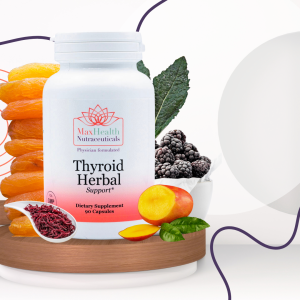
Thyroid Herbal Support 90s
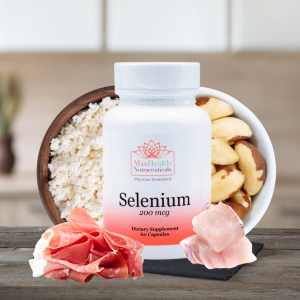
Selenium 200mcg 60s
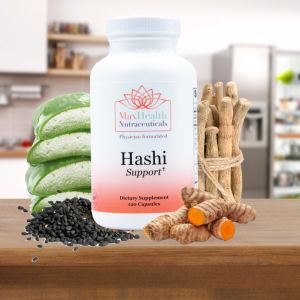
Hashi Support
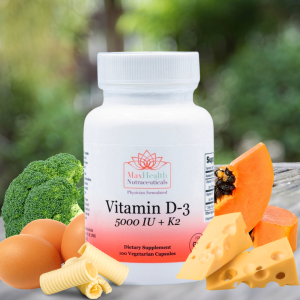
Vitamin D3 5000 IU + K2 CAPSULES 100s
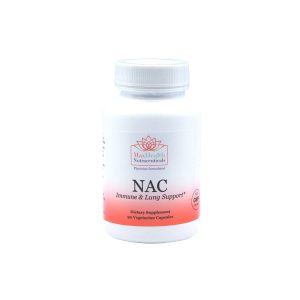
NAC 90s
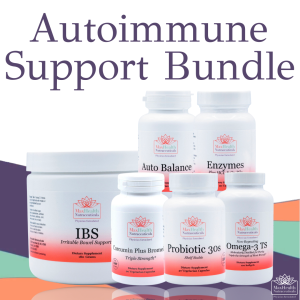
Autoimmune Support Bundle
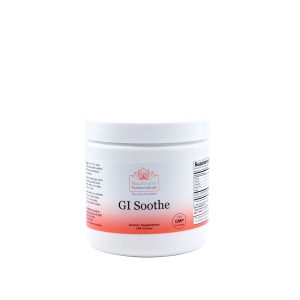
GI Soothe (Powder) 168 Grams
Disclosure: This post contains affiliate links. If you purchase through these links, we may earn a small commission at no extra cost to you. Learn more.
About the Author
Dr. Nicolle is a double board-certified physician in Family Medicine and Preventive Medicine, with certifications in Functional Medicine and Lifestyle Medicine. She helps busy professionals over 40 optimize their health through root-cause approaches to cardiovascular, hormonal, and metabolic health.
Learn more about Dr. Nicolle →Explore Related Topics
Dive deeper into these connected health areas
Gut Health
Your gut is far more than a digestive organ — it's home to 70% of your immune system, produces key n…
Explore ❤️Metabolic Health
Metabolic health sits at the intersection of blood sugar regulation, cardiovascular function, body c…
Explore 🌸Women's Health
Women's health encompasses a complex interplay of hormonal cycles, reproductive biology, and unique …
Explore 💪Men's Health
Men's health involves a unique interplay of hormonal balance, cardiovascular resilience, metabolic e…
Explore 🧠Mental Health
Mental health is deeply interconnected with hormonal balance, gut health, blood sugar regulation, an…
Explore 📖Skin & Hair Health
Your skin and hair are windows into your internal health. Chronic acne, eczema, psoriasis, and hair …
ExploreReady to Address Your Health Concerns?
Book a Discovery Offer consultation to discuss how our functional medicine approach can help you achieve your health goals.
Book Your Discovery Offer