T3 and Combination Thyroid Medication: A Functional Medicine Physician's Guide

- T4 monotherapy works well for ~80% of treated patients. The other 15-20% are a legitimate audience for combination therapy.
- Reasons for poor T4-to-T3 conversion include DIO2 polymorphism, low ferritin, low selenium, cortisol dysregulation, and inflammation — most are addressable without adding T3.
- If T3 is added, monitor labs and symptoms closely. Targets: TSH 0.4-2.0 (not suppressed below 0.1), Free T3 upper half of range, FT3/RT3 ratio > 20.
- Avoid T3-containing therapy in atrial fibrillation, significant CAD, pregnancy, and patients who have not had reversible drivers corrected first.
I have spent a lot of clinical hours having this conversation: a patient on levothyroxine, TSH "perfect," still exhausted, still gaining weight, still cold all the time. Her endocrinologist is friendly and competent and tells her — again — that her thyroid is well-treated and the symptoms must be coming from somewhere else. She is on the internet by the end of the week reading about T3, Armour, NP Thyroid, Nature-Throid, Cytomel, and a dozen functional-medicine practitioners with strong opinions and weak references. By the time she lands in my telehealth practice, she has either been gaslit out of her own experience or talked into a regimen that may be helping, may be harming, or may be doing nothing.
T3 and combination thyroid therapy is one of the most polarized topics in modern endocrinology, and most of the published commentary on either side is either too dismissive or too enthusiastic. As a double board-certified physician who prescribes both standard and compounded thyroid therapy in functional medicine telehealth, I want to lay out what the actual evidence supports, who genuinely benefits from going beyond levothyroxine, how to do it safely, and where the wellness internet leads patients astray.
Thyroid Hormone, Briefly
Your thyroid makes roughly 80% T4 (the storage form) and 20% T3 (the active form, three to four times more potent at the receptor). The body converts T4 to T3 — and to inactive Reverse T3 — in the liver, kidneys, gut, and at the tissue level via the deiodinase enzyme family (DIO1, DIO2, DIO3). When the system is working, this conversion is responsive and tissue-specific.
Levothyroxine (synthetic T4) was developed under the assumption that supplying T4 alone allows the body to convert what it needs. For roughly 80% of treated patients, this is true — symptoms resolve and labs normalize on T4 monotherapy and there is no reason to add anything (1). For the remaining 15-20%, the conversion is impaired enough, or the symptom burden is severe enough, that the conversation about T3 is legitimate.
Why Some Patients Don't Convert Well
Several reasons, and identifying which one matters because some are fixable:
- DIO2 gene polymorphism (Thr92Ala). Present in roughly 12-16% of the population. Carriers show reduced T4-to-T3 conversion in the brain and may experience persistent fatigue, mood symptoms, and cognitive complaints despite normal TSH on levothyroxine (2).
- Selenium deficiency. Deiodinase enzymes are selenium-dependent.
- Iron deficiency. Ferritin < 50 ng/mL impairs both conversion and TPO function.
- Chronic stress and elevated cortisol. Shunts T4 toward inactive Reverse T3 rather than active T3 — the "Reverse T3 dominance" pattern.
- Caloric restriction and overtraining. Adaptive down-regulation of conversion.
- Inflammation and chronic illness. Cytokine-driven impairment of DIO1 activity.
- Gut dysfunction. Around 20% of conversion happens in the gut.
- Certain medications. Beta blockers (especially propranolol), amiodarone, glucocorticoids, and some chemotherapeutics all impair conversion.
- Pituitary or central hypothyroidism. TSH is unreliable as a treatment target in this group — Free T4 and Free T3 must be used instead.
Before adding T3, I want to know which of these are operating. Fixing iron, selenium, cortisol, and inflammation will normalize conversion in a meaningful proportion of patients, and they will then feel well on T4 monotherapy after all.
What the Evidence Actually Says
The RCT literature on T4/T3 combination therapy is genuinely mixed. Aggregated meta-analyses of older trials found no average benefit over T4 monotherapy (3). However, several more recent and methodologically careful trials have shown improvements in specific outcomes — mood, neurocognitive measures, and patient-preferred therapy — in subgroups, particularly DIO2 polymorphism carriers (4). The American Thyroid Association's most recent guidance acknowledges that combination therapy is reasonable to consider in patients who remain symptomatic on adequate T4 monotherapy after reversible factors are addressed (5).
The honest summary: T4 monotherapy is correct for most patients, T4/T3 is a reasonable trial for a real and identifiable minority, and the evidence does not support routine combination therapy for everyone with hypothyroidism.
The Medication Options, Explained
- Levothyroxine (Synthroid, Levoxyl, Tirosint). Synthetic T4. The standard. Tirosint (liquid gel cap) is helpful for patients with absorption issues (celiac, gastric bypass, PPI use).
- Liothyronine (Cytomel). Synthetic T3. Short half-life (about 24 hours), so it is typically dosed twice daily and added at low doses (5-10 mcg) to a reduced T4 dose.
- Compounded sustained-release T3 (SR-T3). Slow-release T3 prepared by a compounding pharmacy. Smoother daily levels, often easier to tolerate, but quality varies by pharmacy.
- Natural desiccated thyroid (Armour, NP Thyroid, WP Thyroid, Nature-Throid). Porcine-derived. Contains both T4 and T3 in a fixed ratio (roughly 4:1). One grain = 60 mg = 38 mcg T4 + 9 mcg T3.
- Compounded T4/T3 in custom ratios. Useful when commercial preparations don't fit a patient's biochemistry.
There is no single "best" preparation. The right choice depends on the patient's biology, the prescriber's experience, monitoring access, and the availability of a reliable compounding pharmacy.
Quick Reference: Thyroid Medication Comparison Chart
I review this chart with every patient before we change preparations. There is no universally "best" option — only the option that fits *this* patient's biology.
| Medication | What's In It | Typical Dose Range | Strengths | Limitations |
|---|---|---|---|---|
| Levothyroxine (Synthroid, Tirosint) | T4 only | 25 - 200 mcg / day | Stable, well-studied, once-daily, easy to titrate | No T3; assumes normal conversion, which ~10 - 15% of patients lack |
| Liothyronine (Cytomel) | T3 only | 5 - 25 mcg / day, usually split BID | Powerful for symptomatic non-converters | Short half-life, must be split; tighter monitoring required |
| Levothyroxine + Liothyronine | T4 + T3 | T4 + 5 - 10 mcg T3 | Mimics natural ratio; titratable independently | Two prescriptions; insurance friction |
| NDT — Armour / NP Thyroid / WP Thyroid | Porcine T4 + T3 (~4:1) | 30 - 120 mg (½ - 2 grains) | Contains T1, T2, T3, T4; many patients feel best on it | Fixed ratio; FDA reformulations have caused dose variability |
| Compounded T4/T3 | Custom ratio | Patient-specific | Allows fine-tuned ratio (e.g., 10:1, 15:1) | Requires reliable compounding pharmacy; usually cash-pay |
| Slow-release T3 (compounded) | Sustained-release T3 | 5 - 15 mcg / day | Smoother T3 levels than IR liothyronine | Less stable absorption between compounders |
My Clinical Framework
Who I will consider for T3-containing therapy:
- Stable on adequate levothyroxine, persistently symptomatic despite normal TSH and Free T4
- Persistently low Free T3, particularly in the lower 25% of the reference range
- Elevated Reverse T3 or low Free T3 / Reverse T3 ratio (< 20)
- Confirmed DIO2 polymorphism in patients with consistent symptoms
- Selected central/pituitary hypothyroidism cases
- Patient preference after a thorough informed-consent conversation, when reversible drivers have been addressed
Who I will *not* start on T3:
- Patients with active arrhythmia, particularly atrial fibrillation
- Significant coronary artery disease without cardiology input
- Patients over 60 with osteoporosis or significant fracture risk without careful risk-benefit conversation
- Pregnancy (T4 monotherapy is standard; T3 does not cross the placenta well)
- Patients who have not first had iron, vitamin D, selenium, cortisol, and gut function addressed
- Patients who self-report "I want to try Armour because someone on Reddit lost weight on it"
How I Dose
The general principle: reduce T4, add T3 conservatively, monitor frequently. A typical transition from 100 mcg levothyroxine to combination therapy might look like:
- Reduce levothyroxine to 75-88 mcg
- Add liothyronine 5 mcg in the morning, with consideration of a second 5 mcg dose mid-afternoon
- Recheck TSH, Free T4, and Free T3 at 6-8 weeks
- Adjust based on labs and symptoms — not labs alone
For natural desiccated thyroid, a typical starting transition is roughly 1 grain (60 mg) NDT in place of 75-100 mcg levothyroxine, with similar follow-up labs.
Targets I aim for:
- TSH: usually 0.4-2.0 mIU/L (and not suppressed below 0.1)
- Free T4: mid-to-upper-normal range
- Free T3: upper half of the reference range, ideally 3.2-4.0 pg/mL
- Reverse T3: as low as possible within range
- Free T3 / Reverse T3 ratio: > 20
I do not chase Free T3 above the reference range. I do not allow TSH suppression below 0.1 chronically. Both are how patients end up in trouble.
What Patients Should Watch For
On any T3-containing regimen, the patient is the most important sensor:
- Improvements typically include energy, cognitive clarity, mood, temperature regulation, hair quality, bowel regularity, and sometimes a modest improvement in weight regulation when paired with appropriate nutrition and movement.
- Warning signs of over-replacement include palpitations, tremor, anxiety, insomnia, sweating, heat intolerance, unintentional weight loss, and elevated resting heart rate. These warrant a dose reduction and a lab check.
- Cardiac symptoms — chest pain, new palpitations, atrial fibrillation — require an immediate call to the prescriber and usually a temporary hold.
What Goes Wrong on the Wellness Internet
The patterns I see come up most often:
- T3 prescribed without a thyroid panel that includes Reverse T3, Free T3, antibodies, and a serious cortisol evaluation
- NDT prescribed without informed consent about TSH suppression, bone density, and atrial fibrillation risk
- Doses titrated up based on "I still don't feel great" without checking labs
- Patients told they have "Reverse T3 dominance" with no plan to address the chronic stress, low cortisol output, low ferritin, or chronic infection actually driving it
- Patients told to ignore TSH entirely, which is a defensible position in some narrow scenarios and dangerous in most
- Compounded thyroid prescribed without verifying pharmacy quality
The right way to use T3 requires more, not less, monitoring than levothyroxine. It is more, not less, work for both physician and patient. Done right, it is genuinely valuable for the right subset of patients. Done sloppily, it is one of the more common ways midlife patients end up with iatrogenic atrial fibrillation, osteoporosis, or anxiety disorders.
How This Looks in My Practice
The sequence I typically run with a patient who is potentially a combination-therapy candidate:
1. Confirm we have the right diagnosis — review every prior thyroid lab and confirm dosing and timing of levothyroxine.
2. Run the complete panel: TSH, Free T4, Free T3, Reverse T3, TPO and thyroglobulin antibodies, ferritin, iron panel, vitamin D, selenium, B12, comprehensive metabolic panel, lipids, fasting insulin and HbA1c, cortisol pattern.
3. Address every reversible driver — iron, vitamin D, selenium, cortisol, gut function, sleep, inflammation — and recheck symptoms and labs at 12 weeks.
4. If significant symptoms remain with persistently low Free T3 or high Reverse T3, discuss T3-containing therapy with explicit informed consent.
5. Initiate cautiously, monitor labs at 6-8 weeks, titrate based on labs and symptoms, and continue ongoing monitoring at least every 6 months.
This is slower than what most patients want and significantly more rigorous than what most online practices offer. It is also why the patients who arrive on questionable regimens often end up better on a more conservative one.
A Realistic Closing
T3 and combination thyroid therapy is neither a miracle nor a fringe. It is a legitimate tool for an identifiable minority of patients who do not feel well on levothyroxine alone after reversible drivers have been addressed. The right prescriber is one who is comfortable saying no when no is the right answer, comfortable saying yes when the patient's biology genuinely supports it, and committed to monitoring closely either way.
If you are on levothyroxine, your labs are "perfect," and you feel terrible — you are not crazy and your symptoms are not in your head. They may be coming from your thyroid, or they may be coming from the things that influence your thyroid. Both deserve a thorough workup. That is the conversation my practice exists to have. We see patients across eight states by telehealth.
Related Thyroid Articles
Continue your thyroid education with these companion guides from our functional medicine series:
- Hashimoto's Thyroiditis: The Autoimmune Root Cause
- Hypothyroidism Symptoms: Recognizing and Reversing the Hidden Signs
- Subclinical Hypothyroidism: Should You Treat It?
- Thyroid Antibodies (TPO & Tg): What They Mean and How to Lower Them
- Thyroid Nodules: When to Worry, When to Watch
- Iodine and Selenium for Thyroid Health: Science and Risks
- Postpartum Thyroiditis: The Condition Most Moms Miss
Products and Protocols
T3-containing regimens only work when the cellular machinery is intact. Alongside any prescription change, I optimize the cofactors:
- Selenium 200mcg 60s — required for the deiodinase enzymes that convert T4 to active T3
- Thyroid Herbal Support 90s — selenium, zinc, and herbal support for the conversion pathway
- Vitamin D3 5000 IU + K2 — corrects a common conversion blocker
- B Coenzyme Methyl Complex — methylated B vitamins for mitochondrial energy production
- Multi Mag — magnesium for cellular energy and stress regulation
- Adrenal (Energy & Stress) 120 Capsules — for the HPA-axis component that often coexists with poor conversion
These products are available through my MaxHealth Nutraceuticals line at the exact dosing I use clinically. Supplementation does not replace appropriate prescription thyroid hormone; it makes the prescription work better.
Evidence-Based Dosing Ranges and Safety Notes
- Selenium: 100-200 mcg/day; UL 400 mcg/day. Doses sustained above 800 mcg/day risk selenosis (hair/nail brittleness, GI upset, neuropathy).
- Vitamin D3: 1,000-5,000 IU/day for repletion; UL 4,000 IU/day (IOM). Monitor 25(OH)D and serum calcium on higher doses.
- Magnesium glycinate: 200-400 mg elemental at bedtime; supplemental UL 350 mg elemental. Reduce in kidney disease.
- Methylated B vitamins: well tolerated for most; start at half-dose if you have anxiety on stimulating B-complex formulas.
- Adaptogens in adrenal and thyroid blends (ashwagandha, rhodiola) can raise T4 and influence cortisol — recheck a full thyroid panel 6-8 weeks after starting, especially if you are on a T3-containing regimen.
Medication timing — critical for T3 regimens. Take levothyroxine, liothyronine (Cytomel), or NDT (Armour, NP Thyroid) on an empty stomach, then wait 30-60 minutes before food. Separate the dose from iron, calcium, magnesium, fiber supplements, and high-dose multivitamins by at least 4 hours — these blunt absorption and can destabilize a previously well-controlled regimen. T3-containing medications can cause palpitations, tremor, or insomnia if dosed too high; report any of these symptoms promptly and recheck labs 6-8 weeks after any dose change. Educational only; do not adjust prescription thyroid medication without your clinician.
Interactions and Contraindications Checklist
Bring this list to your prescriber before starting or stacking any thyroid-active supplement:
- Thyroid hormone timing (levothyroxine, liothyronine, NDT): take on an empty stomach and separate by ≥4 hours from iron, calcium, magnesium, zinc, fiber, soy protein, and high-dose multivitamins — all measurably reduce absorption.
- Selenium: do not stack across products; combined intake >400 mcg/day risks selenosis. Avoid in patients already eating multiple Brazil nuts daily.
- Iodine: contraindicated in Graves' disease, toxic multinodular goiter, and active Hashimoto's flares. Avoid doses >500 mcg/day without documented deficiency and physician monitoring. Use caution with amiodarone, lithium, and potassium-sparing diuretics/ACE inhibitors/ARBs.
- Vitamin D3 + K2: K2 can interact with warfarin — coordinate INR monitoring. High-dose D3 is contraindicated in sarcoidosis, hypercalcemia, primary hyperparathyroidism, and active kidney stones.
- Ashwagandha and other adaptogens: avoid in pregnancy, lactation, active hyperthyroidism, and on immunosuppressants (tacrolimus, cyclosporine, mycophenolate). May potentiate sedatives, antidiabetic medications, and thyroid hormone.
- NAC: avoid within 2 hours of nitroglycerin (additive hypotension) and in active peptic ulcer disease; can interact with carbamazepine.
- Methylated B-complex: can drive anxiety or insomnia in MTHFR-sensitive individuals — lower the dose or take in the morning.
- Magnesium: separate from levothyroxine and from tetracycline/fluoroquinolone antibiotics by ≥4 hours. Use cautiously in advanced kidney disease.
- Adrenal/glandular formulas: contraindicated with corticosteroids, MAOIs, and in uncontrolled hypertension.
- Pregnancy and lactation: only iodine at RDA, selenium ≤200 mcg/day, and prenatal-appropriate vitamin D should be used without specialist guidance. Avoid adaptogens and antibody-lowering immune blends.
Red flag stop signs: rapid or irregular heartbeat, chest pain, severe headache, vision changes, jaundice, or rash after starting a new supplement — discontinue and contact your clinician immediately.
---
References
- Jonklaas J, et al. Guidelines for the treatment of hypothyroidism: prepared by the American Thyroid Association Task Force on thyroid hormone replacement. Thyroid. 2014;24(12):1670-1751.
- Panicker V, et al. Common variation in the DIO2 gene predicts baseline psychological well-being and response to combination thyroxine plus triiodothyronine therapy in hypothyroid patients. J Clin Endocrinol Metab. 2009;94(5):1623-1629.
- Grozinsky-Glasberg S, et al. Thyroxine-triiodothyronine combination therapy versus thyroxine monotherapy for clinical hypothyroidism: meta-analysis of randomized controlled trials. J Clin Endocrinol Metab. 2006;91(7):2592-2599.
- Wiersinga WM, et al. 2012 ETA Guidelines: The use of L-T4 + L-T3 in the treatment of hypothyroidism. Eur Thyroid J. 2012;1(2):55-71.
- Jonklaas J, et al. Evidence-based use of levothyroxine/liothyronine combinations in treating hypothyroidism: a consensus document. Thyroid. 2021;31(2):156-182.
Supplements for Hormone Optimization
Clinical-grade picks for this topic

Thyroid Herbal Support 90s
$62.00

Selenium 200mcg 60s
$29.00

Vitamin D3 5000 IU + K2 CAPSULES 100s
$34.00
Affiliate disclosure: The product links below are affiliate links — we may earn a commission at no extra cost to you. Recommendations are based on clinical use, not commissions. Learn more.
Frequently Asked Questions
Common questions about t3 and combination thyroid medication: a functional medicine physician's guide
Recommended Supplements
Professional-grade supplements from my MaxHealth Nutraceuticals line — the same formulas I use in clinical practice.
Thyroid Herbal Support 90s
Selenium 200mcg 60s
Vitamin D3 5000 IU + K2 CAPSULES 100s
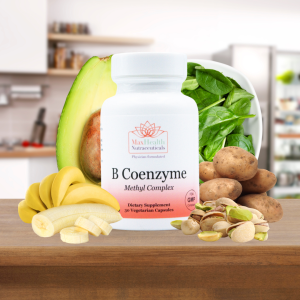
B Coenzyme Methyl Complex
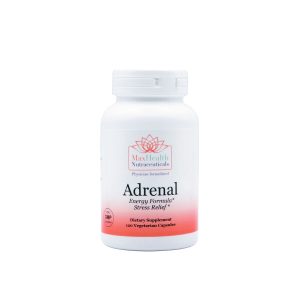
Adrenal (Energy & Stress) 120 Capsules

Multi Mag
Disclosure: This post contains affiliate links. If you purchase through these links, we may earn a small commission at no extra cost to you. Learn more.
About the Author
Dr. Nicolle is a double board-certified physician in Family Medicine and Preventive Medicine, with certifications in Functional Medicine and Lifestyle Medicine. She helps busy professionals over 40 optimize their health through root-cause approaches to cardiovascular, hormonal, and metabolic health.
Learn more about Dr. Nicolle →Explore Related Topics
Dive deeper into these connected health areas
Gut Health
Your gut is far more than a digestive organ — it's home to 70% of your immune system, produces key n…
Explore ❤️Metabolic Health
Metabolic health sits at the intersection of blood sugar regulation, cardiovascular function, body c…
Explore 🌸Women's Health
Women's health encompasses a complex interplay of hormonal cycles, reproductive biology, and unique …
Explore 💪Men's Health
Men's health involves a unique interplay of hormonal balance, cardiovascular resilience, metabolic e…
Explore 🧠Mental Health
Mental health is deeply interconnected with hormonal balance, gut health, blood sugar regulation, an…
Explore 📖Skin & Hair Health
Your skin and hair are windows into your internal health. Chronic acne, eczema, psoriasis, and hair …
ExploreReady to Address Your Health Concerns?
Book a Discovery Offer consultation to discuss how our functional medicine approach can help you achieve your health goals.
Book Your Discovery Offer