Cortisol Optimization: Balancing Your Body's Master Stress Hormone

- Cortisol isn't the enemy — it's essential for life; the problem is wrong amounts at wrong times
- A flat cortisol slope (high at night, low in morning) predicts 6x higher mortality risk
- Morning sunlight within 30 minutes of waking is the #1 intervention for resetting your rhythm
- Phosphatidylserine is the most evidence-based supplement for lowering excess cortisol
Cortisol gets blamed for everything. Belly fat? Cortisol. Can't sleep? Cortisol. Stressed? "Your cortisol is too high." The wellness internet has turned it into a villain, and that's a problem, because cortisol is essential for life. Without it, you'd die within days. The issue was never how much cortisol you have. It's whether you have the right amount at the right time.
When that daily rhythm breaks down, the fallout touches everything: sleep, hormones, heart health, weight, mood, immune function. I consider cortisol rhythm optimization one of the highest-leverage interventions in functional medicine. Fix the rhythm, and many other problems start resolving on their own.
Understanding Cortisol: More Than "The Stress Hormone"
Cortisol is a glucocorticoid produced by the adrenal cortex, and it serves critical functions:
- Wake-up signal: the cortisol awakening response (CAR) provides the energy surge that gets you out of bed
- Energy mobilizer: releases glucose from glycogen stores for fuel
- Anti-inflammatory: at physiological levels, cortisol is your body's most powerful natural anti-inflammatory
- Blood pressure regulation: maintains cardiovascular function and vascular tone
- Memory consolidation: supports hippocampal function and learning
- Immune modulation: prevents autoimmune overreaction
- Fetal development: essential for lung maturation in utero
Cortisol production follows the circadian rhythm, with approximately 15-20 mg produced daily in a healthy adult (1). This production is tightly regulated by the HPA (hypothalamic-pituitary-adrenal) axis.
The Healthy Cortisol Rhythm: Your Internal Clock
Optimal cortisol follows a predictable daily pattern that is synchronized with your circadian clock:
6-8 AM (Peak): Cortisol surges 50-75% within 30-45 minutes of waking, the cortisol awakening response (CAR). This provides energy, alertness, and motivation to start the day.
8 AM - 12 PM (Gradual Decline): Levels decrease steadily. You should feel focused, productive, and energetic.
12-3 PM (Moderate): Continued decline with a small physiological bump after lunch. Some afternoon dip is normal.
3-6 PM (Low): Significantly lower levels. Energy naturally decreases.
6-10 PM (Very Low): Cortisol drops to allow melatonin to rise. You should feel progressively relaxed and sleepy.
10 PM - 6 AM (Nadir): Lowest point during deep sleep. Growth hormone peaks as cortisol bottoms out. This inverse relationship is essential for recovery.
When this rhythm breaks, the consequences are serious. A 2019 study in *Psychoneuroendocrinology* found that flattened cortisol rhythms are associated with increased mortality, cardiovascular disease, depression, and cancer progression (2).
A flattened cortisol curve (low morning, high evening) is a major risk factor for chronic disease. Restoring the morning peak and evening dip is essential for energy and longevity.
Signs of Cortisol Dysregulation
Pattern 1: Chronically High Cortisol
- Difficulty falling asleep, especially feeling "wired at night"
- Anxiety, racing thoughts, and hypervigilance
- Weight gain concentrated in the belly, face, and upper back
- High blood sugar and blood pressure despite a healthy lifestyle
- Thin skin, easy bruising, stretch marks (severe cases suggest Cushing's)
- Muscle wasting with fat accumulation
- Increased susceptibility to infections (immune suppression)
- Bone density loss (cortisol inhibits osteoblasts)
- Brain fog — paradoxically, both high and low cortisol impair cognition
Pattern 2: Chronically Low Cortisol
- Difficulty waking up, no morning energy despite adequate sleep
- Fatigue that worsens with any form of stress. See HPA axis dysfunction
- Low blood pressure, dizziness when standing quickly
- Salt cravings (cortisol helps regulate sodium balance)
- Frequent illness and slow recovery
- Post-exercise crashes: workouts drain rather than energize
- Hyperpigmentation in skin folds (extreme cases: Addison's disease)
Pattern 3: Reversed or Disrupted Rhythm
- Reverse pattern: low morning, high evening. Can't wake up, can't fall asleep
- Flat pattern: low all day. Constant fatigue with no natural energy fluctuation
- Erratic spikes: unpredictable surges causing anxiety attacks, blood sugar crashes, or heart palpitations
Comprehensive Cortisol Testing
| Test | What It Measures | Best For | Limitations |
|---|---|---|---|
| Single Morning Serum Cortisol | One blood snapshot | Screening for Addison's/Cushing's | Misses rhythm; affected by stress of blood draw |
| 4-Point Salivary Cortisol | Free cortisol at 4 time points | Daily rhythm assessment | Doesn't show metabolites |
| DUTCH Test (Dried Urine) | Free cortisol + metabolized cortisol + cortisone | Complete cortisol metabolism picture | Cost; requires proper collection |
| 24-Hour Urinary Free Cortisol | Total daily cortisol output | Cushing's screening | No rhythm data; inconvenient collection |
| Cortisol Awakening Response | Cortisol change in first 45 min after waking | HPA axis reactivity and burnout assessment | Requires strict timing compliance |
Our preferred approach: The DUTCH test combined with cortisol awakening response provides the most comprehensive picture of cortisol production, metabolism, and rhythm.
What Disrupts Cortisol?
Lifestyle Factors
- Chronic psychological stress: the most obvious but not the only driver
- Sleep deprivation: one night of poor sleep elevates next-day cortisol by 37-45% (3)
- Intense exercise without recovery: overtraining syndrome is cortisol-driven
- Blood sugar instability: every glucose crash is a cortisol emergency
- Caffeine overuse: blocks cortisol clearance and amplifies stress response
- Alcohol: disrupts cortisol rhythm and sleep architecture
- Shift work: fundamentally disrupts circadian cortisol timing
Health Conditions
- Chronic infections: bacterial, viral, parasitic
- Gut dysfunction: inflammation and dysbiosis activate HPA axis
- Autoimmune conditions: chronic immune activation
- Chronic pain: persistent pain stimulus
- Depression: bidirectional relationship with cortisol dysregulation
- Obesity: visceral fat tissue produces cortisol locally via 11β-HSD1 enzyme (4)
Nutritional Factors
- Blood sugar swings from refined carbohydrates
- Nutrient deficiencies: B5, B6, vitamin C, magnesium, zinc
- Inflammatory diet high in seed oils and processed foods
- Inadequate protein — explore our anti-inflammatory meal plans
Optimizing Your Cortisol Rhythm: Time-Based Strategies
Morning Strategies (Support the Cortisol Peak)
- Bright light within 10-30 minutes of waking: sunlight triggers the cortisol awakening response. This is the single most impactful circadian intervention (5)
- Brief cold exposure: cold shower or face splash activates a healthy cortisol release
- Morning movement: exercise in the morning amplifies the natural cortisol peak, which paradoxically helps it drop lower at night. Try our fitness programs
- Protein-rich breakfast within 1 hour: prevents blood sugar crash that triggers cortisol. Our meal plans support this pattern
Midday Strategies (Maintain Healthy Decline)
- Regular balanced meals: prevents cortisol spikes from blood sugar drops
- Movement breaks every 60-90 minutes: prevents sedentary cortisol buildup
- Micro-recovery practices: 90-second nervous system resets
- Caffeine cutoff by noon: caffeine has a half-life of 5-6 hours and blocks cortisol clearance
- Outdoor time: natural light maintains circadian synchronization
Evening Strategies (Allow the Cortisol Decline)
- Dim lights 2-3 hours before bed: bright light suppresses melatonin and maintains cortisol
- Avoid intense exercise after 6 PM: raises cortisol when it should be falling
- Earlier, lighter dinner: heavy meals raise cortisol through digestive demands
- Relaxation practices: activates the parasympathetic nervous system (vagal toning, gentle stretching, journaling)
- Digital sunset: screens emit cortisol-maintaining blue light and provide stimulating content
Sleep Optimization (Protect the Cortisol Nadir)
- Consistent bedtime: anchors the cortisol rhythm more than any supplement
- Cool, dark bedroom: supports melatonin rise and cortisol decline
- Address overnight blood sugar: nocturnal hypoglycemia triggers cortisol-mediated 3 AM waking
- Sleep disorder screening: undiagnosed sleep apnea prevents cortisol from reaching its nadir
Targeted Supplementation (Phase-Matched)
For High Cortisol (Calming)
- Phosphatidylserine (300-800mg): the most evidence-based cortisol-lowering supplement; shown to reduce cortisol response to exercise by 30% (6)
- Ashwagandha (KSM-66) (600mg): multiple RCTs show 30% cortisol reduction
- Holy basil (Tulsi): adaptogen that normalizes cortisol and blood sugar
- L-theanine (200-400mg): promotes alpha brain waves; calm focus without sedation
- Magnolia bark (200-400mg at bedtime): reduces evening cortisol specifically
For Low Cortisol (Supporting)
- Licorice root extract: inhibits 11β-HSD2 enzyme, preserving cortisol (must monitor blood pressure)
- Vitamin C (1-2g): the adrenals contain the highest vitamin C concentration in the body
- Pantothenic acid (B5): directly supports adrenal steroidogenesis
- Rhodiola rosea (200-400mg): enhances stress tolerance without stimulation
- Adrenal glandulars: in clinical practice, useful for severe depletion cases
For Rhythm Disruption (Resetting)
- Morning bright light therapy (10,000 lux for 20-30 minutes)
- Evening melatonin (0.5-1mg, 30 minutes before target bedtime): acts as a chronobiotic
- Timed cortisol support: ashwagandha at night (lowers evening cortisol), rhodiola in morning (supports peak)
- Glycine (3g before bed): lowers core body temperature and supports the cortisol nadir
The Cortisol-Hormone Connection
Cortisol optimization is foundational because cortisol affects EVERY other hormone:
- Thyroid: High cortisol increases Reverse T3, reduces active T3
- Testosterone: Cortisol directly suppresses the HPG axis
- Estrogen/Progesterone: Pregnenolone steal depletes sex hormone precursors
- Insulin: Cortisol causes insulin resistance
- Growth Hormone: Elevated cortisol suppresses GH release during sleep
- Melatonin: Cortisol and melatonin are inversely related, and high evening cortisol means poor sleep
The Bigger Picture
Cortisol optimization isn't about suppressing a "bad" hormone. It's about restoring the rhythm your body was designed to run on. When cortisol timing is right, sleep improves, hormones rebalance, inflammation drops, and energy comes back. Everything else gets easier.
Ready to find out where your cortisol rhythm stands? Take our Wellness Quiz for a quick self-assessment, or schedule a Discovery Offer to get tested with the DUTCH test and cortisol awakening response.
References
- Esteban NV, et al. Daily cortisol production rate in man determined by stable isotope dilution/mass spectrometry. J Clin Endocrinol Metab. 1991;72(1):39-45. https://doi.org/10.1210/jcem-72-1-39
- Adam EK, et al. Diurnal cortisol slopes and mental and physical health outcomes. Psychoneuroendocrinology. 2017;83:25-41. https://doi.org/10.1016/j.psyneuen.2017.05.018
- Leproult R, et al. Sleep loss results in an elevation of cortisol levels the next evening. Sleep. 1997;20(10):865-870. https://doi.org/10.1093/sleep/20.10.865
- Stimson RH, et al. Cortisol release from adipose tissue by 11β-hydroxysteroid dehydrogenase type 1 in humans. Diabetes. 2009;58(1):46-53. https://doi.org/10.2337/db08-0969
- Figueiro MG, et al. The impact of daytime light exposures on sleep and mood in office workers. Sleep Health. 2017;3(3):204-215. https://doi.org/10.1016/j.sleh.2017.03.005
- Monteleone P, et al. Blunting by chronic phosphatidylserine administration of the stress-induced activation of the hypothalamo-pituitary-adrenal axis. Eur J Clin Pharmacol. 1992;42(4):385-388. https://doi.org/10.1007/BF00280123
- Chandrasekhar K, et al. A prospective, randomized double-blind, placebo-controlled study of safety and efficacy of ashwagandha root extract. Indian J Psychol Med. 2012;34(3):255-262. https://doi.org/10.4103/0253-7176.106022
- Stalder T, et al. Assessment of the cortisol awakening response: expert consensus guidelines. Psychoneuroendocrinology. 2016;63:414-432. https://doi.org/10.1016/j.psyneuen.2015.10.010
- Tsigos C, Chrousos GP. Hypothalamic-pituitary-adrenal axis, neuroendocrine factors and stress. J Psychosom Res. 2002;53(4):865-871. https://doi.org/10.1016/S0022-3999(02)00429-4
- Panossian A, Wikman G. Effects of adaptogens on the central nervous system. Pharmaceuticals. 2010;3(1):188-224. https://doi.org/10.3390/ph3010188
Supplements for Hormone Optimization
Clinical-grade picks for this topic

RESPeRATE Deluxe Duo
$399.95

Inner Balance™ Coherence Plus
$249.00

Thera360 PLUS Portable Sauna
$1,428.00
Affiliate disclosure: The product links below are affiliate links — we may earn a commission at no extra cost to you. Recommendations are based on clinical use, not commissions. Learn more.
Frequently Asked Questions
Common questions about cortisol optimization: balancing your body's master stress hormone
Recommended Supplements
Professional-grade supplements from my MaxHealth Nutraceuticals line — the same formulas I use in clinical practice.
RESPeRATE Deluxe Duo
Inner Balance™ Coherence Plus
Thera360 PLUS Portable Sauna

TheraFrost Cold Plunge

SMART Yoga Mat (Green)
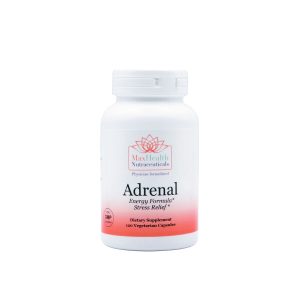
Adrenal (Energy & Stress) 120 Capsules
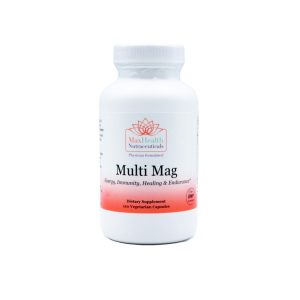
Multi Mag
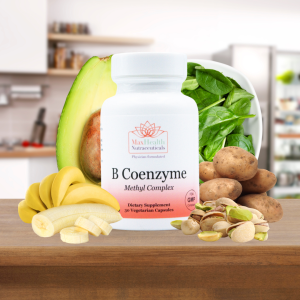
B Coenzyme Methyl Complex
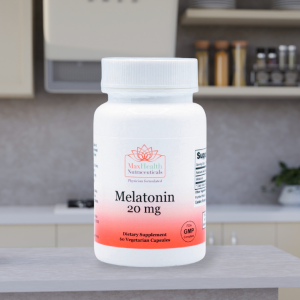
Melatonin 20mg 60s (Capsules)
Omega Ultra TG
Mood Boost 120s
Phos Serine 60s
Stress Reduce 90s

Stress Release Bundle
Disclosure: This post contains affiliate links. If you purchase through these links, we may earn a small commission at no extra cost to you. Learn more.
About the Author
Dr. Nicolle is a double board-certified physician in Family Medicine and Preventive Medicine, with certifications in Functional Medicine and Lifestyle Medicine. She helps busy professionals over 40 optimize their health through root-cause approaches to cardiovascular, hormonal, and metabolic health.
Learn more about Dr. Nicolle →Explore Related Topics
Dive deeper into these connected health areas
Gut Health
Your gut is far more than a digestive organ — it's home to 70% of your immune system, produces key n…
Explore ❤️Metabolic Health
Metabolic health sits at the intersection of blood sugar regulation, cardiovascular function, body c…
Explore 🌸Women's Health
Women's health encompasses a complex interplay of hormonal cycles, reproductive biology, and unique …
Explore 📖Skin & Hair Health
Your skin and hair are windows into your internal health. Chronic acne, eczema, psoriasis, and hair …
ExploreReady to Address Your Health Concerns?
Book a Discovery Offer consultation to discuss how our functional medicine approach can help you achieve your health goals.
Book Your Discovery Offer