Stress Management for Busy Professionals: Beyond Meditation Apps

- 75-90% of all doctor visits are stress-related — chronic stress accelerates every disease process
- The physiological sigh (2 inhales + 1 long exhale) is the fastest evidence-based calming technique
- Stress causes belly fat even with perfect diet through cortisol-driven visceral fat storage
- HRV training is the single best biomarker and intervention for building stress resilience
A patient told me recently: "I know I'm stressed. Everyone's stressed. But I can handle it." Six months later, he was 20 pounds heavier, sleeping four hours a night, and his blood pressure was 155/95. He hadn't changed his diet. He hadn't stopped exercising. Stress did all of that on its own.
"Just meditate" is the advice that makes high-performers want to throw their phones across the room. But the truth is uncomfortable: unmanaged chronic stress may be the most destructive force acting on your body right now. More damaging than a poor diet. More dangerous than sitting all day. It's behind up to 75-90% of all doctor's visits (1). And the reason most stress management advice fails is because it treats stress as a mindset problem. It's not. It's a physiological state that rewires your nervous system, changes your hormones, and accelerates aging at the cellular level.
The Hidden Toll of Chronic Stress: What's Actually Happening in Your Body
When your brain perceives a threat — whether a tiger or a tense email — it activates the hypothalamic-pituitary-adrenal (HPA) axis, triggering a cascade of over 1,400 biochemical events. In acute stress, this is lifesaving. In chronic stress, it becomes disease-creating.
The Metabolic Impact
- Elevated blood sugar and progressive insulin resistance: cortisol mobilizes glucose even when you don't need it
- Increased visceral fat storage: cortisol specifically promotes abdominal fat accumulation
- Cravings for sugar and processed foods: your brain demands fast fuel during perceived threats
- Impaired fat burning: your body won't release stored fat when it believes it's in danger
- Muscle catabolism: cortisol breaks down muscle for gluconeogenesis
Hormonal Disruption
- Suppressed thyroid function: cortisol converts T4 to Reverse T3 instead of active T3
- Reduced testosterone: via "pregnenolone steal" and direct HPG axis suppression
- Progesterone depletion: worsening perimenopause and PCOS symptoms
- Growth hormone suppression: accelerated aging and impaired recovery
- Leptin resistance: your brain can't hear "I'm full" signals
Cardiovascular Effects
- Elevated blood pressure: chronic vasoconstriction and sodium retention
- Increased arterial inflammation: accelerates atherosclerosis
- Higher risk of heart disease. The INTERHEART study found psychosocial stress was one of the top 9 modifiable risk factors for heart attack worldwide (2)
- Platelet activation: increased clotting risk
Immune Dysregulation
- Acute stress: immune suppression (increased susceptibility to illness)
- Chronic stress: immune overactivation (autoimmune flares, chronic inflammation)
- Reactivation of dormant viruses (EBV, herpes, shingles)
- Impaired wound healing — surgical recovery is significantly slower in stressed individuals (3)
- Gut barrier breakdown: stress directly increases intestinal permeability
Brain and Cognitive Damage
- Hippocampal shrinkage: chronic cortisol literally reduces brain volume
- Amygdala hypertrophy: your fear center grows, making you MORE reactive to stress
- Prefrontal cortex impairment: reduced decision-making capacity, impulse control, and emotional regulation
- Accelerated cognitive decline and increased Alzheimer's risk
- Telomere shortening: stressed caregivers showed telomere shortening equivalent to 9-17 years of additional aging (4)
Why Traditional "Stress Management" Fails
| Traditional Approach | Why It Fails | Functional Medicine Alternative |
|---|---|---|
| "Just meditate 20 min/day" | Dysregulated nervous system can't settle; adds guilt | 90-second vagal toning exercises throughout the day |
| "Take a vacation" | Stress returns in 48 hours; doesn't address physiology | Daily micro-recovery practices that reset the nervous system |
| "Exercise more" | Over-exercising worsens HPA dysfunction | Movement matched to your stress phase |
| "Think positive" | Cognitive approaches fail when the body is in survival mode | Bottom-up nervous system regulation (body first, mind follows) |
| Anti-anxiety medication | Masks symptoms; doesn't address root physiology | Identify and treat biochemical drivers of anxiety |
Identify Your Stress Phenotype
Not all stress presents the same way. Your pattern determines your treatment strategy:
Type 1: Wired and Tired
- Can't slow down even when exhausted — feels "addicted to busyness"
- Mind races at bedtime; difficulty sleeping
- Dependent on caffeine and adrenaline rushes
- High morning cortisol, elevated evening cortisol
- Root issue: Sympathetic nervous system dominance
Type 2: Burned Out
- Exhausted but can't sleep well — "tired but wired" has shifted to just "tired"
- Lost motivation, drive, and pleasure
- Feel "flat" emotionally — may be misdiagnosed as depression
- Low cortisol throughout the day, HPA axis dysfunction
- Root issue: Cortisol depletion after prolonged stress
Type 3: Anxious and Reactive
- Constant worry and rumination — catastrophic thinking
- Physical tension, restlessness, and startling easily
- Digestive issues when stressed — gut-brain axis activation
- Variable cortisol with exaggerated spikes
- Root issue: Amygdala hyperactivation and vagal nerve dysfunction
A Different Approach: Nervous System-First Stress Management
Strategy 1: Vagal Toning (The 90-Second Reset)
The vagus nerve is the master switch between your "fight-or-flight" (sympathetic) and "rest-and-digest" (parasympathetic) nervous systems. You can activate it in under 2 minutes:
- Extended exhale breathing. Inhale for 4 counts, exhale for 6-8 counts. The extended exhale directly stimulates the vagus nerve (5)
- Cold exposure. Splash cold water on your face, hold ice cubes, or end your shower with 30 seconds of cold. This triggers the "dive reflex"
- Humming, gargling, or singing. Vibrations stimulate the vagus nerve in the throat
- Physiological sigh. Two quick inhales through the nose, one long exhale through the mouth. This is the fastest known method for calming the autonomic nervous system (6)
The "physiological sigh" (two quick inhales, one long exhale) is the fastest way to manually override a stress response. It offloads CO2 and calms the nervous system in real-time.
Strategy 2: Micro-Recovery Architecture
Recovery doesn't require hour-long sessions. Build recovery INTO your day:
- 2-minute breathing breaks between tasks or meetings
- 5-minute outdoor walks after meals (combines movement, light exposure, and nature)
- 10-minute transition rituals between work and home (a specific drive-home routine, changing clothes, etc.)
- Weekend "white space": unscheduled time with no obligations
Strategy 3: Biochemical Support
When your nervous system is dysregulated, willpower isn't enough. Targeted support can restore balance:
For Type 1 (Wired):
- Phosphatidylserine (300-800mg): clinically shown to reduce cortisol (7)
- Ashwagandha (KSM-66, 600mg): reduces cortisol by 30% in clinical trials
- L-theanine (200mg): promotes alpha brain waves without sedation
- Magnesium glycinate (300-400mg): calms the nervous system
For Type 2 (Burned Out):
- Rhodiola rosea (200-400mg): increases stress resilience
- B-complex with methylfolate: supports neurotransmitter synthesis
- Adrenal glandulars: in clinical practice, helps rebuild adrenal reserve
- Vitamin C (1-2g): the adrenals contain the highest concentration of vitamin C in the body
For Type 3 (Anxious):
- GABA (500-750mg sublingual): inhibitory neurotransmitter
- Lavender oil capsules (Silexan 80mg): as effective as low-dose benzodiazepines in clinical trials (8)
- Magnesium threonate: crosses blood-brain barrier
- Probiotics (specific strains: L. rhamnosus, B. longum): gut-brain axis modulation
Strategy 4: Lifestyle Foundations
Often overlooked root causes of stress amplification:
- Blood sugar instability: glucose crashes trigger cortisol surges. Our meal plans stabilize blood sugar
- Sleep deprivation: poor sleep amplifies the stress response by 30-60%
- Movement mismatch: too little exercise increases stress; too much (in burned-out individuals) worsens it. Our fitness programs match intensity to your stress phase
- Social isolation: loneliness increases cortisol and inflammation at levels comparable to smoking 15 cigarettes per day
- Caffeine timing: cortisol peaks at 8-9 AM; caffeine consumed during this window amplifies the stress response
Strategy 5: Heart Rate Variability (HRV) Training
HRV — the variation in time between heartbeats — is the single best biomarker of stress resilience. Higher HRV indicates greater parasympathetic tone and better adaptability.
You can train HRV through:
- Resonance frequency breathing (typically 5.5 breaths per minute)
- Biofeedback devices (HeartMath, Elite HRV)
- Regular aerobic exercise
- Cold exposure
- Consistent sleep
The Stress-Disease Connection
In our practice, we never treat chronic disease without addressing stress. It's one of the most powerful drivers of:
- Hormone imbalances: progesterone, testosterone, thyroid
- Weight loss resistance: cortisol-driven belly fat
- Cardiovascular risk: inflammation and endothelial dysfunction
- Gut dysfunction: stress is the #1 trigger for IBS and leaky gut
- Autoimmune activation: via immune dysregulation and gut permeability
- Accelerated aging: via telomere shortening and oxidative stress
Managing stress isn't about adding more to your plate. It's about giving your nervous system what it needs so everything else works better. That patient who "could handle it"? After three months of nervous system-focused work (not meditation apps — actual physiological interventions), his blood pressure normalized and he dropped 15 pounds without changing his diet. Take our Wellness Quiz to see how stress is affecting your health, or schedule a Discovery Offer for a full assessment.
References
- American Institute of Stress. Stress effects on the body. AIS Statistics. https://www.stress.org/stress-effects
- Yusuf S, et al. Effect of potentially modifiable risk factors associated with myocardial infarction in 52 countries (the INTERHEART study). Lancet. 2004;364(9438):937-952. https://doi.org/10.1016/S0140-6736(04)17018-9
- Kiecolt-Glaser JK, et al. Slowing of wound healing by psychological stress. Lancet. 1995;346(8984):1194-1196. https://doi.org/10.1016/S0140-6736(95)92899-5
- Epel ES, et al. Accelerated telomere shortening in response to life stress. Proc Natl Acad Sci. 2004;101(49):17312-17315. https://doi.org/10.1073/pnas.0407162101
- Gerritsen RJS, Band GPH. Breath of life: the respiratory vagal stimulation model of contemplative activity. Front Hum Neurosci. 2018;12:397. https://doi.org/10.3389/fnhum.2018.00397
- Balban MY, et al. Brief structured respiration practices enhance mood and reduce physiological arousal. Cell Rep Med. 2023;4(1):100895. https://doi.org/10.1016/j.xcrm.2022.100895
- Hellhammer J, et al. Effects of soy lecithin phosphatidic acid and phosphatidylserine complex on the endocrine and psychological responses to mental stress. Stress. 2004;7(2):119-126. https://doi.org/10.1080/10253890410001728379
- Kasper S, et al. Silexan, an orally administered Lavandula oil preparation, is effective in the treatment of generalized anxiety disorder. Int Clin Psychopharmacol. 2014;29(5):298-298. https://doi.org/10.1097/YIC.0000000000000046
- McEwen BS. Neurobiological and systemic effects of chronic stress. Chronic Stress. 2017;1:2470547017692328. https://doi.org/10.1177/2470547017692328
- Chandrasekhar K, et al. A prospective, randomized double-blind, placebo-controlled study of safety and efficacy of ashwagandha root extract. Indian J Psychol Med. 2012;34(3):255-262. https://doi.org/10.4103/0253-7176.106022
Supplements for Stress & Recovery
Clinical-grade picks for this topic

Theradome PRO LH80 Laser Helmet
$895.00

RESPeRATE Deluxe Duo
$399.95

Inner Balance™ Coherence Plus
$249.00
Affiliate disclosure: The product links below are affiliate links — we may earn a commission at no extra cost to you. Recommendations are based on clinical use, not commissions. Learn more.
Frequently Asked Questions
Common questions about stress management for busy professionals: beyond meditation apps
Recommended Supplements
Professional-grade supplements from my MaxHealth Nutraceuticals line — the same formulas I use in clinical practice.
Theradome PRO LH80 Laser Helmet
RESPeRATE Deluxe Duo
Inner Balance™ Coherence Plus

TheraFrost Cold Plunge
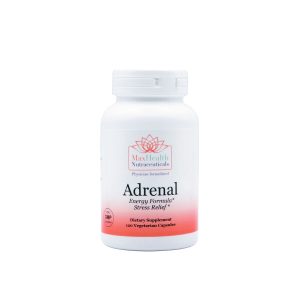
Adrenal (Energy & Stress) 120 Capsules
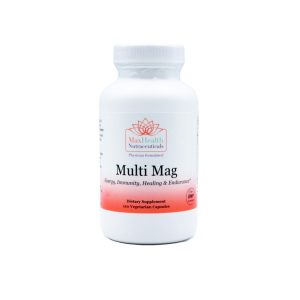
Multi Mag
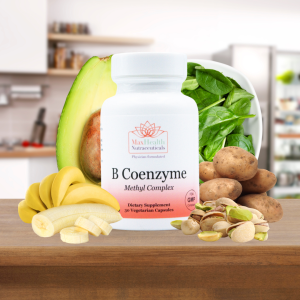
B Coenzyme Methyl Complex
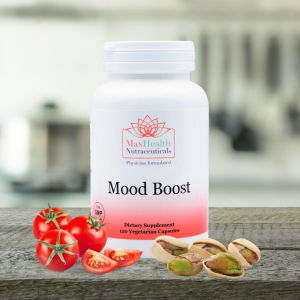
Mood Boost 120s
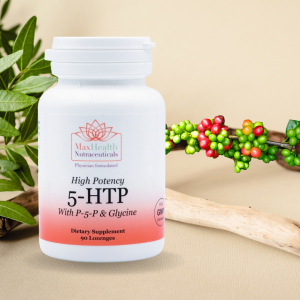
5-HTP 90s (with P5P & Glycine)
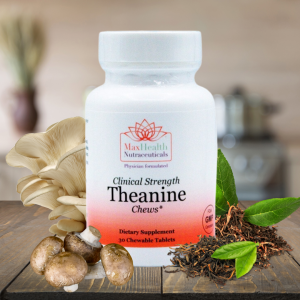
Theanine Chews
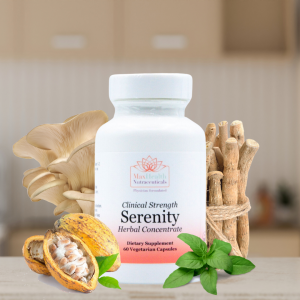
Serenity
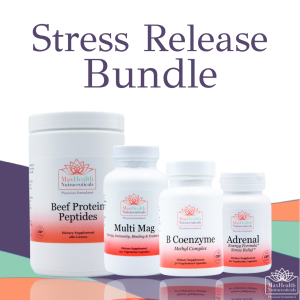
Stress Release Bundle
Disclosure: This post contains affiliate links. If you purchase through these links, we may earn a small commission at no extra cost to you. Learn more.
About the Author
Dr. Nicolle is a double board-certified physician in Family Medicine and Preventive Medicine, with certifications in Functional Medicine and Lifestyle Medicine. She helps busy professionals over 40 optimize their health through root-cause approaches to cardiovascular, hormonal, and metabolic health.
Learn more about Dr. Nicolle →Explore Related Topics
Dive deeper into these connected health areas
Hormone Health
Hormones are the chemical messengers that regulate virtually every process in your body — from metab…
Explore 🦠Gut Health
Your gut is far more than a digestive organ — it's home to 70% of your immune system, produces key n…
Explore ❤️Metabolic Health
Metabolic health sits at the intersection of blood sugar regulation, cardiovascular function, body c…
Explore 🌸Women's Health
Women's health encompasses a complex interplay of hormonal cycles, reproductive biology, and unique …
Explore 💪Men's Health
Men's health involves a unique interplay of hormonal balance, cardiovascular resilience, metabolic e…
Explore 📖Skin & Hair Health
Your skin and hair are windows into your internal health. Chronic acne, eczema, psoriasis, and hair …
ExploreReady to Address Your Health Concerns?
Book a Discovery Offer consultation to discuss how our functional medicine approach can help you achieve your health goals.
Book Your Discovery Offer