The Gut-Inflammation Connection & Your Health

- 70-80% of the immune system resides in the gut — dysfunction triggers systemic inflammation
- Leaky gut (intestinal permeability) is a real, measurable condition linked to autoimmunity
- The 5R Protocol (Remove, Replace, Reinoculate, Repair, Rebalance) is the gold standard for healing
- Your estrobolome controls estrogen recycling — gut health directly impacts hormones
Hippocrates said "all disease begins in the gut" over 2,000 years ago. For most of medical history, that sounded like philosophy. Now it sounds like prophecy.
I can't count the number of patients who've sat across from me describing symptoms that seem unrelated: joint pain, brain fog, skin breakouts, hormonal chaos, and crushing fatigue. They've seen specialists. They've been tested for "everything." Labs came back "normal." And yet they feel terrible. When we finally run comprehensive gut testing, the pattern clicks into place.
If that story sounds familiar, keep reading. The connection between your gut and the rest of your body is more direct than most physicians realize.
What Your Gut Actually Does (It's Not Just Digestion)
Your gastrointestinal tract is a 30-foot ecosystem that goes far beyond breaking down food. It's home to:
- 70–80% of your entire immune system — the gut-associated lymphoid tissue (GALT) is your body's largest immune organ
- Trillions of microorganisms (the microbiome) that produce vitamins, neurotransmitters, and short-chain fatty acids essential for health
- The enteric nervous system — 500 million neurons that communicate directly with your brain via the vagus nerve, earning it the name "second brain"
- Hormone-producing enteroendocrine cells that regulate appetite, blood sugar, and mood
- A selectively permeable barrier just one cell layer thick, deciding what enters your bloodstream and what stays out
When this system functions well, it's invisible. When it doesn't, the downstream effects are far-reaching and often confusing, because symptoms frequently appear far from the gut itself.
The Gut-Inflammation Axis: Why It Matters for Everything
The gut-inflammation connection may be the single most underappreciated concept in clinical medicine today. Most doctors still don't fully grasp it, and that gap costs patients years of unnecessary suffering.
Your gut lining is only one cell thick. When this delicate barrier is compromised ("leaky gut"), bacterial toxins enter the bloodstream and drive inflammation everywhere—from your joints to your brain.
Here's the mechanism: your intestinal lining is held together by tight junction proteins. When these junctions become damaged (through stress, medications, infections, poor diet, or dysbiosis) the barrier becomes excessively permeable. This is what researchers call increased intestinal permeability, commonly known as "leaky gut."
When the barrier fails, lipopolysaccharides (LPS) from gram-negative bacteria, undigested food proteins, and other antigenic material leak into the bloodstream. Your immune system, encountering these molecules where they don't belong, mounts an inflammatory response. This isn't a brief, helpful inflammatory burst. It's a chronic, low-grade inflammatory state called endotoxemia that can persist for months or years.
This chronic inflammation has been linked to:
- Cardiovascular disease — arterial inflammation is now considered a primary driver of atherosclerosis
- Insulin resistance and metabolic syndrome — gut-derived inflammation impairs insulin signaling
- Autoimmune conditions — molecular mimicry between gut antigens and self-tissue triggers autoimmunity
- Mood disorders — the inflammatory cytokine model of depression has gained serious traction in recent years
- Thyroid dysfunction — over 80% of Hashimoto's thyroiditis may originate with gut permeability
- Neurodegeneration — the gut-brain axis is implicated in Alzheimer's and Parkinson's disease
Signs of Gut Dysfunction: The Obvious and the Hidden
| Category | Common Symptoms | Underlying Mechanism |
|---|---|---|
| Digestive (Local) | Bloating, gas, reflux, constipation, diarrhea | Fermentation, motility issues, acid imbalance |
| Skin (Systemic) | Acne, eczema, rosacea, psoriasis | Gut-skin axis, inflammatory cytokines |
| Neurological (Systemic) | Brain fog, anxiety, depression, fatigue | Gut-brain axis, neuroinflammation |
| Immune (Systemic) | Autoimmunity, joint pain, frequent illness | Intestinal permeability ("leaky gut") |
| Hormonal (Systemic) | PMS, estrogen dominance, PCOS | Impaired estrogen excretion (estrobolome) |
Digestive Symptoms (The Ones You'd Expect)
- Bloating, gas, and abdominal distension — especially after meals
- Alternating constipation and diarrhea
- Acid reflux or GERD
- Food sensitivities that seem to multiply over time
- Nausea or feeling uncomfortably full after small meals
Systemic Symptoms (The Ones Most Doctors Miss)
- Skin problems: Acne, eczema, psoriasis, rosacea — the gut-skin axis is mediated through inflammatory cytokines and microbial metabolites. Hormonal acne is particularly connected to gut dysfunction
- Joint pain and stiffness: Gut-derived inflammation triggers systemic immune activation
- Brain fog and cognitive decline: Neuroinflammation driven by gut-derived endotoxins crosses the blood-brain barrier
- Chronic fatigue: Immune activation from intestinal permeability is metabolically expensive and damages mitochondrial function
- Hormonal imbalances: The estrobolome — gut bacteria that metabolize estrogen — directly impacts hormonal health
- Mood changes: 90% of serotonin is produced in the gut; dysbiosis directly impairs neurotransmitter production
- Elevated cortisol: Gut inflammation activates the HPA axis, driving chronic stress physiology
- Weight resistance: Dysbiosis alters energy extraction, appetite hormones, and metabolic flexibility
If you're experiencing three or more of these symptoms, gut dysfunction deserves investigation — regardless of what your conventional labs show. Take our Wellness Quiz to see if gut health may be your root cause.
Understanding Intestinal Permeability ("Leaky Gut")
The term "leaky gut" has been controversial in mainstream medicine, but the science behind intestinal permeability is now on solid ground. Key research by Dr. Alessio Fasano identified zonulin, a protein that regulates tight junction permeability, as a key biomarker and mechanism.
What Damages the Gut Barrier?
- Gluten: Triggers zonulin release in genetically susceptible individuals, regardless of celiac status
- NSAIDs: Ibuprofen, naproxen, and aspirin directly damage the mucosal lining — even short-term use
- Antibiotics: Disrupt microbial diversity, which is essential for barrier maintenance
- Chronic psychological stress: Cortisol directly increases intestinal permeability via mast cell activation
- Alcohol: Even moderate consumption damages tight junctions
- Ultra-processed foods: Emulsifiers, artificial sweeteners, and food additives disrupt the mucus layer
- Infections and SIBO: Small intestinal bacterial overgrowth is both a cause and consequence of barrier dysfunction
- Environmental toxins: Pesticides (especially glyphosate), heavy metals, and BPA
How Do You Test for It?
Conventional medicine doesn't routinely test for intestinal permeability. In our practice, we use:
- Zonulin levels (serum or stool) — the most validated biomarker
- Comprehensive stool analysis — assessing microbial diversity, pathogens, inflammatory markers (calprotectin, secretory IgA), and digestive function
- Organic acids testing — bacterial metabolites that indicate dysbiosis
- LPS antibodies — evidence of endotoxin translocation
- Food sensitivity panels — when appropriate, to identify immune-reactive foods
The 5R Protocol: Our Functional Medicine Approach to Gut Healing
We use an evidence-based framework called the 5R Protocol — a systematic approach that addresses gut dysfunction from every angle. This isn't a quick fix; it's a methodical restoration process.
1. Remove
Eliminate what's harming the gut:
- Identify and remove trigger foods through elimination diets or targeted testing
- Eradicate infections — H. pylori, parasites, Candida overgrowth, or SIBO
- Reduce inflammatory inputs — processed foods, excess sugar, alcohol, unnecessary medications
- Address environmental exposures — water filtration, clean personal care products
2. Replace
Restore what's missing for optimal digestion:
- Digestive enzymes if pancreatic function is compromised
- Betaine HCl for low stomach acid (extremely common, especially over 40)
- Bile acid support for fat digestion and fat-soluble vitamin absorption
- Nutrient repletion — zinc, vitamin A, vitamin D, and magnesium are commonly depleted
3. Reinoculate
Reestablish a healthy microbial ecosystem:
- Strategic probiotic supplementation — strain-specific, evidence-based selections (not random over-the-counter products)
- Prebiotic foods — feeding beneficial bacteria with diverse plant fibers, resistant starch, and polyphenols
- Fermented foods — kimchi, sauerkraut, kefir, and yogurt when tolerated
- Microbial diversity — the goal is ecosystem diversity, not just adding one or two strains
4. Repair
Heal the intestinal lining:
- L-glutamine — the primary fuel source for intestinal epithelial cells (studies show 5–10g daily supports barrier repair)
- Zinc carnosine — clinically shown to reduce intestinal permeability
- Collagen peptides and bone broth — provide glycine and proline for mucosal repair
- Omega-3 fatty acids — reduce inflammatory prostaglandins in the gut wall
- Vitamin D — essential for tight junction protein expression
- Butyrate — a short-chain fatty acid that fuels colonocytes and reduces inflammation
Our anti-inflammatory meal plans are specifically designed to support this repair phase with gut-healing nutrients at every meal.
5. Rebalance
Address the lifestyle factors that maintain gut health long-term:
- Stress management — chronic stress may be the most overlooked gut toxin of all
- Sleep optimization — circadian disruption alters microbial composition within 48 hours
- Regular movement — exercise increases microbial diversity and gut transit time
- Mindful eating — parasympathetic activation is required for optimal digestion
- Ongoing dietary diversity — aim for 30+ different plant foods weekly
The Gut-Brain Axis: Why Your Mood Depends on Your Microbiome
The bidirectional communication highway between your gut and brain, the gut-brain axis, is mediated through four pathways:
1. The vagus nerve — direct neural communication
2. Neurotransmitter production — gut bacteria produce serotonin, dopamine, GABA, and norepinephrine
3. Immune signaling — inflammatory cytokines from the gut reach the brain
4. Microbial metabolites — short-chain fatty acids and other compounds influence brain function
Research from the Flemish Gut Flora Project found that specific bacterial genera (Coprococcus and Dialister) were consistently depleted in people with depression — even after controlling for antidepressant use. This doesn't mean probiotics replace therapy or medication, but it does mean that ignoring the gut when treating mental health is incomplete medicine.
If you're dealing with anxiety, stress, or mood issues, gut assessment should be part of your comprehensive evaluation.
The Estrobolome: Where Gut Health Meets Hormones
For women navigating perimenopause or hormonal issues, the estrobolome is a critical concept. This is the collection of gut bacteria that produce beta-glucuronidase — an enzyme that determines whether estrogen is recycled back into circulation or excreted.
When the estrobolome is disrupted by dysbiosis:
- Estrogen metabolism becomes impaired
- Estrogen dominance symptoms worsen (even when overall estrogen is declining)
- PMS, heavy periods, breast tenderness, and mood swings intensify
- Risk for estrogen-dependent conditions increases
This is why hormone treatment without addressing gut health often yields incomplete results. The gut is the metabolic gateway for hormones.
When to Seek Functional Medicine Gut Assessment
Consider comprehensive gut evaluation if you have:
- Digestive symptoms that haven't responded to conventional treatment
- Autoimmune disease (any type)
- Multiple food sensitivities that keep expanding
- Chronic fatigue without clear explanation
- Skin conditions that won't resolve
- Mental health symptoms alongside physical complaints
- Hormonal imbalances that don't respond to hormone therapy alone
- A history of frequent antibiotic use or chronic NSAID use
The Bigger Picture
Gut health isn't just about digestion. It's about reducing the inflammatory burden that contributes to heart disease, hormone imbalances, thyroid dysfunction, and metabolic dysfunction. It's about restoring the foundational system that influences virtually every other system in your body.
Gut health is often the missing piece, the reason that treatments for other conditions aren't delivering the results they should. If your doctors have been treating individual symptoms without investigating the gut, that's where I'd start. Our Gut & Inflammation Reset Program provides a structured, physician-supervised protocol for complete gut restoration.
Wondering whether your gut is at the root of your symptoms? Start with our Wellness Quiz to see where gut health fits in, or schedule a Discovery Offer and we'll go through your case together.
References
- Fasano A. All disease begins in the (leaky) gut: role of zonulin-mediated gut permeability in the pathogenesis of some chronic inflammatory diseases. F1000Research. 2020;9:69. https://doi.org/10.12688/f1000research.20510.1
- Valles-Colomer M, Falony G, Darzi Y, et al. The neuroactive potential of the human gut microbiota in quality of life and depression. Nature Microbiology. 2019;4(4):623-632. https://doi.org/10.1038/s41564-018-0337-x
- Bischoff SC, Barbara G, Buurman W, et al. Intestinal permeability — a new target for disease prevention and therapy. BMC Gastroenterology. 2014;14:189. https://doi.org/10.1186/s12876-014-0189-7
- Mu Q, Kirby J, Reilly CM, Luo XM. Leaky Gut As a Danger Signal for Autoimmune Diseases. Frontiers in Immunology. 2017;8:598. https://doi.org/10.3389/fimmu.2017.00598
- Carabotti M, Scirocco A, Maselli MA, Severi C. The gut-brain axis: interactions between enteric microbiota, central and enteric nervous systems. Annals of Gastroenterology. 2015;28(2):203-209.
- Baker JM, Al-Nakkash L, Herbst-Kralovetz MM. Estrogen–gut microbiome axis: Physiological and clinical implications. Maturitas. 2017;103:45-53. https://doi.org/10.1016/j.maturitas.2017.06.025
- Hemarajata P, Versalovic J. Effects of probiotics on gut microbiota: mechanisms of intestinal immunomodulation and neuromodulation. Therapeutic Advances in Gastroenterology. 2013;6(1):39-51. https://doi.org/10.1177/1756283X12459294
- Rao RK, Samak G. Role of Glutamine in Protection of Intestinal Epithelial Tight Junctions. Journal of Epithelial Biology and Pharmacology. 2012;5(Suppl 1-M7):47-54.
- Clapp M, Aurora N, Herrera L, Bhatia M, Wilen E, Wakefield S. Gut microbiota's effect on mental health: The gut-brain axis. Clinics and Practice. 2017;7(4):987. https://doi.org/10.4081/cp.2017.987
- Sturgeon C, Fasano A. Zonulin, a regulator of epithelial and endothelial barrier functions, and its involvement in chronic inflammatory diseases. Tissue Barriers. 2016;4(4):e1251384. https://doi.org/10.1080/21688370.2016.1251384
Supplements for Gut Health
Clinical-grade picks for this topic

Thera360 PLUS Portable Sauna
$1,428.00

TheraFrost Cold Plunge
$4,988.00

Inner Balance™ Coherence Plus
$249.00
Affiliate disclosure: The product links below are affiliate links — we may earn a commission at no extra cost to you. Recommendations are based on clinical use, not commissions. Learn more.
Frequently Asked Questions
Common questions about the gut-inflammation connection & your health
Recommended Supplements
Professional-grade supplements from my MaxHealth Nutraceuticals line — the same formulas I use in clinical practice.
Thera360 PLUS Portable Sauna
TheraFrost Cold Plunge
Inner Balance™ Coherence Plus

SMART Yoga Mat (Green)
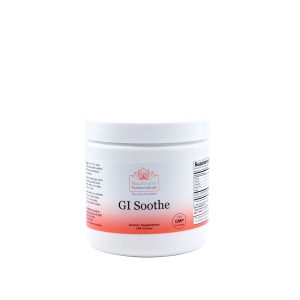
GI Soothe (Powder) 168 Grams
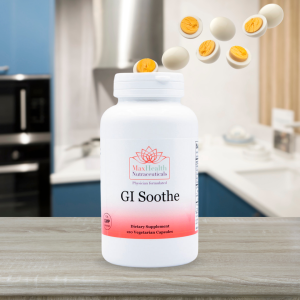
GI Soothe Capsules 120s
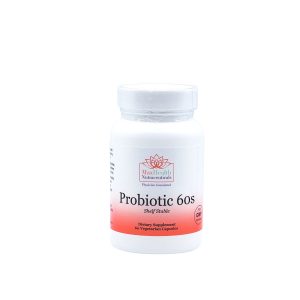
Probiotic 40 Billion CFU – 60s (shelf stable)
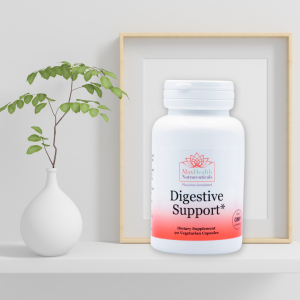
Digestive Support 90s
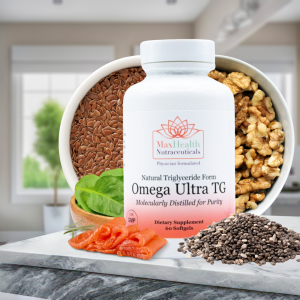
Omega Ultra TG
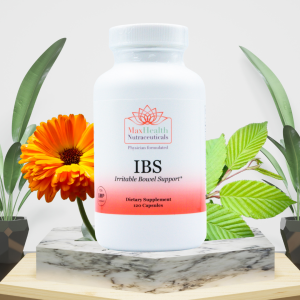
IBS Capsules 120s
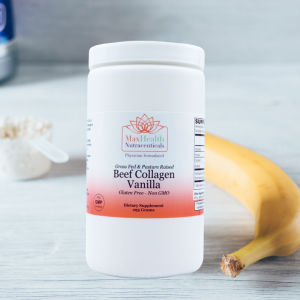
Beef Collagen Vanilla
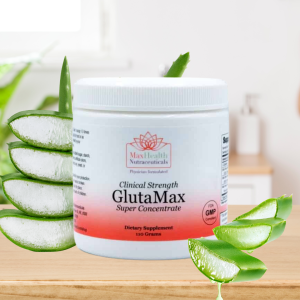
GlutaMax Powder
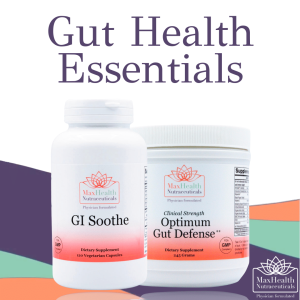
Gut Health Essentials Bundle
Disclosure: This post contains affiliate links. If you purchase through these links, we may earn a small commission at no extra cost to you. Learn more.
About the Author
Dr. Nicolle is a double board-certified physician in Family Medicine and Preventive Medicine, with certifications in Functional Medicine and Lifestyle Medicine. She helps busy professionals over 40 optimize their health through root-cause approaches to cardiovascular, hormonal, and metabolic health.
Learn more about Dr. Nicolle →Explore Related Topics
Dive deeper into these connected health areas
Hormone Health
Hormones are the chemical messengers that regulate virtually every process in your body — from metab…
Explore ❤️Metabolic Health
Metabolic health sits at the intersection of blood sugar regulation, cardiovascular function, body c…
Explore 🌸Women's Health
Women's health encompasses a complex interplay of hormonal cycles, reproductive biology, and unique …
Explore 💪Men's Health
Men's health involves a unique interplay of hormonal balance, cardiovascular resilience, metabolic e…
Explore 📖Skin & Hair Health
Your skin and hair are windows into your internal health. Chronic acne, eczema, psoriasis, and hair …
ExploreReady to Address Your Health Concerns?
Book a Discovery Offer consultation to discuss how our functional medicine approach can help you achieve your health goals.
Book Your Discovery Offer