Weight Loss Plateaus and Metabolism: Why Your Diet Stopped Working

- Plateaus happen because your body adapts — metabolic rate drops beyond what weight loss alone explains
- Thyroid downregulation, cortisol elevation, and muscle loss are the three hidden plateau drivers
- Reverse dieting (gradually increasing calories) can reset metabolic adaptation
- Resistance training preserves muscle and metabolic rate during fat loss more than cardio alone
Three months in, everything was going beautifully. She'd lost 18 pounds, her energy was up, her labs were improving. Then it stopped. The scale didn't budge for six weeks despite eating the same foods, doing the same workouts, and feeling increasingly frustrated. "My body is broken," she told me. "Nothing works anymore."
Her body wasn't broken. It was doing exactly what human physiology is designed to do: adapt. Weight loss plateaus are not failures. They're predictable biological responses that happen to virtually everyone who loses a significant amount of weight. Understanding why they happen is the first step toward breaking through them.
The Biology of Metabolic Adaptation
When you create a calorie deficit, your body initially responds by burning stored fat. But your metabolism is not a fixed equation. It's a dynamic, adaptive system that evolved to protect you from starvation. As you lose weight, multiple compensatory mechanisms kick in to resist further loss (1).
Adaptive Thermogenesis
Your body doesn't just burn fewer calories because you're lighter (which is expected). It actively downregulates metabolic rate *beyond* what would be predicted by the weight loss alone. This phenomenon, called adaptive thermogenesis or "metabolic adaptation," can reduce resting metabolic rate by 10-15% compared to predicted values (2). This means a person who has lost weight burns significantly fewer calories at rest than someone of the same weight who was never overweight.
Hormonal Shifts
Weight loss triggers a cascade of hormonal changes designed to promote weight regain. Leptin, the satiety hormone produced by fat cells, drops significantly with fat loss, increasing hunger signals. Ghrelin, the hunger hormone, rises. Thyroid hormones decrease (particularly T3 conversion), slowing metabolic rate. Cortisol often rises in response to the physiological stress of prolonged calorie restriction. Insulin sensitivity improves initially but can become dysregulated with extreme or prolonged dieting. These hormonal shifts make you hungrier, more preoccupied with food, and more efficient at storing calories, the exact opposite of what you want for continued weight loss.
NEAT Reduction
Non-exercise activity thermogenesis (NEAT), the calories burned through fidgeting, posture, walking, and daily movement, drops significantly during weight loss. Research by James Levine at the Mayo Clinic showed that NEAT can vary by up to 2,000 calories per day between individuals and decreases substantially during calorie restriction (3). This is largely unconscious: you move less, fidget less, and become more energy-efficient without realizing it.
The Hidden Hormonal Drivers of Weight Loss Resistance
For many patients, especially women over 35, weight loss resistance isn't just about calories. It's about hormonal imbalances that make fat storage the body's default setting.
Thyroid Dysfunction
Even mild thyroid dysfunction can sabotage weight loss. Subclinical hypothyroidism (elevated TSH with "normal" free T4) slows metabolic rate, increases fluid retention, and impairs fat oxidation. Hashimoto's thyroiditis adds inflammatory thyroid antibodies that further complicate metabolism. Standard testing often misses these issues because conventional reference ranges for TSH are too broad. I look for optimal ranges (TSH between 1.0-2.5) and always check free T3, which is the metabolically active form.
Insulin Resistance
Insulin resistance is arguably the most common metabolic barrier to weight loss. When cells become resistant to insulin's signal, the pancreas produces more insulin to compensate. Elevated insulin is a potent fat-storage signal: it tells your body to store incoming calories as fat and blocks the release of stored fat for energy. You can eat at a calorie deficit and still struggle to lose fat if insulin levels remain chronically elevated.
The relationship between insulin resistance and weight is bidirectional: excess weight worsens insulin resistance, and insulin resistance promotes weight gain. Breaking this cycle requires strategies that specifically target insulin sensitivity, not just calorie reduction.
You can eat at a calorie deficit and still struggle to lose fat if insulin remains chronically elevated. Insulin is a fat-storage signal that blocks the release of stored fat for energy. Addressing insulin sensitivity — not just cutting calories — is often the key to breaking a plateau.
Cortisol and Stress
Chronic stress and elevated cortisol create a metabolic environment that favors fat storage, particularly visceral (belly) fat. Cortisol increases blood sugar, promotes insulin resistance, breaks down muscle tissue (which lowers metabolic rate), and triggers cravings for high-calorie comfort foods.
Paradoxically, aggressive dieting itself is a stressor. Severe calorie restriction elevates cortisol, which can explain why "eating less and exercising more" sometimes leads to weight gain rather than loss. This is especially true when combined with HPA axis dysfunction from chronic life stress.
Estrogen and Progesterone Imbalances
For women, hormonal shifts during perimenopause and menopause dramatically alter body composition. Declining estrogen promotes a shift from gynoid (hip and thigh) to android (abdominal) fat distribution. Estrogen dominance, where estrogen is high relative to progesterone, promotes fluid retention, fat storage, and thyroid suppression. PCOS combines insulin resistance with androgen excess, creating one of the most challenging weight loss scenarios.
Testosterone Decline
In men, declining testosterone after 40 reduces muscle mass, lowers metabolic rate, and increases visceral fat. This creates a feedback loop: more visceral fat produces more aromatase enzyme, which converts testosterone to estrogen, further depleting testosterone.
GLP-1 Medications: A Tool, Not a Magic Bullet
GLP-1 receptor agonists (semaglutide, tirzepatide) have changed the weight loss landscape. They work by enhancing satiety, slowing gastric emptying, and improving insulin sensitivity. For patients with significant insulin resistance, these medications can be genuinely helpful as part of a comprehensive program.
But they're not without concerns. Weight loss on GLP-1 medications includes significant lean mass (muscle) loss, which further reduces metabolic rate and can worsen long-term metabolic health. Without concurrent strength training and adequate protein intake, patients may lose weight but emerge metabolically worse off. And the data shows that most people regain significant weight when they stop the medication.
The functional medicine approach uses GLP-1 medications strategically when appropriate, but always alongside the root-cause interventions that create lasting metabolic change.
| Mechanism | What Happens | Impact on Plateau | Strategy to Counter |
|---|---|---|---|
| Adaptive Thermogenesis | RMR drops 10-15% beyond predicted | Burn fewer calories at rest | Diet breaks; resistance training |
| Leptin Decline | Satiety hormone drops with fat loss | Increased hunger & food focus | Refeed days; adequate protein |
| Ghrelin Increase | Hunger hormone rises | Stronger cravings, especially carbs | Protein at every meal; fiber |
| Thyroid Downregulation | T3 conversion slows | Metabolic rate drops further | Avoid extreme restriction; check labs |
| NEAT Reduction | Unconscious movement decreases | Up to 500 cal/day less burned | Daily step goals; standing desk |
| Cortisol Elevation | Stress from dieting raises cortisol | Water retention; visceral fat storage | Stress management; sleep optimization |
Evidence-Based Strategies to Break Through Plateaus
1. Reassess Your Calorie Needs
As you lose weight, your calorie needs decrease. A calorie target that created a deficit at 200 pounds may be maintenance at 175 pounds. Recalculate using updated body weight, but don't slash calories further. Going below 1,200 calories (women) or 1,500 calories (men) typically backfires by increasing metabolic adaptation and cortisol.
2. Prioritize Protein
Protein is the most metabolically active macronutrient: it has the highest thermic effect of food (20-30% of protein calories are burned during digestion), it preserves muscle mass during weight loss, and it promotes satiety. Aim for 1.2-1.6 g/kg of body weight daily. Most plateau patients I see are significantly under-eating protein.
3. Lift Heavy Things
Resistance training is the single most effective intervention for combating metabolic adaptation. Building or maintaining muscle mass directly increases resting metabolic rate, improves insulin sensitivity, and creates a more favorable hormonal profile (increased testosterone, improved cortisol rhythm, enhanced growth hormone). Our fitness programs include structured resistance training options.
4. Address Sleep
Poor sleep is a massively underappreciated driver of weight loss resistance. Just one week of sleep restriction (5.5 hours vs 8.5 hours) reduces fat loss by 55% while increasing muscle loss, even at the same calorie intake (4). Sleep deprivation elevates ghrelin, reduces leptin, impairs insulin sensitivity, and increases cortisol. Fixing sleep alone can break a plateau.
5. Manage Stress and Cortisol
If you're training hard, eating well, sleeping enough, and still stuck, cortisol is a prime suspect. Implement structured stress management practices. Consider a cortisol salivary test to map your daily rhythm. Sometimes the best thing for weight loss is training *less* and recovering *more*.
6. Optimize Gut Health
The gut microbiome directly influences metabolism, nutrient absorption, inflammation, and even food cravings. Gut dysbiosis and SIBO can impair metabolic function and promote systemic inflammation that blocks fat loss. A healthier microbiome is associated with easier weight management.
7. Cycle Your Approach
Extended continuous calorie restriction maximizes metabolic adaptation. Research supports strategic approaches including diet breaks (1-2 weeks at maintenance calories every 8-12 weeks), refeed days (periodic higher-carb days that boost leptin and thyroid function), calorie cycling (alternating higher and lower calorie days), and structured intermittent fasting protocols. These strategies signal to your body that food is available, partially reversing the adaptive hormonal changes.
8. Test, Don't Guess
Comprehensive lab testing transforms the guessing game into a targeted protocol. A weight loss resistance panel should include complete thyroid panel (TSH, free T3, free T4, reverse T3, antibodies), fasting insulin and HOMA-IR (not just fasting glucose), cortisol (four-point salivary or DUTCH test), sex hormones (estradiol, progesterone, testosterone, DHEA-S, SHBG), inflammatory markers (hs-CRP, IL-6), micronutrient assessment (vitamin D, iron, magnesium, B12), and HbA1c for long-term blood sugar patterns.
The Role of Anti-Inflammatory Nutrition
Chronic low-grade inflammation is both a cause and consequence of excess body fat. Visceral fat is metabolically active tissue that produces inflammatory cytokines, creating a self-reinforcing cycle. An anti-inflammatory diet reduces this inflammatory burden, improving insulin sensitivity and metabolic function. Our meal plans are designed with anti-inflammatory principles at their core.
Your Next Step
Weight loss plateaus are not permanent. They're biological signals that your current approach needs refinement, not abandonment. The key is working *with* your body's adaptive mechanisms rather than fighting against them.
If you're stuck in a plateau and suspect hormonal or metabolic factors are at play, our comprehensive approach starts with testing to identify the specific barriers, then builds a personalized protocol that addresses them. Take our Wellness Quiz to identify your biggest health priorities, or book a Discovery Offer to discuss your specific situation.
---
References
- Müller, M.J., & Bosy-Westphal, A. (2013). Adaptive thermogenesis with weight loss in humans. Obesity, 21(2), 218-228.
- Rosenbaum, M., & Leibel, R.L. (2010). Adaptive thermogenesis in humans. International Journal of Obesity, 34(S1), S47-S55.
- Levine, J.A. (2004). Non-exercise activity thermogenesis (NEAT). Best Practice & Research Clinical Endocrinology & Metabolism, 16(4), 679-702.
- Nedeltcheva, A.V., Kilkus, J.M., Imperial, J., Schoeller, D.A., & Penev, P.D. (2010). Insufficient sleep undermines dietary efforts to reduce adiposity. Annals of Internal Medicine, 153(7), 435-441.
- Fothergill, E., Guo, J., Howard, L., et al. (2016). Persistent metabolic adaptation 6 years after "The Biggest Loser" competition. Obesity, 24(8), 1612-1619.
- Ebbeling, C.B., Swain, J.F., Feldman, H.A., et al. (2012). Effects of dietary composition on energy expenditure during weight-loss maintenance. JAMA, 307(24), 2627-2634.
Supplements for Weight Management
Clinical-grade picks for this topic

Thera360 PLUS Portable Sauna
$1,428.00

TheraFrost Cold Plunge
$4,988.00

SMART Resistance Training Bundle
$54.99
Affiliate disclosure: The product links below are affiliate links — we may earn a commission at no extra cost to you. Recommendations are based on clinical use, not commissions. Learn more.
Frequently Asked Questions
Common questions about weight loss plateaus and metabolism: why your diet stopped working
Recommended Supplements
Professional-grade supplements from my MaxHealth Nutraceuticals line — the same formulas I use in clinical practice.
Thera360 PLUS Portable Sauna
TheraFrost Cold Plunge
SMART Resistance Training Bundle
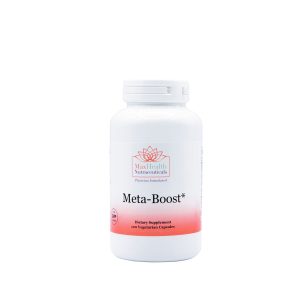
Meta Boost 120s

Berberine Herbal Complex 90s
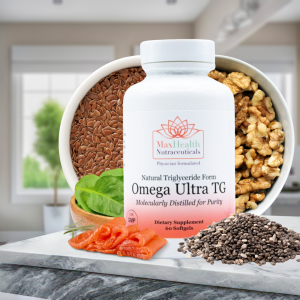
Omega Ultra TG

7 Keto Plus

Multi Mag

CLA 90s

Vegan Protein Vanilla 510 Grams
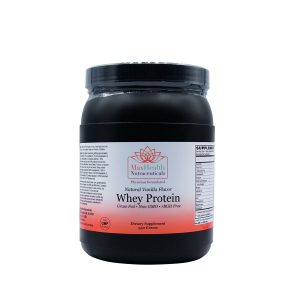
Whey Protein Vanilla 12 oz
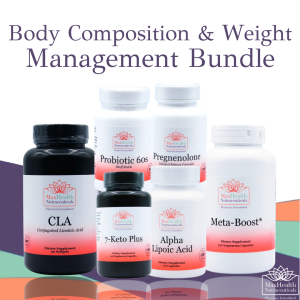
Body Composition & Weight Management Bundle
Disclosure: This post contains affiliate links. If you purchase through these links, we may earn a small commission at no extra cost to you. Learn more.
About the Author
Dr. Nicolle is a double board-certified physician in Family Medicine and Preventive Medicine, with certifications in Functional Medicine and Lifestyle Medicine. She helps busy professionals over 40 optimize their health through root-cause approaches to cardiovascular, hormonal, and metabolic health.
Learn more about Dr. Nicolle →Explore Related Topics
Dive deeper into these connected health areas
Hormone Health
Hormones are the chemical messengers that regulate virtually every process in your body — from metab…
Explore 🦠Gut Health
Your gut is far more than a digestive organ — it's home to 70% of your immune system, produces key n…
Explore 🌸Women's Health
Women's health encompasses a complex interplay of hormonal cycles, reproductive biology, and unique …
Explore 🧠Mental Health
Mental health is deeply interconnected with hormonal balance, gut health, blood sugar regulation, an…
Explore 📖Skin & Hair Health
Your skin and hair are windows into your internal health. Chronic acne, eczema, psoriasis, and hair …
ExploreReady to Address Your Health Concerns?
Book a Discovery Offer consultation to discuss how our functional medicine approach can help you achieve your health goals.
Book Your Discovery Offer