Atrial Fibrillation: A Functional Medicine Approach

- AFib is driven by inflammation, sleep apnea, thyroid dysfunction, magnesium deficiency, and metabolic syndrome — not just faulty wiring
- Sleep apnea is present in 40–50% of AFib patients and is the most underdiagnosed trigger
- Sustained weight loss of ≥10% body weight reduces AFib burden up to 6-fold (LEGACY trial)
- RBC magnesium, full thyroid panel, hs-CRP, and a sleep study should be part of every AFib workup
I'll never forget the 48-year-old executive who came to me after his third trip to the ER for a racing, fluttering heart. His cardiologist had started him on a rate-control medication and an anticoagulant. Standard of care. No argument there. But nobody had asked about his sleep. Nobody had checked his thyroid antibodies. Nobody had measured his magnesium level — and it was critically low at 1.4 mg/dL. He had three modifiable triggers driving his AFib, and all of them were fixable.
Atrial fibrillation (AFib) affects more than 6 million Americans and is the most common sustained cardiac arrhythmia worldwide (1). The conventional approach focuses on rate control, rhythm control, and stroke prevention with anticoagulants. These are important — sometimes life-saving. But a functional medicine lens asks a fundamentally different question: *What is causing the atria to fibrillate in the first place?*
Understanding AFib: More Than Just an Electrical Problem
The standard explanation of AFib is that the atria develop chaotic electrical signals, causing them to quiver instead of contract effectively. This is accurate but incomplete. It describes the *what* without addressing the *why*.
Research over the past two decades has identified several upstream drivers that create the substrate for AFib:
1. Systemic Inflammation
Chronic inflammation is increasingly recognized as a primary driver of AFib. Elevated hs-CRP, IL-6, and TNF-alpha directly damage atrial myocytes and promote fibrosis — the structural remodeling that makes AFib self-perpetuating (2).
Patients with elevated hs-CRP have a 31% higher risk of developing AFib, independent of other cardiac risk factors. Treating the inflammation treats the substrate.
2. Sleep Apnea
Obstructive sleep apnea (OSA) is present in 40–50% of AFib patients and is the single most underdiagnosed trigger. The mechanism is direct: repeated oxygen desaturation during sleep causes autonomic surges, atrial stretching, intrathoracic pressure changes, and oxidative stress — all of which promote electrical instability (3).
3. Thyroid Dysfunction
Both overt and subclinical hyperthyroidism can trigger AFib. Even subclinical disease (low TSH with normal T3/T4) increases AFib risk by 40%. I check full thyroid panels — not just TSH — on every AFib patient, including thyroid antibodies to rule out Hashimoto's flares.
4. Electrolyte Imbalances
Magnesium deficiency is profoundly common and directly contributes to cardiac electrical instability. Potassium, calcium, and sodium imbalances also alter the cardiac action potential. I see this constantly in patients on diuretics or proton pump inhibitors.
5. Metabolic Dysfunction
Insulin resistance, obesity, and metabolic syndrome independently increase AFib risk by 40–60%. Visceral adipose tissue produces inflammatory cytokines that directly affect atrial tissue. Weight loss of ≥10% has been shown to reduce AFib burden by up to 6-fold (4).
6. Autonomic Nervous System Imbalance
The vagus nerve heavily innervates the atria. Both vagally-mediated AFib (triggered by rest, after meals, at night) and adrenergically-mediated AFib (triggered by exercise, stress, caffeine) exist — and they require different management strategies.
7. Alcohol
Even moderate alcohol consumption increases AFib risk. The "holiday heart" phenomenon is well-documented, but chronic intake of as little as 1–2 drinks daily increases AFib episodes. The ARREST-AF study showed that alcohol abstinence reduced AFib recurrence by 37% (5).
The Functional Medicine Workup for AFib
Here's the expanded testing I run beyond a standard cardiology workup:
| Test | What It Reveals |
|---|---|
| hs-CRP, IL-6 | Systemic inflammation driving atrial remodeling |
| RBC Magnesium | True intracellular magnesium status (not serum) |
| Comprehensive thyroid panel (TSH, free T3, free T4, antibodies) | Subclinical thyroid dysfunction |
| Fasting insulin, HbA1c, HOMA-IR | Metabolic dysfunction |
| Sleep study (home or in-lab) | Obstructive sleep apnea |
| Omega-3 Index | Anti-inflammatory fatty acid status |
| Iron studies (ferritin, TIBC) | Iron overload (hemochromatosis) — a rare but treatable cause |
| Cortisol testing | HPA axis dysfunction contributing to autonomic imbalance |
Integrative Treatment Strategies
Magnesium Optimization
Magnesium is nature's calcium channel blocker and antiarrhythmic. I typically start AFib patients on magnesium taurate or glycinate at 400–800 mg daily (elemental magnesium). IV magnesium is used acutely in hospitals for AFib — oral supplementation is the maintenance strategy.
Weight Management
The LEGACY trial demonstrated that sustained weight loss of ≥10% body weight resulted in 6-fold greater freedom from AFib compared to less aggressive weight management. This is one of the most impactful interventions available — more effective than most antiarrhythmic drugs (4).
Sleep Apnea Treatment
CPAP therapy in AFib patients with OSA reduces AFib recurrence by approximately 42% and improves outcomes of catheter ablation procedures. I consider sleep apnea screening mandatory in every AFib patient.
Anti-Inflammatory Nutrition
An anti-inflammatory diet rich in omega-3 fatty acids, polyphenols, and fiber while minimizing processed foods, refined sugars, and seed oils directly addresses the inflammatory substrate driving atrial remodeling.
Alcohol Reduction or Elimination
For patients with AFib, I recommend a trial of complete alcohol cessation for 3 months to assess its impact on episode frequency. Many patients are surprised by how much their AFib burden decreases.
Stress and Autonomic Management
Cortisol optimization, heart rate variability training, and structured relaxation practices can help rebalance the autonomic nervous system. Vagal maneuvers (cold water face immersion, Valsalva) can sometimes terminate acute AFib episodes.
AFib is not just an electrical problem — it's a metabolic, inflammatory, and structural problem. Addressing the root causes (sleep apnea, inflammation, metabolic syndrome, magnesium deficiency, thyroid dysfunction) can dramatically reduce AFib burden, often allowing dose reduction or discontinuation of antiarrhythmic medications under physician guidance.
When to Seek Urgent Care
AFib with rapid ventricular response (heart rate >150 bpm), chest pain, shortness of breath, dizziness, or near-syncope requires immediate medical evaluation. Anticoagulation decisions should be made with your cardiologist based on your CHA₂DS₂-VASc score. Functional medicine is complementary to — not a replacement for — cardiology care in AFib management.
References
- Kornej J, et al. Epidemiology of atrial fibrillation in the 21st century. Circ Res. 2020;127(1):4-20. https://doi.org/10.1161/CIRCRESAHA.120.316340
- Guo Y, et al. Inflammation and atrial fibrillation. J Am Coll Cardiol. 2012;60(22):2263-2270. https://doi.org/10.1016/j.jacc.2012.04.063
- Linz D, et al. Associations of obstructive sleep apnea with atrial fibrillation. JACC Clin Electrophysiol. 2018;4(12):1519-1532. https://doi.org/10.1016/j.jacep.2018.09.004
- Pathak RK, et al. Long-term effect of goal-directed weight management on AF cohort (LEGACY study). J Am Coll Cardiol. 2015;65(20):2159-2169. https://doi.org/10.1016/j.jacc.2015.03.002
- Voskoboinik A, et al. Alcohol abstinence in drinkers with atrial fibrillation (ARREST-AF). N Engl J Med. 2020;382(1):20-28. https://doi.org/10.1056/NEJMoa1817591
Supplements for Heart Health
Clinical-grade picks for this topic
Affiliate disclosure: The product links below are affiliate links — we may earn a commission at no extra cost to you. Recommendations are based on clinical use, not commissions. Learn more.
Frequently Asked Questions
Common questions about atrial fibrillation: a functional medicine approach
Recommended Supplements
Professional-grade supplements from my MaxHealth Nutraceuticals line — the same formulas I use in clinical practice.

RESPeRATE Deluxe Duo

Inner Balance™ Coherence Plus

CardioEssence Plus
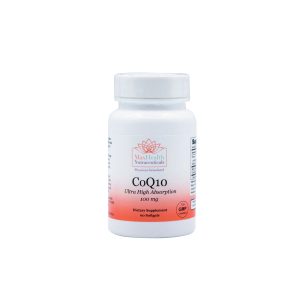
CoQ10

Omega Ultra TG
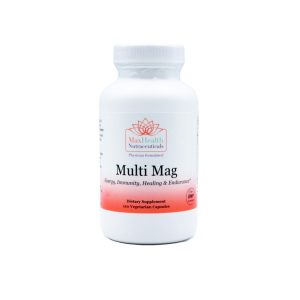
Multi Mag

Ubiquinol 100mg 60s
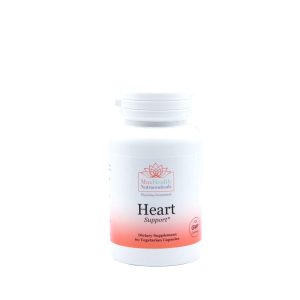
Heart Support 60s

Healthy Heart Bundle
Disclosure: This post contains affiliate links. If you purchase through these links, we may earn a small commission at no extra cost to you. Learn more.
About the Author
Dr. Nicolle is a double board-certified physician in Family Medicine and Preventive Medicine, with certifications in Functional Medicine and Lifestyle Medicine. She helps busy professionals over 40 optimize their health through root-cause approaches to cardiovascular, hormonal, and metabolic health.
Learn more about Dr. Nicolle →Explore Related Topics
Dive deeper into these connected health areas
Hormone Health
Hormones are the chemical messengers that regulate virtually every process in your body — from metab…
Explore 🦠Gut Health
Your gut is far more than a digestive organ — it's home to 70% of your immune system, produces key n…
Explore 🌸Women's Health
Women's health encompasses a complex interplay of hormonal cycles, reproductive biology, and unique …
Explore 💪Men's Health
Men's health involves a unique interplay of hormonal balance, cardiovascular resilience, metabolic e…
Explore 🧠Mental Health
Mental health is deeply interconnected with hormonal balance, gut health, blood sugar regulation, an…
Explore 📖Skin & Hair Health
Your skin and hair are windows into your internal health. Chronic acne, eczema, psoriasis, and hair …
ExploreReady to Address Your Health Concerns?
Book a Discovery Offer consultation to discuss how our functional medicine approach can help you achieve your health goals.
Book Your Discovery Offer