High Blood Pressure: A Root-Cause Treatment Approach

- Nearly half of American adults have hypertension — yet conventional treatment rarely investigates the underlying root causes.
- Up to 50% of 'essential' hypertension cases have underlying insulin resistance as a primary driver.
- Magnesium deficiency (affecting ~50% of Americans) directly contributes to hypertension — magnesium is nature's calcium channel blocker.
- Undiagnosed sleep apnea accounts for up to 50% of treatment-resistant hypertension cases.
- CoQ10 supplementation (200–400 mg daily) may reduce systolic blood pressure by 11–17 mmHg — comparable to some medications.
A 55-year-old teacher came to my office with a blood pressure of 158/94 — on two medications. She was frustrated, and honestly, so was I on her behalf. Her PCP had added a second drug six months ago and told her, "Some people just have high blood pressure." Nobody had checked her fasting insulin. Nobody had tested her magnesium. Nobody had asked about her sleep. She was on a low-salt diet that wasn't working because salt wasn't the problem.
When I ran a full workup, her fasting insulin was 19 (way too high), her RBC magnesium was in the tank, and her husband confirmed she snored heavily every night. She had three separate, treatable root causes driving her hypertension — and none of them were "too much salt."
Hypertension affects nearly half of all American adults (47%) and is the leading modifiable risk factor for heart disease, stroke, kidney disease, and cognitive decline (1). Yet conventional treatment typically jumps straight to pharmaceuticals without investigating the underlying drivers. Functional medicine takes a different approach: identify *why* blood pressure is elevated and address those root causes directly.
Beyond "Too Much Salt": The Real Root Causes
1. Insulin Resistance: The Hidden Driver
Insulin resistance is the most underdiagnosed cause of hypertension. Elevated insulin:
- Causes the kidneys to retain sodium (increasing blood volume)
- Stimulates the sympathetic nervous system (increasing heart rate and vasoconstriction)
- Promotes arterial stiffness through advanced glycation end products (AGEs)
- Drives chronic inflammation that damages blood vessel walls
Up to 50% of people with "essential" hypertension (no known cause) have underlying insulin resistance. Checking fasting insulin — not just fasting glucose — is critical. You can have insulin resistance with completely normal blood sugar.
2. Magnesium Deficiency
Magnesium is nature's calcium channel blocker. It relaxes blood vessel smooth muscle, reduces vascular resistance, and modulates the stress response. An estimated 50% of Americans are deficient, and magnesium deficiency directly contributes to hypertension (2).
3. Sleep Apnea
Obstructive sleep apnea (OSA) causes repeated drops in blood oxygen during sleep, triggering sympathetic nervous system surges that elevate blood pressure — particularly at night. Up to 50% of people with treatment-resistant hypertension have undiagnosed sleep apnea (3).
4. Chronic Stress and HPA Axis Dysfunction
Cortisol dysregulation keeps the sympathetic nervous system chronically activated:
- Elevated resting heart rate
- Increased arterial tone (vasoconstriction)
- Sodium retention
- Adrenal stress patterns that maintain elevated blood pressure overnight
5. Nutrient Deficiencies
Beyond magnesium, several nutrients directly affect blood pressure:
- Potassium: Counterbalances sodium; most Americans consume far too little
- Vitamin D: Deficiency activates the renin-angiotensin system (the same system targeted by ACE inhibitors)
- CoQ10: Supports endothelial function and nitric oxide production
- Omega-3 fatty acids: Reduce arterial inflammation and improve endothelial function
6. Environmental Toxins
Heavy metals and endocrine disruptors (lead, cadmium, BPA, mercury) contribute to hypertension through oxidative stress, endothelial damage, and kidney dysfunction.
| Root Cause | Key Tests | Intervention |
|---|---|---|
| Insulin Resistance | Fasting insulin, HOMA-IR, HbA1c | Low-glycemic diet, berberine, exercise |
| Magnesium Deficiency | RBC magnesium (not serum) | Magnesium glycinate 400–800 mg/day |
| Sleep Apnea | Home sleep study, AHI score | CPAP, weight loss, positional therapy |
| HPA Axis Dysfunction | 4-point salivary cortisol, DUTCH test | Adaptogens, stress reduction, sleep |
| Nutrient Deficiencies | Vitamin D, RBC Mg, potassium, CoQ10 | Targeted supplementation |
The Natural Blood Pressure Protocol
Nutrition: The DASH-Mediterranean Hybrid
- Increase: Potassium-rich foods (leafy greens, avocado, bananas, sweet potatoes)
- Increase: Nitric oxide precursors (beets, arugula, spinach, dark chocolate)
- Increase: Omega-3 rich foods (wild salmon, sardines, walnuts)
- Reduce: Processed foods (primary source of excess sodium in Western diets)
- Reduce: Refined carbohydrates and sugar (drive insulin resistance)
- Anti-inflammatory diet as the foundation
Targeted Supplementation
- Magnesium glycinate (400–800 mg daily): Nature's calcium channel blocker
- CoQ10 (200–400 mg daily): Supports endothelial function, may reduce systolic BP 11–17 mmHg
- Omega-3 fatty acids (3,000–4,000 mg EPA/DHA): Anti-inflammatory, reduces arterial stiffness
- Vitamin D3 (5,000–10,000 IU with K2): Modulates renin-angiotensin system
- Potassium citrate (if dietary intake is insufficient): Counterbalances sodium
- Berberine (500–1,000 mg): Addresses insulin resistance and reduces BP directly
- Hibiscus tea: 3 cups daily — clinically shown to reduce systolic BP by 7 mmHg (4)
Lifestyle Interventions
- Aerobic exercise: 150+ minutes/week reduces systolic BP 5–8 mmHg
- Resistance training: 2–3x/week (contrary to old advice, it helps lower BP)
- Weight management: Every 10 lbs lost reduces systolic BP ~5 mmHg
- Sleep optimization: Address sleep apnea, target 7–8 hours
- Stress reduction: Meditation, breathwork (slow breathing to 6 breaths/min)
- Limit alcohol: No more than 1 drink/day for men, occasional for women
Monitoring
- Home blood pressure monitoring: Morning and evening, sitting quietly for 5 minutes first
- Ambulatory 24-hour BP: More accurate than office readings for diagnosing and monitoring
- Track trends: Averages over weeks matter more than individual readings
High blood pressure is rarely just about salt. It's a symptom of underlying metabolic, nutritional, hormonal, and lifestyle dysfunction. Addressing root causes — especially insulin resistance, magnesium deficiency, and sleep — can normalize blood pressure without lifelong medication for many patients.
References
- Whelton PK, Carey RM, Aronow WS, et al. 2017 ACC/AHA/AAPA/ABC/ACPM/AGS/APhA/ASH/ASPC/NMA/PCNA Guideline for Prevention, Detection, Evaluation, and Management of High Blood Pressure in Adults. Journal of the American College of Cardiology. 2018;71(19):e127-e248.
- Houston M. The role of magnesium in hypertension and cardiovascular disease. Journal of Clinical Hypertension. 2011;13(11):843-847.
- Pedrosa RP, Drager LF, Gonzaga CC, et al. Obstructive sleep apnea: the most common secondary cause of hypertension associated with resistant hypertension. Hypertension. 2011;58(5):811-817.
- McKay DL, Chen CY, Saltzman E, et al. Hibiscus sabdariffa L. tea lowers systolic blood pressure. Journal of Nutrition. 2010;140(2):298-303.
- Juraschek SP, Miller ER, Weaver CM, et al. Effects of sodium reduction and the DASH diet in relation to baseline blood pressure. Journal of the American College of Cardiology. 2017;70(23):2841-2848.
Supplements for Heart Health
Clinical-grade picks for this topic
Affiliate disclosure: The product links below are affiliate links — we may earn a commission at no extra cost to you. Recommendations are based on clinical use, not commissions. Learn more.
Frequently Asked Questions
Common questions about high blood pressure: a root-cause treatment approach
Recommended Supplements
Professional-grade supplements from my MaxHealth Nutraceuticals line — the same formulas I use in clinical practice.

RESPeRATE Deluxe Duo

Inner Balance™ Coherence Plus

SMART Yoga Mat (Green)
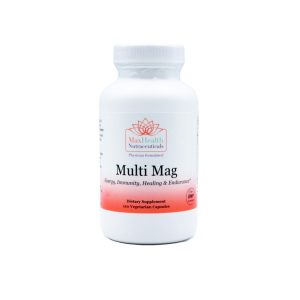
Multi Mag
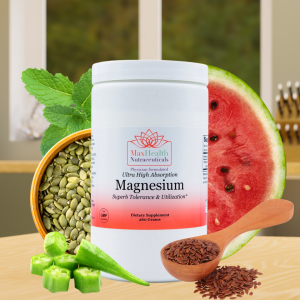
Magnesium Powder 260 Grams
CoQ10
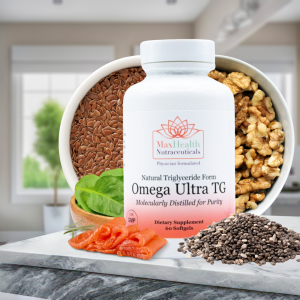
Omega Ultra TG
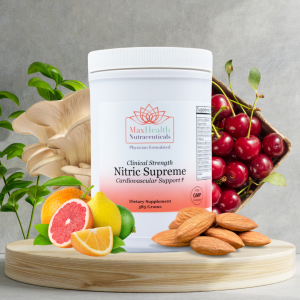
Nitric Supreme Cardiovascular Support
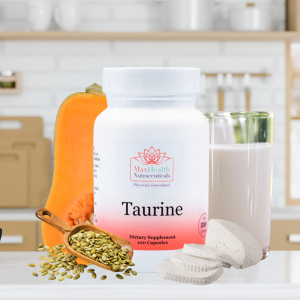
Taurine 500mg 100s
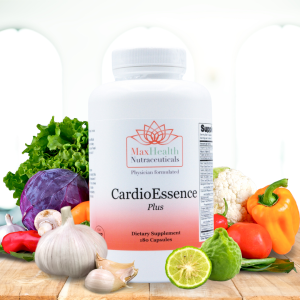
CardioEssence Plus

Healthy Heart Bundle
Disclosure: This post contains affiliate links. If you purchase through these links, we may earn a small commission at no extra cost to you. Learn more.
About the Author
Dr. Nicolle is a double board-certified physician in Family Medicine and Preventive Medicine, with certifications in Functional Medicine and Lifestyle Medicine. She helps busy professionals over 40 optimize their health through root-cause approaches to cardiovascular, hormonal, and metabolic health.
Learn more about Dr. Nicolle →Explore Related Topics
Dive deeper into these connected health areas
Hormone Health
Hormones are the chemical messengers that regulate virtually every process in your body — from metab…
Explore 🦠Gut Health
Your gut is far more than a digestive organ — it's home to 70% of your immune system, produces key n…
Explore 🌸Women's Health
Women's health encompasses a complex interplay of hormonal cycles, reproductive biology, and unique …
Explore 💪Men's Health
Men's health involves a unique interplay of hormonal balance, cardiovascular resilience, metabolic e…
Explore 🧠Mental Health
Mental health is deeply interconnected with hormonal balance, gut health, blood sugar regulation, an…
Explore 📖Skin & Hair Health
Your skin and hair are windows into your internal health. Chronic acne, eczema, psoriasis, and hair …
ExploreReady to Address Your Health Concerns?
Book a Discovery Offer consultation to discuss how our functional medicine approach can help you achieve your health goals.
Book Your Discovery Offer