Men's Stress & Performance: Optimize Without Burnout

- Cortisol and testosterone have an inverse relationship — chronic stress directly suppresses testosterone and impairs performance.
- The testosterone-to-cortisol ratio is a validated biomarker of overtraining, burnout, and stress-related performance decline.
- Overtraining is the most common mistake high-performing men make — more intensity during high-stress periods accelerates hormonal decline.
- True performance optimization requires deliberately managing recovery: sleep, HRV tracking, stress modulation, and targeted nutrition.
- Ashwagandha (KSM-66) is clinically proven to reduce cortisol by 30% and increase testosterone — a top-tier adaptogen for men under stress.
A tech executive sat across from me and said, "I don't understand — I'm doing everything right. I train six days a week, I eat clean, I sleep seven hours. But I feel like I'm falling apart." His testosterone had dropped from 680 to 410 in two years. His HRV was in the basement. His hs-CRP was 3.2. When I looked at his training log — two-a-days, five days a week, plus weekend runs — I knew exactly what was happening. He wasn't under-performing. He was over-stressing. His body couldn't tell the difference between a deadline and a deadlift.
This is the pattern I see most often in high-performing men: they treat their body like a machine that just needs more fuel and more maintenance, instead of a biological system that has finite recovery capacity. And the cultural narrative around masculinity — "rest is weakness," "grind harder" — makes it worse.
Functional medicine offers a different framework: optimize your stress response as deliberately as you optimize your training, nutrition, and career strategy.
How Stress Affects Men Differently
The Testosterone-Cortisol Seesaw
Cortisol and testosterone have an inverse relationship. When cortisol stays chronically elevated:
- Testosterone production drops (cortisol inhibits GnRH, the upstream signal)
- Muscle protein synthesis decreases despite training
- Body fat increases (especially visceral/belly fat)
- Libido and sexual function decline
- Recovery from exercise worsens
- Sleep quality deteriorates
The testosterone-to-cortisol ratio is a validated biomarker of overtraining, burnout, and stress-related performance decline in athletes and high-performers. A declining ratio — even when both hormones are within "normal" range — signals that the stress load exceeds recovery capacity.
Cardiovascular Impact
Men under chronic stress have significantly elevated cardiovascular risk:
- Blood pressure increases via chronic sympathetic activation
- Heart rate variability (HRV) decreases — a marker of reduced resilience
- Inflammatory markers (CRP, IL-6) rise
- Cholesterol profiles worsen (increased small dense LDL)
- Risk of cardiac events increases, especially in men who suppress emotional expression
Metabolic Consequences
Chronic stress drives insulin resistance through:
- Cortisol-mediated glucose dumping into the bloodstream
- Increased visceral fat (which produces its own inflammatory signals)
- Disrupted sleep (which worsens insulin sensitivity)
- Stress-driven eating patterns (carbohydrate and comfort food seeking)
The Performance Optimization Protocol
1. Train Smarter, Not Harder
Overtraining is the most common mistake high-performing men make:
- Monitor HRV: Use a wearable to track recovery status daily
- Periodize training: Alternate high-intensity and recovery weeks
- Prioritize resistance training: Supports testosterone, growth hormone, and metabolic health
- Cap intense sessions: 3–4 high-intensity sessions per week maximum during high-stress periods
- Zone 2 cardio: Low-intensity steady-state work builds aerobic base without cortisol spikes
2. Fuel for Resilience
- Protein: 1.6–2.2g per kg body weight for muscle maintenance and neurotransmitter synthesis
- Healthy fats: Adequate cholesterol is essential for testosterone production
- Complex carbs: Don't go too low — cortisol rises when carbs are chronically restricted
- Anti-inflammatory nutrition: Mediterranean-pattern eating reduces inflammatory load
- Minimize alcohol: Even moderate drinking increases cortisol and impairs sleep quality
3. Sleep as a Performance Tool
Sleep is when testosterone, growth hormone, and cognitive repair occur:
- 7.5–9 hours non-negotiable
- Consistent schedule: Same wake time daily (including weekends)
- Cool, dark room: 65–68°F optimal
- No screens 90 minutes before bed
- Magnesium glycinate before bed (400–600 mg)
4. Stress Modulation Techniques
Not "stress management" — stress *modulation* for performance:
- Box breathing (4-4-4-4): Activates parasympathetic nervous system in 2 minutes
- Cold exposure: 2–3 minutes cold shower increases norepinephrine 200–300% and builds stress tolerance
- Sauna: 20 minutes at 170°F+ increases growth hormone, heat shock proteins, and cardiovascular resilience
- Nature exposure: 20+ minutes in green spaces measurably reduces cortisol
- Social connection: Men who maintain close friendships have lower cardiovascular mortality
5. Targeted Supplementation
- Ashwagandha (KSM-66, 600 mg/day): Clinically proven to reduce cortisol 30%, increase testosterone, and improve stress resilience
- Adrenal support: Rhodiola (200–400 mg) for energy without stimulation
- Omega-3s (2,000–3,000 mg EPA/DHA): Anti-inflammatory, cardioprotective
- Multi-magnesium: Supports 600+ enzymatic reactions, calms nervous system
- B-complex (methylated forms): Depleted by stress, essential for energy metabolism
- Vitamin D3 (5,000 IU + K2): Supports testosterone, immune function, mood
| Marker | Optimal Range | What It Tells You |
|---|---|---|
| Free Testosterone | 15–25 pg/mL | Recovery capacity, muscle, drive |
| 4-Point Cortisol | Healthy diurnal curve | HPA axis function, stress response |
| HRV (rMSSD) | > 40 ms (age-dependent) | Autonomic balance, recovery readiness |
| hs-CRP | < 1.0 mg/L | Systemic inflammation level |
| Fasting Insulin | < 5 μIU/mL | Metabolic health, body composition |
High performance and chronic stress are not the same thing. True performance optimization requires deliberately managing your stress response — not just pushing harder. The men who perform best long-term are those who recover best, not those who grind hardest.
References
- Brownlee KK, Moore AW, Hackney AC. Relationship between circulating cortisol and testosterone: influence of physical exercise. Journal of Sports Science & Medicine. 2005;4(1):76-83.
- Steptoe A, Kivimäki M. Stress and cardiovascular disease: an update on current knowledge. Annual Review of Public Health. 2013;34:337-354.
- Chandola T, Brunner E, Marmot M. Chronic stress at work and the metabolic syndrome. BMJ. 2006;332(7540):521-525.
- Wankhede S, Langade D, Joshi K, et al. Examining the effect of Withania somnifera supplementation on muscle strength and recovery. Journal of the International Society of Sports Nutrition. 2015;12:43.
- Hackney AC. Stress and the neuroendocrine system: the role of exercise as a stressor and modifier of stress. Expert Review of Endocrinology & Metabolism. 2006;1(6):783-792.
Supplements for Men's Health
Clinical-grade picks for this topic

Inner Balance™ Coherence Plus
$249.00

Thera360 PLUS Portable Sauna
$1,428.00

TheraFrost Cold Plunge
$4,988.00
Affiliate disclosure: The product links below are affiliate links — we may earn a commission at no extra cost to you. Recommendations are based on clinical use, not commissions. Learn more.
Frequently Asked Questions
Common questions about men's stress & performance: optimize without burnout
Recommended Supplements
Professional-grade supplements from my MaxHealth Nutraceuticals line — the same formulas I use in clinical practice.
Inner Balance™ Coherence Plus
Thera360 PLUS Portable Sauna
TheraFrost Cold Plunge

SMART Resistance Training Bundle
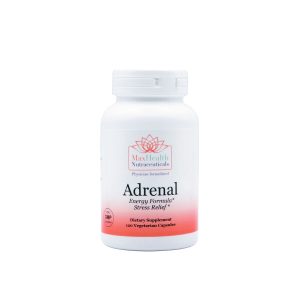
Adrenal (Energy & Stress) 120 Capsules

Multi Mag
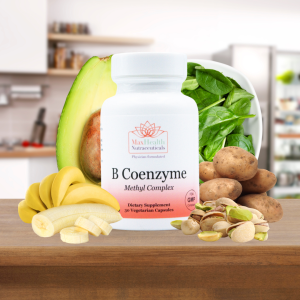
B Coenzyme Methyl Complex
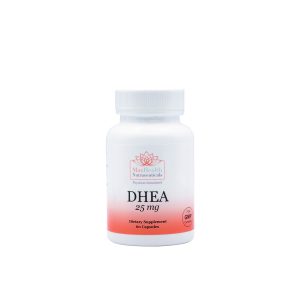
DHEA 25mg 60s
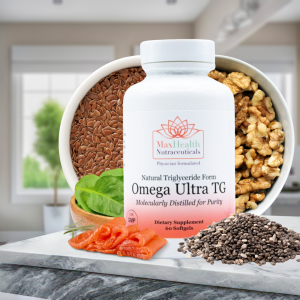
Omega Ultra TG
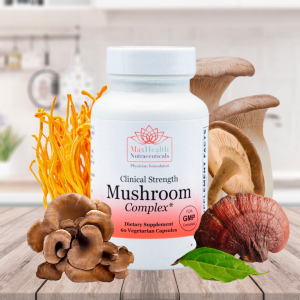
Mushroom Complex 60s
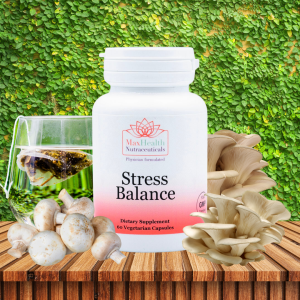
Stress Balance
Whey Protein Vanilla 12 oz
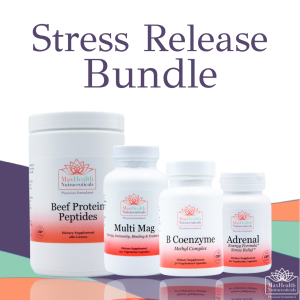
Stress Release Bundle
Disclosure: This post contains affiliate links. If you purchase through these links, we may earn a small commission at no extra cost to you. Learn more.
About the Author
Dr. Nicolle is a double board-certified physician in Family Medicine and Preventive Medicine, with certifications in Functional Medicine and Lifestyle Medicine. She helps busy professionals over 40 optimize their health through root-cause approaches to cardiovascular, hormonal, and metabolic health.
Learn more about Dr. Nicolle →Explore Related Topics
Dive deeper into these connected health areas
Hormone Health
Hormones are the chemical messengers that regulate virtually every process in your body — from metab…
Explore 🦠Gut Health
Your gut is far more than a digestive organ — it's home to 70% of your immune system, produces key n…
Explore ❤️Metabolic Health
Metabolic health sits at the intersection of blood sugar regulation, cardiovascular function, body c…
Explore 🌸Women's Health
Women's health encompasses a complex interplay of hormonal cycles, reproductive biology, and unique …
Explore 🧠Mental Health
Mental health is deeply interconnected with hormonal balance, gut health, blood sugar regulation, an…
Explore 📖Skin & Hair Health
Your skin and hair are windows into your internal health. Chronic acne, eczema, psoriasis, and hair …
ExploreReady to Address Your Health Concerns?
Book a Discovery Offer consultation to discuss how our functional medicine approach can help you achieve your health goals.
Book Your Discovery Offer