Low Testosterone in Men Over 40: Signs, Testing, and Treatment Options

- Testosterone declines ~1-2% per year after age 30, but lifestyle factors accelerate the drop
- Optimal levels are 500-900 ng/dL — standard lab 'normal' ranges miss symptomatic men
- Many men boost testosterone 20-50% through sleep, exercise, and nutrition alone
- TRT is effective but suppresses fertility — alternatives exist for men wanting children
Here's something that doesn't get talked about enough: testosterone levels in American men have been declining for decades, independent of aging. A 2007 study in the *Journal of Clinical Endocrinology & Metabolism* found that a 65-year-old man in 2002 had roughly 15% less testosterone than a 65-year-old man in 1987 (2). This isn't just "getting older." Something environmental and lifestyle-driven is accelerating the decline.
By age 45, nearly 40% of men have testosterone levels below optimal range, yet most are told their labs look "fine" and their fatigue, brain fog, and stubborn belly fat are just part of aging (1). In my functional medicine practice, I refuse to accept that. The first question isn't "should we start TRT?" It's "why is your testosterone low in the first place?"
Testosterone levels have been declining by 1% per year since the 1980s. This isn't just aging—it's environmental. Sleep, stress, and toxins are hitting men harder than ever.
The Testosterone Crisis: More Than "Getting Older"
Research published in the *Journal of Clinical Endocrinology & Metabolism* reveals a troubling population-level trend: testosterone levels have been declining across all age groups for decades, independent of aging (2). A 60-year-old man today has significantly lower testosterone than a 60-year-old man in 1990. This suggests environmental and lifestyle factors are driving the decline beyond normal aging.
Several factors are converging to drive this decline. Environmental endocrine disruptors (BPA, phthalates, pesticides, and microplastics) interfere with hormonal signaling. The obesity epidemic plays a role because fat tissue contains aromatase, which converts testosterone to estrogen. Chronic stress suppresses gonadotropin-releasing hormone, while sleep deprivation cuts into the deep sleep phases when testosterone is primarily produced. Sedentary lifestyles reduce testosterone production, and ultra-processed diets lack the nutrients the hormonal machinery requires.
Signs of Low Testosterone
Physical Symptoms
- Fatigue and low energy despite adequate sleep
- Decreased muscle mass and strength
- Increased body fat, especially visceral abdominal fat
- Reduced endurance and exercise recovery
- Joint pain and decreased bone density
- Gynecomastia (breast tissue development)
Mental and Cognitive
- Brain fog and poor concentration
- Decreased motivation and drive
- Mood changes, irritability, and anxiety
- Depression, often misdiagnosed and treated with SSRIs alone
- Diminished confidence and assertiveness
Sexual Health
- Reduced libido (often the first noticed symptom)
- Erectile dysfunction
- Decreased morning erections (a key clinical indicator)
- Reduced ejaculate volume
- Difficulty achieving orgasm
Metabolic Impact
- Insulin resistance and prediabetes progression
- Elevated cardiovascular risk
- Increased inflammatory markers
- Dyslipidemia (poor cholesterol ratios)
Why Standard Testing Falls Short
Most physicians check only total testosterone and declare levels "normal" if they fall within the lab's reference range. This approach has critical flaws:
| Testing Aspect | Conventional Approach | Functional Medicine Approach |
|---|---|---|
| Markers Tested | Total testosterone only | Total T, Free T, SHBG, Estradiol, DHT, LH, FSH, Prolactin |
| Reference Range | 264-916 ng/dL (includes unhealthy men) | Optimal range: 500-900 ng/dL based on symptoms |
| Free Testosterone | Rarely checked | Always assessed — the bioactive form |
| Estrogen in Men | Ignored | Estradiol monitored — excess causes symptoms |
| Root Cause Investigation | None — "normal" or prescribe TRT | Thyroid, cortisol, insulin, inflammatory markers, nutrient status |
| Timing | Any time of day | Fasting, 7-10 AM (when levels peak) |
A comprehensive evaluation also includes:
- Thyroid panel: hypothyroidism suppresses testosterone
- Cortisol assessment: chronic stress steals pregnenolone from testosterone production ("pregnenolone steal")
- Metabolic markers: fasting insulin, HbA1c, lipid particle analysis
- Nutrient status: zinc, vitamin D, magnesium, B vitamins
- Inflammatory markers: hs-CRP, homocysteine
Lifestyle Optimization: The Foundation
Before considering testosterone replacement, every man should optimize these foundational factors. Research shows that lifestyle interventions alone can increase testosterone by 20-50% in many men (3).
Resistance Training
Compound movements (squats, deadlifts, bench press, rows) are the most potent natural testosterone boosters. Studies show that resistance training increases both acute and resting testosterone levels (4). Explore our fitness programs designed for hormonal optimization.
Sleep Optimization
Testosterone production occurs primarily during REM sleep. Research published in *JAMA* demonstrated that one week of sleep restriction (5 hours/night) reduced daytime testosterone by 10-15%, the equivalent of 10-15 years of aging (5). Sleep optimization is essential.
Stress Management
Chronic stress elevates cortisol, which directly suppresses the hypothalamic-pituitary-gonadal (HPG) axis. The "pregnenolone steal" theory explains how the body prioritizes cortisol production over testosterone when under chronic stress, as both share the same precursor hormone.
Nutrition
Key dietary strategies include:
- Adequate protein — 0.8-1g per pound of bodyweight supports muscle and hormone production
- Healthy fats — cholesterol is the precursor to all steroid hormones; extremely low-fat diets can reduce testosterone
- Zinc-rich foods — oysters, red meat, pumpkin seeds (zinc is essential for testosterone synthesis)
- Cruciferous vegetables — support healthy estrogen metabolism via DIM
- Limit alcohol — even moderate consumption suppresses testosterone acutely
- Explore our meal plans designed to support hormonal health
Body Composition
Adipose tissue contains the enzyme aromatase, which converts testosterone to estrogen. Losing visceral fat can significantly increase testosterone — studies show that losing 10% of body weight can increase total testosterone by 50-100 ng/dL (6).
Testosterone Replacement Therapy (TRT)
When lifestyle optimization is insufficient, TRT may be appropriate. This decision requires careful evaluation of benefits, risks, and individual goals.
Delivery Methods
- Injectable testosterone cypionate/enanthate — most common, cost-effective, allows precise dosing
- Topical gels or creams — daily application, steady levels but risk of transference
- Pellet therapy — subcutaneous implants every 3-4 months
- Nasal testosterone — newer option with short-acting profile
- Clomiphene citrate — an alternative that stimulates natural production (preserves fertility)
Essential Monitoring on TRT
- Total and free testosterone every 6-8 weeks initially
- Estradiol — may need aromatase inhibitor management
- Hematocrit/hemoglobin — TRT stimulates red blood cell production (polycythemia risk)
- PSA and digital rectal exam — prostate monitoring
- Lipid panel and metabolic markers
- Cardiovascular assessment — particularly important after the TRAVERSE trial data (7)
Fertility Considerations
Critical warning: Exogenous testosterone suppresses sperm production and can cause infertility. Men who want future children should discuss alternatives like clomiphene, enclomiphene, or hCG with their provider before starting TRT (8).
The TRAVERSE Trial: Cardiovascular Safety
The 2023 TRAVERSE trial, published in the *New England Journal of Medicine*, provided reassuring cardiovascular safety data. In over 5,000 men followed for 33 months, testosterone replacement did NOT increase the risk of major adverse cardiovascular events compared to placebo (7). This was a landmark finding that changed the risk-benefit calculus for many men.
Beyond Testosterone: A Systems Approach
Testosterone doesn't exist in isolation. Optimal male hormonal health requires:
- Balanced thyroid function — supports metabolic rate and energy
- Healthy cortisol rhythm — prevents HPG axis suppression
- Gut health — the gut metabolizes and recycles hormones
- Insulin sensitivity — insulin resistance impairs Leydig cell function
- Adequate micronutrients — zinc, vitamin D, magnesium, boron
Reclaim Your Vitality
Low testosterone is not an inevitable part of aging. It's a treatable condition that responds to a systematic, root-cause approach. Our Men's Vitality Program provides targeted testosterone optimization combining advanced testing, lifestyle protocols, and individualized therapies. Schedule a Discovery Offer to get started.
References
- Mulligan T, et al. Prevalence of hypogonadism in males aged at least 45 years. Int J Clin Pract. 2006;60(7):762-769. https://doi.org/10.1111/j.1742-1241.2006.00992.x
- Travison TG, et al. A population-level decline in serum testosterone levels in American men. J Clin Endocrinol Metab. 2007;92(1):196-202. https://doi.org/10.1210/jc.2006-1375
- Corona G, et al. Body weight loss reverts obesity-associated hypogonadotropic hypogonadism. J Clin Endocrinol Metab. 2013;98(7):2997-3005. https://doi.org/10.1210/jc.2013-1176
- Kraemer WJ, Ratamess NA. Hormonal responses and adaptations to resistance exercise and training. Sports Med. 2005;35(4):339-361. https://doi.org/10.2165/00007256-200535040-00004
- Leproult R, Van Cauter E. Effect of 1 week of sleep restriction on testosterone levels in young healthy men. JAMA. 2011;305(21):2173-2174. https://doi.org/10.1001/jama.2011.710
- Grossmann M. Low testosterone in men with type 2 diabetes. J Clin Endocrinol Metab. 2011;96(8):2341-2353. https://doi.org/10.1210/jc.2011-0118
- Lincoff AM, et al. Cardiovascular safety of testosterone-replacement therapy. N Engl J Med. 2023;389(2):107-117. https://doi.org/10.1056/NEJMoa2215025
- Patel AS, et al. Testosterone is a contraceptive and should not be used in men who desire fertility. World J Mens Health. 2019;37(1):45-54. https://doi.org/10.5534/wjmh.180036
- Bhasin S, et al. Testosterone therapy in men with hypogonadism: an Endocrine Society clinical practice guideline. J Clin Endocrinol Metab. 2018;103(5):1715-1744. https://doi.org/10.1210/jc.2018-00229
- Tyagi V, et al. Revisiting the role of testosterone: Are we missing something? Rev Urol. 2017;19(1):16-24. https://doi.org/10.3909/riu0716
Supplements for Men's Health
Clinical-grade picks for this topic

TheraFrost Cold Plunge
$4,988.00

Thera360 PLUS Portable Sauna
$1,428.00

SMART Resistance Training Bundle
$54.99
Affiliate disclosure: The product links below are affiliate links — we may earn a commission at no extra cost to you. Recommendations are based on clinical use, not commissions. Learn more.
Frequently Asked Questions
Common questions about low testosterone in men over 40: signs, testing, and treatment options
Recommended Supplements
Professional-grade supplements from my MaxHealth Nutraceuticals line — the same formulas I use in clinical practice.
TheraFrost Cold Plunge
Thera360 PLUS Portable Sauna
SMART Resistance Training Bundle
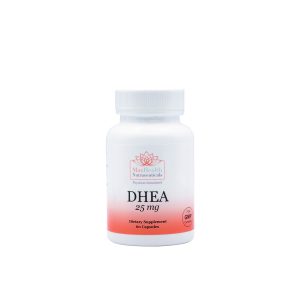
DHEA 25mg 60s

Zinc Complex Plus Copper
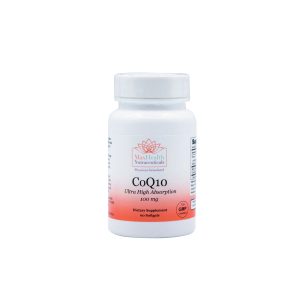
CoQ10
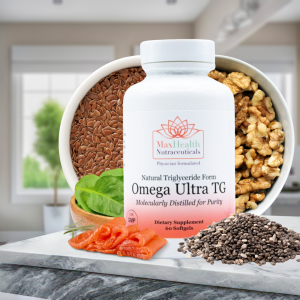
Omega Ultra TG

Vitamin D3 5000 IU + K2 CAPSULES 100s
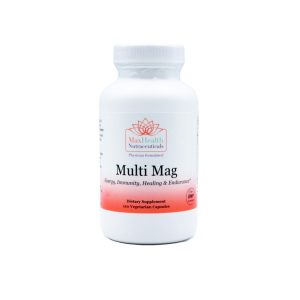
Multi Mag
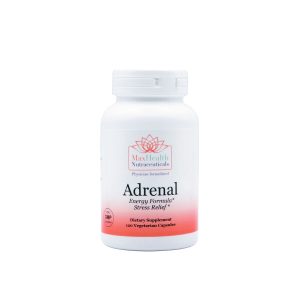
Adrenal (Energy & Stress) 120 Capsules
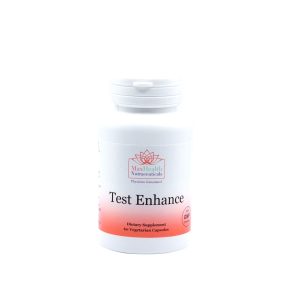
Test Enhance 60s

Whey Protein Vanilla 12 oz

Power and Endurance Bundle
Disclosure: This post contains affiliate links. If you purchase through these links, we may earn a small commission at no extra cost to you. Learn more.
About the Author
Dr. Nicolle is a double board-certified physician in Family Medicine and Preventive Medicine, with certifications in Functional Medicine and Lifestyle Medicine. She helps busy professionals over 40 optimize their health through root-cause approaches to cardiovascular, hormonal, and metabolic health.
Learn more about Dr. Nicolle →Explore Related Topics
Dive deeper into these connected health areas
Gut Health
Your gut is far more than a digestive organ — it's home to 70% of your immune system, produces key n…
Explore ❤️Metabolic Health
Metabolic health sits at the intersection of blood sugar regulation, cardiovascular function, body c…
Explore 🌸Women's Health
Women's health encompasses a complex interplay of hormonal cycles, reproductive biology, and unique …
Explore 🧠Mental Health
Mental health is deeply interconnected with hormonal balance, gut health, blood sugar regulation, an…
Explore 📖Skin & Hair Health
Your skin and hair are windows into your internal health. Chronic acne, eczema, psoriasis, and hair …
ExploreReady to Address Your Health Concerns?
Book a Discovery Offer consultation to discuss how our functional medicine approach can help you achieve your health goals.
Book Your Discovery Offer