Intermittent Fasting: Benefits, Risks, and Who Should Avoid It

- IF improves insulin sensitivity, triggers autophagy, and supports metabolic health — for the right person
- Women with HPA axis dysfunction, irregular cycles, or thyroid issues may worsen on aggressive fasting
- 16:8 is the most sustainable window; longer fasts carry higher risk of muscle loss and hormonal disruption
- Start with 12-14 hours and extend gradually — if you feel worse, it's not right for you
Every few months, a patient walks into my office already doing intermittent fasting, usually a 16:8 protocol they learned about from a podcast. Sometimes it's working beautifully: improved energy, better blood sugar, weight loss, clearer thinking. Other times, it's making everything worse: their cortisol is through the roof, their thyroid has slowed down, they're losing hair, and they're more inflamed than before they started.
The difference isn't the fasting protocol itself. It's whether the person doing it was a good candidate in the first place. And that distinction is one that popular health media almost never makes.
What Intermittent Fasting Actually Does
Intermittent fasting (IF) isn't a diet in the traditional sense. It doesn't prescribe what you eat, only when. The most common protocols include 16:8 (eating within an 8-hour window), 18:6, 5:2 (eating normally 5 days, restricting to 500-600 calories 2 days), and alternate-day fasting.
| Protocol | Fasting Window | Eating Window | Best For |
|---|---|---|---|
| 16:8 | 16 hours | 8 hours | Beginners; mild insulin resistance |
| 18:6 | 18 hours | 6 hours | Experienced fasters; metabolic syndrome |
| 5:2 | 2 days at 500-600 cal | 5 normal days | Those who prefer flexibility over daily routine |
| OMAD (One Meal a Day) | ~23 hours | ~1 hour | Advanced only; not recommended long-term |
| 12:12 | 12 hours | 12 hours | Women; HPA axis concerns; gentle entry |
The metabolic benefits of fasting occur through several well-documented mechanisms.
Insulin Sensitivity
When you fast, insulin levels drop. This gives your cells time to regain sensitivity to insulin's signal, essentially "resetting" the insulin receptors that have become desensitized from constant glucose exposure. For people with insulin resistance or early metabolic syndrome, this effect can be genuinely therapeutic (1).
After 12-16 hours without food, your body begins shifting from glucose burning to fat oxidation, a metabolic state called "fat adaptation." This transition improves mitochondrial flexibility, the ability to efficiently switch between fuel sources, which is a hallmark of metabolic health.
Autophagy
Autophagy, the cellular recycling process where damaged proteins and organelles are broken down and repurposed, is upregulated during fasting. This "cellular housekeeping" is linked to reduced cancer risk, improved mitochondrial function, neuroprotection, and longevity. Autophagy begins to increase significantly after about 16-18 hours of fasting, though it varies by individual (2).
Inflammation Reduction
Fasting reduces inflammatory markers including hs-CRP, IL-6, and TNF-alpha. It also appears to modulate the gut microbiome in beneficial ways, potentially by giving the migrating motor complex (MMC), the gut's cleaning wave, time to function properly. This is particularly relevant for patients with SIBO, where impaired MMC function is often a contributing factor.
Brain Health
Fasting increases brain-derived neurotrophic factor (BDNF), which supports neuroplasticity, memory, and mood. It also promotes ketone production, which provides a cleaner fuel source for the brain than glucose and may be protective against neurodegenerative diseases. Many patients report improved mental clarity during fasting windows (3).
Who Benefits Most
Intermittent fasting tends to work best for people with insulin resistance or metabolic syndrome, especially when combined with a nutrient-dense anti-inflammatory diet. Men over 40 with declining testosterone and rising fasting glucose often see meaningful improvements. Postmenopausal women with stable hormones may also benefit.
People who respond well typically share a few characteristics. They have stable blood sugar to begin with (or at least mild dysregulation, not severe hypoglycemia). They don't have active HPA axis dysfunction. They sleep 7+ hours consistently. And they can fast without significant stress or anxiety about food.
Who Should Be Cautious or Avoid IF
This is the part that most IF advocates skip, and it's arguably the most important section of this article.
Women with irregular menstrual cycles, active HPA axis dysfunction, a history of eating disorders, or diagnosed hypothyroidism should approach intermittent fasting with extreme caution. Fasting is a physiological stressor — for bodies already under hormonal strain, it can worsen the very symptoms you're trying to fix.
Women of Reproductive Age
Women's hormonal systems are more sensitive to caloric restriction signals than men's. Research shows that even moderate fasting can disrupt the hypothalamic-pituitary-gonadal (HPG) axis in premenopausal women, leading to irregular periods, anovulation, and increased cortisol (4).
This doesn't mean all premenopausal women should avoid fasting. It means they should approach it carefully: shorter fasting windows (12-14 hours rather than 16+), fasting only 3-4 days per week rather than daily, and avoiding fasting during the luteal phase (the two weeks before your period) when progesterone needs are highest.
Women navigating perimenopause should be especially cautious, as the additional metabolic stress of fasting can amplify hormonal volatility.
People with HPA Axis Dysfunction
If your cortisol rhythm is already disrupted, whether from chronic stress, adrenal dysfunction, or trauma, fasting adds another stressor to an already overtaxed system. Your body interprets the absence of food as a survival threat and responds by increasing cortisol, which is exactly what you don't need.
Signs that fasting is stressing your system include feeling wired but tired, difficulty sleeping, increased anxiety, waking between 2-4 AM, and worsening brain fog during the fasting window.
People with Thyroid Conditions
Extended fasting can reduce T3 (the active thyroid hormone) by decreasing peripheral conversion of T4 to T3. For someone with healthy thyroid function, this is a temporary, adaptive response. For someone with Hashimoto's or hypothyroidism, it can worsen symptoms significantly.
History of Eating Disorders
Any protocol that restricts eating windows can trigger disordered eating patterns. If you have a history of anorexia, bulimia, or orthorexia, intermittent fasting is not recommended without close supervision from a mental health professional.
Active Autoimmune Flares
During active autoimmune flares, your body needs consistent nutrition for immune regulation and tissue repair. Fasting during flares can increase inflammation rather than reduce it.
How to Do It Right
If you're a good candidate, here's how to implement intermittent fasting safely and effectively.
Start Gradually
Don't jump from eating every 3 hours to a 16-hour fast. Begin by simply closing your eating window: stop eating 3 hours before bed, and delay breakfast by 30 minutes each week until you reach a 12-14 hour overnight fast. Most people can tolerate this without any negative effects.
Prioritize Nutrition During Eating Windows
Fasting is not a license to eat poorly during your eating window. If anything, nutrient density becomes more important because you have fewer meals to meet your nutritional needs. Prioritize protein (aim for 0.7-1g per pound of lean body mass daily), healthy fats, abundant vegetables, and micronutrient-dense foods.
Stay Hydrated
Water, mineral water, herbal tea, and black coffee are fine during fasting windows. Adding a pinch of sea salt to your water provides electrolytes that prevent the headaches and lightheadedness some people experience during longer fasts.
Monitor Your Response
Track your energy, sleep quality, mood, digestion, menstrual regularity (for women), and workout performance. If any of these decline after 2-3 weeks of consistent fasting, your body is telling you something. Listen.
Functional lab testing before and after implementing a fasting protocol can provide objective data: fasting insulin, HOMA-IR, cortisol patterns, thyroid markers, and inflammatory markers will tell you whether fasting is helping or hurting.
When to Eat, Not Just When to Fast
Emerging research on circadian nutrition suggests that when you eat matters independently of fasting duration. Front-loading calories earlier in the day, eating your largest meal at lunch rather than dinner, aligns with your body's natural insulin sensitivity patterns and circadian rhythms. Time-restricted eating with an early eating window (7 AM - 3 PM, for example) appears to produce better metabolic outcomes than the same fasting duration with a late eating window (noon - 8 PM) (5).
The Nuanced Position
Intermittent fasting is a tool. Like any tool, it works well for specific jobs and poorly for others. The metabolic benefits are real and well-documented: improved insulin sensitivity, reduced inflammation, enhanced autophagy, and better metabolic flexibility. But these benefits depend entirely on context.
Before starting any fasting protocol, honestly assess your stress levels, sleep quality, hormonal status, and metabolic health. Consider getting baseline labs so you can objectively measure the impact.
If you'd like guidance on whether intermittent fasting is appropriate for your situation, book a Discovery Offer consultation to discuss your specific health profile, or take our Wellness Quiz for personalized lifestyle recommendations.
References
- Patterson RE, Sears DD. Metabolic effects of intermittent fasting. Annual Review of Nutrition. 2017;37:371-393. https://doi.org/10.1146/annurev-nutr-071816-064634
- Alirezaei M, et al. Short-term fasting induces profound neuronal autophagy. Autophagy. 2010;6(6):702-710. https://doi.org/10.4161/auto.6.6.12376
- Mattson MP, et al. Intermittent metabolic switching, neuroplasticity and brain health. Nature Reviews Neuroscience. 2018;19(2):63-80. https://doi.org/10.1038/nrn.2017.156
- Kumar S, Kaur G. Intermittent fasting dietary restriction regimen negatively influences reproduction in young rats. PLoS ONE. 2013;8(6):e66316. https://doi.org/10.1371/journal.pone.0066316
- Sutton EF, et al. Early time-restricted feeding improves insulin sensitivity, blood pressure, and oxidative stress even without weight loss. Cell Metabolism. 2018;27(6):1212-1221. https://doi.org/10.1016/j.cmet.2018.04.010
Supplements for Stress & Recovery
Clinical-grade picks for this topic

Thera360 PLUS Portable Sauna
$1,428.00

SMART Resistance Training Bundle
$54.99

SMART Yoga Mat (Green)
$56.99
Affiliate disclosure: The product links below are affiliate links — we may earn a commission at no extra cost to you. Recommendations are based on clinical use, not commissions. Learn more.
Frequently Asked Questions
Common questions about intermittent fasting: benefits, risks, and who should avoid it
Recommended Supplements
Professional-grade supplements from my MaxHealth Nutraceuticals line — the same formulas I use in clinical practice.
Thera360 PLUS Portable Sauna
SMART Resistance Training Bundle
SMART Yoga Mat (Green)

Multi Mag

Omega Ultra TG
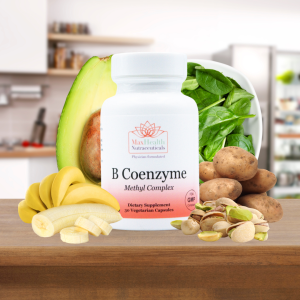
B Coenzyme Methyl Complex

Berberine Herbal Complex 90s
Adrenal (Energy & Stress) 120 Capsules
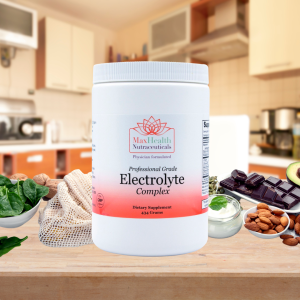
Electrolyte Complex 60s 394gms
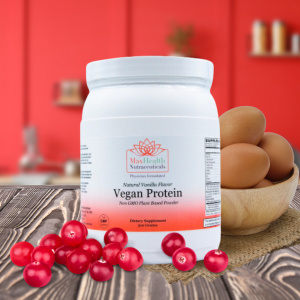
Vegan Protein Vanilla 510 Grams
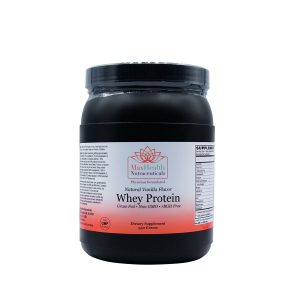
Whey Protein Vanilla 12 oz
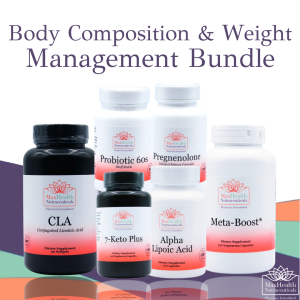
Body Composition & Weight Management Bundle
Disclosure: This post contains affiliate links. If you purchase through these links, we may earn a small commission at no extra cost to you. Learn more.
About the Author
Dr. Nicolle is a double board-certified physician in Family Medicine and Preventive Medicine, with certifications in Functional Medicine and Lifestyle Medicine. She helps busy professionals over 40 optimize their health through root-cause approaches to cardiovascular, hormonal, and metabolic health.
Learn more about Dr. Nicolle →Explore Related Topics
Dive deeper into these connected health areas
Hormone Health
Hormones are the chemical messengers that regulate virtually every process in your body — from metab…
Explore 🦠Gut Health
Your gut is far more than a digestive organ — it's home to 70% of your immune system, produces key n…
Explore 🌸Women's Health
Women's health encompasses a complex interplay of hormonal cycles, reproductive biology, and unique …
Explore 🧠Mental Health
Mental health is deeply interconnected with hormonal balance, gut health, blood sugar regulation, an…
Explore 📖Skin & Hair Health
Your skin and hair are windows into your internal health. Chronic acne, eczema, psoriasis, and hair …
ExploreReady to Address Your Health Concerns?
Book a Discovery Offer consultation to discuss how our functional medicine approach can help you achieve your health goals.
Book Your Discovery Offer