Histamine Intolerance: The Hidden Root Cause of Your Mystery Symptoms

- Histamine intolerance is a mismatch between histamine accumulation and your body's ability to break it down — not a true allergy.
- The gut is the primary driver: leaky gut, SIBO, and dysbiosis reduce DAO enzyme production and increase histamine-producing bacteria.
- Estrogen and histamine amplify each other, which is why women — especially during perimenopause — are disproportionately affected.
- A low-histamine diet is a diagnostic and therapeutic tool, not a permanent restriction — root-cause healing expands tolerance over time.
- The 4-phase protocol (reduce load → heal gut → balance hormones → expand diet) addresses the underlying causes, not just the symptoms.
You've been tested for allergies — negative. You've tried elimination diets that helped... sort of. You've been told it's "just anxiety" or "IBS." But every time you eat aged cheese, drink red wine, or hit the luteal phase of your cycle, the same baffling constellation of symptoms returns: flushing, headaches, bloating, hives, racing heart, insomnia. If this sounds familiar, you may be dealing with something your conventional doctor has never tested for: histamine intolerance.
Histamine intolerance isn't a true allergy — it's an imbalance between the histamine your body accumulates (from foods, gut bacteria, and internal production) and your capacity to break it down. And it sits at a crossroads of gut health, hormonal balance, and skin health, making it one of the most under-recognized conditions in medicine.
What Is Histamine and Why Does It Matter?
Histamine is a biogenic amine — a signaling molecule that plays essential roles throughout your body. It's not inherently bad. In fact, you need it:
- Immune defense: Histamine triggers inflammation to fight infections and allergens
- Gastric acid production: It stimulates HCl secretion for proper digestion
- Neurotransmission: It regulates wakefulness, attention, and cognitive function
- Vasodilation: It controls blood flow and blood pressure regulation
Problems arise not because histamine exists, but because the balance between histamine accumulation and histamine clearance breaks down. Think of it like a bathtub: if the faucet runs faster than the drain can empty, the tub overflows. In histamine intolerance, the "drain" is impaired.
The Two Enzyme Pathways: DAO and HNMT
Your body clears histamine through two primary enzymes:
Diamine Oxidase (DAO)
DAO is produced primarily in the intestinal lining and is responsible for breaking down extracellular histamine — the histamine that enters your body through food. This is the enzyme most relevant to dietary histamine intolerance. When DAO activity is insufficient, dietary histamine accumulates in the bloodstream and triggers symptoms.
Histamine N-Methyltransferase (HNMT)
HNMT operates intracellularly, breaking down histamine inside cells — particularly in the liver, kidneys, and central nervous system. HNMT dysfunction is more closely tied to neurological symptoms like insomnia, anxiety, and brain fog.
Most histamine intolerance is driven by DAO deficiency, not HNMT. This is why dietary strategies are the first-line intervention — you're reducing the load on an already overwhelmed system.
The Symptoms: Why Histamine Intolerance Mimics Everything
One reason histamine intolerance goes undiagnosed is that its symptoms span virtually every organ system. Because histamine receptors (H1, H2, H3, H4) are distributed throughout the body, an overflow can look like:
Skin:
- Flushing and facial redness
- Hives (urticaria) and itching
- Eczema flares
- Rosacea worsening
Digestive:
- Bloating, gas, and abdominal pain
- Diarrhea (or alternating constipation)
- Nausea after eating
- GERD and acid reflux
Neurological:
- Migraines and headaches
- Brain fog and difficulty concentrating
- Insomnia and sleep disruption
- Anxiety and irritability
Cardiovascular:
- Heart palpitations and racing heart
- Low blood pressure or dizziness
- Flushing and temperature dysregulation
Respiratory:
- Nasal congestion and post-nasal drip
- Sneezing
- Difficulty breathing or asthma-like symptoms
Reproductive (Women):
- Worsening symptoms around ovulation and before menstruation
- Painful periods (dysmenorrhea)
- PMS amplification
If your symptoms seem to come and go unpredictably, worsen with certain foods or at specific times in your menstrual cycle, and don't fit neatly into any single diagnosis — histamine intolerance should be on your differential.
The Gut-Histamine Connection
The gut is ground zero for histamine intolerance, and this is where functional medicine offers the most insight.
Intestinal Permeability ("Leaky Gut")
DAO is produced in the enterocytes (cells lining the small intestine). When the intestinal barrier is compromised — through leaky gut, chronic inflammation, or mucosal damage — DAO production drops dramatically. This is why so many patients with histamine intolerance also have:
- SIBO (Small Intestinal Bacterial Overgrowth)
- IBS symptoms
- Food sensitivities
- Autoimmune conditions
Dysbiosis and Histamine-Producing Bacteria
Your gut microbiome plays a direct role in histamine levels. Certain bacterial species are prolific histamine producers:
- *Escherichia coli*
- *Morganella morganii*
- *Klebsiella pneumoniae*
- *Lactobacillus casei*
- *Lactobacillus reuteri*
Conversely, some strains actively degrade histamine or produce anti-inflammatory compounds:
- *Bifidobacterium infantis*
- *Bifidobacterium longum*
- *Lactobacillus rhamnosus*
- *Lactobacillus plantarum*
| Category | Species | Effect on Histamine |
|---|---|---|
| Histamine Producers | E. coli, M. morganii, L. casei | ⬆ Increase histamine load |
| Histamine Degraders | B. infantis, B. longum, L. plantarum | ⬇ Reduce histamine load |
| Neutral / Beneficial | L. rhamnosus GG, S. boulardii | ↔ Anti-inflammatory support |
Not all probiotics are safe for histamine-intolerant individuals. Many popular probiotic supplements contain histamine-producing strains like L. casei and L. reuteri. Always choose histamine-friendly strains when supplementing.
Mast Cell Activation
In some patients, histamine intolerance is driven not by DAO deficiency but by excessive histamine release from mast cells — a condition called Mast Cell Activation Syndrome (MCAS). These patients often have additional sensitivities to environmental triggers (fragrances, temperature changes, mold) and may need a more comprehensive stabilization approach alongside dietary management.
The Estrogen-Histamine Connection: Why Women Suffer More
Here's a critical piece that most practitioners miss: estrogen and histamine exist in a bidirectional amplification loop.
- Estrogen stimulates mast cells to release more histamine
- Histamine stimulates the ovaries to produce more estrogen
- This creates a self-reinforcing cycle that peaks during the luteal phase and around ovulation, when estrogen surges
This explains why:
- Perimenopause (with its erratic estrogen surges) is a peak onset time for histamine intolerance
- Women with estrogen dominance are disproportionately affected
- Symptoms often worsen premenstrually and improve after menstruation
- PCOS patients with hormonal imbalance frequently have overlapping histamine symptoms
- Pregnancy (high estrogen + increased DAO from placenta) often provides temporary relief
Progesterone, by contrast, upregulates DAO activity and stabilizes mast cells. This is why progesterone support can be a key therapeutic tool for women with histamine intolerance — it addresses both the hormonal and the enzymatic sides of the equation.
How to Identify Histamine Intolerance
Symptom Tracking
The most powerful diagnostic tool is a detailed food-symptom diary. Track:
- What you ate (noting high-histamine foods specifically)
- When symptoms appeared (typically 15 minutes to 2 hours post-meal)
- Menstrual cycle day (for women)
- Environmental exposures (heat, stress, alcohol, medications)
Functional Lab Testing
While there's no single gold-standard test, a functional medicine workup can build a compelling clinical picture:
- Serum DAO levels: Low levels suggest impaired histamine clearance (though normal levels don't rule out intolerance)
- Plasma histamine: Elevated levels during a symptomatic episode support the diagnosis
- Comprehensive stool analysis: Identifies histamine-producing bacteria and markers of intestinal inflammation
- SIBO breath test: Rules out bacterial overgrowth as a contributor
- DUTCH hormone panel: Assesses estrogen metabolism and its relationship to symptom patterns
- Genetic testing: HNMT and DAO (ABP1) gene polymorphisms can identify genetic predisposition
The Elimination-Rechallenge Protocol
The most reliable diagnostic approach:
1. Follow a strict low-histamine diet for 2–4 weeks
2. Track symptom resolution carefully
3. Systematically reintroduce high-histamine foods one at a time
4. Monitor for symptom recurrence within 15 minutes to 4 hours
If symptoms resolve on the low-histamine diet and return with reintroduction, the clinical diagnosis is established.
The Low-Histamine Diet: Your Foundation
High-Histamine Foods to Avoid Initially
- Aged/fermented: Aged cheeses, sauerkraut, kimchi, soy sauce, vinegar, kombucha, wine, beer
- Cured meats: Salami, bacon, hot dogs, deli meats
- Seafood: Canned tuna, mackerel, sardines, shellfish (fresh-caught and immediately frozen fish is lower)
- Certain produce: Tomatoes, spinach, eggplant, avocado, citrus fruits, strawberries
- Fermented dairy: Yogurt, kefir, aged cheese
- Leftovers: Histamine increases as food ages — freshly cooked meals are essential
Histamine Liberators (Trigger Release Without Containing Histamine)
- Alcohol (especially red wine and beer)
- Citrus fruits
- Chocolate
- Nuts (especially walnuts and cashews)
- Egg whites
- Food additives (sulfites, benzoates, artificial colorings)
Low-Histamine Foods (Generally Well-Tolerated)
- Fresh meats and poultry (cooked immediately or frozen)
- Fresh-caught fish (frozen immediately after catch)
- Most fresh vegetables (except those listed above)
- Rice, quinoa, oats, and gluten-free grains
- Fresh fruits: apples, pears, blueberries, mangoes, watermelon
- Olive oil, coconut oil, butter (fresh)
- Herbal teas (peppermint, chamomile, ginger)
The low-histamine diet is a therapeutic tool, not a permanent lifestyle. The goal is to reduce the histamine "load" while you address the underlying root causes — gut healing, hormone balancing, and enzyme support — so you can eventually expand your diet.
Targeted Supplementation
DAO Enzyme Supplementation
Supplemental DAO (derived from porcine kidney) taken 15–20 minutes before meals can help break down dietary histamine. It's most useful as a bridge while addressing root causes.
Quercetin
A natural mast cell stabilizer and antioxidant found in onions, apples, and berries. Supplemental doses of 500–1,000 mg twice daily can reduce histamine release.
Vitamin C
A natural antihistamine that helps degrade histamine. Doses of 1,000–2,000 mg daily can support clearance. Choose buffered or liposomal forms for better tolerance.
Vitamin B6 (P5P)
A critical cofactor for DAO enzyme activity. Deficiency directly impairs histamine clearance. Use the active form (pyridoxal-5-phosphate) at 25–50 mg daily.
Magnesium
Magnesium stabilizes mast cells, supports DAO activity, and calms the nervous system. Glycinate or threonate forms are best tolerated.
Omega-3 Fatty Acids
Anti-inflammatory support that helps modulate the immune response and reduce mast cell reactivity. Target 2,000–3,000 mg EPA/DHA daily from high-quality fish oil.
Healing the Root Causes: The 4-Phase Protocol
Phase 1: Reduce the Load (Weeks 1–4)
- Implement the low-histamine diet
- Begin DAO supplementation before meals
- Start quercetin and vitamin C
- Eliminate alcohol completely
- Identify and address environmental triggers
Phase 2: Heal the Gut (Weeks 4–12)
- Address SIBO or dysbiosis if identified
- Support intestinal barrier repair with L-glutamine, zinc carnosine, and collagen peptides
- Introduce histamine-friendly probiotics (B. infantis, B. longum, L. rhamnosus)
- Address any fungal overgrowth or mold exposure
Phase 3: Balance Hormones (Ongoing)
- Assess and support estrogen metabolism (DIM, calcium-D-glucarate)
- Evaluate progesterone status — bioidentical progesterone may be therapeutic
- Optimize cortisol and adrenal function
- Support thyroid health if indicated
Phase 4: Expand and Maintain (Months 3–6+)
- Gradually reintroduce moderate-histamine foods one at a time
- Track tolerance using a food-symptom diary
- Adjust supplementation based on response
- Continue gut-supportive and anti-inflammatory practices long-term
When to Suspect Mast Cell Activation Syndrome (MCAS)
If the low-histamine diet provides partial but incomplete relief, or if symptoms are triggered by a wide range of non-food stimuli (heat, cold, stress, fragrances, vibration, exercise), MCAS should be considered. Key differentiators:
- Symptoms affect 3 or more organ systems simultaneously
- Episodes are triggered by physical stimuli, not just food
- Elevated tryptase, prostaglandin D2, or urinary N-methylhistamine during episodes
- Response to mast cell stabilizers (cromolyn sodium, ketotifen) confirms the diagnosis
MCAS requires a more comprehensive treatment approach, often including prescription mast cell stabilizers, and should be managed in collaboration with a knowledgeable physician.
References
- Maintz L, Novak N. Histamine and histamine intolerance. American Journal of Clinical Nutrition. 2007;85(5):1185-1196.
- Comas-Basté O, Sánchez-Pérez S, Veciana-Nogués MT, et al. Histamine intolerance: the current state of the art. Biomolecules. 2020;10(8):1181.
- Schnedl WJ, Enko D. Histamine intolerance originates in the gut. Nutrients. 2021;13(4):1262.
- Kovacova-Hanuskova E, Buday T, Gavliakova S, et al. Histamine, histamine intoxication and intolerance. Allergologia et Immunopathologia. 2015;43(5):498-506.
- Izquierdo-Casas J, Comas-Basté O, Latorre-Moratalla ML, et al. Low serum diamine oxidase (DAO) activity levels in patients with migraine. Journal of Physiology and Biochemistry. 2018;74(1):93-99.
- Zierau O, Zenclussen AC, Jensen F. Role of female sex hormones, estradiol and progesterone, in mast cell behavior. Frontiers in Immunology. 2012;3:169.
- Ede G. Histamine intolerance: why freshness matters. Journal of Evolution and Health. 2017;2(1):1-11.
- Mušič E, Korošec P, Šilar M, et al. Serum diamine oxidase activity as a diagnostic test for histamine intolerance. Wiener klinische Wochenschrift. 2013;125(9-10):239-243.
- San Mauro Martin I, Brachero S, Garicano Vilar E. Histamine intolerance and dietary management: a complete review. Allergologia et Immunopathologia. 2016;44(5):475-483.
- Theoharides TC, Valent P, Akin C. Mast cells, mastocytosis, and related disorders. New England Journal of Medicine. 2015;373(2):163-172.
Supplements for Gut Health
Clinical-grade picks for this topic

Austin Air HealthMate Plus®
$895.00

Thera360 PLUS Portable Sauna
$1,428.00
Probiotic 40 Billion CFU – 60s (shelf stable)
$68.00
Affiliate disclosure: The product links below are affiliate links — we may earn a commission at no extra cost to you. Recommendations are based on clinical use, not commissions. Learn more.
Frequently Asked Questions
Common questions about histamine intolerance: the hidden root cause of your mystery symptoms
Recommended Supplements
Professional-grade supplements from my MaxHealth Nutraceuticals line — the same formulas I use in clinical practice.
Austin Air HealthMate Plus®
Thera360 PLUS Portable Sauna
Probiotic 40 Billion CFU – 60s (shelf stable)
GI Soothe (Powder) 168 Grams
Digestive Support 90s
Omega Ultra TG
Immunity Support 90s
Liposomal Vitamin C
B Coenzyme Methyl Complex
Allergy Support Bundle
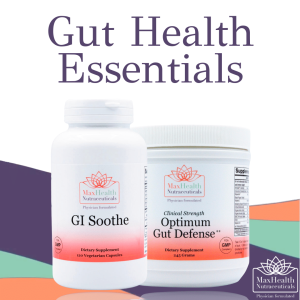
Gut Health Essentials Bundle
Disclosure: This post contains affiliate links. If you purchase through these links, we may earn a small commission at no extra cost to you. Learn more.
About the Author
Dr. Nicolle is a double board-certified physician in Family Medicine and Preventive Medicine, with certifications in Functional Medicine and Lifestyle Medicine. She helps busy professionals over 40 optimize their health through root-cause approaches to cardiovascular, hormonal, and metabolic health.
Learn more about Dr. Nicolle →Explore Related Topics
Dive deeper into these connected health areas
Hormone Health
Hormones are the chemical messengers that regulate virtually every process in your body — from metab…
Explore ❤️Metabolic Health
Metabolic health sits at the intersection of blood sugar regulation, cardiovascular function, body c…
Explore 💪Men's Health
Men's health involves a unique interplay of hormonal balance, cardiovascular resilience, metabolic e…
Explore 🧠Mental Health
Mental health is deeply interconnected with hormonal balance, gut health, blood sugar regulation, an…
Explore 📖Skin & Hair Health
Your skin and hair are windows into your internal health. Chronic acne, eczema, psoriasis, and hair …
ExploreReady to Address Your Health Concerns?
Book a Discovery Offer consultation to discuss how our functional medicine approach can help you achieve your health goals.
Book Your Discovery Offer