Air Quality & Allergies: Your Spring Survival Guide
- Seasonal allergies are an immune regulation problem, not just a pollen problem — addressing root causes works better than stacking antihistamines
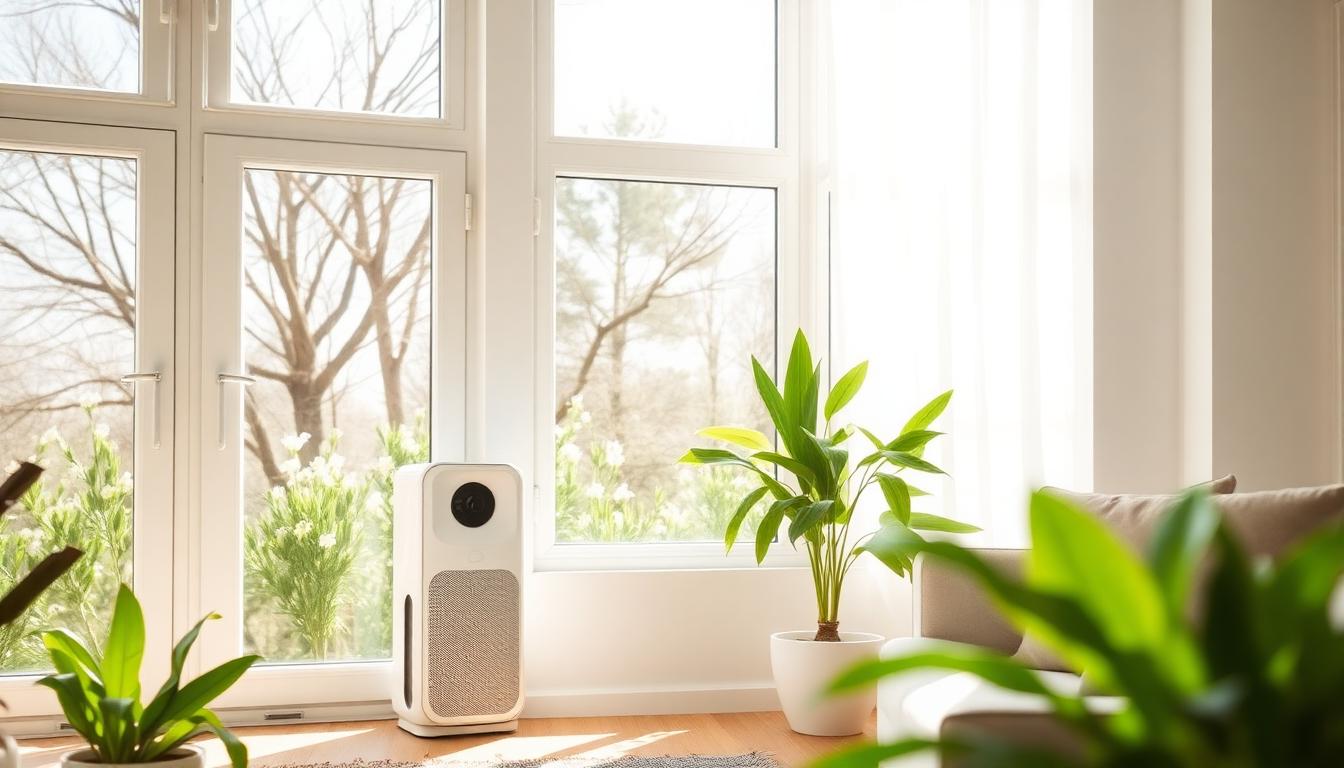
- Indoor air is 2-5x more polluted than outdoor air; a medical-grade HEPA purifier in the bedroom is the highest-ROI intervention
- 70% of your immune system lives in the gut — fixing dysbiosis and intestinal permeability can reduce allergy severity by 40%+
- Quercetin (500 mg 2x/day), vitamin C, and NAC are the strongest evidence-based natural allergy supports
- Switch to non-toxic cleaning products to reduce the chemical burden that primes your immune system for overreaction
A 42-year-old marketing director came into my office last March with a tissue box under one arm and dark circles that could pass for shiners. She'd been popping cetirizine every morning since February, adding a nasal steroid by mid-March, and still waking up at 3 AM with a throat so swollen she could barely swallow. Her allergist had told her the pollen counts were "historically high this year" — which was true — and offered a referral for immunotherapy. "I've been doing this dance for 15 years," she said. "Every spring it gets a little worse. I can't keep layering on more medications."
Her story isn't unusual. I hear some version of it dozens of times between March and June. And what strikes me every time is how rarely anyone asks the question that should come first: why is your immune system overreacting in the first place?
Seasonal allergies aren't a pollen problem. They're an immune regulation problem. The pollen is just the trigger. And when you address the root causes — gut dysfunction, histamine overload, environmental toxic burden, and nutrient deficiencies — most people can dramatically reduce their symptoms without stacking antihistamines like building blocks. Some of my patients have gone from "barely functional in April" to "I forgot it was allergy season."
Let me walk you through exactly how.
Why Allergies Are Getting Worse (It's Not Just Pollen)
Here's a statistic that should concern everyone: the prevalence of allergic rhinitis has increased from roughly 10% to over 30% in industrialized nations over the past four decades (1). Pollen hasn't changed that much. We have.
Several converging factors explain why more people suffer worse allergies today:
- Climate change: Warmer temperatures extend pollen seasons by 20+ days and increase pollen production per plant by up to 200% compared to 1990 levels (2)
- Declining biodiversity: The "biodiversity hypothesis" shows that reduced exposure to diverse microorganisms in childhood leads to less robust immune tolerance (3)
- Gut microbiome disruption: Antibiotic overuse, processed food diets, and environmental chemicals reduce the microbial diversity needed for proper immune regulation
- Indoor air quality: Americans spend 90% of their time indoors, where pollutant concentrations are 2-5x higher than outdoors (4)
- Chemical exposure: Volatile organic compounds (VOCs), formaldehyde from furniture, and synthetic fragrances prime the immune system toward allergic responses
The EPA estimates indoor air can be 2-5x more polluted than outdoor air — even in cities with significant smog. Your home may be your biggest allergen exposure.
That last point deserves emphasis. Most allergy sufferers obsess over pollen counts while ignoring the fact that their bedroom, where they spend 8 hours with their face pressed into a pillow, may be the single largest source of their allergic load. Dust mites, mold spores, pet dander, and VOCs from cleaning products and furnishings create a baseline inflammatory burden that makes the immune system hyper-reactive when pollen arrives.
The Functional Medicine Allergy Framework
In conventional medicine, allergies are treated as an overactive immune response that needs to be suppressed. Antihistamines block histamine receptors. Corticosteroids suppress inflammation broadly. Immunotherapy gradually desensitizes the immune system to specific allergens. These approaches have their place — I'm not anti-medication — but they share a limitation: none of them address why the immune system lost its tolerance in the first place.
Functional medicine approaches allergies through four interconnected systems:
1. Gut Health: Where 70% of Your Immune System Lives
This is the foundation, and I'm not exaggerating when I say fixing the gut is the single most impactful intervention for chronic allergy sufferers. Approximately 70% of your immune tissue (gut-associated lymphoid tissue, or GALT) lines your intestinal tract (5). The health of your gut microbiome directly determines how your immune system responds to environmental proteins like pollen.
Here's the mechanism: a diverse, balanced gut microbiome promotes regulatory T cells (Tregs) — the immune cells responsible for maintaining tolerance and preventing overreaction. When gut diversity drops (from antibiotics, poor diet, chronic stress), Treg function declines and the immune system shifts toward a Th2-dominant state — exactly the pattern that drives allergic responses (6).
That marketing director I mentioned? Her GI-MAP showed significant dysbiosis, elevated calprotectin (indicating intestinal inflammation), and markers consistent with intestinal permeability. We addressed her gut first, before touching anything allergy-specific. Within two months, her symptoms had already improved by about 40% — and spring hadn't even ended.
Key gut interventions for allergy management:
- Probiotics: Specific strains like *Lactobacillus rhamnosus GG* and *Bifidobacterium lactis* have demonstrated significant reductions in allergic rhinitis symptoms in randomized controlled trials (7)
- Prebiotic fiber: Feeds beneficial bacteria that produce short-chain fatty acids (butyrate), which strengthen gut barrier integrity and support Treg development
- Eliminate gut irritants: Processed foods, excess alcohol, and common food sensitivities (gluten, dairy are the usual suspects) that perpetuate intestinal inflammation
- Gut lining repair: L-glutamine, zinc carnosine, and collagen peptides to restore intestinal barrier function
2. Histamine Balance: Beyond Blocking Receptors
Most people think of histamine only in the context of allergies, but it's actually a critical neurotransmitter and signaling molecule involved in digestion, sleep-wake regulation, and cognitive function. The problem isn't histamine itself — it's excess histamine combined with impaired histamine clearance.
Two enzymes break down histamine in the body:
- Diamine oxidase (DAO): Breaks down histamine from food in the gut
- Histamine N-methyltransferase (HNMT): Breaks down histamine intracellularly
When either enzyme underperforms — due to genetic variants, nutrient cofactor deficiencies, gut inflammation, or certain medications — histamine accumulates. This creates a "histamine bucket" effect: your body can handle some histamine, but once the bucket overflows, even small triggers (a glass of wine, aged cheese, or a light pollen exposure) can cause a full-blown reaction.
Nutrients that support histamine metabolism:
- Vitamin C: Acts as a natural antihistamine and supports DAO function. Studies show vitamin C supplementation reduces histamine blood levels by up to 38% (8)
- Vitamin B6: A required cofactor for DAO enzyme activity
- Quercetin: A plant flavonoid that stabilizes mast cells (preventing histamine release) and has shown efficacy comparable to cromolyn sodium in cell studies (9)
- Magnesium: Deficiency increases histamine release from mast cells
| Nutrient | Mechanism | Therapeutic Dose | Food Sources |
|---|---|---|---|
| Vitamin C | Degrades histamine, supports DAO | 1,000–2,000 mg/day | Bell peppers, citrus, kiwi |
| Quercetin | Mast cell stabilizer | 500–1,000 mg/day | Onions, apples, capers |
| Vitamin B6 | DAO cofactor | 50–100 mg/day | Poultry, potatoes, banana |
| Magnesium | Reduces mast cell degranulation | 400–600 mg/day | Dark chocolate, seeds, leafy greens |
| Omega-3 (EPA) | Anti-inflammatory, reduces Th2 shift | 2,000–3,000 mg/day | Wild salmon, sardines |
3. Indoor Air Quality: Your Most Controllable Variable
I tell every allergy patient the same thing: you cannot control what's happening outside, but you can absolutely control the air you breathe at home and at work. For most people, cleaning up indoor air produces faster symptom relief than any supplement protocol.
Here's why indoor air matters so much for allergy sufferers:
The compounding exposure problem: If you're breathing in dust mite allergens, mold spores, and VOCs for 16+ hours per day indoors, your immune system never gets a break. By the time pollen enters the picture, your histamine bucket is already nearly full. Reduce the indoor load, and your body has far more capacity to handle outdoor allergens without overreacting.
Room-by-room priorities:
Bedroom (highest priority):
- Invest in a medical-grade HEPA air purifier — this is the single most impactful environmental intervention. True HEPA filters capture 99.97% of particles down to 0.3 microns, including pollen, dust mite fecal matter, mold spores, and pet dander
- Use allergen-proof mattress and pillow encasements
- Wash bedding weekly in hot water (130°F+) to kill dust mites
- Remove carpet if possible; hard floors with washable rugs are dramatically easier to keep allergen-free
- Keep humidity between 30-50% to inhibit dust mite and mold growth
Living areas:
- Switch to non-toxic cleaning products — conventional cleaners release VOCs that irritate airways and increase histamine production. Plant-based concentrates clean just as effectively without the chemical burden
- Vacuum with a HEPA-filtered vacuum at least twice weekly
- Address any visible mold immediately — even "minor" bathroom mold releases millions of spores
Kitchen:
- Use your range hood exhaust fan when cooking — gas stoves produce nitrogen dioxide, a potent airway irritant
- Store food properly to prevent mold growth on produce and bread
A medical-grade HEPA air purifier in the bedroom alone can reduce nighttime allergy symptoms by 40-60%. It's the highest-ROI environmental intervention for allergy sufferers.
4. Reducing Total Toxic Load
The concept of "total body burden" is central to understanding why some people develop allergies and others don't. Your immune system has a finite capacity to process challenges. When that capacity is consumed by environmental chemicals, mold exposure, heavy metals, or chronic infections, there's less bandwidth left to tolerate benign proteins like pollen.
Practical load-reduction strategies:
- Filter your water: Chlorine and chloramine in tap water disrupt gut bacteria; a basic carbon filter handles both
- Switch personal care products: Fragrances alone contain hundreds of undisclosed chemicals. The Environmental Working Group's database (ewg.org) makes this easy
- Open windows strategically: Air out the house in early morning or after rain when pollen counts are lowest
- Shower before bed: Wash pollen from hair and skin to prevent overnight exposure
- Nasal irrigation: A twice-daily saline rinse (neti pot or squeeze bottle) physically removes pollen from nasal passages and reduces inflammatory mediators in the nasal mucosa. Studies show saline irrigation alone reduces allergy symptoms by 27-33% (10)
The Spring Allergy Protocol: Putting It Together
Here's the framework I use with my patients, broken into three phases. This is the same approach I used with that marketing director, adjusted to individual lab results.
Phase 1: Environmental Control (Weeks 1-2)
Start here because it provides the fastest relief and requires no supplements:
1. Place a medical-grade HEPA air purifier in the bedroom and run it 24/7 during allergy season
2. Switch to non-toxic cleaning products — eliminate synthetic fragrances, chlorine bleach, and ammonia-based cleaners
3. Begin twice-daily nasal saline irrigation
4. Wash bedding weekly in hot water and add allergen-proof encasements
5. Shower and change clothes immediately after outdoor activities
6. Keep windows closed during peak pollen hours (typically 5-10 AM and dusk)
Phase 2: Nutritional Foundation (Weeks 2-4)
Layer in dietary and supplement strategies:
1. Increase quercetin-rich foods: Red onions, apples, berries, capers, broccoli
2. Boost omega-3 intake: Wild-caught salmon 3x weekly or supplement with high-quality fish oil
3. Add targeted supplements:
- Quercetin: 500 mg twice daily with meals (start 2-4 weeks before allergy season for best results)
- Vitamin C: 1,000 mg twice daily
- NAC (N-acetylcysteine): 600 mg twice daily — thins mucus, supports glutathione production, and has direct anti-inflammatory effects on airways (11)
- Probiotic with documented allergy-specific strains
4. Reduce histamine-rich foods during peak season: Aged cheeses, fermented foods, wine, smoked meats, leftover proteins (histamine increases as cooked food sits)
5. Eliminate refined sugar: Sugar consumption suppresses immune function for hours and increases inflammatory cytokines
Phase 3: Advanced Interventions (Ongoing)
For patients with persistent symptoms or those wanting deeper root-cause work:
1. Comprehensive stool testing (GI-MAP) to identify dysbiosis, pathogens, and gut inflammation markers
2. Gut repair protocol if intestinal permeability is identified — typically 8-12 weeks of targeted support
3. Infrared sauna therapy: 20-30 minute sessions 2-3x weekly to support detoxification pathways and reduce total toxic burden. Sauna therapy mobilizes stored toxins through sweat and reduces systemic inflammation
4. Food sensitivity testing: IgG food panels can identify chronic inflammatory triggers that perpetuate the allergic Th2 shift
5. Consider immunotherapy for severe cases — sublingual immunotherapy (SLIT) drops are a convenient at-home alternative to traditional allergy shots
| Technology | Particle Capture | VOC Removal | Best For |
|---|---|---|---|
| HEPA only | 99.97% @ 0.3μm | None | Basic pollen/dust removal |
| HEPA + Carbon | 99.97% @ 0.3μm | Moderate | Odors, light chemical off-gassing |
| Medical-grade HEPA + HEGA | 99.97% @ 0.3μm | Excellent | Severe allergies, chemical sensitivity, mold |
| Ionizer / Plasma | Variable | Minimal | Not recommended — may produce ozone |
What About Natural Antihistamines?
I get asked about "natural antihistamines" constantly, so let me be direct about what the evidence actually supports:
Strong evidence:
- Quercetin: Multiple studies confirm mast cell stabilization and symptom reduction. Works best when started 2-4 weeks before allergy season as a preventive measure (9)
- Vitamin C: Reduces blood histamine levels and has antihistamine-like effects at therapeutic doses (8)
- Butterbur (Petasites hybridus): A Swiss study found it comparable to cetirizine for allergy symptom relief — but only use PA-free (pyrrolizidine alkaloid-free) extracts due to liver toxicity concerns with unpurified forms (12)
Moderate evidence:
- Stinging nettle leaf: Traditional use supported by some clinical data, but study quality is mixed
- Bromelain: Anti-inflammatory enzyme from pineapple that may reduce nasal swelling and improve breathing
- Spirulina: A 2008 randomized trial showed spirulina significantly reduced allergic rhinitis symptoms compared to placebo (13)
Insufficient evidence (despite popularity):
- Local honey for desensitization (the pollen in honey isn't the same pollen that causes most allergies)
- Apple cider vinegar (no clinical studies for allergies)
- Essential oils (may actually worsen symptoms due to VOC content)
The Allergy-Sleep Connection
One thing most allergy sufferers don't realize is how profoundly allergies disrupt sleep quality — and how that sleep disruption makes allergies worse the next day. It's a vicious cycle.
Nasal congestion from allergies reduces airflow, promoting mouth breathing and snoring. Studies show allergic rhinitis increases the risk of obstructive sleep apnea by 1.8x (14). Poor sleep, in turn, elevates inflammatory cytokines, increases histamine sensitivity, and reduces immune tolerance — setting you up for worse allergic reactions the following day.
This is another reason the bedroom air purifier is so important. Running a HEPA filter while you sleep dramatically reduces nighttime allergen exposure, improving sleep quality and breaking the allergy-sleep-inflammation cycle.
When to See a Doctor
Self-management works well for mild to moderate seasonal allergies, but certain situations warrant professional evaluation:
- Symptoms persist despite a comprehensive environmental and supplement protocol
- You develop asthma symptoms (wheezing, chest tightness, shortness of breath)
- Allergy symptoms are year-round, suggesting perennial triggers like mold or dust mites
- You suspect food sensitivities or histamine intolerance
- Over-the-counter antihistamines cause significant side effects (drowsiness, brain fog, dry mouth)
- You're considering immunotherapy or want advanced functional lab testing
If you're tired of the annual medication escalation and want a root-cause approach, our Wellness Quiz can help identify where to start, or you can book a Discovery Offer for a one-on-one lab review.
The Bottom Line
Seasonal allergies are not a life sentence, and antihistamines are not the only answer. By addressing indoor air quality (your most controllable variable), supporting gut health and histamine metabolism, reducing your total toxic burden, and using targeted anti-inflammatory nutrients, most people can significantly reduce — and in some cases eliminate — their spring allergy symptoms.
That marketing director? By her second spring on the protocol, she was off daily antihistamines entirely. She still carries a rescue pack of cetirizine "just in case," but she hasn't needed it. Her exact words: "I actually enjoy spring now."
That's the goal. Not just surviving allergy season — actually living through it.
---
References
- Pawankar R, et al. Allergic diseases and asthma: a global public health concern and a call to action. World Allergy Organization Journal. 2014;7(1):12. https://doi.org/10.1186/1939-4551-7-12
- Anderegg WRL, et al. Anthropogenic climate change is worsening North American pollen seasons. Proceedings of the National Academy of Sciences. 2021;118(7):e2013284118. https://doi.org/10.1073/pnas.2013284118
- Haahtela T, et al. The biodiversity hypothesis and allergic disease: world allergy organization position statement. World Allergy Organization Journal. 2013;6(1):3. https://doi.org/10.1186/1939-4551-6-3
- U.S. Environmental Protection Agency. Report to Congress on Indoor Air Quality. EPA/400/1-89/001C. 1989.
- Vighi G, et al. Allergy and the gastrointestinal system. Clinical and Experimental Immunology. 2008;153(Suppl 1):3-6. https://doi.org/10.1111/j.1365-2249.2008.03713.x
- Pascal M, et al. Microbiome and allergic diseases. Frontiers in Immunology. 2018;9:1584. https://doi.org/10.3389/fimmu.2018.01584
- Güvenç IA, et al. Do probiotics have a role in the treatment of allergic rhinitis? A comprehensive systematic review and meta-analysis. American Journal of Rhinology & Allergy. 2016;30(5):157-175. https://doi.org/10.2500/ajra.2016.30.4354
- Johnston CS, et al. Antihistamine effect of supplemental ascorbic acid and neutrophil chemotaxis. Journal of the American College of Nutrition. 1992;11(2):172-176. https://doi.org/10.1080/07315724.1992.10718211
- Mlcek J, et al. Quercetin and its anti-allergic immune response. Molecules. 2016;21(5):623. https://doi.org/10.3390/molecules21050623
- Hermelingmeier KE, et al. Nasal irrigation as an adjunctive treatment in allergic rhinitis: a systematic review and meta-analysis. American Journal of Rhinology & Allergy. 2012;26(5):e119-e125. https://doi.org/10.2500/ajra.2012.26.3787
- Blesa S, et al. Effect of oral N-acetylcysteine on airway inflammation in patients with asthma. Pulmonary Pharmacology & Therapeutics. 2003;16(1):9-13. https://doi.org/10.1016/S1094-5539(02)00129-9
- Schapowal A. Randomised controlled trial of butterbur and cetirizine for treating seasonal allergic rhinitis. BMJ. 2002;324(7330):144-146. https://doi.org/10.1136/bmj.324.7330.144
- Cingi C, et al. The effects of spirulina on allergic rhinitis. European Archives of Oto-Rhino-Laryngology. 2008;265(10):1219-1223. https://doi.org/10.1007/s00405-008-0642-8
- Zheng M, et al. Association between allergic and nonallergic rhinitis and obstructive sleep apnea. Current Opinion in Allergy and Clinical Immunology. 2018;18(1):16-25. https://doi.org/10.1097/ACI.0000000000000414
Supplements for Stress & Recovery
Clinical-grade picks for this topic

Austin Air HealthMate Plus®
$895.00

Branch Basics Premium Starter Kit
$75.00

Thera360 PLUS Portable Sauna
$1,428.00
Affiliate disclosure: The product links below are affiliate links — we may earn a commission at no extra cost to you. Recommendations are based on clinical use, not commissions. Learn more.
Frequently Asked Questions
Common questions about air quality & allergies: your spring survival guide
Recommended Supplements
Professional-grade supplements from my MaxHealth Nutraceuticals line — the same formulas I use in clinical practice.
Austin Air HealthMate Plus®
Branch Basics Premium Starter Kit
Thera360 PLUS Portable Sauna
NAC 90s
Immunity Support 90s
Allergy Support Formula

V Immune Support 180s
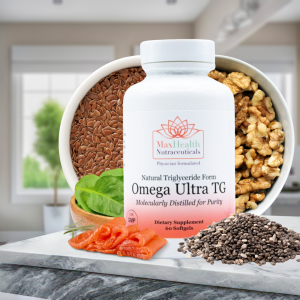
Omega Ultra TG
Probiotic 40 Billion CFU – 60s (shelf stable)
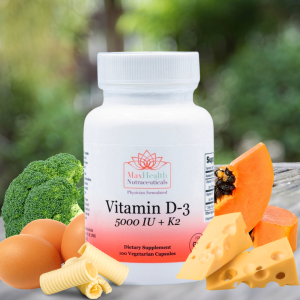
Vitamin D3 5000 IU + K2 CAPSULES 100s
Multi Mag
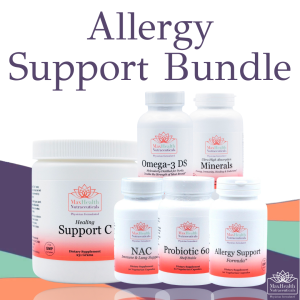
Allergy Support Bundle
Disclosure: This post contains affiliate links. If you purchase through these links, we may earn a small commission at no extra cost to you. Learn more.
About the Author
Dr. Nicolle is a double board-certified physician in Family Medicine and Preventive Medicine, with certifications in Functional Medicine and Lifestyle Medicine. She helps busy professionals over 40 optimize their health through root-cause approaches to cardiovascular, hormonal, and metabolic health.
Learn more about Dr. Nicolle →Explore Related Topics
Dive deeper into these connected health areas
Hormone Health
Hormones are the chemical messengers that regulate virtually every process in your body — from metab…
Explore 🦠Gut Health
Your gut is far more than a digestive organ — it's home to 70% of your immune system, produces key n…
Explore ❤️Metabolic Health
Metabolic health sits at the intersection of blood sugar regulation, cardiovascular function, body c…
Explore 🌸Women's Health
Women's health encompasses a complex interplay of hormonal cycles, reproductive biology, and unique …
Explore 💪Men's Health
Men's health involves a unique interplay of hormonal balance, cardiovascular resilience, metabolic e…
Explore 🧠Mental Health
Mental health is deeply interconnected with hormonal balance, gut health, blood sugar regulation, an…
Explore 📖Skin & Hair Health
Your skin and hair are windows into your internal health. Chronic acne, eczema, psoriasis, and hair …
ExploreReady to Address Your Health Concerns?
Book a Discovery Offer consultation to discuss how our functional medicine approach can help you achieve your health goals.
Book Your Discovery Offer