Infrared Sauna for Joint Pain: What the Research Shows

- Far-infrared wavelengths penetrate 1.5–2 inches into tissue, directly heating the joint capsule — 10–20x deeper than conventional heat packs
- Clinical studies show 30–60% pain score reductions in osteoarthritis, rheumatoid arthritis, and fibromyalgia with regular infrared sauna use
- The five mechanisms: deep vasodilation, heat shock protein activation, endorphin release, muscle spasm reduction, and autonomic nervous system rebalancing
- Optimal protocol: 30–40 minutes at 130–145°F, 4–5 sessions per week for 8+ weeks, followed by gentle joint mobility work
A 56-year-old former marathon runner sat across from me, flexing and unflexing her right knee. She'd had bilateral knee osteoarthritis for six years — stiffness every morning, dull aching by mid-afternoon, and sharp pain climbing stairs. She'd tried NSAIDs (stomach issues), physical therapy (helped some), cortisone injections (temporary relief), and was now being told to "consider knee replacement." Her sed rate was mildly elevated, hs-CRP was 3.1, and her X-rays showed moderate joint space narrowing. "I'm not ready for surgery," she told me. "Is there anything else?"
There was. We built her a protocol around far-infrared sauna therapy — three sessions per week, combined with targeted anti-inflammatory nutrition, collagen support, and gentle movement. At 8 weeks, her morning stiffness had dropped from 45 minutes to under 10. Her pain scores went from 7/10 to 3/10. Her hs-CRP fell to 1.2. She started hiking again — something she hadn't done in three years. "Why didn't anyone tell me about this sooner?" she asked. Honestly? Because most clinicians don't read the rheumatology literature on thermal therapy.
Why Joint Pain Is More Than "Wear and Tear"
The outdated model of osteoarthritis as simple mechanical cartilage erosion has been replaced by a far more nuanced understanding. Joint pain — whether from osteoarthritis, rheumatoid arthritis, or fibromyalgia — is driven by chronic low-grade inflammation in and around the joint capsule, combined with:
- Synovial inflammation: Even in "non-inflammatory" osteoarthritis, MRI studies show active synovitis in 70–80% of painful joints (1)
- Cytokine overproduction: IL-6, TNF-α, and IL-1β accumulate in joint fluid, degrading cartilage and sensitizing pain receptors
- Impaired circulation: Joints receive limited blood supply; inflammatory waste products accumulate faster than they're cleared
- Central sensitization: Chronic joint pain rewires pain processing in the spinal cord and brain, amplifying signals from the periphery
- Muscle guarding and stiffness: Surrounding muscles tense to protect the joint, creating secondary pain and limiting range of motion
This is why a purely mechanical approach (stronger muscles, better alignment) often falls short. You need to address the inflammatory, circulatory, and neurological components simultaneously. That's where infrared sauna therapy enters the picture.
How Infrared Heat Reaches Joints
Traditional heat packs and hot baths warm the skin surface. Far-infrared wavelengths (5.6–1000μm) penetrate 1.5–2 inches into tissue, directly heating muscle, fascia, and the joint capsule itself (2). This distinction matters enormously for joint pain:
| Heat Source | Penetration Depth | Joint Capsule Reached? | Duration of Effect |
|---|---|---|---|
| Hot pack | 1–2 mm (skin only) | No | 15–20 minutes |
| Hot bath | 3–5 mm | Minimal | 30–45 minutes |
| Far-infrared sauna | 30–50 mm (1.5–2 in) | Yes | 4–6 hours |
| Infrared lamp (focused) | 20–40 mm | Partial | 2–3 hours |
The deep tissue heating from infrared is what unlocks the therapeutic cascade: vasodilation within the joint capsule, increased synovial fluid viscosity (making the joint "glide" better), accelerated clearance of inflammatory mediators, and direct activation of heat shock proteins that protect cartilage cells.
Far-infrared wavelengths penetrate 10–20x deeper than conventional heat packs, reaching the joint capsule directly — which is why surface heating often fails for deep joint pain.
The Clinical Evidence for Infrared Sauna and Joint Pain
The research base for infrared sauna therapy in joint conditions is more substantial than most physicians realize. Here's what the key studies show:
Osteoarthritis
A 2009 clinical trial published in *Clinical Rheumatology* studied patients with rheumatoid arthritis and ankylosing spondylitis using infrared sauna therapy. Patients received 8 infrared sauna sessions over 4 weeks. Pain scores decreased significantly — by 40–60% from baseline — and the benefits persisted for at least 3 months after treatment ended (3).
A separate study in the *Journal of Clinical Rheumatology* found that 30-minute far-infrared sessions reduced joint stiffness by 25–40% in osteoarthritis patients, with improvements in physical function scores measured by the WOMAC index (4).
Rheumatoid Arthritis
Infrared sauna was specifically studied in RA patients by Oosterveld et al. (2009), who found that infrared treatment reduced pain and stiffness without triggering disease flares — a critical concern in autoimmune joint disease. The treatment was well-tolerated even in patients with active inflammation (3).
:::important
Infrared sauna is one of the few heat therapies studied in active rheumatoid arthritis that did NOT worsen inflammation or trigger flares. Standard hot tubs and traditional saunas carry higher flare risk.
:::
Fibromyalgia
A Japanese study published in *Internal Medicine* followed fibromyalgia patients through a far-infrared sauna protocol. After 10 sessions, patients reported a 30–77% reduction in pain scores. Critically, the study noted improvements in fatigue, sleep quality, and overall well-being — not just pain reduction (5). This aligns with what I see clinically: infrared sauna addresses the systemic inflammation and autonomic dysfunction that drive fibromyalgia, not just the localized joint symptoms.
Chronic Pain Syndromes
Masuda et al. (2005) conducted a landmark study on chronic pain patients using repeated far-infrared sauna therapy. After 4 weeks of daily sessions, pain scores dropped by nearly 50%, and the benefits were maintained at 2-year follow-up. The researchers attributed the effect to improved endorphin release, reduced sympathetic nervous system activation, and decreased inflammatory markers (6).
The Five Mechanisms Behind Infrared Pain Relief
Understanding *why* infrared works for joints helps you optimize your protocol:
1. Deep Vasodilation and Nutrient Delivery
Infrared heat dilates blood vessels within the joint capsule and surrounding soft tissue. This increases oxygen and nutrient delivery to cartilage (which is avascular — it depends entirely on diffusion from surrounding blood flow). Better circulation also accelerates removal of inflammatory waste products like prostaglandins and cytokines that sensitize pain receptors.
2. Heat Shock Protein Activation
Temperatures of 101–104°F (core body temperature during infrared sauna) trigger the production of heat shock proteins (HSPs), particularly HSP70 and HSP90. These molecular chaperones:
- Protect cartilage cells (chondrocytes) from inflammatory damage
- Reduce NF-κB activation — the master inflammatory switch
- Support collagen repair and turnover in joint structures
- Have been shown to be chondroprotective in animal models of arthritis (7)
3. Endorphin and Enkephalin Release
Infrared sauna sessions produce a measurable increase in β-endorphin and met-enkephalin — the body's natural painkillers. This creates an analgesic effect that lasts 4–6 hours post-session, distinct from the temporary numbness of ice or the drug-mediated suppression of NSAIDs.
4. Muscle Relaxation and Spasm Reduction
Joint pain is amplified by protective muscle guarding. Infrared heat penetrates into the muscle bellies surrounding affected joints, reducing gamma motor neuron firing and allowing muscles to release. This breaks the pain → spasm → more pain cycle that makes joint conditions progressively worse.
5. Autonomic Nervous System Rebalancing
Chronic pain shifts the autonomic nervous system toward sympathetic dominance — "fight or flight" mode. This amplifies pain perception, reduces healing capacity, and disrupts sleep. Infrared sauna activates the parasympathetic response, improving HRV, reducing cortisol, and creating a physiological environment where healing can occur.
Clinical Infrared Sauna Protocol for Joint Pain
Based on the research and my clinical experience, here's the protocol I recommend:
Phase 1: Adaptation (Weeks 1–2)
- Temperature: 120–130°F
- Duration: 20–25 minutes
- Frequency: 3 sessions per week
- Hydration: 16–24 oz water with electrolytes before and after
- Post-session: Gentle range-of-motion exercises within 15 minutes (the joint is optimally warm and mobile)
Phase 2: Therapeutic (Weeks 3–8)
- Temperature: 130–145°F
- Duration: 30–40 minutes
- Frequency: 4–5 sessions per week
- Hydration: 24–32 oz electrolyte water around each session
- Post-session: 10 minutes of gentle yoga or mobility work, targeting affected joints
Phase 3: Maintenance (Ongoing)
- Temperature: 130–145°F
- Duration: 30–40 minutes
- Frequency: 3–4 sessions per week
- Combine with: Cold plunge contrast therapy for enhanced vascular pumping — 30 minutes sauna → 2–3 minutes cold → 10 minutes rest
The post-sauna window (15–30 minutes after exiting) is the optimal time for joint mobility work. Tissue compliance is maximally increased, allowing greater range of motion with less pain.
Combining Infrared Sauna with Other Joint Therapies
Infrared sauna works best as part of a comprehensive joint protocol:
Nutritional Anti-Inflammatories
| Intervention | Mechanism | Evidence Level |
|---|---|---|
| Omega-3 fatty acids (2–4g EPA/DHA daily) | Competes with arachidonic acid, reduces PGE2 | Strong (multiple RCTs) |
| Curcumin (500–1000mg daily) | Inhibits NF-κB, COX-2, and inflammatory cytokines | Strong (meta-analyses) |
| Collagen peptides (10–15g daily) | Provides building blocks for cartilage repair | Moderate (RCTs in OA) |
| MSM (1–3g daily) | Sulfur donor for cartilage, anti-inflammatory | Moderate |
| Bromelain (500–2000 GDU daily) | Proteolytic enzyme, reduces joint swelling | Moderate |
Movement and Loading
- Low-impact exercise: Swimming, cycling, walking — 30 minutes daily
- Resistance training: Progressive loading strengthens supporting structures. The SMART Resistance Training system provides joint-friendly progressive overload
- Yoga and mobility: Gentle stretching maintains range of motion
- Post-sauna mobility: The most effective window for stretching and joint mobilization
Cold Contrast Therapy
Alternating infrared sauna with cold exposure creates a powerful vascular pumping effect. The sauna dilates blood vessels and increases circulation; the cold constricts vessels and reduces acute swelling. The cycle drives fresh blood through inflamed tissues while flushing inflammatory mediators. Research on contrast therapy shows enhanced recovery and pain reduction compared to either modality alone (8).
Lab Monitoring
Track these markers to gauge progress:
- hs-CRP: Systemic inflammation (target < 1.0 mg/L)
- ESR (sed rate): Chronic inflammatory activity
- Fasting insulin: Metabolic inflammation contributor (insulin resistance worsens joint inflammation)
- Vitamin D level: 25-hydroxyvitamin D below 40 ng/mL is associated with increased joint pain and osteoarthritis progression
- Omega-3 index: Target > 8% for optimal anti-inflammatory status
Who Should Avoid Infrared Sauna for Joint Pain
While infrared sauna is safe for most joint conditions, use caution or avoid it in these situations:
- Acute joint infection (septic arthritis): Heat can worsen bacterial proliferation
- Active gout flare: Wait until the acute flare has resolved
- Severe cardiovascular disease: Consult your cardiologist; the hemodynamic changes can be significant
- Pregnancy: Avoid elevated core body temperature
- Multiple sclerosis: Heat sensitivity is common; some patients worsen with thermal therapy
- Open wounds over joints: Avoid until healed
- Certain medications: Some drugs (particularly diuretics and beta-blockers) affect thermoregulation; discuss with your physician
Setting Up a Home Infrared Sauna Practice
Consistency drives results with infrared therapy — 3–5 sessions per week for at least 8 weeks is the minimum effective commitment. A home unit makes this practical. Look for:
- Far-infrared wavelength range: 5.6–15μm (the therapeutic sweet spot)
- Low-EMF certification: Important for daily use
- Adequate heating: Should reach 130–145°F within 15–20 minutes
- Comfortable seating: You'll be in there 30–40 minutes; comfort matters for compliance
- Portability (optional): Portable units like the Thera360 PLUS offer full-body coverage without dedicating a permanent room
The Bottom Line
Joint pain — whether from osteoarthritis, rheumatoid arthritis, fibromyalgia, or chronic pain syndromes — responds to infrared sauna therapy through deep tissue heating, inflammatory suppression, heat shock protein activation, endorphin release, and autonomic rebalancing. The clinical evidence shows 30–60% pain reductions sustained over months, with minimal side effects. Combined with targeted nutrition, movement, and lab monitoring, infrared sauna is one of the most underutilized tools in joint pain management.
My patient — the former marathon runner — is now 14 months into her infrared sauna protocol. She hikes three times a week. Her knee replacement is "indefinitely postponed" according to her orthopedist. And her hs-CRP has stayed below 1.0 for the past year. Sometimes the best medicine doesn't come from a pharmacy.
References
- Felson DT, et al. Synovitis and the risk of knee osteoarthritis: the MOST Study. Osteoarthritis Cartilage. 2016;24(3):458-464.
- Vatansever F, Hamblin MR. Far infrared radiation (FIR): its biological effects and medical applications. Photonics Lasers Med. 2012;4:255-266.
- Oosterveld FG, et al. Infrared sauna in patients with rheumatoid arthritis and ankylosing spondylitis. Clin Rheumatol. 2009;28(1):29-34.
- Brosseau L, et al. Thermotherapy for treatment of osteoarthritis. Cochrane Database Syst Rev. 2003;(4):CD004522.
- Matsushita K, et al. Efficacy of Waon therapy for fibromyalgia. Intern Med. 2008;47(16):1473-1476.
- Masuda A, et al. The effects of repeated thermal therapy for patients with chronic pain. Psychother Psychosom. 2005;74(5):288-294.
- Tonomura H, et al. Heat shock protein 70 expression in chondrocytes. Arthritis Res Ther. 2006;8(6):R165.
- Cochrane DJ. Alternating hot and cold water immersion for athlete recovery: a review. Phys Ther Sport. 2004;5(1):26-32.
Supplements for Stress & Recovery
Clinical-grade picks for this topic
Affiliate disclosure: The product links below are affiliate links — we may earn a commission at no extra cost to you. Recommendations are based on clinical use, not commissions. Learn more.
Frequently Asked Questions
Common questions about infrared sauna for joint pain: what the research shows
Recommended Supplements
Professional-grade supplements from my MaxHealth Nutraceuticals line — the same formulas I use in clinical practice.

Thera360 PLUS Portable Sauna

TheraFrost Cold Plunge

Red Light Face Mask

SMART Yoga Mat (Green)

SMART Resistance Training Bundle
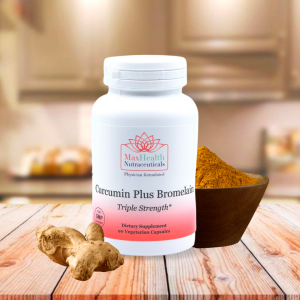
Curcumin Plus Bromelain 90s
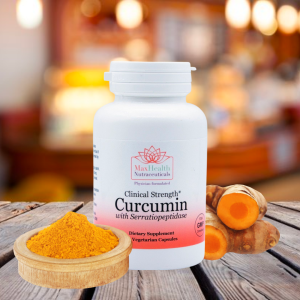
Curcumin with Serratiopeptidase 60s

Opti MSM 120s
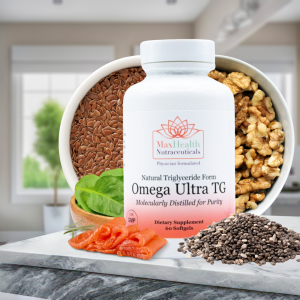
Omega Ultra TG
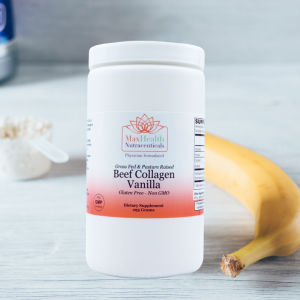
Beef Collagen Vanilla
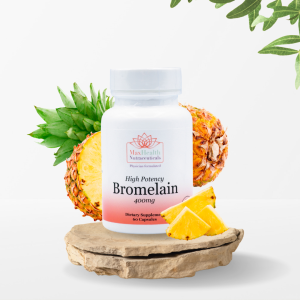
Bromelain 60s
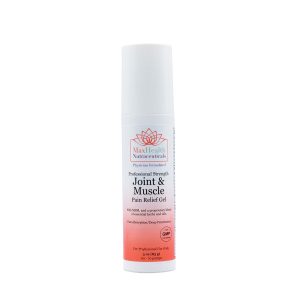
Joint & Muscle Pain Relief Gel 3oz
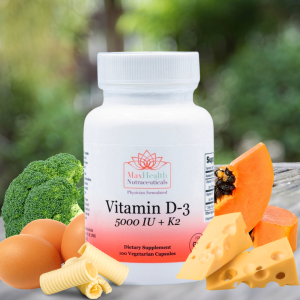
Vitamin D3 5000 IU + K2 CAPSULES 100s
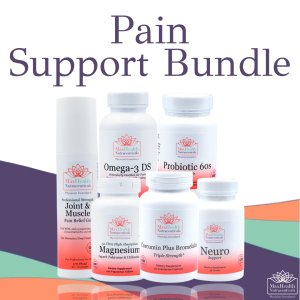
Pain Support Bundle

Inflammation Buster Bundle
Disclosure: This post contains affiliate links. If you purchase through these links, we may earn a small commission at no extra cost to you. Learn more.
About the Author
Dr. Nicolle is a double board-certified physician in Family Medicine and Preventive Medicine, with certifications in Functional Medicine and Lifestyle Medicine. She helps busy professionals over 40 optimize their health through root-cause approaches to cardiovascular, hormonal, and metabolic health.
Learn more about Dr. Nicolle →Explore Related Topics
Dive deeper into these connected health areas
Hormone Health
Hormones are the chemical messengers that regulate virtually every process in your body — from metab…
Explore 🦠Gut Health
Your gut is far more than a digestive organ — it's home to 70% of your immune system, produces key n…
Explore 🌸Women's Health
Women's health encompasses a complex interplay of hormonal cycles, reproductive biology, and unique …
Explore 💪Men's Health
Men's health involves a unique interplay of hormonal balance, cardiovascular resilience, metabolic e…
Explore 🧠Mental Health
Mental health is deeply interconnected with hormonal balance, gut health, blood sugar regulation, an…
Explore 📖Skin & Hair Health
Your skin and hair are windows into your internal health. Chronic acne, eczema, psoriasis, and hair …
ExploreReady to Address Your Health Concerns?
Book a Discovery Offer consultation to discuss how our functional medicine approach can help you achieve your health goals.
Book Your Discovery Offer