Cold Plunge Recovery for Desk Workers: Fixing Sitting Damage
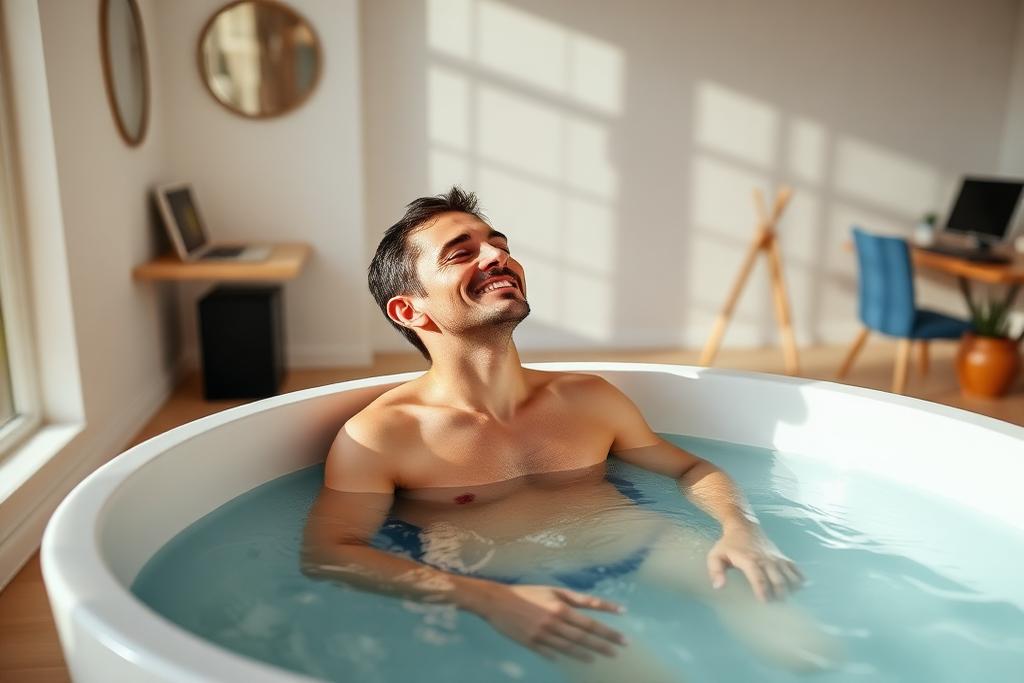
- Prolonged sitting causes vascular stagnation, chronic inflammation, metabolic dysfunction, and musculoskeletal damage — even in people who exercise regularly
- Cold water immersion directly counteracts sitting damage through vascular reset, inflammatory suppression, metabolic activation, and autonomic rebalancing
- A post-workday cold plunge protocol (starting at 60–65°F for 1–2 minutes, progressing to 45–55°F for 3–5 minutes) produces measurable hs-CRP and HRV improvements within 6–8 weeks
- Combine cold plunging with 90 seconds of hip flexor release, thoracic extension, and a post-plunge walk for a complete 10-minute sitting damage recovery ritual
A 43-year-old project manager came to me with low back pain that three chiropractors couldn't fix, brain fog that hit every afternoon at 2 PM, and an hs-CRP of 4.2 — solidly in the elevated range. He exercised three times a week. Ate reasonably well. Slept seven hours. On paper, he was doing "everything right."
Then I asked the question no one had asked: "How many hours a day do you sit?" He paused. "Probably... twelve? Fourteen including the couch at night?" His face fell. "That's the problem, isn't it?"
It was a big part of it. But here's what surprised him: the solution wasn't just standing more (though that helped). The intervention that moved the needle fastest on his inflammation, his pain, and his afternoon crashes was something he'd never considered — deliberate cold water immersion after his workday.
Within six weeks, his hs-CRP dropped to 1.4. His low back pain was 80% resolved. And that 2 PM fog? Gone. "I thought cold plunges were for athletes and biohackers," he said. "Turns out they're for people who sit in chairs all day."
The Sitting Disease: What Prolonged Desk Work Does to Your Body
The research is unambiguous: prolonged sitting is an independent risk factor for cardiovascular disease, metabolic syndrome, and all-cause mortality — even in people who exercise regularly (1). Here's the mechanism:
Vascular Stagnation
Sitting for more than 60 minutes reduces blood flow to the legs by 50%. This creates venous pooling, endothelial dysfunction, and increased blood viscosity. Over time, this contributes to varicose veins, deep vein thrombosis risk, and cardiovascular damage.
Chronic Low-Grade Inflammation
Sedentary behavior upregulates inflammatory cytokines (IL-6, TNF-α, CRP) through multiple mechanisms: visceral fat accumulation, gut motility reduction, and impaired lymphatic drainage. This is the "sitting inflammation" that standard anti-inflammatory diets can't fully address because the root cause is mechanical.
Metabolic Dysfunction
Prolonged sitting reduces insulin sensitivity within hours — not days. After just 4 hours of uninterrupted sitting, glucose uptake in skeletal muscle drops measurably. Over months and years, this drives insulin resistance, weight gain, and pre-diabetes.
Musculoskeletal Damage
The sitting posture creates predictable dysfunction patterns:
| Problem | Mechanism | Consequence |
|---|---|---|
| Hip flexor shortening | Sustained flexion contracts the iliopsoas | Anterior pelvic tilt, low back pain |
| Glute inhibition | Neural "forgetting" from disuse | Poor hip stability, knee pain |
| Thoracic kyphosis | Forward head posture, rounded shoulders | Neck pain, shoulder impingement |
| Reduced spinal disc hydration | Sustained compression without movement | Disc degeneration, sciatica |
| Pelvic floor dysfunction | Sustained pressure without variation | Core instability, incontinence risk |
Autonomic Nervous System Imbalance
Desk work activates the sympathetic ("fight or flight") nervous system through postural stress, screen exposure, and deadline pressure. HRV drops, cortisol stays elevated, and the parasympathetic "rest and repair" system remains suppressed — a pattern that compounds every sitting hour.
How Cold Water Immersion Reverses Sitting Damage
Cold plunging isn't random wellness theater. It addresses the specific physiological damage that sitting creates, through well-documented mechanisms:
1. Vascular Reset
Cold water immersion triggers massive vasoconstriction followed by post-immersion vasodilation. This "vascular pump" effect:
- Flushes pooled blood from the lower extremities
- Increases venous return and cardiac output
- Improves endothelial function (the lining of blood vessels) within a single session
- Counteracts the 50% blood flow reduction caused by sitting
A 2021 study in *Cell Reports Medicine* showed that regular cold exposure improved vascular function markers comparable to moderate exercise (2).
2. Inflammatory Suppression
Cold immersion activates the anti-inflammatory pathway through norepinephrine release. A single 2–3 minute cold plunge increases norepinephrine by 200–300%, which:
- Suppresses IL-6 and TNF-α (the same cytokines elevated by sitting)
- Reduces hs-CRP over 4–8 weeks of consistent practice
- Activates cold shock proteins that protect cells from inflammatory damage
For desk workers with chronically elevated inflammation, this is a direct countermeasure to the sitting-induced inflammatory load.
3. Metabolic Activation
Cold exposure activates brown adipose tissue (BAT), which burns glucose and fatty acids for heat generation. Regular cold plunging has been shown to:
- Improve insulin sensitivity independent of exercise
- Increase metabolic rate for 2–4 hours post-immersion
- Enhance glucose uptake in skeletal muscle
- Support healthy body composition
This directly counteracts the metabolic slowdown from prolonged sitting.
4. Pain and Stiffness Relief
Cold immersion provides analgesic effects through:
- Reduced nerve conduction velocity (natural pain relief)
- Decreased muscle spasm and tension
- Reduced edema in compressed tissues
- Endorphin release that persists for hours
For the desk worker with chronic low back pain, hip tightness, and neck tension, a post-workday cold plunge acts as a full-body anti-inflammatory and analgesic — addressing the musculoskeletal damage that sitting creates daily.
5. Autonomic Nervous System Rebalancing
Cold immersion is one of the most potent vagus nerve stimulators known. The cold activates the dive reflex, which:
- Shifts the autonomic nervous system from sympathetic to parasympathetic dominance
- Increases HRV (heart rate variability) — a key marker of stress resilience
- Reduces the chronic sympathetic activation that desk work creates
- Improves sleep quality when performed in the afternoon or early evening
The Desk Worker Cold Plunge Protocol
This protocol is specifically designed for sedentary professionals — not athletes, not biohackers. It accounts for the fact that desk workers are starting from a baseline of chronic sitting stress, not acute exercise recovery.
Phase 1: Adaptation (Weeks 1–2)
Goal: Build cold tolerance gradually
- Temperature: 60–65°F (15–18°C) — cool but not shocking
- Duration: 1–2 minutes
- Frequency: 3 sessions per week
- Timing: Immediately after the workday (before evening activities)
- Breathing: Slow nasal breathing throughout; do not hyperventilate
The most common mistake desk workers make is starting too cold, too long. The anti-inflammatory benefits come from consistency over weeks, not from suffering through a single extreme session.
Phase 2: Therapeutic (Weeks 3–6)
Goal: Target sitting-specific damage
- Temperature: 50–59°F (10–15°C)
- Duration: 2–4 minutes
- Frequency: 4–5 sessions per week
- Protocol enhancement: 5 minutes of hip flexor stretching before the plunge (this "opens" compressed tissues to the cold's anti-inflammatory effect)
- Post-plunge: 10 minutes of gentle walking (no sitting immediately after)
Phase 3: Optimization (Weeks 7+)
Goal: Maximize metabolic and inflammatory benefits
- Temperature: 45–55°F (7–13°C)
- Duration: 3–5 minutes
- Frequency: 5–6 sessions per week
- Advanced protocol: Pair with infrared sauna for contrast therapy — 20 minutes sauna → 3 minutes cold plunge → 10 minutes rest
- Tracking: Monitor HRV trends weekly to verify autonomic improvement
The 5-Minute Post-Work Recovery Ritual
For maximum benefit, combine the cold plunge with targeted movement:
Step 1: Hip Flexor Release (90 seconds)
Kneeling lunge stretch — 45 seconds per side. This decompresses the iliopsoas after hours of sustained flexion.
Step 2: Thoracic Extension (60 seconds)
Foam roller or yoga mat — lie face-up with arms overhead. Counteracts the forward-rounded desk posture.
Step 3: Cold Plunge (2–4 minutes)
Full body immersion to mid-chest. Focus on slow nasal breathing. Allow the cold to reset vascular tone and suppress inflammation.
Step 4: Post-Plunge Walk (5–10 minutes)
Gentle walking allows natural rewarming and maintains the vascular "pump" effect. Do not sit down immediately after the plunge — this negates the venous return benefit.
Lab Markers to Track
Monitor these every 8–12 weeks to verify your cold plunge protocol is delivering measurable results:
- hs-CRP — Should decrease as systemic inflammation resolves (target: <1.0 mg/L)
- Fasting insulin / HOMA-IR — Track metabolic improvement from BAT activation
- HbA1c — Long-term blood sugar control
- Complete metabolic panel — Liver and kidney markers to verify no adverse effects
- HRV — Use a daily tracker (e.g., Inner Balance™) to monitor autonomic nervous system recovery
- Vitamin D — Cold exposure increases vitamin D utilization; ensure levels remain 50–70 ng/mL
Contraindications and Safety
Cold plunging is generally safe for healthy adults, but these conditions require medical clearance first:
- Cardiovascular disease — Cold triggers acute sympathetic activation; consult your cardiologist
- Raynaud's disease — Cold worsens peripheral vasospasm
- Cold urticaria — Allergic reaction to cold exposure
- Pregnancy — Insufficient safety data for therapeutic cold immersion
- Uncontrolled hypertension — Cold acutely raises blood pressure
If you have any of these conditions, work with your healthcare provider to determine if modified cold exposure protocols are appropriate.
The Bottom Line
Sitting is the new smoking — but cold water immersion is one of the most efficient interventions for reversing the specific damage that desk work creates. It addresses vascular stagnation, chronic inflammation, metabolic dysfunction, musculoskeletal pain, and autonomic imbalance in a single 3–5 minute session. Combined with targeted mobility work and consistent practice, a post-workday cold plunge protocol can measurably reduce hs-CRP, improve insulin sensitivity, resolve chronic pain, and restore the stress resilience that twelve hours of sitting erodes daily.
References
- Ekelund U, et al. Does physical activity attenuate, or even eliminate, the detrimental association of sitting time with mortality? A harmonised meta-analysis of data from more than 1 million men and women. Lancet. 2016;388(10051):1302-1310.
- Søberg S, et al. Altered brown fat thermoregulation and enhanced cold-induced thermogenesis in young, healthy, winter-swimming men. Cell Rep Med. 2021;2(10):100408.
- Shevchuk NA. Adapted cold shower as a potential treatment for depression. Med Hypotheses. 2008;70(5):995-1001.
- Bleakley CM, Davison GW. What is the biochemical and physiological rationale for using cold-water immersion in sports recovery? A systematic review. Br J Sports Med. 2010;44(3):179-187.
Supplements for Stress & Recovery
Clinical-grade picks for this topic

TheraFrost Cold Plunge
$4,988.00

Thera360 PLUS Portable Sauna
$1,428.00

Inner Balance™ Coherence Plus
$249.00
Affiliate disclosure: The product links below are affiliate links — we may earn a commission at no extra cost to you. Recommendations are based on clinical use, not commissions. Learn more.
Frequently Asked Questions
Common questions about cold plunge recovery for desk workers: fixing sitting damage
Recommended Supplements
Professional-grade supplements from my MaxHealth Nutraceuticals line — the same formulas I use in clinical practice.
TheraFrost Cold Plunge
Thera360 PLUS Portable Sauna
Inner Balance™ Coherence Plus

SMART Yoga Mat (Green)

SMART Resistance Training Bundle
Electrolyte Complex 60s 394gms
Multi Mag
Omega Ultra TG
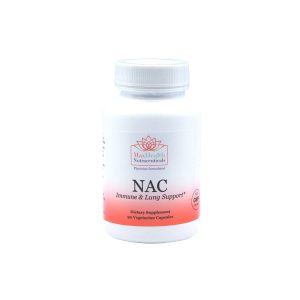
NAC 90s
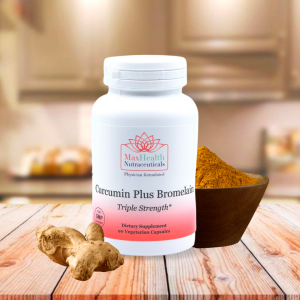
Curcumin Plus Bromelain 90s
CoQ10
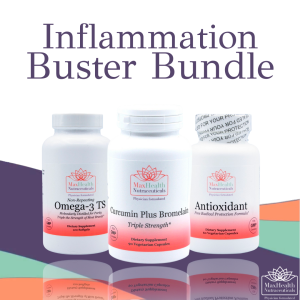
Inflammation Buster Bundle

Pain Support Bundle
Disclosure: This post contains affiliate links. If you purchase through these links, we may earn a small commission at no extra cost to you. Learn more.
About the Author
Dr. Nicolle is a double board-certified physician in Family Medicine and Preventive Medicine, with certifications in Functional Medicine and Lifestyle Medicine. She helps busy professionals over 40 optimize their health through root-cause approaches to cardiovascular, hormonal, and metabolic health.
Learn more about Dr. Nicolle →Explore Related Topics
Dive deeper into these connected health areas
Hormone Health
Hormones are the chemical messengers that regulate virtually every process in your body — from metab…
Explore 🦠Gut Health
Your gut is far more than a digestive organ — it's home to 70% of your immune system, produces key n…
Explore 🌸Women's Health
Women's health encompasses a complex interplay of hormonal cycles, reproductive biology, and unique …
Explore 💪Men's Health
Men's health involves a unique interplay of hormonal balance, cardiovascular resilience, metabolic e…
Explore 🧠Mental Health
Mental health is deeply interconnected with hormonal balance, gut health, blood sugar regulation, an…
Explore 📖Skin & Hair Health
Your skin and hair are windows into your internal health. Chronic acne, eczema, psoriasis, and hair …
ExploreReady to Address Your Health Concerns?
Book a Discovery Offer consultation to discuss how our functional medicine approach can help you achieve your health goals.
Book Your Discovery Offer