HRV Training: The Complete Guide to Heart Rate Variability Biofeedback

- HRV biofeedback trains your autonomic nervous system to shift from chronic sympathetic overdrive to parasympathetic resilience
- 10 minutes twice daily at your resonance frequency (typically 6 breaths/min) produces measurable improvements within 3 weeks
- Strong evidence supports HRV training for anxiety, depression, PTSD, athletic recovery, sleep, and blood pressure
- Combine with cold exposure, magnesium, and omega-3s for compound vagal activation and stress resilience
A 44-year-old tech executive came to see me with a textbook case of burnout: insomnia, afternoon crashes, anxiety that started at 3 PM every day, and a resting heart rate that had climbed from 58 to 74 over two years. His labs showed elevated cortisol, low DHEA-S, and poor cortisol rhythm. We tried adaptogens, sleep hygiene, and meditation. Marginal improvement.
Then we added HRV biofeedback training — 10 minutes twice daily using a coherence device. Within three weeks, his resting HRV improved from 28ms to 47ms. His sleep onset latency dropped from 45 minutes to under 15. His afternoon anxiety resolved. Six months later, his cortisol rhythm normalized on repeat DUTCH testing. "This little device," he told me, "did more than two years of talk therapy."
Heart rate variability isn't just a metric — it's a window into your autonomic nervous system. And training it is one of the most powerful, underutilized tools in functional medicine.
What Is Heart Rate Variability?
Your heart doesn't beat like a metronome. The time between heartbeats varies constantly — and this variation is actually a sign of health. Higher HRV means your nervous system is flexible, resilient, and able to adapt to stress. Lower HRV indicates a nervous system stuck in sympathetic (fight-or-flight) overdrive.
HRV is influenced by:
- Parasympathetic (vagal) tone — higher vagal tone = higher HRV
- Sympathetic activation — stress, illness, and overtraining suppress HRV
- Breathing patterns — slow, rhythmic breathing directly increases HRV
- Sleep quality — poor sleep devastates next-day HRV
- Chronic inflammation — systemic inflammation reduces autonomic flexibility
The Science of HRV Biofeedback
HRV biofeedback works by training you to achieve "coherence" — a state where your heart rhythm, breathing, and blood pressure waves synchronize at approximately 0.1 Hz (about 6 breaths per minute). This synchronized state:
- Maximizes baroreflex sensitivity (your body's blood pressure regulation)
- Activates the vagus nerve and enhances parasympathetic tone
- Reduces cortisol and stress hormones
- Increases DHEA production
- Improves emotional regulation and cognitive function
Research from the HeartMath Institute and independent university studies shows that regular HRV biofeedback training produces measurable improvements in anxiety, depression, PTSD symptoms, athletic recovery, blood pressure, and immune function (1, 2).
Who Benefits Most from HRV Training?
Stress & Burnout
If your cortisol rhythm is disrupted — elevated at night, flat in the morning, or chronically elevated — HRV biofeedback helps restore normal autonomic cycling. It's particularly effective for burnout recovery because it directly trains the nervous system to shift out of chronic sympathetic overdrive.
Anxiety & Mood Disorders
HRV biofeedback has Level 1 evidence (randomized controlled trials) for anxiety and depression. It works by strengthening vagal tone, which improves emotional regulation through the vagal-limbic pathway.
Athletic Recovery
For athletes — especially those over 40 — daily HRV monitoring and biofeedback training optimizes recovery timing. Train when HRV is high; recover when it's low. This simple principle prevents overtraining more effectively than any periodization formula.
Sleep Optimization
A 10-minute coherence session before bed activates the parasympathetic nervous system and reduces sleep onset latency. Combined with proper sleep hygiene, HRV training is one of the most effective non-pharmaceutical sleep interventions available.
Cardiovascular Health
HRV biofeedback improves baroreflex sensitivity, which helps regulate blood pressure. Low HRV is an independent risk factor for cardiovascular mortality — training it directly reduces this risk.
The HRV Training Protocol
Getting Started (Weeks 1–2)
1. Get a device: Use a validated HRV biofeedback device (ear sensor or chest strap with app)
2. Establish baseline: Track resting HRV for 5 days without intervention
3. Begin coherence training: 5 minutes, twice daily, breathing at your resonance frequency (typically 5.5–6.5 breaths/minute)
Building the Practice (Weeks 3–8)
| Session | Duration | Frequency | Focus |
|---|---|---|---|
| Morning | 10 min | Daily | Coherence practice at resonance frequency |
| Pre-sleep | 10 min | Daily | Calming coherence for sleep onset |
| Stress moments | 2–3 min | As needed | Quick coherence reset during stressful situations |
Advanced Integration (Ongoing)
- Combine HRV training with cold exposure for compound vagal activation
- Use HRV data to guide training intensity decisions
- Track HRV trends alongside lab markers (cortisol, hs-CRP, testosterone)
Key Metrics to Watch
- RMSSD — The most common time-domain HRV metric; reflects parasympathetic activity
- Coherence score — Real-time biofeedback metric during training sessions
- Morning baseline trend — Track week-over-week direction, not day-to-day fluctuations
- Recovery score — Many wearables combine HRV with sleep and activity data
Supplements That Support HRV
- Magnesium — Required for parasympathetic nervous system function
- Omega-3 fatty acids — Improve vagal tone and reduce cardiac inflammation
- Adaptogens (ashwagandha, rhodiola) — Help normalize the stress response
- B vitamins — Essential cofactors for neurotransmitter production
The Bottom Line
HRV biofeedback is one of the few interventions that directly trains your nervous system. It doesn't just measure stress — it teaches your body to handle it better. For patients with chronic stress, anxiety, sleep issues, or impaired recovery, it's often the intervention that unlocks progress when everything else has plateaued.
References
- Lehrer PM, Gevirtz R. Heart rate variability biofeedback: how and why does it work? Front Psychol. 2014;5:756.
- McCraty R, Shaffer F. Heart Rate Variability: New Perspectives on Physiological Mechanisms, Assessment of Self-regulatory Capacity, and Health Risk. Glob Adv Health Med. 2015;4(1):46-61.
- Laborde S, et al. Heart Rate Variability and Cardiac Vagal Tone in Psychophysiological Research. Front Psychol. 2017;8:213.
Supplements for Stress & Recovery
Clinical-grade picks for this topic

Inner Balance™ Coherence Plus
$249.00

TheraFrost Cold Plunge
$4,988.00

Thera360 PLUS Portable Sauna
$1,428.00
Affiliate disclosure: The product links below are affiliate links — we may earn a commission at no extra cost to you. Recommendations are based on clinical use, not commissions. Learn more.
Frequently Asked Questions
Common questions about hrv training: the complete guide to heart rate variability biofeedback
Recommended Supplements
Professional-grade supplements from my MaxHealth Nutraceuticals line — the same formulas I use in clinical practice.
Inner Balance™ Coherence Plus
TheraFrost Cold Plunge
Thera360 PLUS Portable Sauna

SMART Yoga Mat (Green)
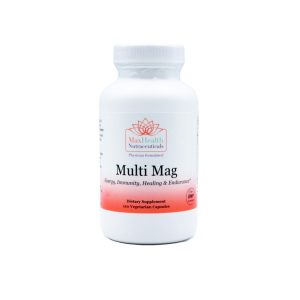
Multi Mag
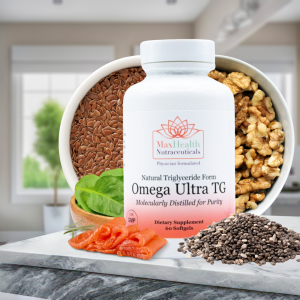
Omega Ultra TG
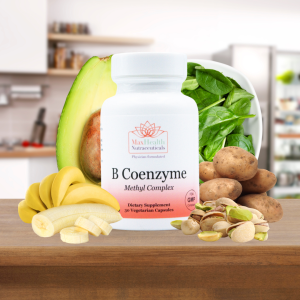
B Coenzyme Methyl Complex
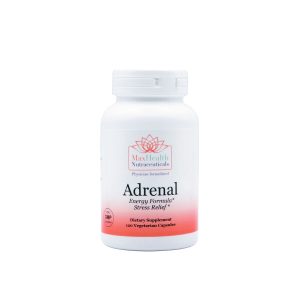
Adrenal (Energy & Stress) 120 Capsules
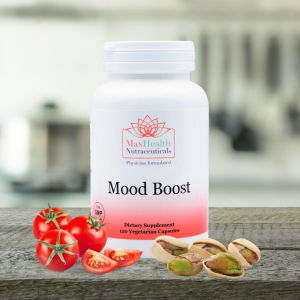
Mood Boost 120s
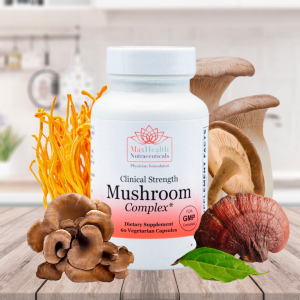
Mushroom Complex 60s
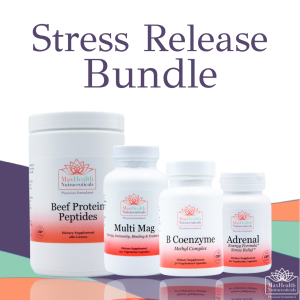
Stress Release Bundle
Disclosure: This post contains affiliate links. If you purchase through these links, we may earn a small commission at no extra cost to you. Learn more.
About the Author
Dr. Nicolle is a double board-certified physician in Family Medicine and Preventive Medicine, with certifications in Functional Medicine and Lifestyle Medicine. She helps busy professionals over 40 optimize their health through root-cause approaches to cardiovascular, hormonal, and metabolic health.
Learn more about Dr. Nicolle →Explore Related Topics
Dive deeper into these connected health areas
Hormone Health
Hormones are the chemical messengers that regulate virtually every process in your body — from metab…
Explore 🦠Gut Health
Your gut is far more than a digestive organ — it's home to 70% of your immune system, produces key n…
Explore 🌸Women's Health
Women's health encompasses a complex interplay of hormonal cycles, reproductive biology, and unique …
Explore 💪Men's Health
Men's health involves a unique interplay of hormonal balance, cardiovascular resilience, metabolic e…
Explore 📖Skin & Hair Health
Your skin and hair are windows into your internal health. Chronic acne, eczema, psoriasis, and hair …
ExploreReady to Address Your Health Concerns?
Book a Discovery Offer consultation to discuss how our functional medicine approach can help you achieve your health goals.
Book Your Discovery Offer