Eczema & Psoriasis: The Autoimmune Skin Connection

- Eczema and psoriasis are not primarily skin diseases — they're visible manifestations of internal immune dysfunction and gut health breakdown.
- Eczema is Th2-dominant (allergic/inflammatory), while psoriasis is Th17/Th1-dominant (autoimmune) — but both share gut permeability and dysbiosis as root causes.
- The gut-skin axis is the most important concept: healing the gut directly calms skin inflammation.
- Gluten sensitivity is significantly more common in psoriasis patients — a 3-month gluten-free trial is warranted.
- The 4-phase protocol (remove triggers → repair gut → reduce inflammation → rebuild) addresses root causes rather than just suppressing symptoms.
A 32-year-old teacher came to see me with psoriasis that covered 40% of her body. She'd been on three different biologics, two rounds of methotrexate, and more topical steroids than she could count. Each medication worked for a while, then her skin would break through. No one had ever asked about her diet, her gut, or her stress. No one had ever tested her for food sensitivities. When I asked what she ate for breakfast, she said, "Yogurt and toast" — two foods that, for her, turned out to be pouring gasoline on the fire.
Within six weeks of removing her trigger foods and starting a gut repair protocol, her psoriasis had cleared by 60%. Within four months, she was off all medications for the first time in eight years. I'm not sharing this to suggest everyone's journey will be that straightforward — some cases are more complex. But her story illustrates what happens when you stop treating the skin and start treating the person.
Eczema (atopic dermatitis) affects approximately 31.6 million Americans, while psoriasis impacts about 7.5 million (1). Both conditions significantly impact quality of life, and both respond remarkably well to functional medicine approaches that address the underlying drivers rather than just suppressing the symptoms.
Eczema vs. Psoriasis: Different Mechanisms, Shared Root Causes
Eczema (Atopic Dermatitis)
Eczema is primarily a Th2-dominant immune response — an overactive allergic/inflammatory arm of the immune system. The skin barrier (stratum corneum) is compromised, allowing allergens and irritants to penetrate and trigger immune reactions. Key features:
- Typically begins in childhood (but can develop at any age)
- Red, itchy, dry, cracked skin — often in flexural areas (elbows, knees, wrists)
- Part of the "atopic triad" (eczema, asthma, allergies)
- Filaggrin gene mutations impair skin barrier function in ~30% of patients
Psoriasis
Psoriasis is a Th17/Th1-dominant autoimmune condition where the immune system accelerates skin cell turnover from the normal ~28 days to just 3–4 days. This rapid turnover creates the characteristic thick, silvery plaques. Key features:
- Usually develops in adulthood (peak onset 15–25 and 50–60)
- Thick, raised, scaly plaques — often on scalp, elbows, knees, lower back
- Associated with psoriatic arthritis in ~30% of patients
- Strongly linked to metabolic syndrome and cardiovascular disease
Shared Root Causes
Despite different immune mechanisms, both conditions share foundational drivers:
| Root Cause | Role in Eczema | Role in Psoriasis |
|---|---|---|
| Gut Permeability | Drives Th2 immune activation | Drives Th17 autoimmune activation |
| Dysbiosis | Reduced microbial diversity → immune imbalance | Increased inflammatory microbes → systemic inflammation |
| Food Sensitivities | IgE and IgG-mediated triggers | Gluten, dairy, nightshades as common triggers |
| Environmental Toxins | Barrier disruption, immune activation | Oxidative stress, immune dysregulation |
| Stress / HPA Axis | Cortisol dysregulation worsens flares | Stress is the #1 reported trigger for flares |
The Gut-Skin Axis: Where Healing Begins
The gut-skin axis is the most important concept in functional dermatology. The gut and skin are both barrier organs with shared developmental origins, and they communicate through the immune system, the microbiome, and inflammatory signaling.
Intestinal Permeability
Leaky gut allows undigested food particles, bacterial endotoxins (LPS), and inflammatory compounds to enter the bloodstream. This triggers systemic immune activation that manifests at the skin. Studies consistently show increased intestinal permeability in both eczema and psoriasis patients (2).
The Microbiome Connection
Both the gut and skin microbiomes are disrupted in eczema and psoriasis:
- Gut: Reduced *Bifidobacterium* and *Lactobacillus* diversity, increased inflammatory species
- Skin: *Staphylococcus aureus* colonization in eczema; altered mycobiome (fungal communities) in psoriasis
- Cross-talk: Gut microbial metabolites (short-chain fatty acids) directly modulate skin immune responses
Food Triggers
Common dietary triggers for skin inflammation:
- Eczema: Dairy, eggs, soy, wheat, peanuts, tree nuts (especially in children)
- Psoriasis: Gluten, dairy, nightshades (tomatoes, peppers, eggplant), alcohol, refined sugar
- Both: Processed seed oils (omega-6 excess), artificial additives, high-histamine foods (for histamine-sensitive individuals)
Gluten sensitivity is significantly more common in psoriasis patients than the general population. Even without celiac disease, gluten can drive the Th17 immune activation that fuels psoriatic inflammation. A 3-month strict gluten-free trial is warranted for all psoriasis patients.
The 4-Phase Healing Protocol
Phase 1: Remove Triggers (Weeks 1–4)
- Elimination diet: Remove top triggers (gluten, dairy, eggs, soy, corn, refined sugar) for 4 weeks
- Environmental audit: Switch to fragrance-free, non-toxic personal care and household products
- Address toxin exposure: Filter water, reduce plastics, avoid fragranced products
- Stress reduction: Cortisol management is critical — stress is the #1 trigger for both conditions
Phase 2: Repair the Gut (Weeks 4–12)
- L-glutamine (5–10g daily) for intestinal barrier repair
- Zinc carnosine for mucosal healing
- Bone broth or collagen peptides for gut lining support
- Probiotics: *Lactobacillus rhamnosus GG* and *Bifidobacterium* strains (specifically studied for atopic dermatitis)
- Address SIBO or candida if present
Phase 3: Reduce Inflammation (Ongoing)
- Omega-3 fatty acids (3,000–4,000 mg EPA/DHA) — the most studied anti-inflammatory supplement for skin conditions
- Vitamin D3 (5,000–10,000 IU, target 60–80 ng/mL) — critical immunomodulator
- Curcumin (1,000–2,000 mg with piperine) — inhibits NF-κB inflammatory pathway
- NAC (600–1,200 mg) — glutathione precursor, reduces oxidative stress
- Quercetin (500–1,000 mg) — mast cell stabilizer, antihistamine
Phase 4: Rebuild and Reintroduce (Months 3–6+)
- Systematic food reintroduction (one food every 3–5 days, monitoring skin response)
- Ongoing gut support with diversified probiotics and prebiotic fibers
- Topical barrier repair: ceramide-rich moisturizers, colloidal oatmeal
- Long-term anti-inflammatory nutrition as a lifestyle
Eczema and psoriasis are not just "skin problems" — they're visible signals of internal immune dysfunction rooted in gut health, inflammation, and environmental triggers. Treating the skin without addressing the gut is like mopping the floor while the faucet runs.
References
- Silverberg JI, Hanifin JM. Adult eczema prevalence and associations with asthma and other health and demographic factors. Journal of Allergy and Clinical Immunology. 2013;132(5):1132-1138.
- Pike MG, Heddle RJ, Boulton P, et al. Increased intestinal permeability in atopic eczema. Journal of Investigative Dermatology. 1986;86(2):101-104.
- Bowe WP, Logan AC. Acne vulgaris, probiotics and the gut-brain-skin axis. Gut Pathogens. 2011;3(1):1.
- Michaëlsson G, Gerdén B, Hagforsen E, et al. Psoriasis patients with antibodies to gliadin can be improved by a gluten-free diet. British Journal of Dermatology. 2000;142(1):44-51.
- Gupta MA, Gupta AK. Psychiatric and psychological co-morbidity in patients with dermatologic disorders. American Journal of Clinical Dermatology. 2003;4(12):833-842.
- Salem I, Ramser A, Isham N, et al. The gut microbiome as a major regulator of the gut-skin axis. Frontiers in Microbiology. 2018;9:1459.
Recommended Supplements
Clinical-grade picks for this topic
Affiliate disclosure: The product links below are affiliate links — we may earn a commission at no extra cost to you. Recommendations are based on clinical use, not commissions. Learn more.
Frequently Asked Questions
Common questions about eczema & psoriasis: the autoimmune skin connection
Recommended Supplements
Professional-grade supplements from my MaxHealth Nutraceuticals line — the same formulas I use in clinical practice.

Red Light Face Mask

Branch Basics Premium Starter Kit
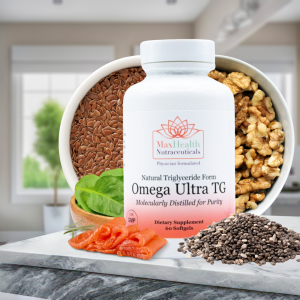
Omega Ultra TG
Probiotic 40 Billion CFU – 60s (shelf stable)
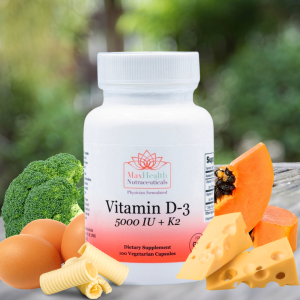
Vitamin D3 5000 IU + K2 CAPSULES 100s
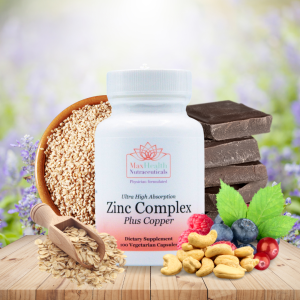
Zinc Complex Plus Copper
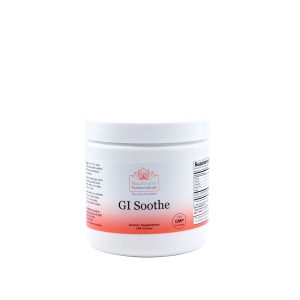
GI Soothe (Powder) 168 Grams
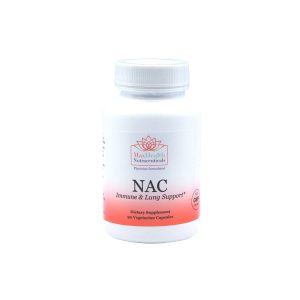
NAC 90s
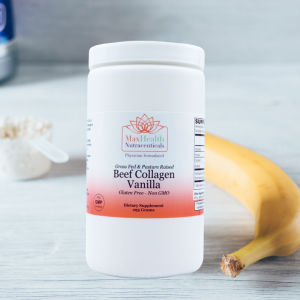
Beef Collagen Vanilla
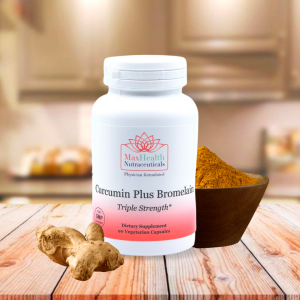
Curcumin Plus Bromelain 90s
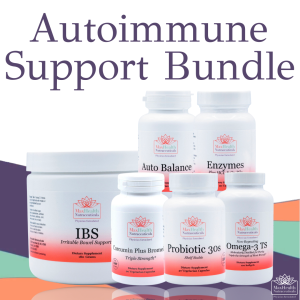
Autoimmune Support Bundle
Disclosure: This post contains affiliate links. If you purchase through these links, we may earn a small commission at no extra cost to you. Learn more.
About the Author
Dr. Nicolle is a double board-certified physician in Family Medicine and Preventive Medicine, with certifications in Functional Medicine and Lifestyle Medicine. She helps busy professionals over 40 optimize their health through root-cause approaches to cardiovascular, hormonal, and metabolic health.
Learn more about Dr. Nicolle →Explore Related Topics
Dive deeper into these connected health areas
Hormone Health
Hormones are the chemical messengers that regulate virtually every process in your body — from metab…
Explore 🦠Gut Health
Your gut is far more than a digestive organ — it's home to 70% of your immune system, produces key n…
Explore ❤️Metabolic Health
Metabolic health sits at the intersection of blood sugar regulation, cardiovascular function, body c…
Explore 💪Men's Health
Men's health involves a unique interplay of hormonal balance, cardiovascular resilience, metabolic e…
Explore 🧠Mental Health
Mental health is deeply interconnected with hormonal balance, gut health, blood sugar regulation, an…
ExploreReady to Address Your Health Concerns?
Book a Discovery Offer consultation to discuss how our functional medicine approach can help you achieve your health goals.
Book Your Discovery Offer