Breastfeeding Nutrition: Nourishing Yourself and Your Baby

- Breastfeeding is more nutritionally demanding than pregnancy — it requires ~500 extra calories and dramatically increased nutrient intake
- DHA in breast milk varies 7-fold based on maternal diet, directly impacting infant brain development
- Standard prenatal vitamins are insufficient for breastfeeding — especially vitamin D (need 4,000-6,400 IU vs. the typical 400 IU)
- Lactation-specific probiotics can reduce mastitis risk by up to 50%
- Eating below 1,800 calories while breastfeeding is the most common dietary cause of reduced milk supply
You're told "breast is best" — and then handed almost no guidance on how to actually feed yourself while feeding your baby. The irony is staggering: the nutritional quality of your breast milk is directly influenced by what you eat, yet postpartum nutrition education is virtually nonexistent in conventional prenatal care.
Here's what they don't tell you: breastfeeding is more nutritionally demanding than pregnancy itself. You're producing 25-35 ounces of nutrient-dense milk daily, and that milk doesn't come from thin air — it comes from your body's stores. If those stores aren't replenished, you become the deficit. And that deficit shows up as fatigue, brain fog, hair loss, mood changes, weakened immunity, and the feeling that you're running on fumes.
This guide gives you the evidence-based framework for nourishing both yourself and your baby during the most nutritionally demanding phase of your life.
The Nutritional Cost of Breastfeeding
Exclusive breastfeeding requires approximately 500 additional calories per day — but it's not just about calories. It's about specific nutrients that are either directly transferred into milk or rapidly depleted from maternal stores (1):
Nutrients Transferred Directly Into Milk
These nutrients in your breast milk vary based on your intake. If your diet is low, your milk will be low:
- DHA (omega-3 fatty acid): Critical for infant brain and retinal development. Breast milk DHA content varies 7-fold based on maternal diet (2)
- Vitamin A: Supports infant immune function and vision
- Vitamin D: Most breast milk is naturally low in vitamin D, making maternal supplementation essential
- B vitamins (B1, B2, B6, B12): Especially critical for vegetarian and vegan mothers whose stores may be limited
- Iodine and selenium: Essential for infant thyroid development
- Choline: Supports infant brain development and maternal liver function
Nutrients Depleted from Maternal Stores
These nutrients go into milk regardless of your intake — the baby gets what it needs, and you pay the price:
- Calcium: 200-300mg daily is transferred to milk. If dietary intake is insufficient, calcium is pulled from your bones (3)
- Iron: While breast milk iron is relatively low, postpartum blood loss and the demands of recovery deplete maternal stores
- Zinc: Essential for immune function in both mother and baby
- Magnesium: Rapidly depleted during breastfeeding, contributing to muscle cramps, insomnia, and anxiety
- Folate: Methylation demands increase during lactation
| Nutrient | Non-Lactating Woman | Breastfeeding | Top Food Sources |
|---|---|---|---|
| Calories | ~2,000 | ~2,500 | Nutrient-dense whole foods |
| Protein | 46g | 71g+ | Eggs, fish, poultry, legumes |
| DHA | 250mg | 300-600mg | Salmon, sardines, algae |
| Vitamin D | 600 IU | 4,000-6,400 IU | Sunlight, supplements, fatty fish |
| Calcium | 1,000mg | 1,300mg | Dairy, leafy greens, sardines |
| Iron | 18mg | 9-18mg | Red meat, lentils, spinach |
| Choline | 425mg | 550mg | Eggs, liver, soybeans |
Two eggs, a serving of salmon, and a handful of leafy greens provide more targeted postpartum nutrition than most prenatal vitamins. Real food first, supplements to fill gaps.
The Anti-Inflammatory Breastfeeding Diet
The quality of your breast milk's immune factors, anti-inflammatory compounds, and fatty acid profile is directly shaped by your diet. Here's the framework:
Foods to Emphasize
Omega-3-Rich Protein Sources (3-4x per week)
- Wild-caught salmon, sardines, mackerel, anchovies
- Pasture-raised eggs (especially yolks — rich in choline and DHA)
- Grass-fed beef and lamb (rich in iron, zinc, and CLA)
Colorful Vegetables (5+ servings daily)
- Dark leafy greens (iron, folate, calcium, magnesium)
- Cruciferous vegetables (broccoli, cauliflower — support estrogen metabolism)
- Sweet potatoes and squash (vitamin A, complex carbohydrates for sustained energy)
- Beets and carrots (liver support, antioxidants)
Healthy Fats
- Extra-virgin olive oil (polyphenols, anti-inflammatory)
- Avocados (potassium, fiber, monounsaturated fats)
- Nuts and seeds (walnuts for omega-3s, pumpkin seeds for zinc, Brazil nuts for selenium)
- Coconut oil (lauric acid — has antimicrobial properties that transfer to breast milk) (4)
Complex Carbohydrates
- Oats (traditional galactagogue — may support milk production; also rich in beta-glucan fiber)
- Quinoa (complete protein + iron)
- Sweet potatoes (vitamin A + sustained energy)
- Brown rice (B vitamins, magnesium)
Fermented Foods (if tolerated)
- Sauerkraut, kimchi, yogurt, kefir — support gut microbiome diversity for both mother and baby
- Start with small amounts; some babies are sensitive to fermented foods in maternal diet
Foods to Minimize or Avoid
- Alcohol: Even small amounts transfer to breast milk. If you choose to drink, wait 2-3 hours per drink before nursing
- Caffeine: Limit to 200mg daily (about one 12-oz coffee). Caffeine passes into milk and can affect infant sleep
- High-mercury fish: Avoid shark, swordfish, king mackerel, tilefish. Limit tuna to 6 oz per week
- Processed foods: Refined oils, added sugars, and artificial additives increase inflammation and offer no nutritional value
- Common allergens: If your baby shows signs of food sensitivity (excessive gas, colic, eczema, blood in stool), consider a structured elimination of cow's milk dairy, soy, and/or wheat under medical guidance
Essential Supplements for Breastfeeding Mothers
Even with an excellent diet, certain nutrients are nearly impossible to get in adequate amounts from food alone during breastfeeding:
Tier 1: Non-Negotiable
- Vitamin D3 + K2: 4,000-6,400 IU daily of D3 ensures adequate levels in breast milk. The standard recommendation of 400 IU in prenatal vitamins is insufficient to raise maternal OR infant vitamin D levels (5)
- Omega-3 (DHA/EPA): 300-600mg DHA daily. This is the single most impactful supplement for infant brain development through breast milk
- Postnatal multivitamin: A high-quality postnatal vitamin (not just a prenatal) with methylated B vitamins, adequate iron, and chelated minerals
Tier 2: Based on Lab Results
- Iron: If ferritin is below 50 ng/mL. Iron bisglycinate is preferred for absorption and GI tolerance
- Magnesium: 300-400mg glycinate or threonate at bedtime
- Probiotic: Specific strains (L. rhamnosus, B. infantis) support maternal gut health and transfer beneficial bacteria through breast milk (6)
- Choline: 250-500mg if egg and liver intake is low
Tier 3: Specific Situations
- B12: Essential for vegan/vegetarian mothers (1,000mcg methylcobalamin daily)
- Iodine: 150-290mcg daily if not using iodized salt or eating seaweed
- Calcium + vitamin K2: If dairy intake is minimal
A lactation-specific probiotic (L. fermentum, L. salivarius) can reduce the incidence of mastitis by up to 50% and improve breast milk's beneficial bacterial content for the infant. This is one of the most underutilized interventions in lactation support (7).
Milk Supply and Nutrition
Many mothers worry about milk supply, and while hydration and frequent nursing are the primary drivers, nutrition plays a supporting role:
Evidence-based galactagogues (milk supply supporters):
- Oats and barley: Beta-glucan fiber may stimulate prolactin
- Fenugreek: The most commonly used herbal galactagogue; some evidence supports efficacy, but can cause GI distress and has a maple syrup odor
- Brewer's yeast: Rich in B vitamins and chromium; traditionally used in lactation cookies
- Adequate hydration: Aim for 100+ ounces of water daily. Thirst is not a reliable indicator during breastfeeding
- Adequate calories: This cannot be overstated. Eating below 1,800 calories daily is the most common dietary cause of reduced milk supply
Some herbs marketed as galactagogues (peppermint, sage, parsley in large amounts) can actually decrease milk supply. Always research herbal supplements before taking them during lactation.
Meal Prep Strategies for Exhausted New Parents
The biggest barrier to good postpartum nutrition isn't knowledge — it's time and energy. Practical strategies:
Batch Cooking
- Prepare 2-3 proteins on the weekend (rotisserie chicken, salmon, hard-boiled eggs)
- Cook a large pot of quinoa, rice, or sweet potatoes
- Wash and chop vegetables for the week
- Make a large batch of bone broth (collagen, minerals, gut-healing)
One-Handed Meals (for eating while nursing)
- Smoothies loaded with protein powder, spinach, berries, and nut butter
- Energy balls made with oats, dates, nuts, and coconut
- Overnight oats prepared the night before
- Wraps and burritos that can be eaten with one hand
Accept Help
- Ask visitors to bring a meal instead of a gift
- Use a meal delivery service for the first 6 weeks
- Keep nutrient-dense snacks accessible: trail mix, cheese sticks, apple with almond butter, hummus with vegetables
Explore our meal plans for ready-made, nutrient-dense plans designed for busy parents.
Special Dietary Considerations
Vegetarian/Vegan Mothers
Must supplement: B12 (non-negotiable), DHA (from algae-based supplement), iron (if plant-based sources are insufficient), zinc, and potentially iodine. Protein intake requires more planning — aim for complementary plant proteins at each meal.
Mothers with Food Allergies
Work with a dietitian to ensure adequate calcium (if dairy-free), protein (if egg-free or nut-free), and omega-3s (if fish-free). Allergen elimination diets for infant sensitivities should be done systematically, not all at once.
Mothers Returning to Work
Invest in a quality cooler and pump supplies. Prepare freezer meals and smoothie packs during maternity leave. Keep nutrient-dense snacks at your desk. Your nutrition matters just as much when you're pumping as when you're nursing directly.
The Bottom Line
Breastfeeding nutrition isn't about perfection — it's about consistency and nutrient density. You don't need to eat perfectly to make good milk. But you do need to eat *enough*, eat *nutrient-rich foods*, and fill specific gaps that are almost universal in postpartum women. Your baby is getting what they need from you. The question is: are you replenishing what you're giving away?
If you're feeling depleted, exhausted, or unsure whether your diet is supporting both you and your baby, our Postpartum Restoration Program includes personalized nutritional guidance, lab testing, and a supplement protocol tailored to breastfeeding mothers. You can also take our Wellness Quiz to identify your biggest nutritional gaps.
---
References
- Butte, N.F., King, J.C. (2005). Energy requirements during pregnancy and lactation. Public Health Nutrition, 8(7A), 1010-1027.
- Brenna, J.T., Varamini, B., Jensen, R.G., et al. (2007). Docosahexaenoic and arachidonic acid concentrations in human breast milk worldwide. American Journal of Clinical Nutrition, 85(6), 1457-1464.
- Kovacs, C.S. (2016). Maternal mineral and bone metabolism during pregnancy, lactation, and post-weaning recovery. Physiological Reviews, 96(2), 449-547.
- Francois, C.A., Connor, S.L., Bolewicz, L.C., & Connor, W.E. (2003). Supplementing lactating women with flaxseed oil does not increase docosahexaenoic acid in their milk. American Journal of Clinical Nutrition, 77(1), 226-233.
- Hollis, B.W., Wagner, C.L., Howard, C.R., et al. (2015). Maternal versus infant vitamin D supplementation during lactation: A randomized controlled trial. Pediatrics, 136(4), 625-634.
- Fernández, L., Cárdenas, N., Arroyo, R., et al. (2016). Prevention of infectious mastitis by oral administration of Lactobacillus salivarius PS2 during late pregnancy. Clinical Infectious Diseases, 62(5), 568-573.
- Hurtado, J.A., Maldonado-Lobón, J.A., Díaz-Ropero, M.P., et al. (2017). Oral administration to nursing women of Lactobacillus fermentum CECT5716 prevents lactational mastitis development. Breastfeeding Medicine, 12(4), 202-209.
- Karcz, K., Królak-Olejnik, B., & Paluszyńska, D. (2020). The effect of maternal diet on the composition of human milk. European Review for Medical and Pharmacological Sciences, 24(3), 1534-1543.
- Hale, T.W. (2021). Medications and Mothers' Milk (19th ed.). Springer Publishing Company.
- Academy of Nutrition and Dietetics. (2022). Position paper: Nutrition and lifestyle for a healthy pregnancy outcome. Journal of the Academy of Nutrition and Dietetics, 122(7), 1314-1332.
Supplements for Women's Hormone Balance
Clinical-grade picks for this topic
Affiliate disclosure: The product links below are affiliate links — we may earn a commission at no extra cost to you. Recommendations are based on clinical use, not commissions. Learn more.
Frequently Asked Questions
Common questions about breastfeeding nutrition: nourishing yourself and your baby
Recommended Supplements
Professional-grade supplements from my MaxHealth Nutraceuticals line — the same formulas I use in clinical practice.

Austin Air HealthMate Plus®
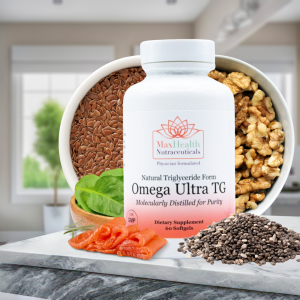
Omega Ultra TG
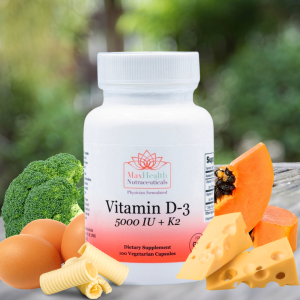
Vitamin D3 5000 IU + K2 CAPSULES 100s
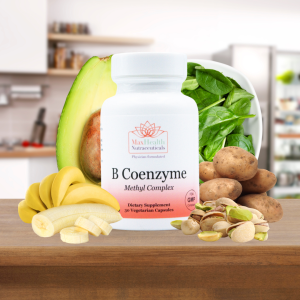
B Coenzyme Methyl Complex
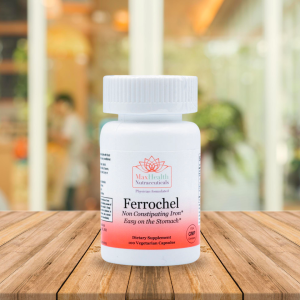
Ferrochel Plus (25mg) 100s
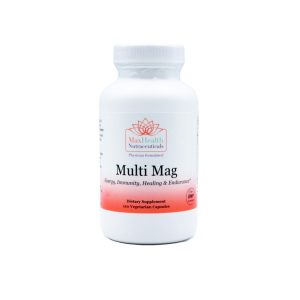
Multi Mag
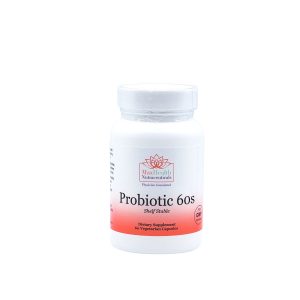
Probiotic 40 Billion CFU – 60s (shelf stable)
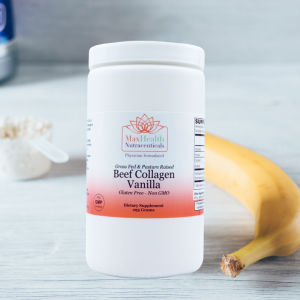
Beef Collagen Vanilla
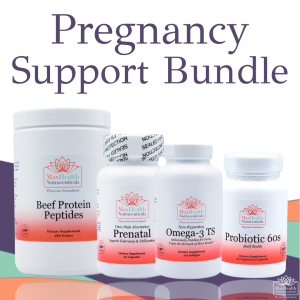
Pregnancy Support Bundle
Disclosure: This post contains affiliate links. If you purchase through these links, we may earn a small commission at no extra cost to you. Learn more.
About the Author
Dr. Nicolle is a double board-certified physician in Family Medicine and Preventive Medicine, with certifications in Functional Medicine and Lifestyle Medicine. She helps busy professionals over 40 optimize their health through root-cause approaches to cardiovascular, hormonal, and metabolic health.
Learn more about Dr. Nicolle →Explore Related Topics
Dive deeper into these connected health areas
Gut Health
Your gut is far more than a digestive organ — it's home to 70% of your immune system, produces key n…
Explore ❤️Metabolic Health
Metabolic health sits at the intersection of blood sugar regulation, cardiovascular function, body c…
Explore 💪Men's Health
Men's health involves a unique interplay of hormonal balance, cardiovascular resilience, metabolic e…
Explore 🧠Mental Health
Mental health is deeply interconnected with hormonal balance, gut health, blood sugar regulation, an…
Explore 📖Skin & Hair Health
Your skin and hair are windows into your internal health. Chronic acne, eczema, psoriasis, and hair …
ExploreReady to Address Your Health Concerns?
Book a Discovery Offer consultation to discuss how our functional medicine approach can help you achieve your health goals.
Book Your Discovery Offer