Postpartum Depression: A Functional Medicine Approach

- Postpartum depression affects 1 in 5 mothers and is driven by hormonal crashes, nutrient depletion, and inflammation — not weakness
- Iron, vitamin D, omega-3, and B vitamin deficiencies are correctable root causes found in the majority of PPD cases
- Postpartum thyroiditis (affecting 5-10% of new mothers) mimics PPD and is dramatically underdiagnosed
- A comprehensive lab panel — not a prescription pad — should be the first step for every struggling new mother
- The FDA's approval of synthetic allopregnanolone (a progesterone metabolite) for PPD validates this as a neuroendocrine event
You did everything right. You ate well during pregnancy, you attended every appointment, you planned for the birth. And then your baby arrived — and instead of the joy everyone promised, you feel numb. Or anxious. Or both. You cry without knowing why. You lie awake at 3 AM, mind racing, even when the baby is sleeping. You feel guilty for not feeling happy, and that guilt makes everything worse.
If this is you, please hear this first: you are not broken, and this is not your fault. Postpartum depression (PPD) and postpartum anxiety affect up to 1 in 5 new mothers — making them among the most common complications of childbirth (1). And yet the conventional response is often a prescription for an SSRI and a follow-up in six weeks.
Antidepressants save lives. I want to be clear about that. But a functional medicine approach asks a critical additional question: What is driving this depression at a biological level, and can we address those root causes directly?
The Hormonal Earthquake: What Happens After Delivery
Pregnancy is one of the most hormonally intense experiences the human body undergoes. By the third trimester, estrogen levels are 30-50 times higher than pre-pregnancy, and progesterone levels are 10-20 times higher (2). Within 48-72 hours of delivery, both hormones plummet to nearly zero.
This isn't a gentle decline — it's a cliff. And for women whose brains are particularly sensitive to this withdrawal, the neurological consequences are profound:
- Estrogen supports serotonin and dopamine production — the neurotransmitters responsible for mood, motivation, and emotional resilience
- Progesterone converts to allopregnanolone, a potent calming neurosteroid that modulates GABA receptors (the same receptors targeted by benzodiazepines)
- Oxytocin fluctuations during breastfeeding create emotional volatility that many women don't expect
The FDA-approved drug brexanolone (Zulresso) for severe PPD is actually synthetic allopregnanolone — a progesterone metabolite. This validates what functional medicine has long recognized: postpartum depression is fundamentally a neuroendocrine event, not simply a psychological one.
The Five Root Causes of Postpartum Depression
1. Nutrient Depletion
Pregnancy is nutritionally expensive. The developing baby draws heavily on maternal stores of:
- Iron: Up to 50% of postpartum women are iron deficient, and ferritin levels below 30 ng/mL are strongly associated with depression, fatigue, and brain fog (3)
- Omega-3 fatty acids (DHA): The fetal brain preferentially absorbs maternal DHA during the third trimester. Depleted omega-3 stores impair maternal serotonin signaling and increase inflammation
- Vitamin D: Levels below 30 ng/mL are associated with a 2x increased risk of PPD (4)
- B vitamins: B12 and folate are critical for methylation — the biochemical process that produces neurotransmitters. Depleted methylation = depleted mood
- Magnesium: Pregnancy depletes magnesium stores, and deficiency directly impacts GABA function, sleep quality, and anxiety
If you're a new mother struggling with mood, the very first step should be comprehensive lab work — not a prescription pad. Iron, vitamin D, B12, folate, omega-3 index, magnesium RBC, and a complete thyroid panel can reveal correctable deficiencies driving your symptoms.
2. Thyroid Dysfunction
Postpartum thyroiditis affects 5-10% of women in the first year after delivery, and it is dramatically underdiagnosed (5). The immune system, which is suppressed during pregnancy to protect the fetus, rebounds aggressively after delivery — and in women with genetic predisposition, this immune rebound attacks the thyroid gland.
The result is a biphasic pattern:
- Months 1-4: Hyperthyroid phase (anxiety, insomnia, racing heart, weight loss, irritability)
- Months 4-8: Hypothyroid phase (fatigue, depression, weight gain, brain fog, hair loss)
Both phases mimic postpartum depression. Without proper testing, women are frequently misdiagnosed.
3. Gut-Brain Axis Disruption
The gut-brain connection is particularly relevant postpartum. Pregnancy hormones alter the gut microbiome significantly, and delivery (especially C-section or antibiotic use) can further disrupt the bacterial ecosystem that produces approximately 90% of the body's serotonin and 50% of its dopamine (6).
Key disruptions include:
- Reduced microbial diversity after antibiotic exposure during labor
- Intestinal permeability from cortisol surges during delivery
- Reduced short-chain fatty acid production that normally supports anti-inflammatory pathways
4. HPA Axis Dysregulation
The hypothalamic-pituitary-adrenal (HPA) axis — your body's stress response system — undergoes dramatic changes during pregnancy. Placental CRH (corticotropin-releasing hormone) drives cortisol levels to 2-3 times normal during the third trimester. After the placenta is delivered, the HPA axis must recalibrate — and in some women, it crashes.
This creates a pattern of adrenal dysfunction characterized by:
- Inability to mount an appropriate cortisol response to stress
- Profound fatigue that doesn't improve with rest
- Anxiety that paradoxically coexists with exhaustion
5. Inflammation
Delivery itself is an inflammatory event, and for women with pre-existing inflammatory conditions (autoimmune tendencies, gut dysfunction, poor diet), the postpartum period amplifies systemic inflammation. Elevated inflammatory cytokines (IL-6, TNF-alpha, CRP) are consistently associated with PPD severity (7).
The Functional Medicine Protocol for Postpartum Depression
Phase 1: Test, Don't Guess (Weeks 1-2)
Before implementing any protocol, we need data. Essential postpartum labs include:
| Test | Why It Matters | Optimal Range |
|---|---|---|
| Ferritin | Iron stores; low = fatigue + depression | >50 ng/mL (ideally 70-90) |
| Vitamin D (25-OH) | Immune + mood regulation | 40-60 ng/mL |
| Complete Thyroid Panel | TSH, Free T3, Free T4, TPO Ab, TG Ab | TSH 0.5-2.5; antibodies negative |
| B12 & Folate | Methylation + neurotransmitter production | B12 >600 pg/mL |
| Omega-3 Index | Brain inflammation + serotonin support | >8% |
| hs-CRP | Systemic inflammation marker | <1.0 mg/L |
| Magnesium RBC | Intracellular magnesium (serum is unreliable) | 5.0-6.5 mg/dL |
Phase 2: Replenish (Weeks 2-8)
Based on lab results, targeted supplementation to correct deficiencies:
- Iron (if ferritin < 50): Iron bisglycinate is best absorbed and least likely to cause constipation — critical for a postpartum body
- Omega-3 (EPA/DHA): 2-4g daily. EPA has the strongest anti-inflammatory and antidepressant evidence; DHA supports infant brain development through breast milk (8)
- Vitamin D3 + K2: Dose based on labs; typically 5,000 IU daily until levels reach 40-60 ng/mL
- Active B vitamins: Methylfolate and methylcobalamin support neurotransmitter synthesis directly
- Magnesium: 300-400mg glycinate or threonate at bedtime — supports sleep, GABA, and relaxation
Phase 3: Heal the Gut (Weeks 4-12)
- Probiotics: Specific strains (L. rhamnosus HN001, B. longum) have demonstrated antidepressant effects in postpartum populations (9)
- Anti-inflammatory nutrition: Focus on omega-3-rich fish, colorful vegetables, bone broth, and fermented foods (if tolerated)
- Remove inflammatory triggers: Refined sugar, processed seed oils, alcohol, and common food sensitivities
Phase 4: Support the Nervous System (Ongoing)
- Morning sunlight: 10-15 minutes within the first hour of waking resets circadian rhythm and boosts serotonin
- Gentle movement: Walking with the baby, postpartum yoga — not intense exercise, which can further deplete an already stressed system
- Sleep architecture: Even fragmented sleep can be optimized by prioritizing one 4-hour consolidated block (recruit help for one nighttime feeding)
- Breathwork: Box breathing (4-4-4-4) activates the parasympathetic nervous system and can be done during nursing
- Community: Isolation is the greatest amplifier of postpartum mood disorders. Connection with other mothers is protective
If you are experiencing thoughts of harming yourself or your baby, please contact the Postpartum Support International helpline at 1-800-944-4773 or text "HELP" to 988. Functional medicine strategies complement but do not replace crisis intervention.
When to Consider Medication
Functional medicine is not anti-medication. For moderate to severe postpartum depression:
- SSRIs (sertraline is most studied for breastfeeding safety) can provide critical stabilization while root causes are addressed
- Brexanolone (zuranolone) offers rapid relief for severe cases
- The functional approach often allows for lower doses, shorter courses, or successful tapering once deficiencies are corrected
The Bottom Line
Postpartum depression is not a character flaw, a failure of willpower, or an inevitable consequence of motherhood. It is a physiological event with identifiable, testable, treatable root causes. When we address the hormonal crash, the nutrient depletion, the thyroid dysfunction, the gut imbalance, and the inflammatory burden — simultaneously and systematically — recovery is not just possible; it's expected.
If you're in the fog right now, know this: the fog lifts. And you don't have to wait passively for it to clear. Our Postpartum Restoration Program is designed to identify and address exactly these root causes, helping you reclaim not just your mood but your entire fourth trimester experience.
---
References
- Wisner, K.L., Sit, D.K., McShea, M.C., et al. (2013). Onset timing, thoughts of self-harm, and diagnoses in postpartum women with screen-positive depression findings. JAMA Psychiatry, 70(5), 490-498.
- Schiller, C.E., Meltzer-Brody, S., & Rubinow, D.R. (2015). The role of reproductive hormones in postpartum depression. CNS Spectrums, 20(1), 48-59.
- Sheikh, M., Hantoushzadeh, S., Shariat, M., et al. (2017). The efficacy of early iron supplementation on postpartum depression, a randomized double-blind placebo-controlled trial. European Journal of Nutrition, 56(2), 901-908.
- Aghajafari, F., Letourneau, N., Mahinpey, N., et al. (2018). Vitamin D deficiency and antenatal and postpartum depression: A systematic review. Nutrients, 10(4), 478.
- Stagnaro-Green, A. (2012). Approach to the patient with postpartum thyroiditis. Journal of Clinical Endocrinology & Metabolism, 97(2), 334-342.
- Yano, J.M., Yu, K., Donaldson, G.P., et al. (2015). Indigenous bacteria from the gut microbiota regulate host serotonin biosynthesis. Cell, 161(2), 264-276.
- Osborne, L.M., & Monk, C. (2013). Perinatal depression — the fourth inflammatory morbidity of pregnancy? Theory and literature review. Psychoneuroendocrinology, 38(10), 1929-1952.
- Hsu, M.C., Tung, C.Y., & Chen, H.E. (2018). Omega-3 polyunsaturated fatty acid supplementation in prevention and treatment of maternal depression: Putative mechanism and recommendation. Journal of Affective Disorders, 238, 47-61.
- Slykerman, R.F., Hood, F., Wickens, K., et al. (2017). Effect of Lactobacillus rhamnosus HN001 in pregnancy on postpartum symptoms of depression and anxiety: A randomised double-blind placebo-controlled trial. EBioMedicine, 24, 159-165.
- Dennis, C.L., & Dowswell, T. (2013). Psychosocial and psychological interventions for preventing postpartum depression. Cochrane Database of Systematic Reviews, (2).
Supplements for Women's Hormone Balance
Clinical-grade picks for this topic
Affiliate disclosure: The product links below are affiliate links — we may earn a commission at no extra cost to you. Recommendations are based on clinical use, not commissions. Learn more.
Frequently Asked Questions
Common questions about postpartum depression: a functional medicine approach
Recommended Supplements
Professional-grade supplements from my MaxHealth Nutraceuticals line — the same formulas I use in clinical practice.

TheraFrost Cold Plunge

Red Light Face Mask

Inner Balance™ Coherence Plus

SMART Yoga Mat (Green)
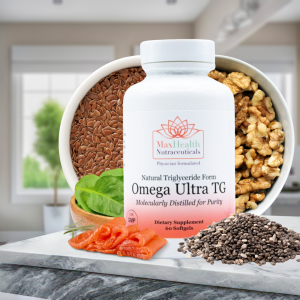
Omega Ultra TG
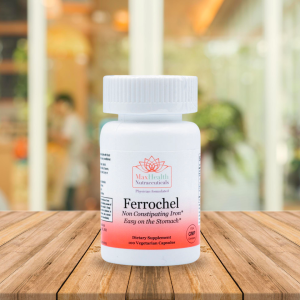
Ferrochel Plus (25mg) 100s
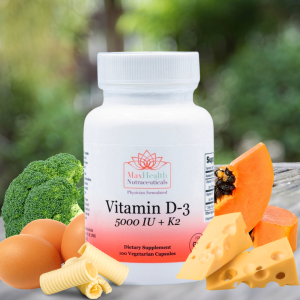
Vitamin D3 5000 IU + K2 CAPSULES 100s
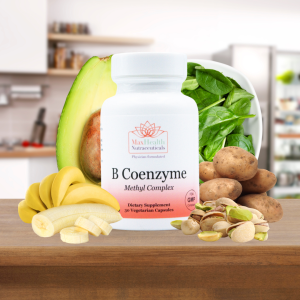
B Coenzyme Methyl Complex
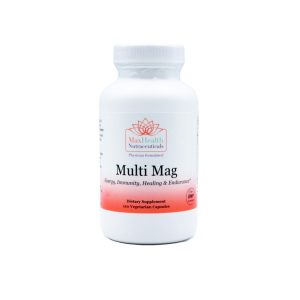
Multi Mag
Probiotic 40 Billion CFU – 60s (shelf stable)
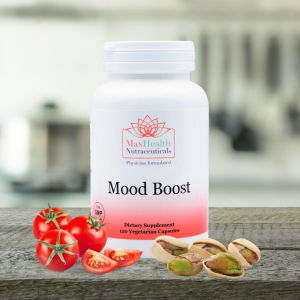
Mood Boost 120s
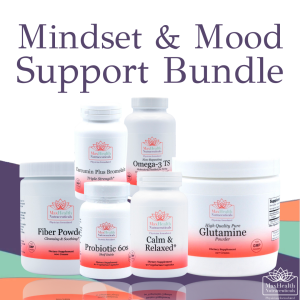
Mindset & Mood Support Bundle
Disclosure: This post contains affiliate links. If you purchase through these links, we may earn a small commission at no extra cost to you. Learn more.
About the Author
Dr. Nicolle is a double board-certified physician in Family Medicine and Preventive Medicine, with certifications in Functional Medicine and Lifestyle Medicine. She helps busy professionals over 40 optimize their health through root-cause approaches to cardiovascular, hormonal, and metabolic health.
Learn more about Dr. Nicolle →Explore Related Topics
Dive deeper into these connected health areas
Gut Health
Your gut is far more than a digestive organ — it's home to 70% of your immune system, produces key n…
Explore ❤️Metabolic Health
Metabolic health sits at the intersection of blood sugar regulation, cardiovascular function, body c…
Explore 💪Men's Health
Men's health involves a unique interplay of hormonal balance, cardiovascular resilience, metabolic e…
Explore 📖Skin & Hair Health
Your skin and hair are windows into your internal health. Chronic acne, eczema, psoriasis, and hair …
ExploreReady to Address Your Health Concerns?
Book a Discovery Offer consultation to discuss how our functional medicine approach can help you achieve your health goals.
Book Your Discovery Offer