GLP-1 Side Effects: Managing Nausea, GI Issues & More

- Up to 44% of GLP-1 patients experience GI side effects — most are manageable with the right strategies
- Nausea is the #1 complaint: eat smaller meals more frequently, use ginger, and consider evening injections
- Constipation requires proactive management: hydration, magnesium, fiber, and probiotics are your foundation
- Hair thinning is telogen effluvium from rapid weight loss — preventable with adequate protein, iron, and zinc
- Every GLP-1 patient needs a proactive supplement stack: protein, magnesium, probiotics, omega-3s, and B-complex
You started the medication with high hopes. The weight is finally moving. But now you're dealing with nausea that makes eating feel like a chore, constipation that won't quit, fatigue you weren't expecting, and maybe even some hair thinning that's starting to worry you.
Sound familiar? You're not alone. Up to 44% of patients on semaglutide report gastrointestinal side effects, and for many, these symptoms are severe enough to consider stopping therapy entirely (1). That's a tragedy, because with proper management, most GLP-1 side effects are preventable or significantly reducible.
Here's the problem: most prescribers hand you the medication and say "start low, go slow" — and that's the extent of their side effect counseling. There's no nutritional strategy, no supplement protocol, no proactive plan for the issues that are *predictable* based on how these medications work.
If you're new to GLP-1 medications, start with our comprehensive overview of how they work and who they're right for. If you're already on therapy and want to optimize everything around the injection, our GLP-1 lifestyle optimization guide covers nutrition, muscle preservation, and long-term strategy. This guide focuses specifically on the side effects: what causes them, which are dangerous, and exactly how to manage each one.
Understanding Why GLP-1 Side Effects Happen
GLP-1 receptor agonists (semaglutide, tirzepatide, liraglutide) work by mimicking the incretin hormone GLP-1, which your body produces naturally after eating. The medication activates GLP-1 receptors throughout the body — not just in the pancreas, but in the stomach, intestines, brain, and even the gallbladder (2).
This widespread receptor activation explains why the side effects extend far beyond simple appetite reduction:
- Delayed gastric emptying — the stomach empties 30-50% slower, which reduces appetite but also causes nausea, bloating, and early satiety
- Altered intestinal motility — changes in how quickly food moves through the GI tract, causing constipation or diarrhea
- Central nervous system effects — the medication crosses the blood-brain barrier and can affect mood, energy, and taste perception
- Gallbladder effects — reduced gallbladder motility increases the risk of gallstones, particularly during rapid weight loss
- Pancreatic stimulation — enhanced insulin secretion can occasionally cause hypoglycemia, especially when combined with other diabetes medications
Most GLP-1 side effects peak during the first 4-8 weeks and during dose escalation phases. If you can manage them through these windows, they typically improve significantly. The key is having a proactive strategy rather than a reactive one.
The Complete GLP-1 Side Effect Profile
Not all side effects carry the same weight. Here's an evidence-based breakdown of what to expect, how common each issue is, and when to be concerned.
| Side Effect | Frequency | Typical Timeline | Severity |
|---|---|---|---|
| Nausea | 40-44% | Peaks weeks 1-4, improves by week 8-12 | Mild to Moderate |
| Constipation | 24-30% | Can persist throughout therapy | Mild to Moderate |
| Diarrhea | 18-30% | Usually transient (weeks 1-4) | Mild |
| Fatigue | 10-15% | Peaks during dose escalation | Mild to Moderate |
| Hair Thinning | 3-6% | Onset 3-6 months after starting | Mild |
| Headache | 14-18% | Usually resolves within 2-4 weeks | Mild |
| Gallbladder Issues | 1-3% | Risk increases with rapid weight loss | ⚠️ Potentially Serious |
| Pancreatitis | <0.5% | Can occur at any time | 🚨 Serious — Seek ER |
Managing Nausea: The #1 Complaint
Nausea is far and away the most common reason patients want to stop GLP-1 therapy. But here's what most prescribers miss: nausea on a GLP-1 is almost always manageable if you understand what's causing it and adjust your approach accordingly.
Why It Happens
GLP-1 medications slow gastric emptying by 30-50%. Food sits in your stomach longer than your body expects, triggering the nausea signal. This effect is dose-dependent — it's worse at higher doses and during dose escalation — and is compounded by eating the wrong types of food at the wrong times.
The Anti-Nausea Protocol
Meal structure changes (most impactful):
- Eat 5-6 small meals instead of 2-3 large ones — overfilling a slow-emptying stomach is the primary trigger
- Stop eating before you feel full. On a GLP-1, "comfortably satisfied" should be your stopping point, not "full"
- Chew thoroughly — aim for 20-30 chews per bite to reduce the mechanical burden on your stomach
- Avoid lying down for at least 30-60 minutes after eating
Food selection:
- Reduce high-fat meals — fat slows gastric emptying further, compounding the medication's effect
- Minimize greasy, fried, or heavily spiced foods during dose escalation phases
- Prioritize lean proteins and cooked vegetables — these are easier to digest
- Ginger is evidence-based — ginger tea, fresh ginger, or ginger supplements (250mg 4x/day) reduce nausea comparably to some anti-emetics (3)
The single most effective nausea strategy: eat smaller portions, more frequently, and stop before you feel full. Most nausea occurs because patients eat the same volume they ate before the medication, and their dramatically slowed stomach can't handle it.
Supplement support:
- Ginger root extract (250mg, 4x/day) — multiple RCTs support its anti-emetic properties
- Vitamin B6 (25-50mg/day) — used in pregnancy-related nausea protocols and applicable here
- Peppermint oil capsules (enteric-coated, 180-225mg, 1-2x/day) — relaxes gastric smooth muscle
- Magnesium — deficiency worsens nausea; ensure adequate levels with magnesium supplementation
Timing strategy:
- Take your injection in the evening — many patients find that sleeping through the peak nausea window (6-12 hours post-injection) is the most effective hack
- If you inject weekly (semaglutide), choose a day when you can have a lighter schedule the following day
Managing Constipation: The Persistent Problem
While nausea often improves over time, constipation can persist throughout GLP-1 therapy. Slowed gastric emptying translates to slowed intestinal transit, and reduced food intake means less fiber and less bulk moving through the colon.
The Constipation Protocol
Hydration (non-negotiable):
- Aim for half your body weight in ounces of water daily — dehydration is the #1 modifiable risk factor for GLP-1-related constipation
- Reduced appetite means you're drinking less than before; track your intake
- Add electrolytes if you're losing fluid through exercise
Fiber strategy:
- Gradually increase fiber to 25-35g/day — too-rapid fiber increases worsen bloating on a GLP-1
- Prioritize soluble fiber (psyllium husk, chia seeds, oats) over insoluble fiber during the adjustment period
- Ground flaxseed (2 tablespoons daily) provides both fiber and omega-3s
If you develop severe abdominal pain, inability to pass gas, vomiting, or have no bowel movement for 4+ days, contact your prescriber immediately. While rare, GLP-1 medications have been associated with intestinal obstruction, which requires urgent evaluation.
Supplement support:
- Magnesium citrate or oxide (400-600mg at bedtime) — osmotic effect draws water into the colon
- Probiotics — microbiome support can improve motility; look for strains like *Bifidobacterium lactis* BB-12
- Psyllium husk (5-10g daily, with plenty of water) — the most evidence-based bulk-forming fiber
Lifestyle additions:
- Morning warm water with lemon — stimulates the gastrocolic reflex
- Regular physical activity — even a 20-minute walk stimulates intestinal motility
- Abdominal massage — gentle clockwise massage can promote bowel movement
Managing Fatigue and Low Energy
Fatigue on GLP-1 therapy has multiple overlapping causes that are frequently missed:
Root Causes
1. Caloric deficit — drastically reduced food intake means reduced energy substrate
2. Dehydration — reduced thirst cues and lower fluid intake
3. Micronutrient depletion — eating less food means getting fewer vitamins and minerals
4. Blood sugar fluctuations — especially if combined with insulin or sulfonylureas
5. Muscle loss — losing lean mass reduces metabolic capacity
The Energy Protocol
| Tier | Intervention | Why It Works |
|---|---|---|
| Tier 1: Foundation | Protein ≥100g/day, hydration tracking, 7+ hrs sleep | Addresses the most common deficits causing fatigue |
| Tier 2: Nutrient Repletion | B-complex, iron panel, vitamin D, magnesium | Corrects micronutrient gaps from reduced intake |
| Tier 3: Metabolic Support | CoQ10, creatine, electrolytes, adrenal support | Supports mitochondrial function and cellular energy |
If fatigue persists beyond the first 8 weeks despite adequate protein and hydration, get your comprehensive labs checked. Iron deficiency, B12 deficiency, and thyroid dysfunction are common and often missed in patients on GLP-1 therapy.
Hair Thinning: The Delayed Concern
Hair thinning on GLP-1 therapy isn't a direct drug side effect — it's a consequence of rapid weight loss, known as telogen effluvium. When the body undergoes significant metabolic stress (rapid caloric deficit, major weight change), it redirects energy away from non-essential functions like hair growth.
Prevention and Management
The key insight is that this is almost entirely preventable with proper nutritional support:
- Protein intake ≥ 1.2g/kg/day — hair follicles are among the most metabolically active cells in the body and require adequate amino acids
- Iron status optimization — check ferritin; optimal is 70-90 ng/mL for hair growth, not just "within range" (see our hair growth supplements guide)
- Biotin (5,000-10,000mcg/day) — supports keratin production
- Zinc (25-30mg/day with copper) — critical for hair follicle cycling
- Vitamin D — maintain levels at 50-70 ng/mL
- Collagen peptides (10-15g/day) — provides the specific amino acids used in hair structure
- Address scalp health — inflammation and scalp dysbiosis can compound hair thinning
If you're losing more than 100 hairs per day or notice visible thinning 3-6 months into GLP-1 therapy, don't panic — but do act. Get ferritin, zinc, vitamin D, thyroid panel, and a comprehensive metabolic panel checked. Most telogen effluvium resolves within 6-9 months once the nutritional triggers are corrected.
GI Distress: Diarrhea, Bloating, and Acid Reflux
Diarrhea
Usually transient and peaks during the first 2-4 weeks. Management includes:
- Temporarily reduce fiber intake and increase binding foods (rice, bananas, applesauce)
- Probiotics with *Saccharomyces boulardii* — evidence-based for diarrhea prevention
- Ensure adequate electrolyte replacement if diarrhea is significant
- Monitor for signs of dehydration (dark urine, dizziness, dry mouth)
Bloating
Bloating on GLP-1 therapy is directly related to delayed gastric emptying:
- Peppermint tea or enteric-coated peppermint oil — carminative effect reduces gas and bloating
- Digestive enzymes with meals — particularly lipase for fat digestion
- Avoid carbonated beverages — these add gas to an already slow-moving stomach
- Simethicone (Gas-X) — safe and effective for symptomatic relief
- Consider SIBO testing if bloating is persistent and disproportionate
Acid Reflux / GERD
GLP-1 medications can worsen acid reflux due to delayed gastric emptying and increased gastric pressure:
- Elevate the head of your bed 6-8 inches — gravity is your friend
- Don't eat within 3 hours of bedtime — critical with slowed gastric emptying
- Avoid trigger foods — tomatoes, citrus, chocolate, coffee, alcohol, mint (paradoxically, while peppermint helps bloating, it can worsen reflux)
- DGL licorice (400mg before meals) — supports mucosal lining without the blood pressure effects of regular licorice
- Consider anti-inflammatory diet principles to reduce overall GI inflammation
Gallbladder Risk: The One to Watch
Gallstone formation is a genuine risk with GLP-1 therapy, particularly during periods of rapid weight loss. The mechanism is straightforward: when you lose weight quickly, the liver secretes more cholesterol into bile, while the gallbladder contracts less frequently (a direct GLP-1 effect), creating conditions for stone formation.
Protective strategies:
- Don't skip meals entirely — some fat intake is necessary to stimulate gallbladder contraction
- Include healthy fats at each meal — olive oil, avocado, nuts — aim for 30-40g of fat daily minimum
- Ursodeoxycholic acid (Ursodiol) — your prescriber may recommend this prophylactically if you have known gallstones or are losing weight rapidly (>1.5kg/week)
Warning signs requiring urgent evaluation:
- Severe right upper quadrant abdominal pain, especially after eating
- Pain radiating to the right shoulder blade
- Nausea and vomiting with abdominal pain
- Fever with abdominal pain
When to Call Your Doctor vs. Go to the ER
This is critical information that every GLP-1 patient should have:
| Call Your Doctor (non-urgent) | Go to the ER (urgent) |
|---|---|
| Nausea lasting >2 weeks without improvement | Severe, unrelenting abdominal pain |
| Constipation lasting >4 days | Inability to keep any fluids down for 24+ hours |
| Persistent fatigue beyond 8 weeks | Signs of pancreatitis (severe mid-abdominal pain radiating to back) |
| Hair thinning or visible changes | Symptoms of hypoglycemia (shaking, confusion, sweating) |
| Mood changes or increased anxiety | Allergic reaction (swelling, difficulty breathing, rash) |
| Injection site reactions | Signs of intestinal obstruction (severe cramps, no gas/stool, vomiting) |
The Comprehensive GLP-1 Side Effect Prevention Stack
Based on clinical experience managing hundreds of GLP-1 patients, here's the proactive supplement protocol I recommend starting *before* or alongside the medication:
Foundation (everyone on a GLP-1 should take):
- High-quality protein supplement — to meet the 100g+/day threshold when appetite is suppressed
- Magnesium (400-600mg/day) — prevents constipation, supports energy, and corrects one of the most common deficiencies
- Probiotic (multi-strain, 40B+ CFU) — supports the gut microbiome disrupted by altered GI motility
- Omega-3 fatty acids (2-4g/day EPA+DHA) — anti-inflammatory support and cardiovascular protection
- B-complex (methylated forms) — energy production and neurological support
- Vitamin D3+K2 — immune function and bone health during weight loss
Targeted (based on symptoms):
- Ginger extract — for nausea management
- Psyllium husk — for constipation
- Iron (if ferritin <70) — for fatigue and hair thinning
- Collagen peptides — for hair, skin, and joint support
- Electrolytes — for fatigue and exercise performance
The Bottom Line: Side Effects Are Manageable
Here's what I want you to take away from this guide: GLP-1 side effects are not a reason to stop therapy if the medication is otherwise working for you. They are predictable, understandable, and in most cases, highly manageable with the right nutritional and supplement strategy.
The tragedy is how many patients suffer unnecessarily — or quit effective therapy — because they weren't given a proactive management plan. A weekly injection without nutritional guidance is incomplete medicine.
If you're experiencing side effects that are impacting your quality of life, our Metabolic Mastery + GLP-1 Support Program was designed specifically for this. We pair the medication with comprehensive metabolic support: personalized nutrition, targeted supplementation, muscle preservation protocols, and the clinical oversight that prevents problems before they start.
Ready to get the support you deserve? Schedule a Discovery Offer to discuss your GLP-1 journey, or take our Wellness Quiz to get a snapshot of where your metabolic health stands right now.
---
References
- Wilding, J.P.H., Batterham, R.L., Calanna, S., et al. (2021). Once-weekly semaglutide in adults with overweight or obesity. New England Journal of Medicine, 384(11), 989-1002.
- Drucker, D.J. (2018). Mechanisms of action and therapeutic application of glucagon-like peptide-1. Cell Metabolism, 27(4), 740-756.
- Lete, I., & Allué, J. (2016). The effectiveness of ginger in the prevention of nausea and vomiting during pregnancy and chemotherapy. Integrative Medicine Insights, 11, 11-17.
- Jalloh, M.A., Gregory, P.J., Hein, D., et al. (2017). Dietary supplement interactions with antiretrovirals: a systematic review. International Journal of STD & AIDS, 28(1), 4-15.
- Faillie, J.L. (2017). Pharmacological aspects and safety of GLP-1 receptor agonists. Pharmacological Research, 118, 44-51.
- Smits, M.M., & Van Raalte, D.H. (2021). Safety of semaglutide. Frontiers in Endocrinology, 12, 645563.
- Rubino, D.M., Greenway, F.L., Khalid, U., et al. (2022). Effect of continued weekly subcutaneous semaglutide vs placebo on weight loss maintenance in adults with overweight or obesity. JAMA, 327(14), 1414-1425.
Supplements for Weight Management
Clinical-grade picks for this topic

TheraFrost Cold Plunge
$4,988.00

Thera360 PLUS Portable Sauna
$1,428.00

SMART Resistance Training Bundle
$54.99
Affiliate disclosure: The product links below are affiliate links — we may earn a commission at no extra cost to you. Recommendations are based on clinical use, not commissions. Learn more.
Frequently Asked Questions
Common questions about glp-1 side effects: managing nausea, gi issues & more
Recommended Supplements
Professional-grade supplements from my MaxHealth Nutraceuticals line — the same formulas I use in clinical practice.
TheraFrost Cold Plunge
Thera360 PLUS Portable Sauna
SMART Resistance Training Bundle

SMART Yoga Mat (Green)
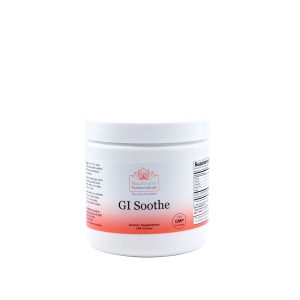
GI Soothe (Powder) 168 Grams
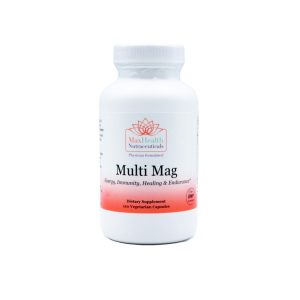
Multi Mag
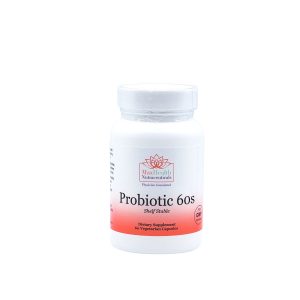
Probiotic 40 Billion CFU – 60s (shelf stable)

Omega Ultra TG
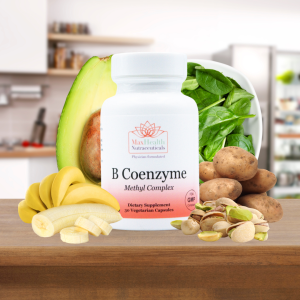
B Coenzyme Methyl Complex

Vitamin D3 5000 IU + K2 CAPSULES 100s
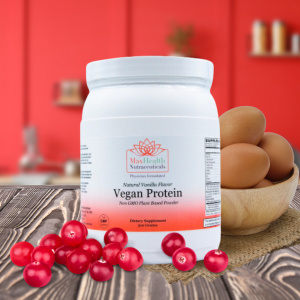
Vegan Protein Vanilla 510 Grams
Whey Protein Vanilla 12 oz
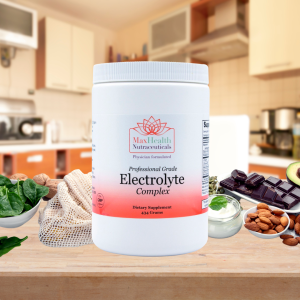
Electrolyte Complex 60s 394gms
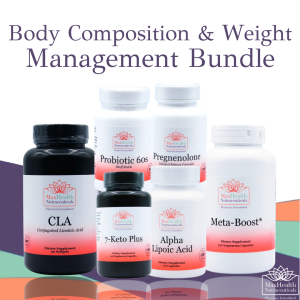
Body Composition & Weight Management Bundle
Disclosure: This post contains affiliate links. If you purchase through these links, we may earn a small commission at no extra cost to you. Learn more.
About the Author
Dr. Nicolle is a double board-certified physician in Family Medicine and Preventive Medicine, with certifications in Functional Medicine and Lifestyle Medicine. She helps busy professionals over 40 optimize their health through root-cause approaches to cardiovascular, hormonal, and metabolic health.
Learn more about Dr. Nicolle →Explore Related Topics
Dive deeper into these connected health areas
Hormone Health
Hormones are the chemical messengers that regulate virtually every process in your body — from metab…
Explore 🦠Gut Health
Your gut is far more than a digestive organ — it's home to 70% of your immune system, produces key n…
Explore 🌸Women's Health
Women's health encompasses a complex interplay of hormonal cycles, reproductive biology, and unique …
Explore 🧠Mental Health
Mental health is deeply interconnected with hormonal balance, gut health, blood sugar regulation, an…
Explore 📖Skin & Hair Health
Your skin and hair are windows into your internal health. Chronic acne, eczema, psoriasis, and hair …
ExploreReady to Address Your Health Concerns?
Book a Discovery Offer consultation to discuss how our functional medicine approach can help you achieve your health goals.
Book Your Discovery Offer