Dopamine, Motivation & Focus: Optimize Brain Chemistry

- Dopamine is about motivation and wanting, not pleasure — its depletion causes apathy and procrastination, not sadness
- Cold water immersion (50–59°F) increases dopamine 250–300% without the crash that follows artificial stimulation
- 50% of your body's dopamine is produced in the gut — gut health IS brain health
- One night of sleep deprivation reduces dopamine receptor availability by 20% — you cannot outwork a depleted system
A 42-year-old marketing director told me she felt like she was "running on fumes." Not depressed, exactly — more like the spark was gone. Things that used to excite her felt flat. She'd scroll her phone for an hour, unable to start the creative projects she genuinely wanted to do. Her PCP had suggested an SSRI. Her therapist thought it might be burnout. When I dug into her lifestyle, the picture was textbook dopamine dysregulation: constant phone notifications, poor sleep, no exercise, high sugar intake, and a work pattern of deadline-driven stress followed by crash recovery. Her dopamine system wasn't broken — it was exhausted.
I see this pattern in practice far more than clinical depression. It's the modern epidemic of chronic low-grade dopamine depletion, driven by a world designed to exploit your reward circuitry. Understanding how dopamine actually works — and what depletes it — is the first step toward reclaiming your motivation.
What Dopamine Actually Does (It's Not the "Pleasure Chemical")
The popular narrative that dopamine equals pleasure is fundamentally wrong. Dopamine is primarily about *wanting*, *motivation*, and *anticipation* — not the experience of pleasure itself (1). It's the neurochemical that drives you to pursue goals, initiate action, and sustain effort toward rewards.
Dopamine operates on a tonic (baseline) and phasic (spike) system. High tonic dopamine = good baseline mood, motivation, focus. Phasic spikes occur with novel, rewarding experiences. The problem? Constant artificial dopamine spikes (phone, sugar, social media) elevate baseline temporarily, then crash it *below* your original level — a phenomenon called the "opponent process."
When your dopamine system is functioning well, you:
- Feel motivated to start tasks (not just finish them)
- Experience satisfaction from accomplishing goals
- Can delay gratification for larger rewards
- Have sustained attention and focus
- Feel anticipation and excitement about the future
When it's depleted or dysregulated:
- Procrastination becomes default (the reward doesn't feel worth the effort)
- You need bigger, more immediate rewards to feel anything
- Concentration is fragmented
- You feel flat, apathetic, or "meh" — not necessarily sad
- Brain fog is persistent
What Depletes Dopamine
1. Chronic Digital Stimulation
Every notification, like, scroll, and click triggers a small dopamine release. The problem isn't any single hit — it's the volume. Hundreds of micro-doses daily desensitize dopamine receptors (D2 receptor downregulation), meaning you need more stimulation to feel the same reward. This is the same mechanism behind substance addiction, just at a lower intensity.
2. Sugar and Ultra-Processed Food
Highly palatable food (sugar, refined carbohydrates, artificial flavors) triggers dopamine release comparable to some recreational drugs. The reward circuits adapt, and whole foods become neurochemically "boring." This directly connects to emotional eating patterns.
3. Chronic Stress
Cortisol and dopamine have an inverse relationship. Chronic HPA axis activation depletes dopamine precursors (tyrosine gets shunted toward cortisol production) and damages dopamine neurons in the ventral tegmental area. Chronic stress doesn't just make you tired — it chemically impairs your ability to feel motivated.
4. Sleep Deprivation
A single night of sleep deprivation reduces D2 receptor availability in the striatum by 20% (2). Chronic sleep restriction compounds this effect, creating progressive dopamine depletion. This is why "just push through" with caffeine and willpower eventually fails.
5. Nutrient Deficiencies
Dopamine synthesis requires a specific biochemical pathway:
L-Phenylalanine → L-Tyrosine → L-DOPA → Dopamine
Each conversion step requires cofactors:
- Tyrosine hydroxylase requires iron, B6, and BH4 (tetrahydrobiopterin)
- DOPA decarboxylase requires B6 and zinc
- Vitamin D regulates tyrosine hydroxylase gene expression
- Magnesium modulates dopamine receptor sensitivity
6. Gut Dysfunction
Approximately 50% of your body's dopamine is produced in the gut. Gut dysbiosis, SIBO, and intestinal inflammation impair this production. The gut-brain axis is a dopamine axis.
Evidence-Based Dopamine Optimization
1. Morning Sunlight Protocol
Bright light exposure within 30–60 minutes of waking increases dopamine receptor sensitivity and supports circadian cortisol rhythm. The photoreceptors in your retina signal directly to the ventral tegmental area (a key dopamine-producing region). Aim for 10–30 minutes of outdoor light exposure — no sunglasses.
2. Cold Exposure
Cold water immersion (50–59°F for 1–5 minutes) increases dopamine by 250–300% — and the elevation lasts 2–3 hours with a gradual, sustained return to baseline rather than a crash (3). This is one of the most robust acute dopamine interventions available and doesn't cause receptor downregulation because the dopamine rise is gradual and sustained.
3. Exercise
Exercise is a potent dopamine modulator:
- Resistance training increases D2 receptor density
- Aerobic exercise increases BDNF and dopamine turnover
- Zone 2 cardio (conversational pace, 30–60 min) optimizes the dose-response curve
- Excessive exhaustive exercise can temporarily *decrease* dopamine
4. Dopamine Fasting (Strategic Understimulation)
Not mystical — just neurochemistry. Periodically removing artificial dopamine sources allows receptor sensitivity to reset:
- One day per week with minimal phone, social media, and screens
- 30-day challenges reducing a specific source (sugar, social media, alcohol)
- Boring-task practice: do a mundane task without background stimulation to rebuild tolerance for effort without immediate reward
5. Nutritional Support
| Nutrient | Dose | Mechanism |
|---|---|---|
| L-Tyrosine | 500–2,000 mg (morning, empty stomach) | Dopamine precursor |
| Mucuna pruriens | 100–200 mg (standardized to L-DOPA) | Contains direct dopamine precursor |
| Omega-3 DHA | 1,000–2,000 mg/day | Supports D2 receptor function |
| Vitamin D | Dose to 40–60 ng/mL | Regulates tyrosine hydroxylase |
| Magnesium L-threonate | 2,000 mg/day | Crosses BBB, modulates receptor sensitivity |
| Iron | Only if deficient (ferritin <50) | Essential cofactor for tyrosine hydroxylase |
| B6 (P5P form) | 25–50 mg/day | Required for dopamine synthesis |
Mucuna pruriens contains L-DOPA, the direct precursor to dopamine. It's effective but should not be used long-term at high doses or combined with MAO inhibitors, dopaminergic medications, or L-DOPA prescriptions. Start low and use cyclically (5 days on, 2 days off) rather than continuously.
6. Reward Scheduling
Structure your day to leverage dopamine's anticipatory nature:
- Complete challenging tasks *before* checking email/social media (use reward-worthy dopamine spikes for effort, not scrolling)
- Celebrate completion of effortful tasks with brief, healthy rewards
- Avoid "pre-rewarding" (getting the dopamine hit before doing the work)
- Stack habits: pair a challenging behavior with something mildly enjoyable
7. Gut Health Optimization
Since 50% of dopamine is produced in the gut, gut restoration is dopamine restoration:
- Probiotics (Lactobacillus and Bifidobacterium strains)
- Remove inflammatory foods
- Address SIBO or dysbiosis
- Support the gut lining
Dopamine depletion isn't a character flaw — it's a neurochemical state created by modern lifestyle patterns. You can't willpower your way out of a depleted dopamine system. Address the root causes (overstimulation, sleep deprivation, nutrient deficiencies, gut dysfunction, chronic stress), and motivation follows naturally.
References
- Berridge KC, Robinson TE. Parsing reward. Trends Neurosci. 2003;26(9):507-513. https://doi.org/10.1016/S0166-2236(03)00233-9
- Volkow ND, et al. Evidence that sleep deprivation downregulates dopamine D2R in ventral striatum. J Neurosci. 2012;32(19):6711-6717. https://doi.org/10.1523/JNEUROSCI.0045-12.2012
- Šrámek P, et al. Human physiological responses to immersion into water of different temperatures. Eur J Appl Physiol. 2000;81(5):436-442. https://doi.org/10.1007/s004210050065
Supplements for Mental Wellness
Clinical-grade picks for this topic
Affiliate disclosure: The product links below are affiliate links — we may earn a commission at no extra cost to you. Recommendations are based on clinical use, not commissions. Learn more.
Frequently Asked Questions
Common questions about dopamine, motivation & focus: optimize brain chemistry
Recommended Supplements
Professional-grade supplements from my MaxHealth Nutraceuticals line — the same formulas I use in clinical practice.

TheraFrost Cold Plunge

SMART Resistance Training Bundle
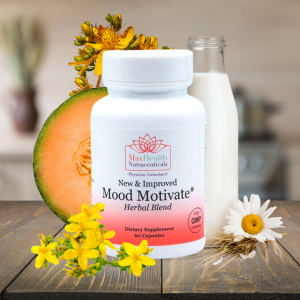
Mood Motivate 60s
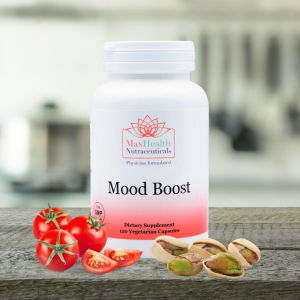
Mood Boost 120s
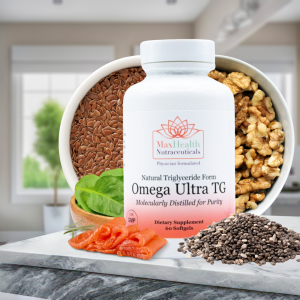
Omega Ultra TG
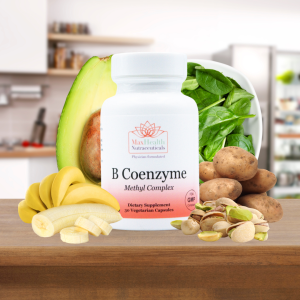
B Coenzyme Methyl Complex
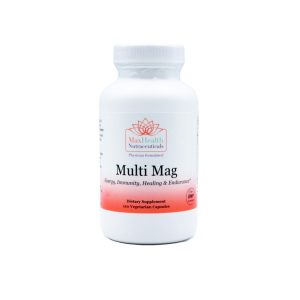
Multi Mag
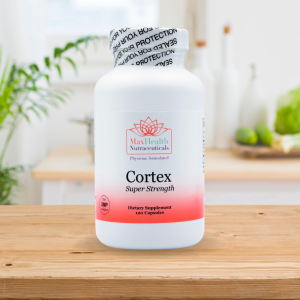
Cortex Super Strength 120s
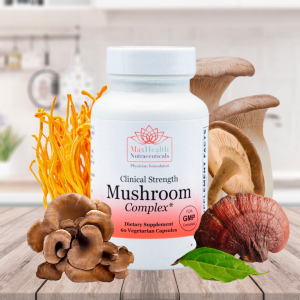
Mushroom Complex 60s
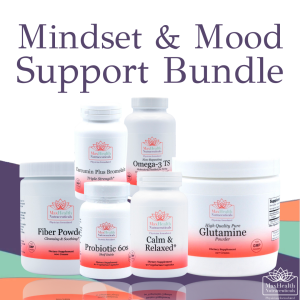
Mindset & Mood Support Bundle
Disclosure: This post contains affiliate links. If you purchase through these links, we may earn a small commission at no extra cost to you. Learn more.
About the Author
Dr. Nicolle is a double board-certified physician in Family Medicine and Preventive Medicine, with certifications in Functional Medicine and Lifestyle Medicine. She helps busy professionals over 40 optimize their health through root-cause approaches to cardiovascular, hormonal, and metabolic health.
Learn more about Dr. Nicolle →Explore Related Topics
Dive deeper into these connected health areas
Hormone Health
Hormones are the chemical messengers that regulate virtually every process in your body — from metab…
Explore 🦠Gut Health
Your gut is far more than a digestive organ — it's home to 70% of your immune system, produces key n…
Explore ❤️Metabolic Health
Metabolic health sits at the intersection of blood sugar regulation, cardiovascular function, body c…
Explore 🌸Women's Health
Women's health encompasses a complex interplay of hormonal cycles, reproductive biology, and unique …
Explore 💪Men's Health
Men's health involves a unique interplay of hormonal balance, cardiovascular resilience, metabolic e…
Explore 📖Skin & Hair Health
Your skin and hair are windows into your internal health. Chronic acne, eczema, psoriasis, and hair …
ExploreReady to Address Your Health Concerns?
Book a Discovery Offer consultation to discuss how our functional medicine approach can help you achieve your health goals.
Book Your Discovery Offer