Anti-Aging Skincare From the Inside Out

- Up to 80% of visible facial aging is from UV exposure — daily SPF is the single most impactful topical intervention
- Glycation from insulin resistance stiffens and destroys collagen — blood sugar control is an anti-aging strategy
- Women lose ~30% of skin collagen in the first 5 years after menopause due to estrogen decline
- Collagen peptides (10–15 g/day) and astaxanthin (4–12 mg/day) have RCT-level evidence for improving skin elasticity and hydration
A 47-year-old corporate attorney spent $400/month on serums, retinols, and professional facials. Her skin still looked dull, was thinning noticeably, and she was developing crepey texture under her eyes. "I've tried everything," she told me. When I looked at her labs, her vitamin D was 19 ng/mL, her fasting insulin was 14 (driving glycation), her omega-3 index was 3.2% (profoundly low), and her cortisol pattern showed chronic elevation. She was treating her skin from the outside while the inside was accelerating the aging process.
I see this disconnect constantly in practice. The skincare industry is worth $190 billion, and most of it addresses the surface. Functional medicine asks: what's driving skin aging at the cellular level? The answer is almost always metabolic, hormonal, and inflammatory — and topical products can't fix those.
The Biology of Skin Aging
Skin aging occurs through two parallel processes:
Intrinsic aging (chronological): Gradual decline in collagen production (~1% per year after age 30), reduced elastin, slower cell turnover, decreased hyaluronic acid production, and mitochondrial dysfunction.
Extrinsic aging (environmental): UV radiation, pollution, smoking, poor nutrition, chronic stress, and metabolic dysfunction accelerate the intrinsic process dramatically. Up to 80% of visible facial aging is attributable to UV exposure alone (1).
After menopause, women lose approximately 30% of their skin collagen in the first 5 years due to estrogen decline. This is why perimenopause and menopause are inflection points for skin aging — and why hormonal optimization matters as much as skincare.
The Internal Drivers of Skin Aging
1. Glycation (Blood Sugar Damage)
When blood sugar is chronically elevated, glucose molecules bind to collagen and elastin fibers through a process called glycation, forming Advanced Glycation End Products (AGEs). AGEs cross-link collagen, making it stiff, brittle, and unable to maintain skin elasticity (2).
Insulin resistance is one of the most potent — and most overlooked — drivers of skin aging. Patients with well-controlled blood sugar consistently look younger than their chronological age. This isn't vanity — it's biochemistry.
2. Chronic Inflammation
Chronic low-grade inflammation ("inflammaging") activates matrix metalloproteinases (MMPs) — enzymes that literally digest collagen. The same inflammatory cascade driving heart disease and neurodegeneration is degrading your skin from within.
Inflammatory drivers: gut dysbiosis, food sensitivities, seed oils (high omega-6), environmental toxins, chronic stress, poor sleep.
3. Hormonal Decline
- Estrogen: Drives collagen synthesis, hyaluronic acid production, skin thickness, and moisture retention. Decline during perimenopause accelerates skin aging dramatically.
- Testosterone: Supports sebum production and skin thickness in both sexes.
- DHEA: The "youth hormone" — supports skin hydration and collagen. Levels peak at 25 and decline steadily.
- Thyroid hormones: Hypothyroidism causes dry, thick, coarse skin and slowed wound healing.
- Growth hormone: Decline with age reduces skin cell regeneration.
4. Oxidative Stress
Free radical damage to skin cells accelerates every aspect of aging. The skin is the body's first line of defense against environmental oxidants (UV, pollution, ozone), making it the organ most exposed to oxidative stress.
5. The Gut-Skin Axis
Gut inflammation manifests on the skin. Leaky gut allows endotoxins (LPS) into the bloodstream, triggering systemic inflammation that shows up as accelerated aging, dullness, eczema, acne, and rosacea.
The Inside-Out Anti-Aging Protocol
Nutrition for Skin Youth
Collagen-supportive foods:
- Bone broth (type I and III collagen peptides)
- Vitamin C–rich foods (bell peppers, citrus, kiwi) — essential cofactor for collagen synthesis
- Glycine-rich foods (gelatin, bone broth, poultry skin)
- Sulfur-rich foods (eggs, cruciferous vegetables, garlic) — supports keratin and collagen cross-linking
Anti-glycation strategies:
- Maintain fasting blood sugar <90 mg/dL
- Limit refined sugars and processed carbohydrates
- Cook at lower temperatures (high-heat cooking creates dietary AGEs)
- Spices like cinnamon, turmeric, and cloves inhibit AGE formation
Antioxidant-rich foods:
- Berries (anthocyanins)
- Green tea (EGCG — one of the most potent skin-protective polyphenols)
- Dark chocolate (70%+, flavanols)
- Colorful vegetables (carotenoids — beta-carotene, lycopene, astaxanthin)
- Omega-3 fatty acids (EPA reduces UV-induced inflammation)
Targeted Supplementation
| Supplement | Dose | Evidence |
|---|---|---|
| Collagen peptides | 10–15 g/day | Multiple RCTs show improved skin elasticity, hydration, and wrinkle depth |
| Vitamin C | 500–1,000 mg/day | Essential cofactor for collagen synthesis |
| Astaxanthin | 4–12 mg/day | Potent antioxidant; RCTs show improved skin elasticity and reduced wrinkles |
| Hyaluronic acid (oral) | 120–240 mg/day | RCTs demonstrate improved skin hydration |
| Omega-3 (EPA-dominant) | 2,000 mg/day | Reduces UV-induced inflammation and supports barrier function |
| CoQ10 (ubiquinol) | 100–200 mg/day | Mitochondrial support for cellular energy |
| Vitamin D | Dose to 40–60 ng/mL | Supports skin cell differentiation and immune regulation |
| Zinc | 15–30 mg/day | Supports skin repair and immune defense |
The most effective anti-aging strategy combines internal optimization (metabolic health, anti-inflammatory nutrition, hormonal balance, gut health, targeted supplementation) with smart topical care (SPF, retinoid, vitamin C serum, gentle cleansing). Neither alone is sufficient. The skin reflects what's happening internally — if your metabolic health is poor, no serum will compensate.
Topical Essentials (The Short List)
I keep topical recommendations simple because the internal work does the heavy lifting:
1. SPF 30–50 daily (mineral preferred — zinc oxide/titanium dioxide)
2. Retinoid (tretinoin or retinaldehyde) — the most evidence-based topical anti-aging ingredient
3. Vitamin C serum (L-ascorbic acid, 10–20%) — antioxidant protection + collagen support
4. Gentle cleanser — avoid stripping the acid mantle
5. Moisturizer with ceramides — barrier repair
Lifestyle Factors
- Sleep: Growth hormone release during deep sleep is when skin repair happens. Chronic sleep deprivation increases cortisol (collagen-destroying) and reduces GH (collagen-building).
- Stress management: Cortisol activates MMPs and breaks down collagen. Meditative practices reduce cortisol and measurably improve skin parameters.
- Exercise: Improves circulation, delivers nutrients to skin, and increases BDNF. Regular exercisers have thinner stratum corneum and thicker dermis compared to sedentary controls — literally younger-looking skin structure (3).
References
- Flament F, et al. Effect of the sun on visible clinical signs of aging in Caucasian skin. Clin Cosmet Investig Dermatol. 2013;6:221-232. https://doi.org/10.2147/CCID.S44686
- Gkogkolou P, Böhm M. Advanced glycation end products: key players in skin aging? Dermatoendocrinol. 2012;4(3):259-270. https://doi.org/10.4161/derm.22028
- Crane JD, et al. Exercise-stimulated interleukin-15 is controlled by AMPK and regulates skin metabolism and aging. Aging Cell. 2015;14(4):625-634. https://doi.org/10.1111/acel.12341
Recommended Supplements
Clinical-grade picks for this topic
Affiliate disclosure: The product links below are affiliate links — we may earn a commission at no extra cost to you. Recommendations are based on clinical use, not commissions. Learn more.
Frequently Asked Questions
Common questions about anti-aging skincare from the inside out
Recommended Supplements
Professional-grade supplements from my MaxHealth Nutraceuticals line — the same formulas I use in clinical practice.

Red Light Face Mask

Thera360 PLUS Portable Sauna

Austin Air HealthMate Plus®
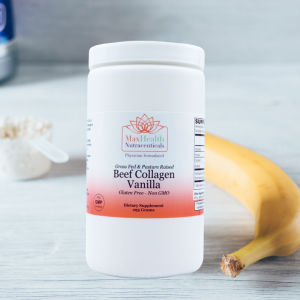
Beef Collagen Vanilla
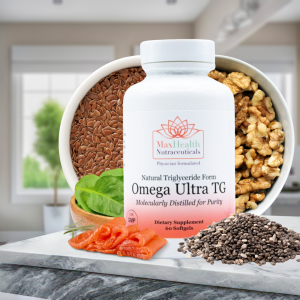
Omega Ultra TG
NAC 90s
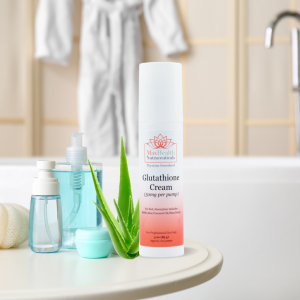
Glutathione Cream 50mg 3oz
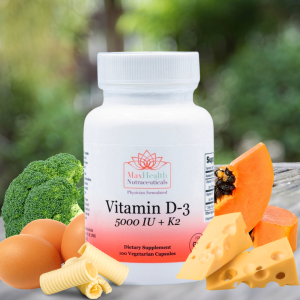
Vitamin D3 5000 IU + K2 CAPSULES 100s
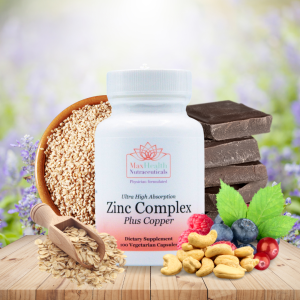
Zinc Complex Plus Copper
Probiotic 40 Billion CFU – 60s (shelf stable)
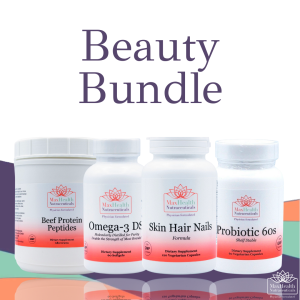
Beauty Bundle
Disclosure: This post contains affiliate links. If you purchase through these links, we may earn a small commission at no extra cost to you. Learn more.
About the Author
Dr. Nicolle is a double board-certified physician in Family Medicine and Preventive Medicine, with certifications in Functional Medicine and Lifestyle Medicine. She helps busy professionals over 40 optimize their health through root-cause approaches to cardiovascular, hormonal, and metabolic health.
Learn more about Dr. Nicolle →Explore Related Topics
Dive deeper into these connected health areas
Hormone Health
Hormones are the chemical messengers that regulate virtually every process in your body — from metab…
Explore 🦠Gut Health
Your gut is far more than a digestive organ — it's home to 70% of your immune system, produces key n…
Explore ❤️Metabolic Health
Metabolic health sits at the intersection of blood sugar regulation, cardiovascular function, body c…
Explore 💪Men's Health
Men's health involves a unique interplay of hormonal balance, cardiovascular resilience, metabolic e…
Explore 🧠Mental Health
Mental health is deeply interconnected with hormonal balance, gut health, blood sugar regulation, an…
ExploreReady to Address Your Health Concerns?
Book a Discovery Offer consultation to discuss how our functional medicine approach can help you achieve your health goals.
Book Your Discovery Offer