Erectile Dysfunction: Root Causes Beyond Medication

- ED precedes cardiovascular events by 3–5 years — it's often the earliest sign of vascular disease
- The #1 root cause is endothelial dysfunction from insulin resistance and chronic inflammation, not low testosterone alone
- Every man with ED should get fasting insulin, advanced lipids, hs-CRP, hormones, and ideally a coronary calcium score
- L-citrulline (3–6 g/day), pelvic floor exercises, weight loss, and sleep apnea treatment are evidence-based non-pharmaceutical interventions
A 51-year-old financial advisor sat across from me, visibly uncomfortable. "I didn't think I'd be talking to a doctor about this," he said. His PCP had prescribed sildenafil, which worked — sort of. But he wanted to know *why* this was happening. His wife had Googled "erectile dysfunction functional medicine" and insisted he get a deeper workup. She may have saved his life.
His fasting insulin was 24 (severely elevated). His coronary artery calcium score came back at 187. His free testosterone was in the gutter. He had early-stage cardiovascular disease that nobody had caught because nobody had looked beyond the symptom.
I'll be honest — ED is one of the most clinically important symptoms in men's health, and it's dramatically under-investigated. It's not a Viagra deficiency. In most cases, it's a vascular and metabolic problem that happens to manifest in the penis first because penile arteries are 1–2 mm in diameter — much smaller than coronary arteries (3–4 mm). They clog first (1).
ED as a Cardiovascular Warning Sign
This is the single most important concept in this article: erectile dysfunction precedes cardiovascular events by an average of 3–5 years. A meta-analysis in the *Journal of the American College of Cardiology* found that men with ED have a 44% higher risk of cardiovascular events, a 62% higher risk of myocardial infarction, and a 39% higher risk of stroke (2).
ED in a man under 60 with no obvious psychological cause should be treated as a cardiovascular risk marker until proven otherwise. The penile arteries are the "canary in the coal mine" for systemic vascular disease.
The Root Causes of Erectile Dysfunction
1. Vascular Dysfunction (The Most Common Cause)
Endothelial dysfunction — damage to the inner lining of blood vessels — reduces nitric oxide production, which is essential for penile erection. The same process that drives atherosclerosis drives ED:
- Insulin resistance damages endothelial cells
- Chronic inflammation impairs nitric oxide synthase
- Oxidative stress reduces nitric oxide bioavailability
- Hypertension causes vascular remodeling
2. Hormonal Imbalances
Low testosterone contributes to ED but is rarely the sole cause. The hormonal picture is often more nuanced:
- Total and free testosterone decline ~1–2% annually after age 30
- Elevated estradiol (often from aromatase activity in visceral fat) impairs libido and function
- Cortisol excess suppresses the HPG axis
- Thyroid dysfunction (both hypo and hyper) affects sexual function
3. Neurological Factors
The erection reflex requires intact nerve pathways from the brain through the spinal cord to the pelvic floor. Conditions that damage peripheral nerves include:
- Diabetes (the most common cause of neurogenic ED)
- Alcoholism
- Pelvic surgery or radiation
- Multiple sclerosis
- B12 deficiency
4. Psychological and Autonomic Factors
Performance anxiety, relationship stress, depression, and chronic stress activate the sympathetic nervous system — which is the physiological opposite of what an erection requires (parasympathetic activation). This creates a vicious cycle where anxiety about ED causes more ED.
5. Medications
Many common medications cause or worsen ED:
- SSRIs and SNRIs (antidepressants)
- Beta-blockers (especially older non-selective types)
- Thiazide diuretics
- Finasteride (for hair loss or prostate)
- Statins (some men experience this; switching types can help)
- Opioids
- Antihistamines
6. Sleep Disorders
Sleep optimization is critical for erectile function. Sleep deprivation reduces testosterone production by 10–15% and impairs endothelial function. Sleep apnea — present in up to 69% of men with ED — causes nocturnal oxygen desaturation that directly damages vascular tissue (3).
The Functional Medicine Workup
Beyond the standard ED workup, here's what I evaluate:
| Test | Clinical Significance |
|---|---|
| Fasting insulin + HOMA-IR | Metabolic dysfunction / insulin resistance |
| Advanced lipid panel (NMR or ion mobility) | LDL particle count and size |
| hs-CRP, homocysteine | Vascular inflammation |
| Total & free testosterone, SHBG, estradiol | Hormonal picture |
| Full thyroid panel | Thyroid contribution |
| HbA1c, fasting glucose | Diabetes screening |
| Coronary artery calcium score | Subclinical atherosclerosis |
| DHEA-S | Adrenal reserve |
| Prolactin | Pituitary contribution |
| Sleep study | Sleep apnea screening |
| RBC Magnesium | Vascular smooth muscle function |
Integrative Treatment Strategies
1. Address Metabolic Dysfunction
Since vascular disease is the #1 cause of ED, addressing metabolic health is foundational:
- Reduce refined carbohydrates and processed foods
- Implement intermittent fasting if metabolically appropriate
- Target weight loss — losing 5–10% of body weight can significantly improve erectile function
- Exercise — both resistance training and cardiovascular exercise improve endothelial function and testosterone
2. Optimize Nitric Oxide Production
- L-citrulline: 3–6 g daily (converts to L-arginine in the kidneys, bypassing first-pass metabolism)
- Beetroot juice: Rich in dietary nitrates that convert to nitric oxide
- Dark chocolate (85%+ cacao): Contains flavanols that stimulate nitric oxide synthase
- Leafy greens: Spinach, arugula, and kale are concentrated sources of dietary nitrates
3. Hormone Optimization
Testosterone optimization through lifestyle first:
- Resistance training (compound movements: squats, deadlifts, presses)
- Sleep optimization (7–9 hours, treat sleep apnea)
- Stress management (cortisol reduction)
- Vitamin D and zinc optimization
- Minimize endocrine disruptors
- TRT (testosterone replacement therapy) when lifestyle optimization is insufficient and levels are truly low
4. Pelvic Floor Rehabilitation
Pelvic floor physical therapy and Kegel exercises have been shown to improve erectile function in randomized trials. A study in *BJU International* found that 40% of men with ED regained normal function after 3 months of pelvic floor exercises (4).
Erectile dysfunction is a vascular, metabolic, and hormonal problem — not just a "plumbing" issue. Treating the root causes (insulin resistance, inflammation, low testosterone, sleep apnea, endothelial dysfunction) not only improves sexual function but dramatically reduces cardiovascular risk. Every man with ED deserves a comprehensive metabolic and vascular workup.
References
- Montorsi P, et al. Association between erectile dysfunction and coronary artery disease. Eur Urol. 2006;49(2):243-250. https://doi.org/10.1016/j.eururo.2005.12.002
- Vlachopoulos CV, et al. Prediction of cardiovascular events and all-cause mortality with erectile dysfunction: a meta-analysis. J Am Coll Cardiol. 2013;62(21):1969-1976. https://doi.org/10.1016/j.jacc.2013.08.1020
- Budweiser S, et al. Sleep apnea and erectile dysfunction. Sleep Med Rev. 2009;13(6):403-410. https://doi.org/10.1016/j.smrv.2009.01.002
- Dorey G, et al. Pelvic floor exercises for erectile dysfunction. BJU Int. 2005;96(4):595-597. https://doi.org/10.1111/j.1464-410X.2005.05690.x
Supplements for Men's Health
Clinical-grade picks for this topic

TheraFrost Cold Plunge
$4,988.00

Thera360 PLUS Portable Sauna
$1,428.00

Inner Balance™ Coherence Plus
$249.00
Affiliate disclosure: The product links below are affiliate links — we may earn a commission at no extra cost to you. Recommendations are based on clinical use, not commissions. Learn more.
Frequently Asked Questions
Common questions about erectile dysfunction: root causes beyond medication
Recommended Supplements
Professional-grade supplements from my MaxHealth Nutraceuticals line — the same formulas I use in clinical practice.
TheraFrost Cold Plunge
Thera360 PLUS Portable Sauna
Inner Balance™ Coherence Plus

SMART Resistance Training Bundle
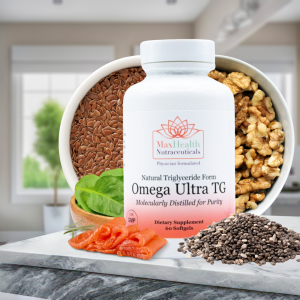
Omega Ultra TG
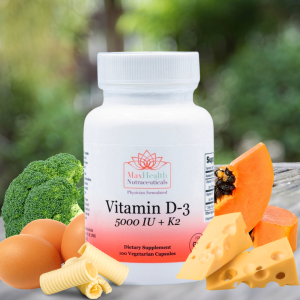
Vitamin D3 5000 IU + K2 CAPSULES 100s
Multi Mag
CoQ10

Nitric Supreme Cardiovascular Support
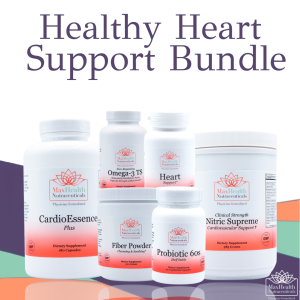
Healthy Heart Bundle
Disclosure: This post contains affiliate links. If you purchase through these links, we may earn a small commission at no extra cost to you. Learn more.
About the Author
Dr. Nicolle is a double board-certified physician in Family Medicine and Preventive Medicine, with certifications in Functional Medicine and Lifestyle Medicine. She helps busy professionals over 40 optimize their health through root-cause approaches to cardiovascular, hormonal, and metabolic health.
Learn more about Dr. Nicolle →Explore Related Topics
Dive deeper into these connected health areas
Hormone Health
Hormones are the chemical messengers that regulate virtually every process in your body — from metab…
Explore 🦠Gut Health
Your gut is far more than a digestive organ — it's home to 70% of your immune system, produces key n…
Explore ❤️Metabolic Health
Metabolic health sits at the intersection of blood sugar regulation, cardiovascular function, body c…
Explore 🌸Women's Health
Women's health encompasses a complex interplay of hormonal cycles, reproductive biology, and unique …
Explore 🧠Mental Health
Mental health is deeply interconnected with hormonal balance, gut health, blood sugar regulation, an…
Explore 📖Skin & Hair Health
Your skin and hair are windows into your internal health. Chronic acne, eczema, psoriasis, and hair …
ExploreReady to Address Your Health Concerns?
Book a Discovery Offer consultation to discuss how our functional medicine approach can help you achieve your health goals.
Book Your Discovery Offer