Functional Nutrition: Using Food as Medicine for Chronic Disease

- Food is information — it activates or silences genes that drive disease or health
- Functional nutrition is personalized: what heals one person may inflame another
- Nutrient density, not calorie counting, is the foundation of a food-as-medicine approach
- Phytonutrients in colorful produce have drug-like effects on inflammation, detox, and gene expression
A 52-year-old teacher came to me after her third cardiologist appointment in two years. She'd been told to "eat less fat and exercise more," given a statin prescription, and sent home. Her LDL was 162, her triglycerides were 245, and her fasting glucose had crept to 108. She'd been following a low-fat diet for fifteen years. She was doing everything right, according to the conventional playbook, and getting worse.
When I reviewed her typical day of eating, the problem was obvious. Her "heart-healthy" diet was built on whole wheat bread, orange juice, granola bars, pasta, and fat-free yogurt. She was essentially mainlining sugar and refined carbohydrates while avoiding the dietary fats that would have kept her blood sugar stable. Her diet was fueling the very inflammation and insulin resistance her doctors were trying to treat.
This is the gap between conventional dietary advice and functional nutrition, and it's a gap that's costing people their health.
What Functional Nutrition Actually Means
Conventional nutrition focuses on macronutrient ratios, calorie counting, and broad guidelines that apply to theoretical average people. "Eat less saturated fat." "Get 45-65% of calories from carbohydrates." "Choose low-fat dairy."
Functional nutrition takes a fundamentally different approach. It treats food as biochemical information that interacts with your unique genetic makeup, your gut microbiome, your current health status, and your environmental exposures. The same food can be medicine for one person and a trigger for another.
Three core principles distinguish functional nutrition from standard dietary advice.
Bioindividuality
Your optimal diet depends on your genetics, your current metabolic status, your gut health, your hormonal profile, and even your ancestry. A person with the MTHFR variant needs different B-vitamin sources than someone without it. Someone with active Hashimoto's may need to limit cruciferous vegetables temporarily, even though those same vegetables are powerfully protective for someone with estrogen dominance.
This is why one-size-fits-all diet advice fails so consistently. The Mediterranean diet is excellent for many people, but if you have histamine intolerance, the fermented foods and aged cheeses it emphasizes will make you miserable.
Food Quality Over Quantity
Calories matter, but the quality of those calories matters more for chronic disease. A hundred calories of wild salmon provides omega-3 fatty acids that reduce inflammation, support brain function, and improve cardiovascular markers. A hundred calories of refined crackers spikes blood sugar, promotes insulin resistance, and provides zero micronutrient value.
Functional nutrition prioritizes nutrient density, which means selecting foods that deliver the highest concentration of vitamins, minerals, phytonutrients, and beneficial compounds per calorie. Organ meats, wild-caught fatty fish, dark leafy greens, berries, and pastured eggs consistently rank among the most nutrient-dense foods available.
Food is biochemical information, not just calories. The same 100 calories of wild salmon versus refined crackers trigger completely different gene expression, inflammatory signaling, and hormonal responses. Nutrient density per calorie — not calorie count — determines your metabolic trajectory.
The Gut Connection
Everything you eat passes through your digestive system, where trillions of microorganisms metabolize it into compounds that either support or undermine your health. The fiber from a sweet potato feeds beneficial Bifidobacteria that produce short-chain fatty acids. Those fatty acids strengthen the gut barrier, reduce inflammation, and improve insulin sensitivity. The artificial sweetener in a diet soda, by contrast, disrupts microbial composition in ways that paradoxically increase blood sugar dysregulation (1).
The Foundations of a Functional Nutrition Approach
Anti-Inflammatory Eating
Chronic inflammation underlies virtually every modern disease, from heart disease to autoimmune conditions to cognitive decline. An anti-inflammatory diet isn't a specific meal plan. It's a framework built on whole, unprocessed foods that reduce inflammatory signaling while supporting repair.
The strongest evidence supports eating abundant colorful vegetables (aim for 8-10 servings daily), wild-caught fatty fish (2-3 servings weekly for omega-3s), healthy fats from olive oil, avocados, and nuts, and moderate amounts of quality protein from pastured or grass-fed sources. Simultaneously, minimizing refined seed oils (canola, soybean, corn oil), added sugars, ultra-processed foods, and excess alcohol reduces the dietary drivers of inflammation.
| Category | Pro-Inflammatory (Minimize) | Anti-Inflammatory (Emphasize) |
|---|---|---|
| Fats & Oils | Canola, soybean, corn oil; trans fats | Extra-virgin olive oil, avocado oil, omega-3s |
| Protein | Processed meats, factory-farmed animals | Wild-caught fish, pasture-raised eggs & poultry |
| Carbohydrates | Refined flour, white sugar, packaged snacks | Sweet potatoes, berries, legumes, whole grains |
| Dairy | Conventional dairy, processed cheese | Grass-fed ghee, fermented yogurt/kefir |
| Beverages | Soda, excessive alcohol, sugary juices | Green tea, bone broth, filtered water |
| Spices & Herbs | Artificial flavors, MSG, excess sodium | Turmeric, ginger, rosemary, garlic |
Blood Sugar Stability
Blood sugar dysregulation is the metabolic issue I see most frequently, and it responds more reliably to dietary intervention than almost anything else. The functional nutrition approach to blood sugar involves eating protein and fat with every meal, front-loading meals earlier in the day when insulin sensitivity is highest, choosing complex carbohydrates with fiber over refined sources, and timing carbohydrate intake around physical activity.
For patients with insulin resistance, I typically recommend starting with 25-40 grams of carbohydrate per meal (adjusted based on activity level and metabolic testing), always paired with protein and fat. This isn't a "low-carb diet" in the trendy sense. It's carbohydrate awareness calibrated to your metabolic capacity.
Micronutrient Optimization
Nutrient deficiencies are surprisingly common even in people who eat "well." Soil depletion, food processing, chronic stress, gut dysfunction, and certain medications all contribute to inadequate levels of critical nutrients.
The nutrients I test and optimize most frequently include magnesium (involved in over 300 enzymatic reactions, deficient in roughly 50% of Americans), vitamin D (a hormone precursor essential for immune regulation and bone health), omega-3 fatty acids (most Americans have an omega-6 to omega-3 ratio of 15:1 when it should be closer to 3:1), zinc (critical for immune function, thyroid conversion, and skin health), and B vitamins (especially B12, folate, and B6, which govern methylation, detoxification, and neurotransmitter production).
Detoxification Support Through Food
Your liver processes every toxin, hormone, and metabolic byproduct your body needs to eliminate. Functional nutrition supports these pathways through specific food choices.
Cruciferous vegetables (broccoli, cauliflower, Brussels sprouts, kale) provide sulforaphane and indole-3-carbinol, which upregulate phase II liver detoxification and promote healthy estrogen metabolism. Allium vegetables (garlic, onions, leeks) provide sulfur compounds that support glutathione production. Beets provide betaine for methylation. Citrus provides limonene that supports both phase I and phase II pathways.
Functional Nutrition for Specific Conditions
Thyroid Health
Thyroid function depends on specific nutrients: iodine (from seaweed and seafood), selenium (Brazil nuts, sardines), zinc, and iron. At the same time, excess soy isoflavones and, in some cases, raw cruciferous vegetables can interfere with thyroid hormone production. The functional nutrition approach ensures adequate intake of thyroid-supporting nutrients while moderating potential goitrogens.
Hormonal Balance
For women navigating perimenopause or estrogen dominance, specific foods can meaningfully shift hormone metabolism. Ground flaxseed (2 tablespoons daily) provides lignans that modulate estrogen receptor activity. Seed cycling, alternating pumpkin/flax seeds in the follicular phase with sunflower/sesame seeds in the luteal phase, provides targeted nutritional support for hormonal transitions.
For men concerned about testosterone optimization, adequate zinc, vitamin D, and healthy fat intake are foundational. Cruciferous vegetables help clear excess estrogen, and limiting alcohol (which increases aromatase activity) protects testosterone levels.
Gut Repair
A functional nutrition approach to gut healing emphasizes bone broth (rich in collagen, glycine, and glutamine), soluble fiber from cooked vegetables, fermented foods in tolerated amounts, and temporary removal of common irritants (gluten, dairy, soy) during the healing phase. For patients with SIBO, a low-FODMAP phase may be necessary before reintroducing prebiotic-rich foods.
Getting Started
You don't need to overhaul your diet overnight. Start with these three changes.
Week 1: Add protein to breakfast. Whether it's eggs, a quality protein shake, or leftover salmon, getting 25-30 grams of protein in the morning stabilizes blood sugar for the entire day.
Week 2: Replace one refined seed oil with olive oil or avocado oil. Cook with avocado oil (high smoke point) and use extra virgin olive oil for dressings and finishing.
Week 3: Add 2-3 servings of colorful vegetables you don't currently eat. Diversity matters for the microbiome. Purple cabbage, beets, sweet potatoes, arugula, and different-colored bell peppers all provide unique phytonutrients.
Small, consistent changes compound into dramatic results. The teacher I mentioned at the beginning of this article? After four months of functional nutrition changes (adequate protein, healthy fats, reduced refined carbohydrates, targeted micronutrient support), her triglycerides dropped from 245 to 128, her fasting glucose normalized to 89, and her LDL particle size shifted from the dangerous small-dense pattern to the benign large-buoyant pattern. No statin needed.
Food is the most powerful medicine you interact with every day. The question isn't whether to use it therapeutically. It's whether you're using it well.
Want personalized guidance on how functional nutrition can address your specific health concerns? Book a Discovery Offer consultation or take our Wellness Quiz for tailored recommendations.
References
- Suez J, et al. Artificial sweeteners induce glucose intolerance by altering the gut microbiota. Nature. 2014;514(7521):181-186. https://doi.org/10.1038/nature13793
- Calder PC. Omega-3 fatty acids and inflammatory processes. Nutrients. 2010;2(3):355-374. https://doi.org/10.3390/nu2030355
- Bischoff-Ferrari HA, et al. Estimation of optimal serum concentrations of 25-hydroxyvitamin D for multiple health outcomes. American Journal of Clinical Nutrition. 2006;84(1):18-28. https://doi.org/10.1093/ajcn/84.1.18
- Minich DM, Brown BI. A review of dietary (phyto)nutrients for glutathione support. Nutrients. 2019;11(9):2073. https://doi.org/10.3390/nu11092073
Supplements for Functional Wellness
Clinical-grade picks for this topic

Austin Air HealthMate Plus®
$895.00
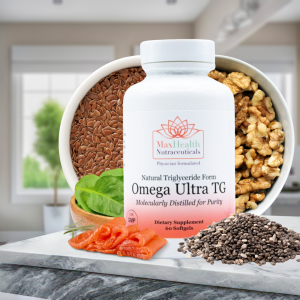
Omega Ultra TG
$58.00

Probiotic 40 Billion CFU – 60s (shelf stable)
$68.00
Affiliate disclosure: The product links below are affiliate links — we may earn a commission at no extra cost to you. Recommendations are based on clinical use, not commissions. Learn more.
Frequently Asked Questions
Common questions about functional nutrition: using food as medicine for chronic disease
Recommended Supplements
Professional-grade supplements from my MaxHealth Nutraceuticals line — the same formulas I use in clinical practice.
Austin Air HealthMate Plus®
Omega Ultra TG
Probiotic 40 Billion CFU – 60s (shelf stable)

Super Greens Caps 120s

Beef Collagen Vanilla

Vegan Protein Vanilla 510 Grams

Whey Protein Vanilla 12 oz

Beef Protein Peptides 280 Grams

MaxHealth Total Wellness Bundle
Disclosure: This post contains affiliate links. If you purchase through these links, we may earn a small commission at no extra cost to you. Learn more.
About the Author
Dr. Nicolle is a double board-certified physician in Family Medicine and Preventive Medicine, with certifications in Functional Medicine and Lifestyle Medicine. She helps busy professionals over 40 optimize their health through root-cause approaches to cardiovascular, hormonal, and metabolic health.
Learn more about Dr. Nicolle →Explore Related Topics
Dive deeper into these connected health areas
Hormone Health
Hormones are the chemical messengers that regulate virtually every process in your body — from metab…
Explore ❤️Metabolic Health
Metabolic health sits at the intersection of blood sugar regulation, cardiovascular function, body c…
Explore 🌸Women's Health
Women's health encompasses a complex interplay of hormonal cycles, reproductive biology, and unique …
Explore 💪Men's Health
Men's health involves a unique interplay of hormonal balance, cardiovascular resilience, metabolic e…
Explore 🧠Mental Health
Mental health is deeply interconnected with hormonal balance, gut health, blood sugar regulation, an…
Explore 📖Skin & Hair Health
Your skin and hair are windows into your internal health. Chronic acne, eczema, psoriasis, and hair …
ExploreReady to Address Your Health Concerns?
Book a Discovery Offer consultation to discuss how our functional medicine approach can help you achieve your health goals.
Book Your Discovery Offer