Fertility & Preconception: Optimizing Your Body Before Pregnancy

- The 90 days before conception are a critical window where nutrition, lifestyle, and environment directly shape egg quality, sperm quality, and your baby's epigenetic blueprint
- Insulin resistance is one of the most common yet overlooked barriers to fertility — it drives PCOS, impairs ovulation, reduces implantation success, and increases miscarriage risk 2-3x
- CoQ10 (ubiquinol), methylfolate, vitamin D, omega-3s, and adequate iron are the most evidence-backed supplements for preconception optimization, ideally started 3+ months before trying
- Environmental toxins (BPA, phthalates, pesticides, PFAS) have documented negative effects on both female and male fertility — simple swaps in food storage, cookware, and personal care products meaningfully reduce exposure
- Male factor contributes to 50% of infertility cases, and sperm quality has declined 50% globally since the 1970s — men need preconception optimization too
When most people think about fertility, they think about ovulation predictor kits, cycle tracking apps, and maybe a referral to a reproductive endocrinologist if things aren't happening quickly enough. And when conventional medicine evaluates fertility, the checklist is fairly short: Are you ovulating? Are the tubes open? Is the sperm count adequate? If those boxes are checked and conception isn't happening, the conversation quickly moves to IUI or IVF.
But fertility is so much more than plumbing. Your ability to conceive and sustain a healthy pregnancy depends on the health of every system in your body: your metabolic function, your hormonal balance, your gut health, your nutrient stores, your stress physiology, your toxic burden, and your immune regulation. These are exactly the systems functional medicine evaluates, and optimizing them before conception doesn't just improve your chances of getting pregnant. It improves your chances of a healthy pregnancy, a healthier baby, and a smoother postpartum recovery.
Whether you're actively trying, planning to start in six months, or just thinking about it someday, this guide is your roadmap.
Why Preconception Health Matters More Than You Think
Here's a statistic that surprises most people: the egg that will become your baby begins maturing approximately 90 days before ovulation. Sperm take about 72 days to fully develop. That means the health decisions you make *three months before conception* directly influence the quality of the egg and sperm that create your child.
This window, what researchers call the "periconceptional period," has outsized influence on:
- Egg quality: Mitochondrial function, DNA integrity, and chromosomal accuracy are all modifiable during the maturation window
- Sperm quality: Motility, morphology, DNA fragmentation, and oxidative damage respond to interventions within 2-3 months
- Epigenetic programming: Your nutritional and environmental exposures during this period influence which genes are activated or silenced in your future child (1)
- Implantation success: Uterine lining quality, immune tolerance, and progesterone adequacy are all optimizable
The 90 days before conception are a critical window where lifestyle, nutrition, and environmental choices directly shape egg quality, sperm quality, and the epigenetic blueprint your child inherits. Preconception optimization isn't optional — it's foundational.
The Hormonal Foundation of Fertility
Fertility depends on a precise hormonal cascade. When any part of this system is disrupted, conception becomes difficult even if you're "technically" ovulating.
For Women
The monthly cycle in brief: Your hypothalamus signals your pituitary (FSH) to develop a follicle. The growing follicle produces estrogen, which builds the uterine lining. At mid-cycle, an LH surge triggers ovulation. The empty follicle becomes the corpus luteum, producing progesterone to sustain a potential pregnancy. If implantation doesn't occur, progesterone falls and menstruation begins.
Where things go wrong:
- Estrogen dominance: Excess estrogen relative to progesterone can impair ovulation, reduce implantation success, and increase miscarriage risk. Driven by poor estrogen metabolism, environmental xenoestrogens, excess body fat, and liver detox bottlenecks
- Progesterone insufficiency: The most common hormonal cause of early miscarriage. Low progesterone means the uterine lining can't sustain an implanted embryo. Often missed because many doctors don't check progesterone at the right time (day 21 of a 28-day cycle, or 7 days post-ovulation)
- Thyroid dysfunction: Even subclinical hypothyroidism (TSH above 2.5) is associated with reduced fertility, increased miscarriage risk, and impaired fetal neurodevelopment. The American Thyroid Association recommends TSH below 2.5 for women trying to conceive
- PCOS: The most common cause of anovulatory infertility, affecting 8-13% of reproductive-age women. Root causes include insulin resistance, inflammation, and androgen excess
- HPA axis dysfunction: Chronic stress suppresses GnRH (the master fertility hormone from the hypothalamus), disrupting the entire reproductive cascade. Your body interprets sustained stress as an unsafe environment for reproduction
Key preconception hormone tests:
- Estradiol, progesterone (cycle day 21), FSH, LH (cycle day 3)
- Total and free testosterone, DHEA-S, SHBG
- Full thyroid panel (TSH, Free T3, Free T4, antibodies)
- AMH (Anti-Müllerian Hormone): Reflects ovarian reserve
- Prolactin: Elevated levels suppress ovulation
- Fasting insulin: Insulin resistance is the root driver of PCOS and independently impairs fertility
For Men
Male factor contributes to approximately 50% of infertility cases, yet men are often evaluated as an afterthought.
Key concerns:
- Sperm count and motility have declined approximately 50% globally since the 1970s (2). Environmental toxin exposure is a primary suspected driver
- DNA fragmentation: Even with normal count and motility, high sperm DNA fragmentation reduces fertilization success and increases miscarriage risk. This is not assessed on a standard semen analysis
- Testosterone optimization: Low testosterone doesn't just reduce libido. It impairs spermatogenesis directly. But exogenous testosterone (TRT) actually *suppresses* sperm production by shutting down FSH. This is critical: men on testosterone therapy should discuss fertility planning with their physician *before* conception attempts
- Oxidative stress: Sperm are particularly vulnerable to oxidative damage due to their high polyunsaturated fatty acid content and limited antioxidant defenses
If a male partner is on testosterone replacement therapy (TRT), he must work with his physician before trying to conceive. Exogenous testosterone suppresses the pituitary signals (FSH, LH) needed for sperm production. In some cases, alternative medications like clomiphene or HCG can maintain testosterone levels while preserving fertility.
The Metabolic Connection to Fertility
This is where functional medicine adds the most value to fertility care, because conventional reproductive medicine often skips the metabolic assessment entirely.
Insulin Resistance: The Hidden Fertility Blocker
Insulin resistance doesn't just cause diabetes. In reproductive-age women, it:
- Drives excess androgen production from the ovaries (the core mechanism of PCOS)
- Reduces SHBG, increasing free androgens and free estrogen
- Impairs follicular development and ovulation
- Reduces uterine lining receptivity
- Increases miscarriage risk (women with insulin resistance have 2-3x higher miscarriage rates)
In men, insulin resistance reduces testosterone production, increases estrogen conversion (via aromatase in fat tissue), and impairs sperm quality.
Testing: Fasting insulin (optimal: 2-6 μIU/mL), HOMA-IR (optimal: below 1.0), fasting glucose, and HbA1c. A fasting insulin above 7 suggests metabolic dysfunction that may be impairing fertility.
Intervention: Reduce refined carbohydrates, prioritize protein at every meal, resistance training, adequate sleep, and consider supplements like inositol (particularly myo-inositol + D-chiro-inositol in a 40:1 ratio for PCOS) and berberine if indicated.
Body Composition
Both underweight and overweight status impair fertility. Excess body fat increases estrogen production (adipose tissue is an endocrine organ), drives insulin resistance, and creates a pro-inflammatory state. Very low body fat suppresses the HPO axis entirely, often eliminating ovulation (hypothalamic amenorrhea).
The goal isn't a specific number on the scale. It's metabolic health: normal insulin sensitivity, balanced hormones, and healthy inflammatory markers.
Nutrient Optimization for Fertility
Nutrient deficiencies are among the most correctable barriers to fertility, yet they're rarely assessed in conventional preconception care beyond "take a prenatal vitamin."
Critical Nutrients
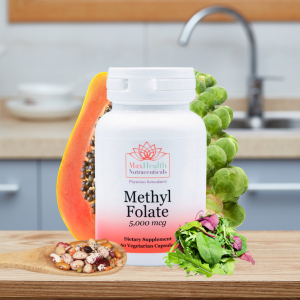
- Folate (not folic acid): 800-1000 mcg of methylfolate daily. Essential for DNA synthesis and neural tube development. Approximately 40% of the population has MTHFR variants that impair folic acid conversion. Methylfolate bypasses this issue. Start at least 3 months before conception
- Iron: Ferritin below 30 ng/mL is associated with anovulation and increased miscarriage risk, even when hemoglobin is "normal." Optimal preconception ferritin is 50-100 ng/mL
- Vitamin D: Levels below 30 ng/mL are associated with reduced IVF success rates, increased miscarriage, and gestational complications. Optimal preconception level: 50-70 ng/mL
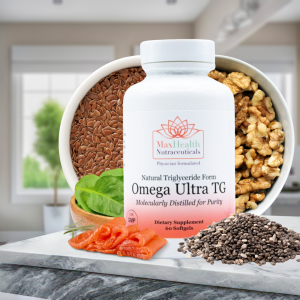
- Omega-3 fatty acids: EPA and DHA improve egg quality, support fetal brain development, and reduce inflammation. Omega-3 Index above 8% is ideal
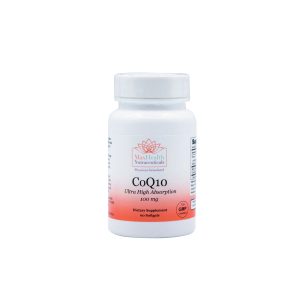
- CoQ10 (Ubiquinol): Supports mitochondrial function in eggs, which is critical for chromosomal accuracy during meiosis. Particularly important for women over 35. Dose: 200-600 mg daily (3)
- Zinc: Essential for egg maturation, sperm production, and DNA integrity. Optimal serum zinc: 80-120 mcg/dL
- Magnesium: Supports over 300 enzymatic reactions, including hormone metabolism and blood sugar regulation. RBC magnesium optimal: 5.5-6.5 mg/dL
- B12: Deficiency impairs ovulation and implantation. Optimal: 500-1000 pg/mL
- Choline: Critical for fetal brain development and epigenetic programming. Most prenatal vitamins don't contain adequate amounts. Aim for 450 mg daily from food and supplements combined
CoQ10 (ubiquinol form) is one of the most evidence-backed supplements for improving egg quality, especially in women over 35. Eggs require enormous amounts of energy for proper chromosomal division, and age-related mitochondrial decline is a primary driver of reduced egg quality. Multiple studies show CoQ10 supplementation improves ovarian response and embryo quality in IVF cycles.
| Nutrient | Optimal Level | Daily Dose | Start Before Conception |
|---|---|---|---|
| Methylfolate | RBC folate > 800 ng/mL | 800-1000 mcg | 3+ months |
| Vitamin D | 50-70 ng/mL | 2000-5000 IU | 3+ months |
| CoQ10 (Ubiquinol) | N/A (no standard test) | 200-600 mg | 3+ months |
| Iron (Ferritin) | 50-100 ng/mL | As needed per levels | 3+ months |
| Omega-3 (EPA/DHA) | Omega-3 Index > 8% | 2-3 g combined | 3+ months |
| Zinc | 80-120 mcg/dL | 25-50 mg | 3+ months |
| Magnesium | RBC Mg 5.5-6.5 mg/dL | 300-400 mg glycinate | 3+ months |
| Choline | N/A | 450 mg | 3+ months |
Gut Health and Fertility
The connection between gut health and fertility is one of the most exciting areas of emerging research. Your gut microbiome influences fertility through several mechanisms:
- Estrogen metabolism (estrobolome): Gut bacteria regulate the recirculation of estrogen. Dysbiosis can lead to estrogen dominance or estrogen depletion, both of which impair fertility
- Inflammation: Gut-driven systemic inflammation impairs implantation, disrupts hormonal signaling, and increases miscarriage risk
- Nutrient absorption: Even with an excellent diet, gut dysfunction (low stomach acid, pancreatic insufficiency, intestinal permeability) can prevent adequate absorption of fertility-critical nutrients
- Vaginal microbiome: Emerging research shows that the vaginal microbiome influences implantation success. A Lactobacillus-dominant vaginal flora is associated with better IVF outcomes (4)
- Immune regulation: 70% of your immune system resides in the gut. Immune dysregulation from gut dysfunction can trigger antibody production against sperm, embryos, or placental tissue
Preconception gut optimization:
- Address any digestive symptoms (bloating, reflux, irregular bowels) before conception
- Consider comprehensive stool testing if symptoms or autoimmune conditions are present
- Support gut lining integrity with L-glutamine, zinc carnosine, and bone broth
- Include prebiotic fiber and fermented foods daily
- Assess and address food sensitivities through elimination protocols
Environmental Toxins: The Silent Fertility Threat
This topic deserves its own article (and we'll write one), but no preconception guide is complete without addressing the chemical exposures that directly impair reproductive function.
Endocrine Disruptors and Fertility
Endocrine-disrupting chemicals (EDCs) mimic, block, or alter hormone signaling. Many have documented effects on fertility:
- BPA and phthalates (plastics, food packaging, receipts): Reduce sperm quality, impair egg maturation, and disrupt estrogen signaling. Women with higher BPA levels have lower IVF success rates (5)
- Pesticides (non-organic produce): Organophosphates and glyphosate are associated with reduced sperm count and quality. The Harvard EARTH study found that women who ate more high-pesticide-residue fruits and vegetables had lower IVF success rates
- PFAS ("forever chemicals" in nonstick cookware, waterproof clothing): Reduce fertility in both sexes and are associated with longer time to conception
- Heavy metals (mercury from certain fish, lead from older pipes, cadmium from smoking): Directly toxic to developing eggs and sperm
Practical Toxin Reduction
You can't eliminate all exposures, but you can significantly reduce your burden:
- Switch to glass or stainless steel food storage (no plastic in microwave or dishwasher)
- Choose organic for the "Dirty Dozen" produce items
- Filter your drinking water (a solid carbon block filter removes most contaminants)
- Replace nonstick cookware with cast iron, stainless steel, or ceramic
- Choose fragrance-free personal care products (fragrance = phthalates)
- Avoid handling thermal receipt paper
- Check your cosmetics at ewg.org/skindeep for endocrine disruptors
Stress, Sleep, and the Fertility Connection
Your reproductive system is wired to prioritize survival over reproduction. When your body perceives chronic threat (physical, psychological, or metabolic), it downregulates reproductive function. This isn't a design flaw. It's a feature.
The HPA-HPO Connection
Chronic stress activates the hypothalamic-pituitary-adrenal (HPA) axis, which directly suppresses the hypothalamic-pituitary-ovarian (HPO) axis. High cortisol:
- Suppresses GnRH pulsatility (reducing FSH and LH)
- Reduces progesterone production (cortisol and progesterone compete for the same precursor, pregnenolone)
- Impairs thyroid conversion (reducing active T3)
- Increases inflammatory cytokines that reduce implantation success
Sleep and Fertility
Sleep deprivation disrupts the hormonal cascade required for fertility:
- Melatonin (produced during sleep) is a powerful antioxidant that protects developing eggs from oxidative damage. Women who work night shifts have higher rates of menstrual irregularity and miscarriage
- Growth hormone (released during deep sleep) supports follicular development
- Cortisol regulation depends on sleep. Poor sleep creates a state of chronic HPA activation
Aim for 7-9 hours of quality sleep, maintain consistent sleep/wake times, and minimize blue light exposure after sunset during the preconception period.
The 90-Day Preconception Protocol
Here's a structured timeline for optimizing fertility before you start trying:
Months 1-3 (The Foundation):
1. Run comprehensive labs: hormones, thyroid panel, fasting insulin, nutrient levels, inflammatory markers
2. Start a high-quality prenatal with methylfolate, choline, and adequate vitamin D
3. Add CoQ10 (ubiquinol), omega-3s, and magnesium
4. Address any identified nutrient deficiencies aggressively
5. Begin reducing environmental toxin exposure
6. Optimize sleep hygiene
Month 2-3 (The Optimization):
1. Retest and adjust any nutrients that were deficient
2. Address gut health issues if present
3. Implement stress management practices (whatever is sustainable for you)
4. Optimize exercise: moderate intensity, not excessive (overtraining suppresses fertility)
5. Address insulin resistance if present (dietary changes, inositol, exercise)
6. Review any medications with your physician for preconception safety
Ongoing:
1. Track your cycle (basal body temperature, cervical mucus, or OPK) to confirm ovulation
2. Maintain consistent nutrition and supplement regimen
3. Continue environmental toxin avoidance
4. Prioritize sleep and stress management
5. If male partner: semen analysis with DNA fragmentation testing
---
Fertility challenges are frustrating, emotionally draining, and isolating. If you've been told "everything looks normal" but you're still struggling, there may be metabolic, hormonal, nutritional, or environmental factors that haven't been evaluated.
Our Wellness Quiz can help identify which body systems may need attention, and our Discovery Offer provides a comprehensive preconception evaluation with a physician who understands that fertility is a whole-body event, not just a reproductive one.
You deserve more than "just keep trying." You deserve answers.
---
References
- Fleming, T.P., et al. (2018). Origins of lifetime health around the time of conception: causes and consequences. The Lancet, 391(10132), 1842-1852.
- Levine, H., et al. (2017). Temporal trends in sperm count: A systematic review and meta-regression analysis. Human Reproduction Update, 23(6), 646-659.
- Xu, Y., et al. (2018). Pretreatment with coenzyme Q10 improves ovarian response and embryo quality in low-prognosis young women with decreased ovarian reserve. Reproductive Biology and Endocrinology, 16(1), 29.
- Moreno, I., et al. (2016). Evidence that the endometrial microbiota has an effect on implantation success or failure. American Journal of Obstetrics and Gynecology, 215(6), 684-703.
- Mínguez-Alarcón, L., et al. (2015). Urinary bisphenol A concentrations and association with in vitro fertilization outcomes among women from a fertility clinic. Human Reproduction, 30(9), 2120-2128.
- Gaskins, A.J., et al. (2016). Dietary folate and reproductive success among women undergoing assisted reproduction. Obstetrics & Gynecology, 128(6), 1329-1336.
- Chavarro, J.E., et al. (2018). Fruit and vegetable intake and their pesticide residues in relation to semen quality among men from a fertility clinic. Human Reproduction, 33(3), 556-567.
Supplements for Women's Hormone Balance
Clinical-grade picks for this topic

Austin Air HealthMate Plus®
$895.00

Thera360 PLUS Portable Sauna
$1,428.00

Branch Basics Premium Starter Kit
$75.00
Affiliate disclosure: The product links below are affiliate links — we may earn a commission at no extra cost to you. Recommendations are based on clinical use, not commissions. Learn more.
Frequently Asked Questions
Common questions about fertility & preconception: optimizing your body before pregnancy
Recommended Supplements
Professional-grade supplements from my MaxHealth Nutraceuticals line — the same formulas I use in clinical practice.
Austin Air HealthMate Plus®
Thera360 PLUS Portable Sauna
Branch Basics Premium Starter Kit
CoQ10
NAC 90s
Methyl Folate 5mg 60s
Omega Ultra TG
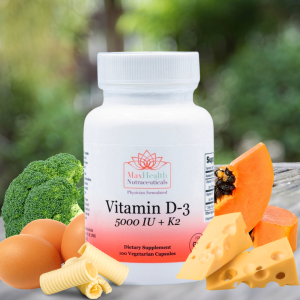
Vitamin D3 5000 IU + K2 CAPSULES 100s
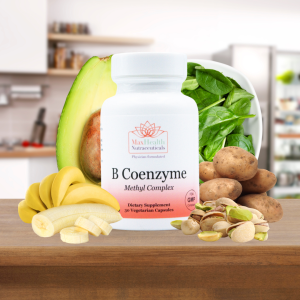
B Coenzyme Methyl Complex
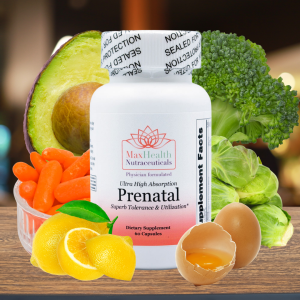
Prenatal Multi 60s
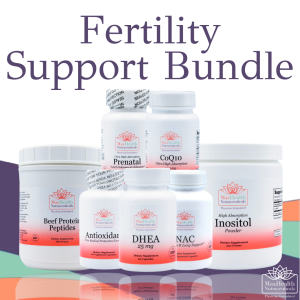
Fertility Support Bundle
Disclosure: This post contains affiliate links. If you purchase through these links, we may earn a small commission at no extra cost to you. Learn more.
About the Author
Dr. Nicolle is a double board-certified physician in Family Medicine and Preventive Medicine, with certifications in Functional Medicine and Lifestyle Medicine. She helps busy professionals over 40 optimize their health through root-cause approaches to cardiovascular, hormonal, and metabolic health.
Learn more about Dr. Nicolle →Explore Related Topics
Dive deeper into these connected health areas
Gut Health
Your gut is far more than a digestive organ — it's home to 70% of your immune system, produces key n…
Explore ❤️Metabolic Health
Metabolic health sits at the intersection of blood sugar regulation, cardiovascular function, body c…
Explore 🧠Mental Health
Mental health is deeply interconnected with hormonal balance, gut health, blood sugar regulation, an…
Explore 📖Skin & Hair Health
Your skin and hair are windows into your internal health. Chronic acne, eczema, psoriasis, and hair …
ExploreReady to Address Your Health Concerns?
Book a Discovery Offer consultation to discuss how our functional medicine approach can help you achieve your health goals.
Book Your Discovery Offer