Red Light Therapy for Joint Pain & Arthritis After 40

- Red light therapy (660nm + 850nm) reduces joint pain and stiffness by improving mitochondrial energy production and lowering inflammatory cytokines inside the joint capsule
- Strongest evidence is for knee osteoarthritis — meta-analyses show meaningful pain reduction and improved function vs. placebo when dosed correctly
- Dosing is biphasic: too little does nothing, too much can worsen symptoms. Target 4-60 J/cm² at the joint, typically 10-15 minutes per joint at 6 inches
- Best results come from pairing red light with targeted strength work, anti-inflammatory nutrition, sleep optimization, and hormone support — it's an accelerator, not a standalone fix
The patient who finally convinced me to take red light therapy seriously was a 58-year-old orthopedic surgeon. He'd spent thirty years operating on other people's knees, and now his own right knee was failing him. MRI showed grade 3 chondromalacia and a small medial meniscus tear. He'd already tried two rounds of cortisone, hyaluronic acid injections, physical therapy, and was being scheduled for arthroscopy. "Before I let one of my partners cut on me," he said in our intake, "I want to try the one thing I've quietly watched my patients respond to but never prescribed myself."
Six weeks later, his morning stiffness was gone. His pain on stairs had dropped from a 7 to a 2. He cancelled the arthroscopy. And he started prescribing photobiomodulation to his own surgical patients as part of their pre- and post-operative care.
This is not a magic story. He also lost nine pounds, optimized his vitamin D and omega-3s, and committed to twice-weekly zone 2 cycling to rebuild quadriceps support around the joint. But the variable that changed his trajectory — the one that finally interrupted the inflammatory cycle in the joint capsule itself — was daily red light therapy. And after watching this play out hundreds of times in my functional medicine practice, I want to walk you through exactly what red light therapy can and cannot do for joint pain after 40.
What Red Light Therapy Actually Does Inside a Painful Joint
Red light therapy — more precisely called photobiomodulation (PBM) — uses specific wavelengths of red and near-infrared light to influence cellular function. The mechanism isn't heat (these devices are barely warm) and it isn't UV (there's no skin damage risk). It's something far more interesting: photons in the 630-680nm and 800-880nm ranges are absorbed by cytochrome c oxidase, an enzyme in the mitochondrial electron transport chain (1).
When cytochrome c oxidase absorbs these photons, it releases nitric oxide that had been competitively binding to its active site, restoring oxygen-dependent ATP production. The downstream effects are well-documented in the photobiomodulation literature: increased cellular energy, reduced oxidative stress, modulated inflammatory cytokines, and improved tissue repair signaling (2).
In an arthritic joint, that translates into three measurable changes:
1. Reduced inflammatory cytokines — particularly IL-1β, IL-6, and TNF-α, the same cytokines that drive chronic inflammation throughout the body.
2. Increased chondrocyte activity — the cartilage-producing cells that, with age, become metabolically sluggish.
3. Improved microcirculation — bringing nutrients in and clearing metabolic waste from the synovial space.
Photobiomodulation is one of the few non-pharmacologic interventions with high-quality evidence for both pain reduction *and* improved joint function in osteoarthritis. Unlike NSAIDs, which suppress symptoms while accelerating cartilage breakdown, red light therapy supports the cellular machinery that actually repairs the joint.
What the Research Shows (and Where It's Thin)
The strongest evidence for red light therapy in joint pain comes from knee osteoarthritis, where multiple randomized controlled trials and at least three systematic reviews have evaluated the intervention.
A 2019 systematic review published in *Lasers in Medical Science* analyzed 22 RCTs covering 1,063 patients with knee osteoarthritis. Photobiomodulation produced statistically significant improvements in pain (VAS reduction of 1.8 points on average), function (WOMAC scores), and range of motion compared to placebo, with effects persisting at 12-week follow-up (3).
A 2022 meta-analysis in *Photobiomodulation, Photomedicine, and Laser Surgery* extended the analysis to include studies on hand osteoarthritis and shoulder impingement syndrome. Across 34 trials, PBM produced clinically meaningful improvements in pain when dosed correctly — and *no* improvement when dosed incorrectly. This is the most important nuance in the entire field (4).
Where the Evidence Is Weaker
- Hip osteoarthritis — Limited data because the hip joint is too deep for most consumer devices to reach therapeutically.
- Rheumatoid arthritis — Promising but smaller studies; PBM appears to help symptomatically without modifying disease progression. RA still requires conventional disease-modifying therapy from your rheumatologist.
- Spine arthritis — Mixed data because facet joints are difficult to target through paraspinal musculature.
The Dosing Problem (Why Most People Get No Results)
Photobiomodulation is one of the only interventions where being too aggressive can make outcomes *worse* than doing nothing — a phenomenon called the biphasic dose response. Too little light produces no effect. The right dose produces strong therapeutic effects. Too much light suppresses mitochondrial activity and can worsen symptoms (5).
The clinically effective dose range for joint applications is roughly 4 to 60 J/cm² at the target tissue. Most failures I see in practice fall into two categories:
Under-dosing: Using a low-power consumer mask for 5 minutes at arm's length to a knee joint delivers fractional joules. The device works for facial skin (where the target tissue is millimeters deep), but it can't reach a joint capsule centimeters below the skin.
Over-dosing: Buying a high-powered panel and using it for 30 minutes at close range every day. The skin absorbs most of the photons before they reach the joint, the target tissue gets hammered with too much energy, and inflammatory markers actually rise.
For joint applications, the right device matters as much as the right protocol. Look for devices that deliver both 660nm (red) and 850nm (near-infrared) wavelengths, with documented irradiance (mW/cm²) at the treatment distance. Avoid devices that publish only "power output" without irradiance data — you cannot calculate dose without it.
My Clinical Protocol for Joint Pain After 40
This is the protocol I use in practice. It assumes a panel-type device delivering 660nm and 850nm at roughly 100 mW/cm² irradiance at 6 inches. If your device is different, adjust treatment time to land in the target dose range.
Week 1-2: Loading Phase
- Frequency: Daily
- Duration: 10 minutes per joint
- Distance: 6 inches from skin
- Timing: Morning or post-exercise
- Expected response: Most patients notice reduced morning stiffness within 7-10 days. Some experience a transient flare in the first 3-5 days as inflammatory clearance accelerates — this is normal and resolves.
Week 3-8: Therapeutic Phase
- Frequency: 5 days per week
- Duration: 10-15 minutes per joint
- Add: Gentle joint mobility work immediately after treatment, when microcirculation is highest.
- Expected response: Pain reduction of 40-70% from baseline. Improved sleep quality if joint pain had been interrupting sleep.
Week 9+: Maintenance Phase
- Frequency: 3 days per week
- Duration: 10 minutes per joint
- Pair with: A structured anti-inflammatory protocol including omega-3s, magnesium, vitamin D, and an anti-inflammatory diet.
| Joint | Distance | Time | Notes |
|---|---|---|---|
| Knee | 6 inches | 10 min anterior + 5 min posterior | Treat both sides of joint capsule |
| Shoulder | 6 inches | 10 min anterior + 10 min posterior | Rotator cuff responds well |
| Hand / fingers | 3 inches | 8 min per hand | Smaller targeted device often better |
| Lower back | 6 inches | 15 min | Focus on paraspinal muscles + facet line |
| Hip | 3 inches | 15 min anterior + 15 min lateral | Joint depth limits effectiveness |
What Red Light Therapy Pairs Best With
In clinical practice, photobiomodulation is rarely a standalone solution — it's an accelerator. The patients who respond fastest combine red light with these foundational pieces:
- Targeted strength work — Cartilage health depends on the muscular envelope around it. Quadriceps strength is the single best predictor of long-term knee function. Two short sessions per week, guided by HRV recovery cues, are enough.
- Anti-inflammatory nutrition — Reducing dietary inflammatory load lets the cellular benefits of PBM actually translate into measurable change. See our anti-inflammatory diet guide.
- Contrast therapy — Pairing red light (vasodilation, mitochondrial support) with cold exposure (acute vasoconstriction, parasympathetic activation) creates a circulation pump that flushes inflammatory mediators from the joint space.
- Sleep optimization — Cartilage repair happens during slow-wave sleep. Without it, no amount of red light fixes a joint. Our sleep guide covers the protocol I use.
- Hormone support — Declining estrogen in women and testosterone in men accelerates cartilage loss and increases inflammatory load on joints. Hormonal optimization is often the missing piece in the "I've tried everything for my joint pain" patient.
When Red Light Therapy Is NOT the Right Tool
I want to be honest about the limits, because the wellness internet rarely is.
- Acute traumatic injury — In the first 48-72 hours after a fall, ligament tear, or fracture, cold and protection take priority. PBM can be helpful from day 4 onward to accelerate repair.
- Septic joint or active infection — Red light therapy is contraindicated. Get to urgent care.
- Active malignancy in the treatment area — PBM stimulates cellular activity and is contraindicated over known tumors.
- Photosensitizing medications — Certain antibiotics (tetracyclines), retinoids, and St. John's wort can sensitize skin to light. Check with your prescriber.
- Pregnancy — Insufficient safety data for abdominal/pelvic treatment. Peripheral joint treatment (hand, knee, shoulder) appears safe but discuss with your obstetrician.
Persistent joint pain that is not improving — especially with associated swelling, redness, warmth, fever, weight loss, or morning stiffness lasting more than an hour — needs evaluation for inflammatory arthritis (rheumatoid, psoriatic, ankylosing spondylitis). Red light therapy is not a substitute for a rheumatology workup.
A Realistic 12-Week Outcome Expectation
Here is what I tell patients to expect when we add red light therapy to a comprehensive joint pain protocol:
- Weeks 1-2: Reduced morning stiffness. Small but noticeable difference in how the joint "starts up" after sitting.
- Weeks 3-6: Pain reduction during normal activities (walking, stairs, lifting). Sleep often improves first because nighttime joint pain was disrupting it.
- Weeks 7-12: Functional improvements that change daily life — kneeling, gardening, hiking, picking up grandchildren. Imaging at this point rarely shows dramatic changes; the joint surface is the same, but the inflammatory environment inside the capsule has been reset.
The orthopedic surgeon I started this post with is now 18 months into maintenance. He treats his knee three times per week, lifts twice per week, and walks 12,000 steps daily. He has not needed another injection. And he tells me he sleeps better than he has in a decade.
If you're ready to design a personalized joint pain protocol — one that integrates photobiomodulation, targeted lab work, and the hormonal and metabolic levers that drive joint inflammation — take our Wellness Quiz to map your starting point, or book a Discovery Offer to review your case with me directly.
---
References
- Hamblin, M.R. (2017). Mechanisms and applications of the anti-inflammatory effects of photobiomodulation. AIMS Biophysics, 4(3), 337-361. https://doi.org/10.3934/biophy.2017.3.337
- de Freitas, L.F. & Hamblin, M.R. (2016). Proposed mechanisms of photobiomodulation or low-level light therapy. IEEE Journal of Selected Topics in Quantum Electronics, 22(3), 7000417. https://doi.org/10.1109/JSTQE.2016.2561201
- Stausholm, M.B., et al. (2019). Efficacy of low-level laser therapy on pain and disability in knee osteoarthritis: systematic review and meta-analysis of randomised placebo-controlled trials. BMJ Open, 9(10), e031142. https://doi.org/10.1136/bmjopen-2019-031142
- Tomazoni, S.S., et al. (2022). Photobiomodulation therapy in the treatment of musculoskeletal pain: a systematic review and meta-analysis. Photobiomodulation, Photomedicine, and Laser Surgery, 40(7), 449-460.
- Huang, Y.Y., et al. (2011). Biphasic dose response in low level light therapy — an update. Dose-Response, 9(4), 602-618. https://doi.org/10.2203/dose-response.11-009.Hamblin
Supplements for Stress & Recovery
Clinical-grade picks for this topic
Affiliate disclosure: The product links below are affiliate links — we may earn a commission at no extra cost to you. Recommendations are based on clinical use, not commissions. Learn more.
Frequently Asked Questions
Common questions about red light therapy for joint pain & arthritis after 40
Recommended Supplements
Professional-grade supplements from my MaxHealth Nutraceuticals line — the same formulas I use in clinical practice.

Red Light Face Mask

TheraFrost Cold Plunge

Thera360 PLUS Portable Sauna

SMART Resistance Training Bundle

SMART Yoga Mat (Green)
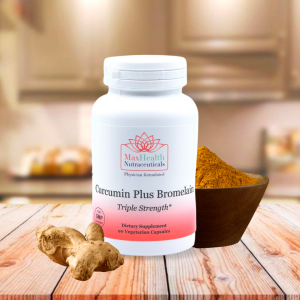
Curcumin Plus Bromelain 90s
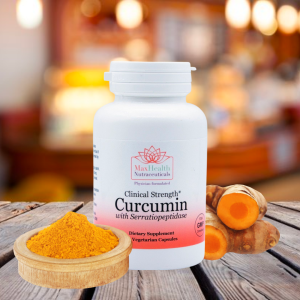
Curcumin with Serratiopeptidase 60s
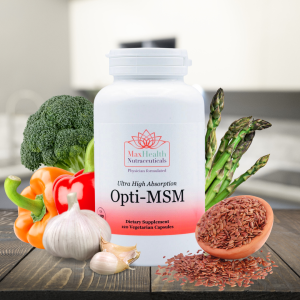
Opti MSM 120s
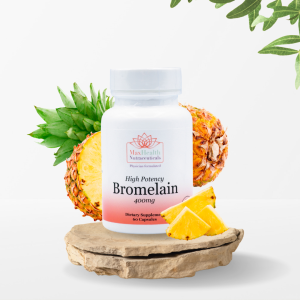
Bromelain 60s
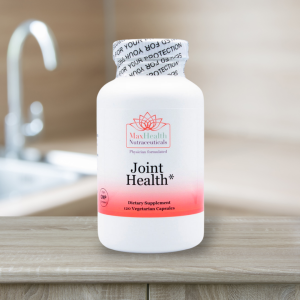
Joint Health 120s
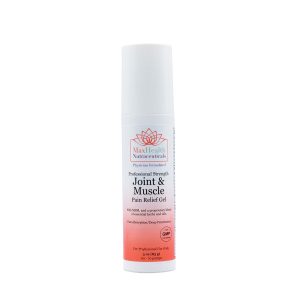
Joint & Muscle Pain Relief Gel 3oz
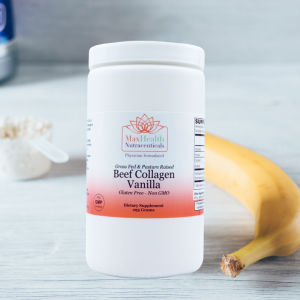
Beef Collagen Vanilla
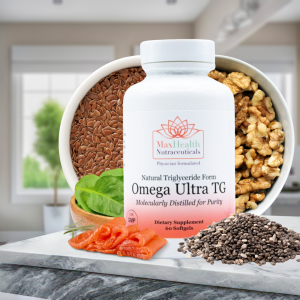
Omega Ultra TG
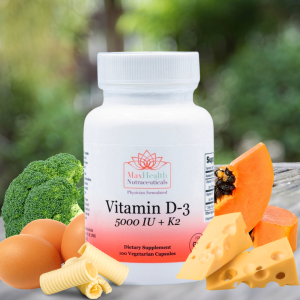
Vitamin D3 5000 IU + K2 CAPSULES 100s
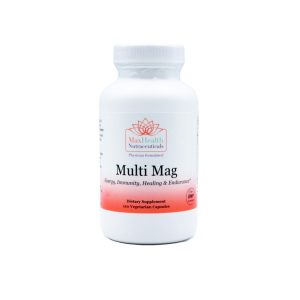
Multi Mag
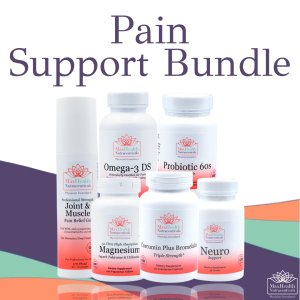
Pain Support Bundle
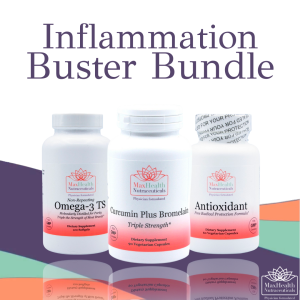
Inflammation Buster Bundle
Disclosure: This post contains affiliate links. If you purchase through these links, we may earn a small commission at no extra cost to you. Learn more.
About the Author
Dr. Nicolle is a double board-certified physician in Family Medicine and Preventive Medicine, with certifications in Functional Medicine and Lifestyle Medicine. She helps busy professionals over 40 optimize their health through root-cause approaches to cardiovascular, hormonal, and metabolic health.
Learn more about Dr. Nicolle →Explore Related Topics
Dive deeper into these connected health areas
Hormone Health
Hormones are the chemical messengers that regulate virtually every process in your body — from metab…
Explore 🦠Gut Health
Your gut is far more than a digestive organ — it's home to 70% of your immune system, produces key n…
Explore ❤️Metabolic Health
Metabolic health sits at the intersection of blood sugar regulation, cardiovascular function, body c…
Explore 🌸Women's Health
Women's health encompasses a complex interplay of hormonal cycles, reproductive biology, and unique …
Explore 💪Men's Health
Men's health involves a unique interplay of hormonal balance, cardiovascular resilience, metabolic e…
Explore 🧠Mental Health
Mental health is deeply interconnected with hormonal balance, gut health, blood sugar regulation, an…
Explore 📖Skin & Hair Health
Your skin and hair are windows into your internal health. Chronic acne, eczema, psoriasis, and hair …
ExploreReady to Address Your Health Concerns?
Book a Discovery Offer consultation to discuss how our functional medicine approach can help you achieve your health goals.
Book Your Discovery Offer