HRV-Guided Training: When to Push and When to Rest

- HRV measures your nervous system's recovery capacity — it's the only biomarker that integrates physical, psychological, and environmental stress
- HRV-guided training outperforms rigid programs: athletes who train based on HRV cues achieve better VO2max gains with less total volume
- After 40, recovery takes 50-100% longer; training without HRV awareness leads to overtraining, hormonal decline, and chronic inflammation
- The protocol is simple: Green light (push hard), Yellow light (moderate only), Red light (recover) — based on your personal baseline
A 52-year-old software executive came to see me after his third stress fracture in two years. He was running 40 miles a week, lifting four days, and doing HIIT classes on his "recovery" days. His resting heart rate was 58 — objectively fit. But his morning HRV readings had been declining for months, hovering around 22ms when someone his age and fitness level should have been above 50ms. His cortisol was flat-lined across the day, his testosterone had dropped to 280 ng/dL, and his hs-CRP was running at 4.2.
"I don't understand," he told me. "I'm doing everything right. I eat clean, I exercise every day, I take my supplements." And that was exactly the problem. He was doing too much, recovering too little, and his body had been screaming for help in a language he didn't know how to read.
That language is heart rate variability. And once you learn it, it changes everything about how you train, recover, and perform — especially after 40.
What Is Heart Rate Variability (and Why Should You Care)?
Heart rate variability, or HRV, measures the variation in time between consecutive heartbeats. If your heart beats 60 times per minute, those beats aren't spaced exactly one second apart. The intervals fluctuate — maybe 0.85 seconds, then 1.15 seconds, then 0.92 seconds. This variation is controlled by your autonomic nervous system, and it reveals something blood pressure and resting heart rate cannot: how well your body is adapting to stress.
High HRV indicates strong parasympathetic ("rest and repair") tone. Your nervous system has bandwidth. It can absorb a hard workout, a stressful meeting, a poor night of sleep, and bounce back. Low HRV signals that the sympathetic ("fight or flight") system is dominant. Resources are depleted. The system is under strain and needs recovery, not another hard session.
HRV is the only biomarker that integrates physical, psychological, and environmental stress into a single number. A drop in your morning HRV captures not just yesterday's workout load but also poor sleep, emotional stress, dehydration, oncoming illness, and even jet lag — often before you feel any symptoms.
The Science Behind the Metric
The gold standard for HRV measurement is root mean square of successive differences (RMSSD), which specifically reflects parasympathetic nervous system activity (1). Higher RMSSD values correlate with better cardiovascular fitness, lower inflammation, improved sleep quality, and enhanced stress resilience.
A landmark 2018 meta-analysis in *Sports Medicine* analyzed 23 studies and concluded that HRV-guided training produced superior improvements in VO2max and running performance compared to predefined training programs (2). Athletes who trained based on HRV cues — pushing hard when their body was ready and resting when it wasn't — outperformed those following rigid schedules, even when the total training volume was lower.
This isn't just an athlete tool. For busy professionals over 40 managing careers, families, and chronic stress, HRV-guided training prevents the most common mistake I see in my functional medicine practice: exercising your way into worse health.
Why Traditional Training Fails After 40
Here's the uncomfortable truth that most fitness influencers won't tell you: the training approaches that worked in your 20s and 30s can actively damage your health after 40. Several physiological shifts make recovery-aware training not just helpful but essential.
Slower Recovery Between Sessions
After 40, muscle protein synthesis rates decline, connective tissue repair slows, and the inflammatory response to exercise becomes more prolonged (3). A 25-year-old might fully recover from a hard leg session in 48 hours. At 50, that same session might require 72 to 96 hours for complete recovery. Training again before recovery is complete doesn't build fitness — it accumulates fatigue and drives chronic inflammation.
Hormonal Vulnerability
Testosterone in men and estrogen in women decline progressively after 40, reducing the anabolic hormonal environment that supports adaptation. Overtraining accelerates this decline. I've seen dozens of male patients whose testosterone dropped 100+ points after months of excessive HIIT training, and women whose cortisol dysregulation worsened with every "pushing through" workout.
Autonomic Nervous System Changes
The autonomic nervous system becomes less resilient with age. Parasympathetic recovery capacity decreases, meaning the body takes longer to shift from sympathetic (stress) dominance back to baseline after exercise. This is precisely what HRV measures — and why it becomes more valuable, not less, as you age.
| Factor | Age 25-35 | Age 40-55 | Implication |
|---|---|---|---|
| Muscle recovery | 24-48 hours | 48-96 hours | Fewer hard sessions per week |
| Connective tissue repair | Rapid | 30-50% slower | Higher injury risk with high volume |
| Hormonal recovery | Robust | Vulnerable to overtraining | Monitor testosterone, cortisol |
| Parasympathetic rebound | 4-12 hours | 12-36 hours | HRV takes longer to normalize |
| Inflammation clearance | 12-24 hours | 24-72 hours | More rest days needed between HIIT |
How to Measure HRV: Getting Reliable Data
Not all HRV measurements are created equal. The timing, duration, body position, and device you use all matter enormously. A single midday reading taken after two cups of coffee while standing tells you almost nothing. Consistent morning readings under controlled conditions tell you everything.
The Morning Protocol
Take your HRV reading within 5 minutes of waking, before getting out of bed, before coffee, before checking email. Lie on your back with your phone or dedicated device. Record for at least 60 seconds (120 seconds is better). Do this every single day — trends matter infinitely more than individual readings.
Choosing a Device
The Inner Balance™ Coherence Plus by HeartMath is the device I recommend most frequently in my practice. Unlike wrist-based wearables that estimate HRV from optical sensors (which can be unreliable), the Inner Balance uses an ear-clip sensor that captures actual beat-to-beat intervals with clinical-grade accuracy. It also provides real-time biofeedback that trains you to actively improve your HRV through coherence breathing — so it's both a measurement tool and a training tool.
When selecting an HRV device, prioritize beat-to-beat accuracy over convenience. Chest straps and ear-clip sensors (like the Inner Balance™ Coherence Plus) provide research-grade data. Wrist-based optical sensors can be useful for trends but frequently miss the subtle beat-to-beat variations that make HRV clinically meaningful.
Establishing Your Baseline
Your first two weeks of HRV tracking are purely for establishing your personal baseline. Don't change anything about your training during this period. After 14 days, calculate your average RMSSD and your standard deviation. These two numbers become your decision-making framework:
- HRV at or above your personal average: Your body has recovered. You can train at high intensity.
- HRV within one standard deviation below average: Moderate training is appropriate. Think zone 2 cardio, moderate resistance training, or yoga.
- HRV more than one standard deviation below average: Your body is under-recovered. This is a recovery day — period. Light walking, mobility work, breathing exercises, or a sauna session only.
The HRV-Guided Training Protocol
Based on the research and my clinical experience with hundreds of patients over 40, here's the complete protocol.
Phase 1: Assessment (Weeks 1-2)
Track morning HRV daily without changing your routine. Simultaneously track:
- Sleep quality (subjective 1-10 rating)
- Training load (session type, duration, perceived exertion)
- Stress level (subjective 1-10 rating)
- Any symptoms: fatigue, soreness, mood changes, brain fog
This creates a personal database that reveals your unique patterns. Some patients discover their HRV crashes after late-night screen time. Others find that alcohol drops their next-morning HRV by 15-20%. The patterns are highly individual.
Phase 2: Adaptive Training (Weeks 3-8)
Now you start making training decisions based on your data.
Green Light Days (HRV ≥ personal average):
- High-intensity interval training (HIIT)
- Heavy resistance training
- Competitive sports or challenging outdoor activities
- Maximum effort is physiologically supported
Yellow Light Days (HRV within 1 SD below average):
- Zone 2 steady-state cardio (conversational pace)
- Moderate resistance training (70-75% of max)
- Flexibility and mobility work
- Technical skill practice at moderate intensity
Red Light Days (HRV > 1 SD below average):
- Active recovery only: walking, gentle stretching, swimming lightly
- Cold exposure for parasympathetic activation (2-5 minute cold shower)
- Infrared sauna session (30-40 minutes)
- HRV biofeedback or coherence training (10-20 minutes)
- Breathwork and meditation
| HRV Zone | Signal | Recommended Training | Recovery Tools |
|---|---|---|---|
| 🟢 Green (≥ avg) | Fully recovered | HIIT, heavy lifting, sprints | Standard post-workout nutrition |
| 🟡 Yellow (avg − 1 SD) | Partially recovered | Zone 2 cardio, moderate weights | Magnesium, extra sleep |
| 🔴 Red (< avg − 1 SD) | Under-recovered | Walk, stretch, breathwork only | Cold plunge, sauna, HRV biofeedback |
Phase 3: Long-Term Optimization (Weeks 9+)
After 8 weeks of adaptive training, most patients see their baseline HRV trend upward — often by 15-30%. This reflects genuine improvement in autonomic nervous system resilience. At this point, you're not just using HRV to avoid overtraining; you're actively building a more resilient nervous system.
Long-term optimization strategies include:
- Periodization within the HRV framework: Plan 3-week building phases followed by 1-week deload phases, but let HRV data override the plan when needed
- Seasonal adjustments: Expect naturally lower HRV during high work-stress periods; adjust training volume accordingly
- Recovery stacking: On red light days, combine multiple recovery modalities — a morning cold plunge followed by afternoon sauna, bookended by HRV biofeedback sessions
The Recovery Toolkit: What Actually Works
Recovery is not passive. It's an active, trainable skill — and certain tools dramatically accelerate autonomic recovery.
Cold Exposure
Brief cold exposure (2-5 minutes at 50-59°F) activates the vagus nerve and produces a powerful parasympathetic rebound. Research shows a single cold water immersion can increase HRV by 20-40% within 60 minutes (4). For HRV-guided training, cold exposure on red light days is one of the most effective interventions available.
Heat Therapy
Infrared sauna sessions produce a controlled heat stress that mimics the cardiovascular benefits of moderate exercise while activating parasympathetic recovery pathways. A 2015 study in *JAMA Internal Medicine* found that regular sauna use reduced cardiovascular mortality by 50% in men using saunas 4-7 times per week compared to once weekly (5). For HRV purposes, sauna on yellow and red light days supports recovery without taxing the system further.
HRV Biofeedback Training
This is where the Inner Balance™ Coherence Plus earns its keep beyond measurement. Coherence breathing — inhaling for 5 seconds, exhaling for 5 seconds at a rate of approximately 6 breaths per minute — synchronizes heart rate oscillations with respiratory cycles. This resonance frequency maximizes HRV amplitude and actively trains the vagal pathways (6).
A 2014 study published in *Applied Psychophysiology and Biofeedback* found that just 5 weeks of HRV biofeedback training significantly increased resting HRV, reduced perceived stress, and improved sleep quality (7). I have patients who have raised their baseline HRV by 30-50% using biofeedback alone — no changes in training, diet, or supplements.
Nutritional Support for Recovery
Specific nutrients support the autonomic nervous system and enhance recovery capacity:
- Magnesium: The most common mineral deficiency in athletes. Magnesium activates the parasympathetic nervous system, supports GABA activity, and reduces post-exercise inflammation. Most adults over 40 need 400-600mg daily (8).
- Omega-3 fatty acids: EPA and DHA improve vagal tone and increase HRV. A meta-analysis found that omega-3 supplementation significantly increased HRV in both healthy adults and cardiac patients (9).
- CoQ10: Supports mitochondrial energy production in cardiac and skeletal muscle. Particularly important for patients on statins, which deplete CoQ10 and can impair recovery.
- Adaptogenic herbs: Ashwagandha, rhodiola, and eleuthero support the HPA axis and can prevent cortisol over-responses to training stress. The adrenal support stack I use combines these with B vitamins for comprehensive stress resilience.
- Electrolytes: Proper hydration and mineral balance directly impact autonomic function. Dehydration drops HRV measurably within hours.
Common Mistakes in HRV-Guided Training
Having guided hundreds of patients through this protocol, I see the same errors repeatedly. Avoid these.
Mistake 1: Chasing Daily Numbers
HRV is a trend metric, not a daily pass/fail. One low reading doesn't mean you're overtrained. Look at 7-day rolling averages and 30-day trends. A single bad night of sleep can tank your morning HRV. The question is whether your baseline is trending up, staying stable, or declining over weeks.
Mistake 2: Ignoring Yellow Light Days
Most overtraining happens not from training on red light days (those are obvious) but from repeatedly treating yellow light days as green light days. Moderate effort on yellow days isn't glamorous, but it's where the long-term resilience is built.
Mistake 3: Using HRV to Justify Not Training
The protocol isn't permission to skip workouts whenever you feel tired. True red light days — HRV more than one standard deviation below your baseline — typically occur 1-2 times per week. If you're seeing red lights 4-5 times per week, the issue isn't training load; it's sleep, stress, nutrition, or an underlying health condition that needs investigation.
If your HRV remains persistently suppressed (below baseline for more than 7-10 consecutive days) despite adequate sleep and reduced training, this may indicate illness onset, hormonal dysfunction, or significant psychological stress. Contact your healthcare provider for evaluation rather than trying to "train through it."
Mistake 4: Only Tracking Morning HRV
While morning readings are the gold standard for baseline tracking, intra-day HRV checks can reveal recovery patterns you'd otherwise miss. Check your HRV 20 minutes after a hard training session and again 2 hours later. The speed of parasympathetic recovery after exercise is itself a trainable metric and a powerful indicator of cardiovascular fitness.
Putting It All Together: A Sample Week
Here's what an HRV-guided training week looks like for a typical patient — a 48-year-old professional who exercises 5 days per week:
| Day | Morning HRV | Zone | Training Decision | Recovery Tools |
|---|---|---|---|---|
| Monday | 62ms (above avg) | 🟢 Green | Heavy deadlifts + accessory work | Post-workout protein, magnesium |
| Tuesday | 45ms (avg − 0.5 SD) | 🟡 Yellow | 45-min zone 2 cycling | Sauna session, electrolytes |
| Wednesday | 38ms (below avg − 1 SD) | 🔴 Red | 30-min walk + breathwork | Cold plunge, HRV biofeedback |
| Thursday | 55ms (near avg) | 🟡 Yellow | Moderate resistance + mobility | Magnesium, early bedtime |
| Friday | 68ms (above avg) | 🟢 Green | HIIT sprints + upper body | Standard recovery |
| Saturday | 50ms (avg) | 🟡 Yellow | Long zone 2 hike outdoors | Sauna, stretching |
| Sunday | — | Rest | Complete rest day | Nature exposure, meal prep |
Notice the pattern: only 2 high-intensity days, not 5. Yet this athlete is likely making faster progress than someone grinding through 5 hard sessions per week because every hard session lands on a body that's actually ready to adapt.
Is HRV-Guided Training Right for You?
If you're over 40 and dealing with any of these situations, HRV-guided training isn't optional — it's essential:
- You exercise consistently but feel worse, not better
- You've noticed declining performance despite consistent training
- You're dealing with persistent fatigue, brain fog, or mood changes
- You've been injured more than once in the past year
- Your sleep is disrupted despite being physically exhausted
- You're managing a high-stress career alongside your fitness goals
That software executive I mentioned at the start? We cut his training volume by 40%, introduced HRV-guided decision-making, added structured recovery with cold exposure and sauna therapy, and optimized his magnesium and adaptogen stack. Six months later, his HRV baseline had increased from 22ms to 48ms. His testosterone recovered to 520 ng/dL. His hs-CRP dropped to 0.8. And his running times — with fewer weekly miles — were faster than they'd been in three years.
Training harder isn't the answer after 40. Training smarter is. And HRV is the compass that shows you the way.
If you're ready to build a personalized HRV-guided protocol, take our Wellness Quiz to identify your starting point, or book a Discovery Offer to review your labs and recovery data with me directly.
---
References
- Shaffer, F. & Ginsberg, J.P. (2017). An overview of heart rate variability metrics and norms. Frontiers in Public Health, 5, 258. https://doi.org/10.3389/fpubh.2017.00258
- Vesterinen, V., et al. (2018). Heart rate variability-guided training in endurance sports: A systematic review and meta-analysis. Sports Medicine, 48(11), 2503-2523.
- Distefano, G. & Goodpaster, B.H. (2018). Effects of exercise and aging on skeletal muscle. Cold Spring Harbor Perspectives in Medicine, 8(3), a029785. https://doi.org/10.1101/cshperspect.a029785
- Mäkinen, T.M., et al. (2008). Autonomic nervous function during whole-body cold exposure before and after cold acclimation. Aviation, Space, and Environmental Medicine, 79(9), 875-882.
- Laukkanen, T., et al. (2015). Association between sauna bathing and fatal cardiovascular and all-cause mortality events. JAMA Internal Medicine, 175(4), 542-548. https://doi.org/10.1001/jamainternmed.2014.8187
- Lehrer, P.M. & Gevirtz, R. (2014). Heart rate variability biofeedback: how and why does it work? Frontiers in Psychology, 5, 756. https://doi.org/10.3389/fpsyg.2014.00756
- Sutarto, A.P., Wahab, M.N., & Zin, N.M. (2012). Resonant breathing biofeedback training for stress reduction among manufacturing operators. International Journal of Occupational Safety and Ergonomics, 18(4), 549-561.
- Nielsen, F.H. & Lukaski, H.C. (2006). Update on the relationship between magnesium and exercise. Magnesium Research, 19(3), 180-189.
- Christensen, J.H. (2011). Omega-3 polyunsaturated fatty acids and heart rate variability. Frontiers in Physiology, 2, 84. https://doi.org/10.3389/fphys.2011.00084
Supplements for Stress & Recovery
Clinical-grade picks for this topic

Inner Balance™ Coherence Plus
$249.00

TheraFrost Cold Plunge
$4,988.00

Thera360 PLUS Portable Sauna
$1,428.00
Affiliate disclosure: The product links below are affiliate links — we may earn a commission at no extra cost to you. Recommendations are based on clinical use, not commissions. Learn more.
Frequently Asked Questions
Common questions about hrv-guided training: when to push and when to rest
Recommended Supplements
Professional-grade supplements from my MaxHealth Nutraceuticals line — the same formulas I use in clinical practice.
Inner Balance™ Coherence Plus
TheraFrost Cold Plunge
Thera360 PLUS Portable Sauna

SMART Resistance Training Bundle

SMART Yoga Mat (Green)
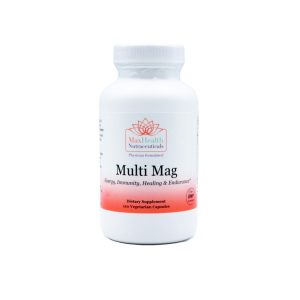
Multi Mag

Omega Ultra TG
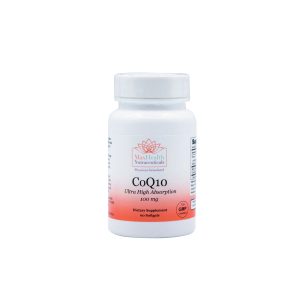
CoQ10
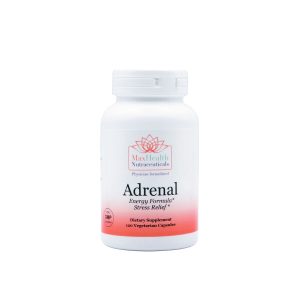
Adrenal (Energy & Stress) 120 Capsules
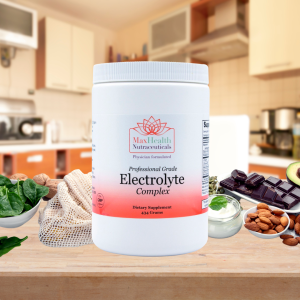
Electrolyte Complex 60s 394gms
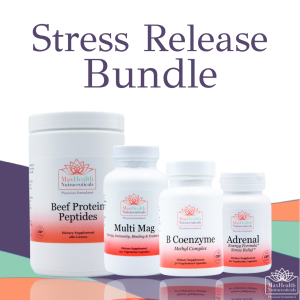
Stress Release Bundle
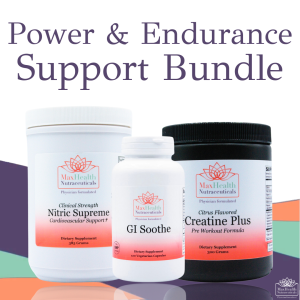
Power and Endurance Bundle
Disclosure: This post contains affiliate links. If you purchase through these links, we may earn a small commission at no extra cost to you. Learn more.
About the Author
Dr. Nicolle is a double board-certified physician in Family Medicine and Preventive Medicine, with certifications in Functional Medicine and Lifestyle Medicine. She helps busy professionals over 40 optimize their health through root-cause approaches to cardiovascular, hormonal, and metabolic health.
Learn more about Dr. Nicolle →Explore Related Topics
Dive deeper into these connected health areas
Hormone Health
Hormones are the chemical messengers that regulate virtually every process in your body — from metab…
Explore 🦠Gut Health
Your gut is far more than a digestive organ — it's home to 70% of your immune system, produces key n…
Explore ❤️Metabolic Health
Metabolic health sits at the intersection of blood sugar regulation, cardiovascular function, body c…
Explore 🌸Women's Health
Women's health encompasses a complex interplay of hormonal cycles, reproductive biology, and unique …
Explore 💪Men's Health
Men's health involves a unique interplay of hormonal balance, cardiovascular resilience, metabolic e…
Explore 🧠Mental Health
Mental health is deeply interconnected with hormonal balance, gut health, blood sugar regulation, an…
Explore 📖Skin & Hair Health
Your skin and hair are windows into your internal health. Chronic acne, eczema, psoriasis, and hair …
ExploreReady to Address Your Health Concerns?
Book a Discovery Offer consultation to discuss how our functional medicine approach can help you achieve your health goals.
Book Your Discovery Offer